
Regulator Manufacturer Tel: +86 13380377051
Regulator Manufacturer Tel: +86 13380377051

Medical Gas Storage Cabinet: Complete Guide to Safe Gas Cylinder Storage
Medical gas cylinders are essential in hospitals, clinics, laboratories, emergency departments, dental facilities, and other healthcare environments. Oxygen, nitrous oxide, medical air, carbon dioxide, nitrogen, and other specialty gases support patient care, anesthesia, respiratory therapy, laboratory testing, and medical equipment operation. However, storing compressed gas cylinders safely requires more than simply placing cylinders in a designated room. Proper storage must address cylinder stability, ventilation, gas compatibility, fire safety, access control, identification, and protection against physical damage.
A medical gas storage cabinet provides a controlled and organized solution for storing gas cylinders. When properly designed and installed, a medical gas cabinet can help healthcare facilities improve cylinder management, reduce handling risks, protect cylinders from environmental hazards, and maintain a safer gas storage area.
This complete guide explains the purpose, design, materials, ventilation, safety features, cylinder compatibility, installation considerations, and selection criteria for medical gas storage cabinets.
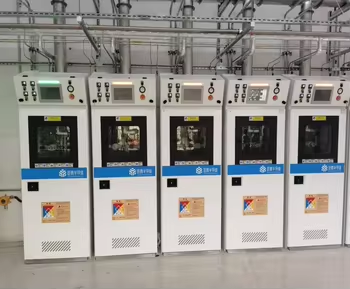
What Is a Medical Gas Storage Cabinet?
A medical gas storage cabinet is an engineered enclosure designed to organize and protect compressed gas cylinders used in healthcare and medical applications. Depending on the application, the cabinet may accommodate full cylinders, empty cylinders, reserve cylinders, or segregated groups of different gases.
Unlike a general-purpose storage cabinet, a medical gas storage cabinet is designed around the specific hazards associated with compressed gas cylinders. These hazards include high internal cylinder pressure, cylinder tipping, valve damage, incompatible gas storage, oxygen-enriched environments, and accidental impact.
A well-designed cabinet typically incorporates:
- Strong structural construction
- Cylinder retention systems
- Ventilation provisions where required
- Clearly visible gas identification
- Controlled or restricted access
- Fire-resistant or non-combustible construction where applicable
- Separate storage arrangements for different gas categories
- Easy access for inspection and cylinder handling
The exact cabinet configuration should be selected according to the gases being stored, cylinder size, quantity, installation location, applicable local codes, and healthcare facility requirements.
Why Safe Medical Gas Cylinder Storage Matters
Compressed gas cylinders contain gas under substantial pressure. Even when a cylinder is not connected to medical equipment, it remains a pressurized energy source.
An unsecured cylinder can fall and cause damage to its valve or regulator. Valve damage can result in uncontrolled gas release and potentially turn the cylinder into a dangerous projectile. Oxygen cylinders introduce additional fire considerations because oxygen supports combustion, while some specialty gases may present toxicity, oxidizing, flammability, or asphyxiation hazards.
Medical facilities also face a practical challenge: cylinders are frequently moved between storage rooms, patient areas, operating rooms, laboratories, and gas distribution systems. Poor organization can increase the possibility of mixing full and empty cylinders or confusing one gas type with another.
A dedicated storage cabinet helps establish a consistent storage system. Cylinders can be physically restrained, labeled, segregated, and arranged according to an established facility procedure.
Key Design Requirements of a Medical Gas Storage Cabinet
1. Strong and Durable Construction
The cabinet must withstand the mechanical demands associated with cylinder storage and handling. Stainless steel, powder-coated carbon steel, or other suitable engineered materials may be used depending on the installation environment and required level of corrosion resistance.
For healthcare environments requiring high cleanliness or corrosion resistance, stainless steel construction can be advantageous. In less demanding areas, coated steel may provide an economical alternative.
The cabinet structure should be rigid enough to support the specified cylinder load without excessive deformation.
2. Secure Cylinder Retention
Cylinder retention is one of the most important features of a medical gas storage cabinet.
Gas cylinders should not simply stand freely inside the cabinet. Appropriate chains, straps, brackets, rails, or other retention mechanisms should be provided to prevent cylinders from tipping.
The retention system should accommodate the cylinder diameter and height specified by the facility. It should also allow personnel to secure and release cylinders efficiently without unnecessary handling.
For cabinets containing multiple cylinders, each cylinder should have an appropriate restraint position rather than relying on a single loose barrier.
3. Adequate Ventilation
Ventilation requirements depend strongly on the gas type, cylinder quantity, cabinet design, and installation environment.
Some gases can create an oxygen-deficient atmosphere if released into an enclosed space. Oxygen and oxidizing gases can create different hazards, particularly where leakage could increase the oxygen concentration around combustible materials.
Ventilation openings should therefore be engineered rather than added arbitrarily. The cabinet should not be treated as a sealed container unless the specific application and applicable requirements call for a sealed or specially engineered enclosure.
For medical facilities, ventilation design should be coordinated with the building’s mechanical ventilation system and relevant safety requirements.
4. Gas Identification and Labeling
Clear identification is critical because medical gas cylinders can have similar physical dimensions.
Cabinets should provide visible labels identifying the gas category stored inside. Facilities may also use color coding, warning signs, cylinder status labels, and dedicated storage positions.
A practical organization system may separate:
- Full cylinders
- Empty cylinders
- Cylinders awaiting inspection
- Oxygen and oxidizing gases
- Inert gases
- Specialty gases
The storage system should minimize the possibility of connecting the wrong cylinder to a medical gas system.
Medical Gas Cabinet Materials
Material selection depends on the operating environment and required durability.
Stainless Steel
316 or 304 stainless steel is commonly considered for demanding healthcare, laboratory, and clean environments. Stainless steel provides good corrosion resistance and a cleanable surface.
316 stainless steel may be preferred in environments exposed to higher levels of corrosive contaminants or moisture.
Carbon Steel
Carbon steel with an appropriate protective coating can provide a cost-effective solution for indoor storage areas. Powder coating can improve surface durability and corrosion resistance.
Specialized Materials
Certain installations may require specialized materials or coatings because of the gas type, environmental conditions, temperature, humidity, or cleanliness requirements.
The cabinet manufacturer should evaluate the complete application rather than selecting materials based only on the cylinder gas name.
What Medical Gases Can Be Stored in a Cabinet?
Medical gas storage cabinets can be configured for different gas categories, but not all gases should automatically be stored together.
Common medical gases include:
Medical oxygen: Used for respiratory therapy, anesthesia, emergency treatment, and other clinical applications. Oxygen requires careful consideration of ignition sources and combustible materials.
Nitrous oxide: Commonly used for anesthesia and analgesia. Storage should account for cylinder stability and applicable requirements for oxidizing gases.
Medical air: Used for respiratory equipment and other clinical applications.
Carbon dioxide: Used in certain medical procedures and laboratory applications.
Nitrogen: Frequently used for laboratory, medical, and equipment applications.
Helium and specialty gases: May be used in medical research, laboratory systems, and specialized equipment.
The compatibility of gases should always be evaluated before placing different cylinder types in the same cabinet. Facility procedures and applicable codes may require physical separation of certain gases.
Medical Gas Storage Cabinet vs. Standard Gas Cylinder Storage
A standard gas cylinder rack can provide basic mechanical restraint, but a medical gas storage cabinet provides a more controlled storage environment.
A rack is often appropriate where cylinders are stored in a dedicated, controlled area with sufficient ventilation and protection from unauthorized access.
A cabinet may be more appropriate when the facility needs:
- Better cylinder organization
- Restricted access
- Protection from accidental impact
- A cleaner appearance
- Clearly defined storage locations
- Indoor storage near medical service areas
- Custom cylinder capacity
- Integration into a broader medical gas management system
The correct solution depends on the facility’s risk assessment and regulatory requirements.
Indoor and Outdoor Medical Gas Storage Cabinets
Medical gas cabinets can be designed for indoor or outdoor applications.
Indoor cabinets are commonly installed in hospitals, clinics, laboratories, dental facilities, and medical gas service areas. The design must account for room ventilation, access, traffic, fire protection, and cylinder handling.
Outdoor cabinets may be used where larger cylinder inventories are required or where the facility has a designated external gas storage area.
Outdoor installations require additional consideration of:
- Rain and moisture
- UV exposure
- Corrosion
- Temperature variation
- Security
- Drainage
- Vehicle impact
- Weather protection
A cabinet intended for outdoor installation should therefore not simply be an indoor cabinet placed outside. Its materials, coating, enclosure design, ventilation, anchoring, and hardware should be suitable for the actual environment.
Cylinder Capacity and Cabinet Configuration
One of the first steps when selecting a medical gas storage cabinet is determining how many cylinders need to be stored.
Capacity depends on cylinder diameter, height, cabinet dimensions, retention configuration, and required separation.
For example, a small clinic may require a compact cabinet for several reserve oxygen cylinders, while a large hospital may require a multi-compartment cabinet for different gas categories.
When calculating capacity, facilities should consider both current inventory and future demand. However, overloading a cabinet simply to maximize storage density should be avoided.
There must be sufficient space for personnel to safely insert, secure, identify, and remove cylinders.
Important Safety Features
A high-quality medical gas storage cabinet may include several safety and operational features.
Cylinder Restraint
Chains, straps, or mechanical supports prevent cylinders from falling.
Lockable Doors
Lockable doors can help control access and reduce unauthorized handling.
Ventilation Openings
Ventilation can help manage gas accumulation where required by the application.
Warning Labels
Labels can communicate gas hazards and storage restrictions.
Adjustable Retention Systems
Adjustable chains or brackets allow one cabinet design to accommodate different cylinder sizes.
Rounded or Protected Edges
Appropriate edge design can reduce the risk of injury during cylinder handling.
Floor or Wall Anchoring
Anchoring can improve cabinet stability, particularly where the cabinet may be exposed to movement, impact, or seismic activity.
Installation Considerations
Correct installation is as important as cabinet construction.
Before installation, the facility should determine the cabinet location, cylinder access route, ventilation arrangement, floor loading, surrounding hazards, and emergency access requirements.
The cabinet should be positioned away from unnecessary sources of heat, ignition, physical impact, and incompatible materials according to the gas-specific safety requirements.
For large cabinets, the floor should be evaluated to ensure it can support the combined weight of the cabinet and stored cylinders.
Where seismic risk exists, additional anchoring may be necessary. In healthcare facilities, installation should also avoid obstructing emergency exits, fire equipment, electrical equipment, or critical service pathways.
How to Choose the Right Medical Gas Storage Cabinet
When comparing medical gas storage cabinet manufacturers, buyers should evaluate more than cabinet appearance and price.
Consider the following factors:
1. Gas type: Identify every gas that will be stored and evaluate its hazard classification.
2. Cylinder dimensions: Confirm cylinder diameter, height, valve configuration, and weight.
3. Storage capacity: Determine the required number of cylinders and whether full and empty cylinders need separate areas.
4. Material: Select stainless steel, coated steel, or another suitable material based on environmental conditions.
5. Ventilation: Confirm whether ventilation is required and how it will integrate with the facility.
6. Retention: Make sure every cylinder has a secure restraint mechanism.
7. Access control: Consider whether lockable doors or restricted access are necessary.
8. Installation location: Determine whether the cabinet will be installed indoors or outdoors.
9. Customization: Large healthcare projects may require custom dimensions, compartments, labeling, mounting arrangements, or cylinder capacities.
10. Compliance: Verify the applicable local building, fire, occupational safety, healthcare, and compressed-gas requirements before purchasing.
Maintenance and Inspection
A medical gas storage cabinet should be inspected regularly as part of the facility’s gas-cylinder safety program.
Personnel should check for corrosion, damaged doors, loose hinges, defective locks, damaged chains or straps, missing labels, blocked ventilation openings, and structural damage.
Cylinder restraints should be checked routinely. Warning labels must remain visible and legible.
The cabinet itself cannot compensate for poor cylinder management. Personnel should also maintain procedures for cylinder identification, full/empty segregation, transportation, connection, removal, and emergency response.
Custom Medical Gas Storage Cabinets for Healthcare Facilities
Different healthcare facilities have different cylinder requirements. A hospital may need a large multi-compartment cabinet, while a small clinic may require a compact solution. Laboratories may also need cabinets configured for specialty gases rather than conventional medical gases.
A professional manufacturer can customize cabinet dimensions, cylinder capacity, material, door configuration, ventilation arrangement, retention system, labeling, compartments, and installation interface according to the project requirements.
For medical gas projects, customization should begin with the gas list, cylinder specifications, quantity, installation environment, and applicable standards. This approach helps ensure that the cabinet is designed around the actual application rather than forcing the facility to adapt to a generic cabinet.
Conclusion
A medical gas storage cabinet is an important component of safe compressed-gas management in hospitals, clinics, laboratories, and other healthcare facilities. Its primary purpose is not simply to store cylinders but to provide an organized system that helps prevent cylinder tipping, unauthorized handling, physical damage, incorrect identification, and other foreseeable storage risks.
The most important factors include secure cylinder restraint, suitable materials, appropriate ventilation, clear identification, adequate capacity, controlled access, stable installation, and compliance with applicable safety requirements.
Before selecting a cabinet, healthcare facility managers and engineering teams should evaluate the gas types, cylinder dimensions, storage quantity, indoor or outdoor environment, ventilation requirements, and local regulations. For projects with unusual cylinder sizes, multiple gas categories, or strict space limitations, a customized medical gas storage cabinet can provide a more practical and reliable solution.
Ultimately, safe medical gas cylinder storage depends on both proper cabinet engineering and disciplined facility procedures. Selecting the right storage cabinet is therefore an important investment in protecting personnel, patients, equipment, and the overall reliability of a medical gas infrastructure.
For more about medical gas storage cabinet: complete guide to safe gas cylinder storage, you can pay a visit to Jewellok at https://www.specialtygasregulator.com/product-category/gas-changeover-system/ for more info.
-
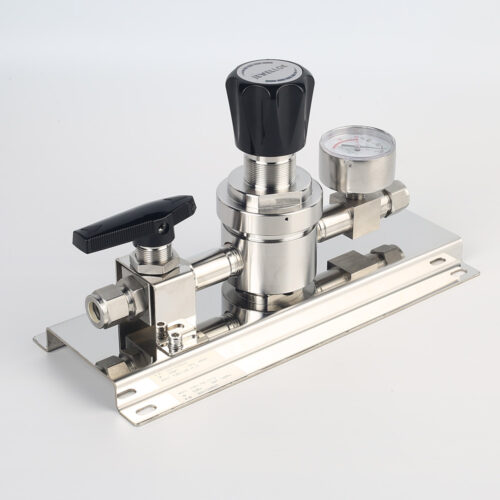
High Purity And Industria Gas Stick Assemblies Precise Pressure Control Gas Systems JSR-1ETG-BV Series
-
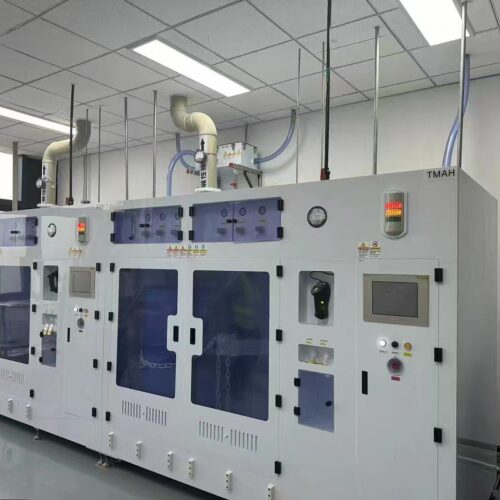
Integrated Bulk Chemical Delivery System and Automatic CDU Solutions for Safe Hazardous Chemical Fluid Handling
-
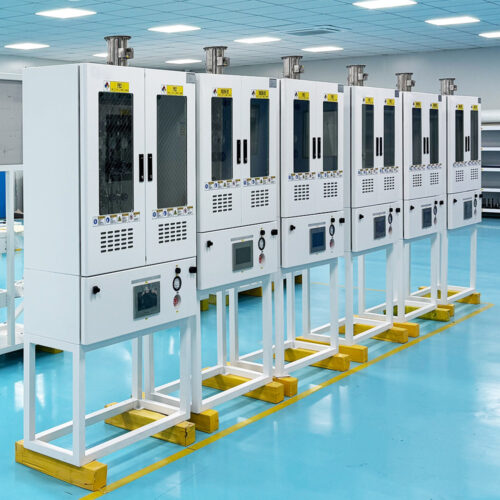
Automated Valve Manifold Box with Leak Detection for Toxic and Flammable Semiconductor Process Gases
-
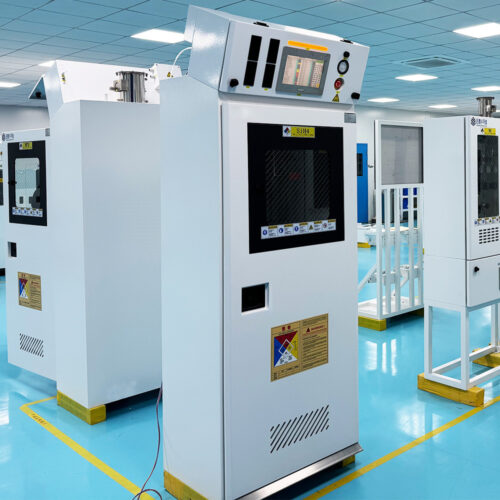
High-Efficiency Exhaust Gas Scrubber System for Semiconductor and Photovoltaic Hazardous Gas Abatement Solutions
-
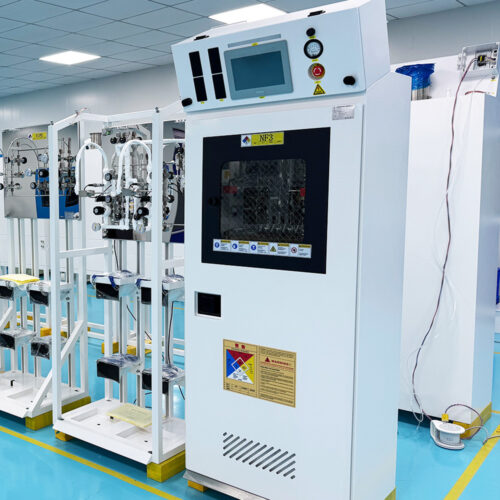
Semi Automatic Gas Cabinet Gas Panels High Purity Gas Delivery Systems JW-200-GC
-
766L High Purity Female Connector UHP Fitting Female Connector
-
Stainless Steel 316L Single Stage Regulator Pressure Control Panels JSP-1E Series For Semiconductor Fluid Control
-
Flow Control Stainless Steel Low Pressure Manual Diaphragm Valve For High Purity And Ultra High Purity Gases