
Regulator Manufacturer Tel: +86 13380377051
Regulator Manufacturer Tel: +86 13380377051
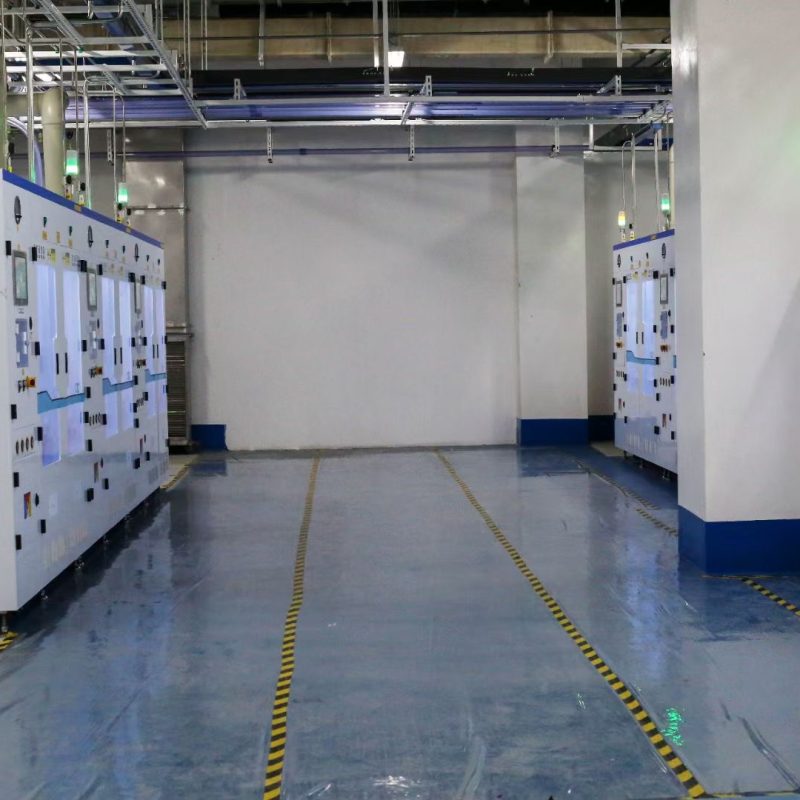
How to Choose the Right Corrosive Storage Cabinet for Hazardous Chemicals
In industries such as chemical manufacturing, pharmaceuticals, laboratories, and semiconductor production, the safe storage of hazardous chemicals is not just a regulatory requirement—it is a critical component of operational safety and risk management. Among these chemicals, corrosive substances present unique challenges due to their ability to degrade materials, cause severe injury, and damage equipment. Selecting the right corrosive storage cabinet is therefore essential for ensuring safety, compliance, and long-term efficiency.
This article provides a comprehensive guide to help you choose the most suitable corrosive storage cabinet based on application needs, chemical compatibility, regulatory standards, and environmental considerations.
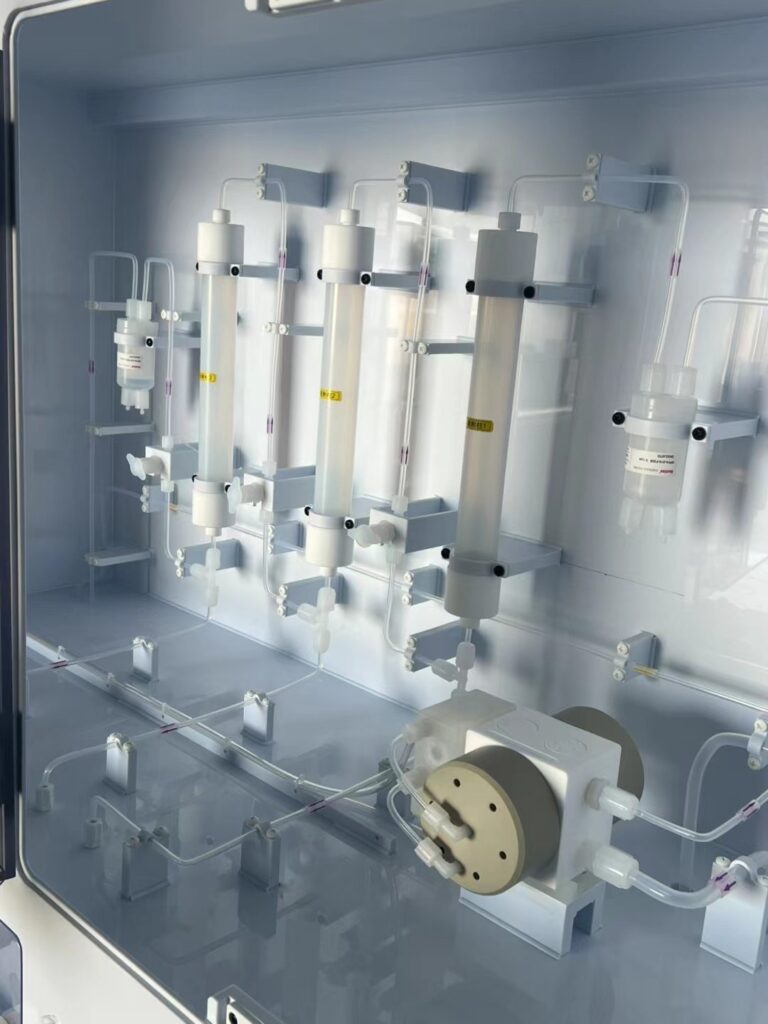
1. Understanding Corrosive Chemicals
Corrosive chemicals are substances that can destroy or irreversibly damage materials such as metals, plastics, and human tissue through chemical reactions. Common examples include strong acids (e.g., sulfuric acid, hydrochloric acid) and bases (e.g., sodium hydroxide, potassium hydroxide).
These chemicals can:
- Cause chemical burns upon contact
- Emit harmful vapors
- React violently with incompatible substances
- Corrode standard storage materials over time
Because of these risks, proper storage is essential to prevent leaks, spills, and exposure.
2. Importance of Specialized Corrosive Storage Cabinets
Standard storage cabinets are not designed to withstand the aggressive nature of corrosive substances. Specialized corrosive storage cabinets are engineered with materials and features that provide:
- Chemical resistance to prevent degradation
- Leak containment systems to handle accidental spills
- Ventilation compatibility to manage hazardous fumes
- Segregation capabilities to avoid dangerous reactions
Using improper storage solutions can lead to cabinet failure, environmental contamination, and serious safety hazards.
3. Key Factors to Consider When Choosing a Cabinet
3.1 Chemical Compatibility
The first and most important consideration is compatibility between the cabinet material and the chemicals being stored.
- Polyethylene cabinets are ideal for strong acids and highly corrosive substances due to their excellent resistance.
- Epoxy-coated steel cabinets may be suitable for mild corrosives but can degrade under prolonged exposure to strong acids.
- Stainless steel cabinets offer moderate resistance but are not suitable for all corrosive environments.
Always review chemical compatibility charts provided by manufacturers to ensure safe storage.
3.2 Cabinet Construction Material
Different materials offer varying levels of durability and resistance:
- High-Density Polyethylene (HDPE):
- Best for highly corrosive acids and bases
- Non-reactive and rust-proof
- Lightweight and durable
- Powder-Coated Steel:
- Suitable for less aggressive chemicals
- Cost-effective
- Requires proper coating integrity
- Stainless Steel:
- Good for cleanroom environments
- Resistant to corrosion but may react with certain acids
Choosing the right material directly impacts the cabinet’s lifespan and safety performance.
3.3 Storage Capacity and Configuration
Consider the volume and type of chemicals you need to store:
- Small benchtop cabinets for laboratories with limited space
- Under-counter cabinets for convenient access
- Tall cabinets for bulk storage in industrial settings
Also evaluate:
- Adjustable shelving for flexible storage
- Secondary containment sumps for spill control
- Compartmentalization for chemical segregation
3.4 Ventilation Requirements
Corrosive chemicals often release hazardous vapors that can accumulate inside cabinets. Proper ventilation is critical:
- Passive ventilation systems use natural airflow
- Active ventilation systems connect to exhaust systems for continuous air exchange
Some regulations require cabinets to be vented, especially when storing volatile or fuming chemicals. Ensure compatibility with your facility’s HVAC or exhaust system.
3.5 Compliance with Safety Standards
Regulatory compliance is non-negotiable when dealing with hazardous chemicals. Ensure that the cabinet meets relevant standards such as:
- Occupational safety regulations
- Fire and building codes
- Environmental protection guidelines
Look for certifications or testing standards that verify the cabinet’s performance under hazardous conditions.
3.6 Spill Containment and Leak Protection
A high-quality corrosive storage cabinet should include built-in spill containment features:
- Integrated sump at the bottom to collect leaks
- Raised door sills to prevent spills from escaping
- Seamless interior design to avoid chemical seepage
These features are essential for minimizing environmental impact and simplifying cleanup procedures.
3.7 Safety Labeling and Identification
Clear labeling is critical for hazard communication and emergency response. A good cabinet should have:
- Visible hazard warning labels
- Chemical identification tags
- Color-coded systems for different chemical types
This helps personnel quickly identify contents and take appropriate precautions.
3.8 Locking Mechanisms and Access Control
To prevent unauthorized access, especially in shared or public environments, cabinets should include:
- Secure locking systems (key or digital)
- Self-closing doors for added safety
- Optional access control integration
This is particularly important in facilities handling highly hazardous or regulated substances.
4. Chemical Segregation: A Critical Safety Practice
Not all corrosive chemicals can be stored together. Improper segregation can lead to dangerous reactions, including:
- Acid-base neutralization reactions
- Release of toxic gases
- Heat generation and potential explosions
Best practices include:
- Storing acids and bases separately
- Isolating oxidizing acids (e.g., nitric acid)
- Using dedicated compartments or separate cabinets
Always consult Safety Data Sheets (SDS) for compatibility information.
5. Environmental and Operational Considerations
5.1 Temperature and Humidity Control
Extreme temperatures and humidity can affect both chemicals and cabinet materials. Consider:
- Cabinets with insulation for temperature-sensitive chemicals
- Corrosion-resistant finishes for humid environments
5.2 Indoor vs. Outdoor Use
If cabinets are used outdoors:
- Ensure UV resistance
- Weatherproof construction
- Proper anchoring for stability
5.3 Mobility and Installation
Some applications may require mobile cabinets:
- Cabinets with casters for easy relocation
- Compact designs for tight spaces
- Modular systems for scalability
6. Maintenance and Inspection
Even the best cabinet requires regular maintenance to ensure continued safety:
- Inspect for signs of corrosion or damage
- Check seals, hinges, and locks
- Clean spills immediately using appropriate neutralizing agents
- Replace damaged components promptly
Routine inspections help prevent failures and extend the cabinet’s service life.
7. Cost vs. Value: Making the Right Investment
While cost is always a consideration, choosing the cheapest option can be risky. Instead, evaluate:
- Long-term durability
- Compliance with safety standards
- Manufacturer reputation
- Warranty and support services
Investing in a high-quality corrosive storage cabinet can prevent costly accidents, regulatory fines, and equipment damage.
8. Common Mistakes to Avoid
When selecting a corrosive storage cabinet, avoid these common pitfalls:
- Ignoring chemical compatibility
- Overloading the cabinet beyond its capacity
- Failing to segregate incompatible chemicals
- Skipping ventilation requirements
- Choosing non-compliant or uncertified products
Awareness of these mistakes can significantly improve safety outcomes.
Conclusion
Choosing the right corrosive storage cabinet is a critical decision that directly impacts workplace safety, regulatory compliance, and operational efficiency. By carefully evaluating factors such as chemical compatibility, material construction, ventilation, capacity, and safety features, you can select a solution that meets both current and future needs.
In environments where hazardous chemicals are handled daily, a well-designed storage system is not just a piece of equipment—it is a vital safeguard against risk. Taking the time to make an informed choice will ensure a safer, more compliant, and more efficient operation.
For more about how to choose the right corrosive storage cabinet for hazardous chemicals, you can pay a visit to Jewellok at https://www.specialtygasregulator.com/product-category/uhp-liquid-delivery-system/ for more info.
-
767LT Reducer Pressure Reducing Valve Adjustment High purity Pressure Reducing Union Fittings And Tubing
-
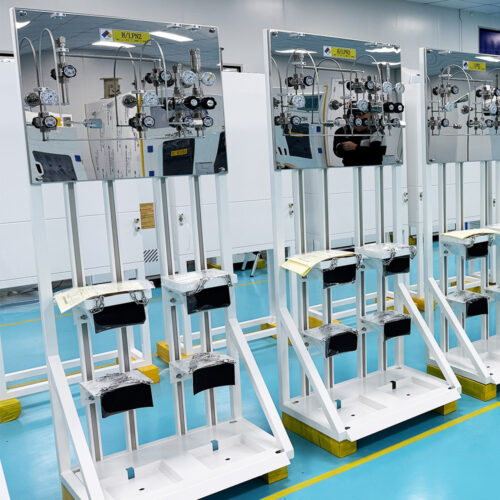
Semi Automatic Gas Cabinet Systems for Handling Toxic and Flammable Process Specialty Gases in High Tech
-
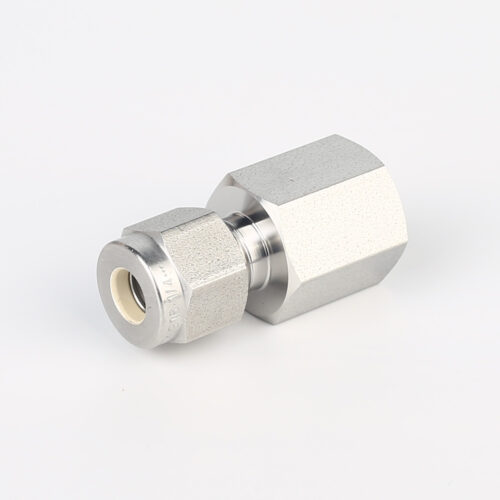
766L High Purity Female Connector UHP Fitting Female Connector
-
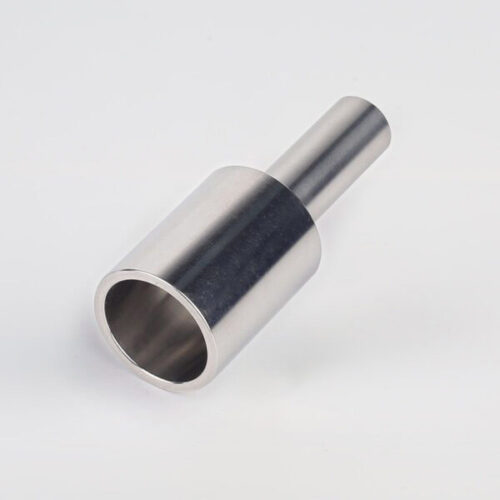
316L Stainless Steel Tube Butt Weld Reducing Fittings Union Reducer RW Series Ultrahigh Purity Process
-
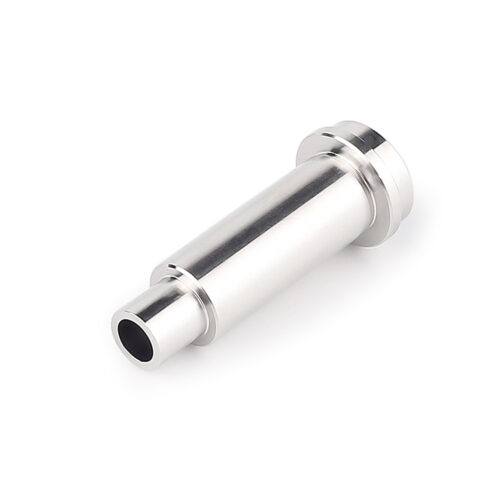
UHP Metal Gasket Face Seal Fittings Vacuum Coupling Metal Face Seal Join Long Gland And Short Gland
-
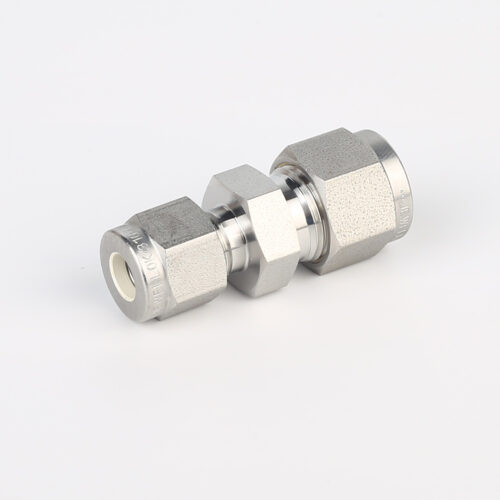
763L Stainless Steel High Purity Pressure Reducing Union Fittings And Tubing Pressure Reducing Valve Adjustment
-
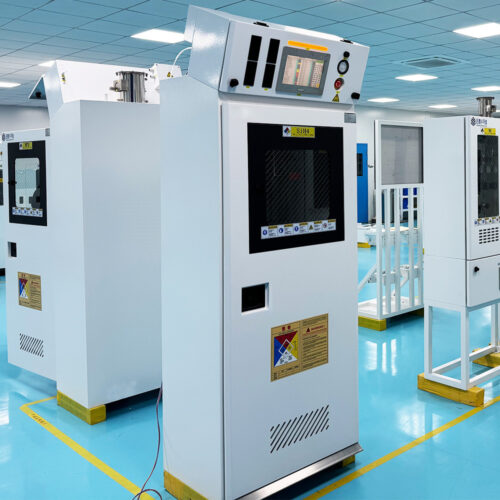
Advanced Exhaust Gas Scrubber System Design for 99% Removal Efficiency of Industrial Toxic Gases
-
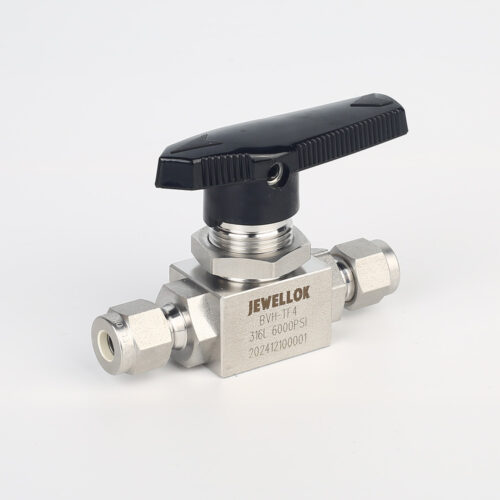
High Purity High Pressure 316 Stainless Steel Ball Valves JBV1 Series From High Pressure Ball Valve Manufacturer And Supplier In China