
Regulator Manufacturer Tel: +86 13380377051
Regulator Manufacturer Tel: +86 13380377051
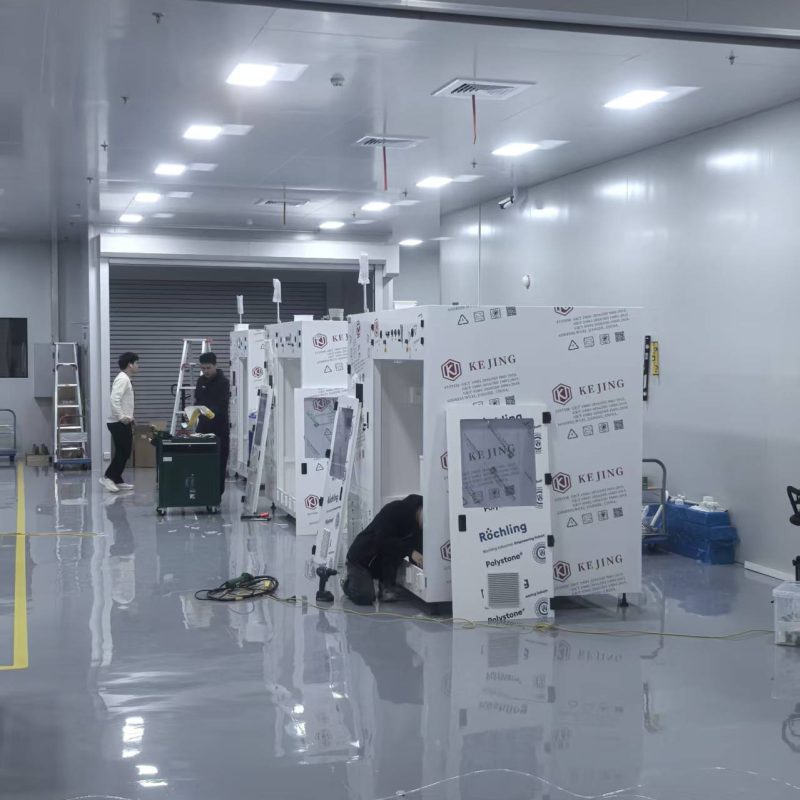
Safety and Sustainable Innovation in Corrosive Gas Valve Design
Introduction
Corrosive gases play a critical role in numerous high-tech and industrial manufacturing processes, including semiconductor fabrication, photovoltaic production, specialty chemical synthesis, pharmaceutical manufacturing, and advanced materials processing. Gases such as chlorine (Cl₂), hydrogen chloride (HCl), hydrogen fluoride (HF), ammonia (NH₃), sulfur dioxide (SO₂), and various fluorinated compounds are essential for process efficiency but present significant challenges in handling due to their corrosive, toxic, and reactive properties.
At the heart of every corrosive gas delivery system lies a crucial component—the gas valve. Valves control flow, isolate hazardous gases, maintain pressure integrity, and protect both personnel and equipment. As industries increasingly emphasize operational safety, environmental responsibility, and sustainability, valve manufacturers are developing innovative solutions that not only enhance safety performance but also reduce environmental impact and improve lifecycle efficiency.
This article explores the latest safety-focused and sustainable innovations shaping the future of corrosive gas valve design.
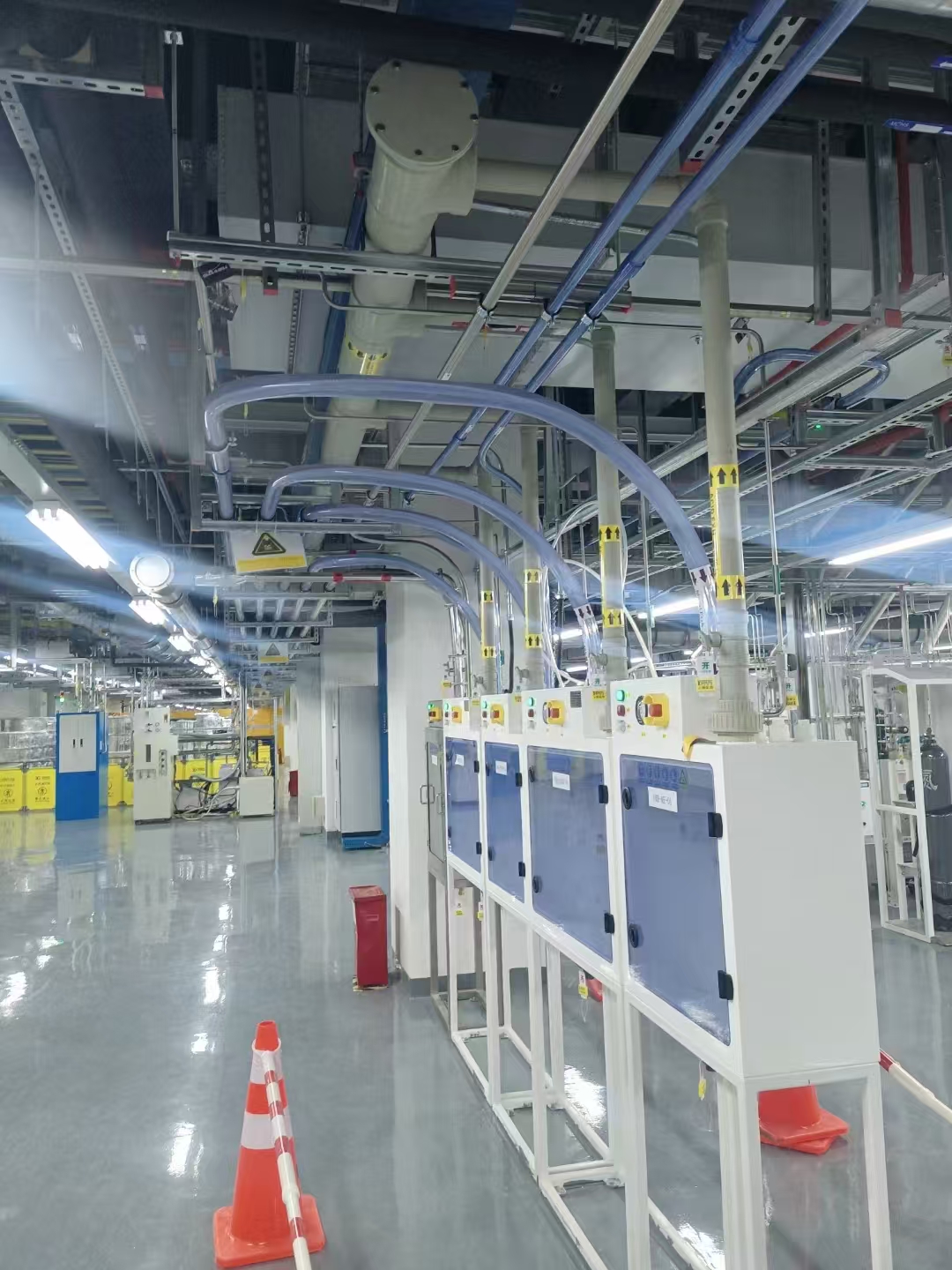
The Unique Challenges of Corrosive Gas Applications
Unlike standard industrial gases, corrosive gases can rapidly degrade conventional valve materials, seals, and internal components. Continuous exposure may lead to:
- Material corrosion
- Seal degradation
- Internal leakage
- Particle generation
- Contamination of process gases
- Equipment failure
- Environmental emissions
In ultra-high-purity (UHP) industries such as semiconductor manufacturing, even microscopic contamination can negatively affect production yields and product quality.
Additionally, many corrosive gases are highly toxic and regulated under strict environmental and workplace safety standards. Any valve failure can result in:
- Personnel exposure
- Production downtime
- Environmental pollution
- Regulatory violations
- Significant financial losses
These risks make advanced valve engineering essential for modern gas delivery systems.
Material Innovation: The Foundation of Safety
Advanced Corrosion-Resistant Alloys
Material selection remains one of the most important factors in corrosive gas valve design.
Traditional stainless steels often provide insufficient protection when exposed to highly aggressive media. To address this challenge, manufacturers increasingly utilize:
- 316L VIM-VAR stainless steel
- Hastelloy® alloys
- Nickel-based superalloys
- Monel® alloys
- Inconel® materials
- Cobalt-based diaphragm materials
Among these materials, electropolished 316L VIM-VAR stainless steel has become a preferred choice for semiconductor-grade gas systems due to its excellent corrosion resistance, reduced particle generation, and superior surface finish.
Nickel-based alloys provide exceptional resistance against halogen gases and acidic environments, significantly extending valve service life.
Surface Engineering Technologies
Modern valve manufacturers also apply advanced surface treatments to further improve corrosion resistance.
These technologies include:
- Electropolishing
- Passivation
- Chemical polishing
- Specialized corrosion-resistant coatings
- Plasma-enhanced surface modification
Electropolished surfaces reduce microscopic crevices where corrosive chemicals may accumulate, minimizing corrosion initiation points and improving cleanability.
The result is enhanced reliability, lower maintenance requirements, and longer operational lifecycles.
Leak Prevention Through Advanced Sealing Technologies
Metal-to-Metal Sealing Systems
One of the most critical safety requirements for corrosive gas valves is achieving near-zero leakage.
Conventional elastomer seals may degrade when exposed to aggressive gases, causing leaks and contamination. To overcome these limitations, high-performance corrosive gas valves increasingly employ:
- Metal-to-metal sealing
- Welded diaphragm structures
- Bellows-sealed configurations
- Double containment sealing systems
Metal-sealed diaphragm valves provide exceptional leak integrity while eliminating many failure mechanisms associated with elastomeric components.
High-Cycle Diaphragm Technology
Modern diaphragm valves utilize advanced diaphragm materials engineered for:
- Increased fatigue resistance
- Enhanced corrosion resistance
- High cycle life
- Improved pressure performance
Some premium valve designs exceed several million operating cycles while maintaining leak-tight performance under demanding conditions.
This significantly reduces maintenance frequency and lowers total cost of ownership.
Smart Safety Features in Modern Valve Design
Integrated Leak Detection
Digital transformation is revolutionizing gas delivery systems.
Modern corrosive gas valves increasingly incorporate smart monitoring capabilities, including:
- Integrated leak sensors
- Pressure monitoring
- Flow diagnostics
- Position indication
- Predictive maintenance systems
These intelligent features enable real-time detection of abnormalities before failures occur.
For example, pressure decay monitoring can identify micro-leaks that would otherwise remain undetected until significant damage develops.
Remote Operation and Automation
Automated valve systems reduce human exposure to hazardous gases.
Key innovations include:
- Pneumatic actuation
- Electric actuation
- Remote control systems
- Distributed control integration
- Industrial IoT connectivity
Remote operation minimizes personnel interaction with hazardous gas environments while improving process consistency and safety.
In semiconductor fabs and chemical plants, automated shutdown procedures can isolate gas supplies within seconds of detecting unsafe conditions.
Sustainable Design Principles in Corrosive Gas Valves
Extending Product Lifecycle
Sustainability begins with durability.
Longer-lasting valves reduce:
- Raw material consumption
- Manufacturing energy usage
- Replacement frequency
- Industrial waste generation
Modern valve designs emphasize lifecycle engineering through:
- Corrosion-resistant materials
- Modular construction
- Replaceable internal components
- Predictive maintenance capabilities
By extending operational lifespan, manufacturers help customers reduce environmental impact while improving economic efficiency.
Resource-Efficient Manufacturing
Valve manufacturers are increasingly adopting sustainable production methods.
Examples include:
- Precision CNC machining
- Lean manufacturing processes
- Reduced material waste
- Energy-efficient production facilities
- Closed-loop recycling systems
Advanced machining technologies allow manufacturers to achieve tighter tolerances while minimizing material removal and scrap generation.
This contributes to lower carbon emissions throughout the manufacturing process.
Reducing Fugitive Emissions
Environmental Importance
Fugitive emissions represent one of the most significant environmental concerns associated with gas handling systems.
Even small leaks can release hazardous chemicals into the atmosphere, contributing to:
- Air pollution
- Worker exposure risks
- Greenhouse gas emissions
- Regulatory non-compliance
As environmental regulations become increasingly stringent, valve manufacturers are prioritizing ultra-low-emission designs.
Ultra-Low Leakage Standards
Leading corrosive gas valves are engineered to meet stringent leak-rate requirements.
Advanced testing methods include:
- Helium mass spectrometer leak testing
- Pressure decay testing
- Vacuum integrity verification
- Continuous monitoring systems
Many semiconductor-grade valves achieve leak rates below:
- 1 × 10⁻⁹ atm·cc/sec helium
Such performance significantly reduces fugitive emissions and supports corporate sustainability goals.
Supporting Green Semiconductor Manufacturing
The semiconductor industry has become one of the largest users of corrosive gas delivery systems.
Modern chip manufacturing relies heavily on gases used in:
- Etching
- Deposition
- Cleaning
- Doping processes
As semiconductor manufacturers pursue carbon neutrality and sustainability initiatives, gas system suppliers play an increasingly important role.
Innovative valve technologies contribute by:
- Reducing gas waste
- Minimizing leakage
- Improving process efficiency
- Supporting automated optimization
- Extending maintenance intervals
These improvements help fabs lower operational costs while reducing environmental impact.
Advanced Cleanroom Compatibility
Cleanroom manufacturing environments require exceptional cleanliness standards.
Valve designs for ultra-high-purity applications incorporate features such as:
- Low particle generation
- Electropolished flow paths
- Orbital weld compatibility
- Dead-space minimization
- High-purity assembly procedures
These design characteristics reduce contamination risks and improve production yields.
From a sustainability perspective, cleaner processes result in fewer rejected products, lower resource consumption, and improved manufacturing efficiency.
Digitalization and Predictive Maintenance
Data-Driven Reliability
The emergence of Industry 4.0 technologies is transforming valve maintenance strategies.
Traditional maintenance often relies on fixed schedules, leading to unnecessary part replacement or unexpected failures.
Modern smart valves generate valuable operational data, including:
- Actuation cycles
- Pressure trends
- Temperature conditions
- Flow performance
- Seal integrity indicators
This information enables predictive maintenance programs that optimize service intervals and reduce waste.
Sustainability Benefits
Predictive maintenance delivers multiple environmental benefits:
- Reduced spare part consumption
- Lower energy usage
- Extended equipment lifespan
- Reduced downtime
- Lower transportation emissions associated with maintenance activities
As industrial facilities seek to improve sustainability metrics, predictive maintenance has become a key component of responsible asset management.
Future Trends in Corrosive Gas Valve Design
Several emerging technologies are expected to shape the next generation of corrosive gas valves.
AI-Enabled Diagnostics
Artificial intelligence can analyze operational data to predict failures with greater accuracy than traditional methods.
Potential applications include:
- Leak prediction
- Corrosion monitoring
- Performance optimization
- Automated maintenance recommendations
Advanced Materials Research
Researchers continue developing materials with superior corrosion resistance and environmental performance.
Future innovations may include:
- Nanostructured alloys
- Ceramic-metal composites
- Self-healing coatings
- Advanced surface engineering technologies
These materials could further improve durability while reducing lifecycle environmental impact.
Fully Connected Gas Delivery Systems
Future valve platforms will likely become fully integrated within smart manufacturing ecosystems.
Expected capabilities include:
- Real-time health monitoring
- Cloud-based analytics
- Autonomous optimization
- Digital twin simulation
- Enterprise-wide sustainability tracking
Such systems will enhance safety, efficiency, and environmental performance simultaneously.
Conclusion
The design of corrosive gas valves has evolved far beyond simple flow control. Today’s valves serve as critical safety devices, environmental protection tools, and sustainability enablers within advanced industrial processes.
Through innovations in corrosion-resistant materials, leak-tight sealing technologies, intelligent monitoring systems, predictive maintenance, and resource-efficient manufacturing, modern valve manufacturers are redefining industry standards for safety and environmental responsibility.
As semiconductor, chemical, pharmaceutical, and clean energy industries continue to expand, the demand for safer, smarter, and more sustainable corrosive gas valve solutions will only increase. Organizations that invest in advanced valve technologies will benefit from improved operational reliability, reduced environmental impact, enhanced regulatory compliance, and lower total lifecycle costs.
The future of corrosive gas handling lies in the successful integration of safety engineering, digital intelligence, and sustainable innovation—making next-generation valve design a cornerstone of responsible industrial development.
For more about safety and sustainable innovation in corrosive gas valve design, you can pay a visit to Jewellok at https://www.specialtygasregulator.com/product-category/specialty-gas-cabinet/ for more info.
-
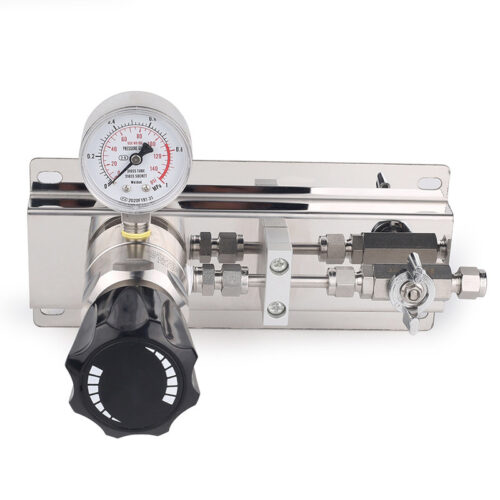
Medical Oxygen Single Stage Manual Gas Changeover Manifold Panel High-Purity Two-Stage Manual Gas Manifold Gas Pressure Control Panels
-
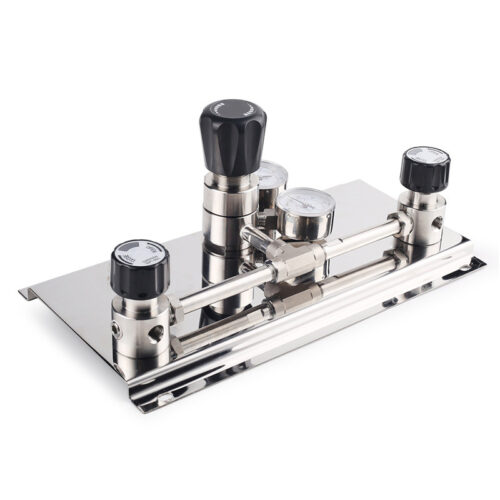
High Purity Semi-Auto Stainless Steel Changeover Manifold System, Nitrogen High Pressure Control Panel With Semiconductor Valve Manifold Box Diaphragm Valves
-
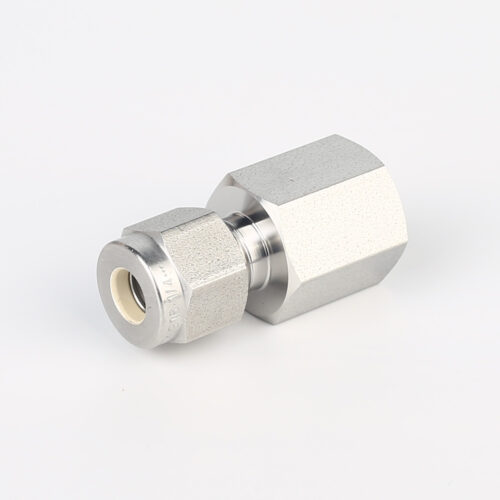
766L High Purity Female Connector UHP Fitting Female Connector
-
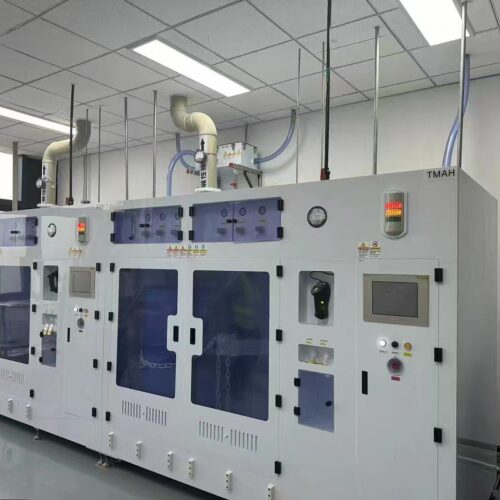
Vertical Laminar Flow Workstation (VLF) With Chemical Concentration Monitor
-
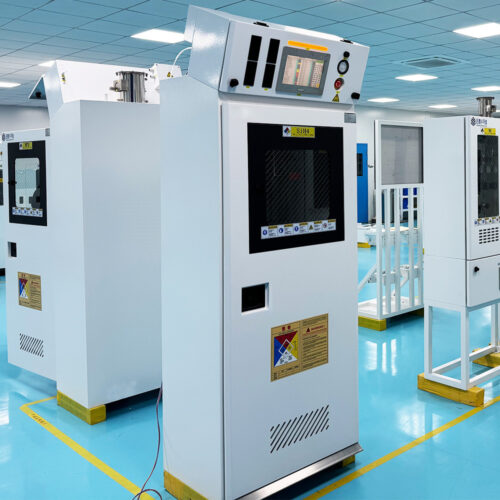
High-Efficiency Exhaust Gas Scrubber System for Semiconductor and Photovoltaic Hazardous Gas Abatement Solutions
-
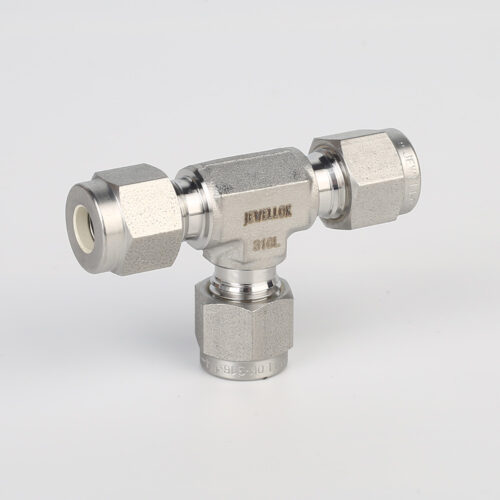
764L Stainless Steel Union Tee High Purity Fitting Union Tee Reducing Tubing Connection
-
Integrated Scrubber Tail Gas Treatment Cabinet for Safe Bulk Specialty Gas System Exhaust Management
-
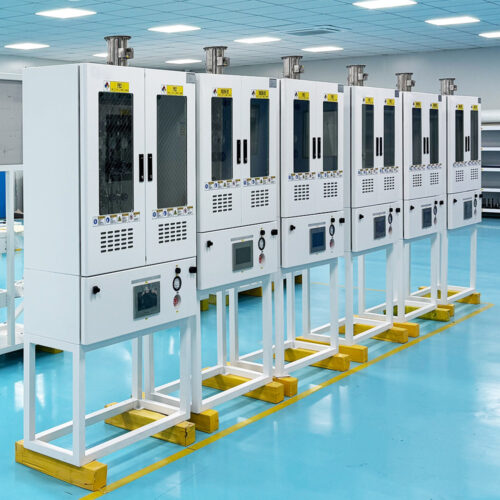
Custom Wet and Dry Exhaust Gas Scrubber System Technology for Effective Acid Gas Neutralization