
Regulator Manufacturer Tel: +86 13380377051
Regulator Manufacturer Tel: +86 13380377051
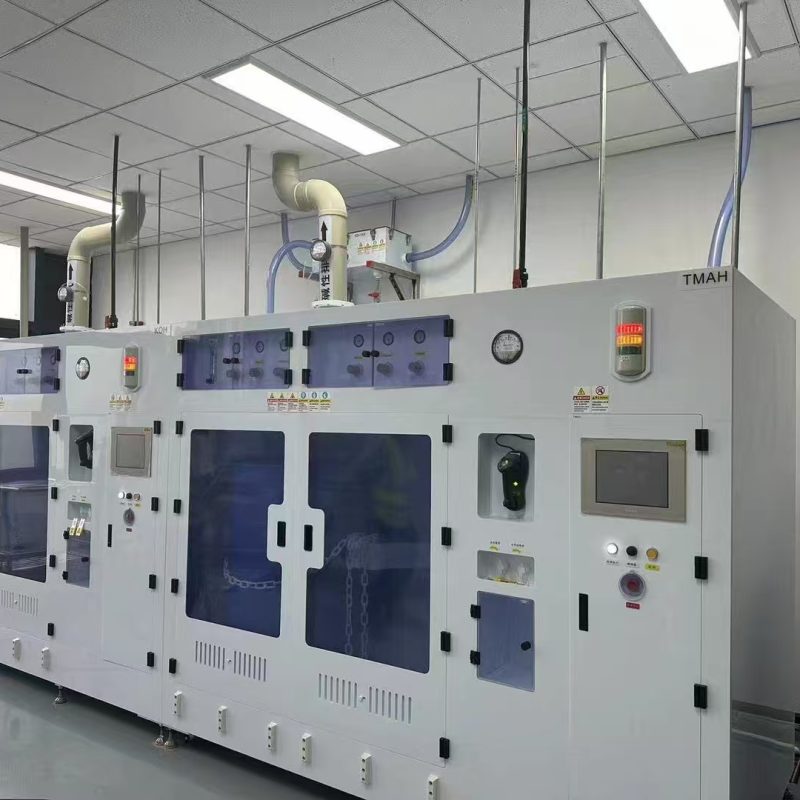
Top Exhaust Gas Treatment Cabinets for Semiconductor and Chemical Industries
Introduction
Exhaust gas treatment is a critical part of modern semiconductor manufacturing and chemical processing. Semiconductor fabs, chemical plants, research laboratories, and advanced manufacturing facilities generate exhaust streams containing corrosive, toxic, flammable, reactive, volatile, or environmentally hazardous gases. Without effective treatment, these gases can create serious risks to personnel, equipment, production processes, and the environment.
A high-performance exhaust gas treatment cabinet provides a compact and integrated solution for controlling hazardous process exhaust before it is discharged into the facility exhaust network or atmosphere. By combining gas treatment technologies, process monitoring, safety controls, ventilation, and automation into a dedicated cabinet, manufacturers can achieve safer and more reliable exhaust gas management.
For semiconductor and chemical applications, however, selecting an exhaust gas treatment cabinet is not simply a matter of choosing a standard filtration system. The cabinet must be engineered according to the gas composition, flow rate, temperature, pressure, chemical characteristics, treatment requirements, and applicable safety standards.
This article explains the structure, working principles, key technologies, applications, and selection criteria of advanced exhaust gas treatment cabinets for semiconductor and chemical industries.
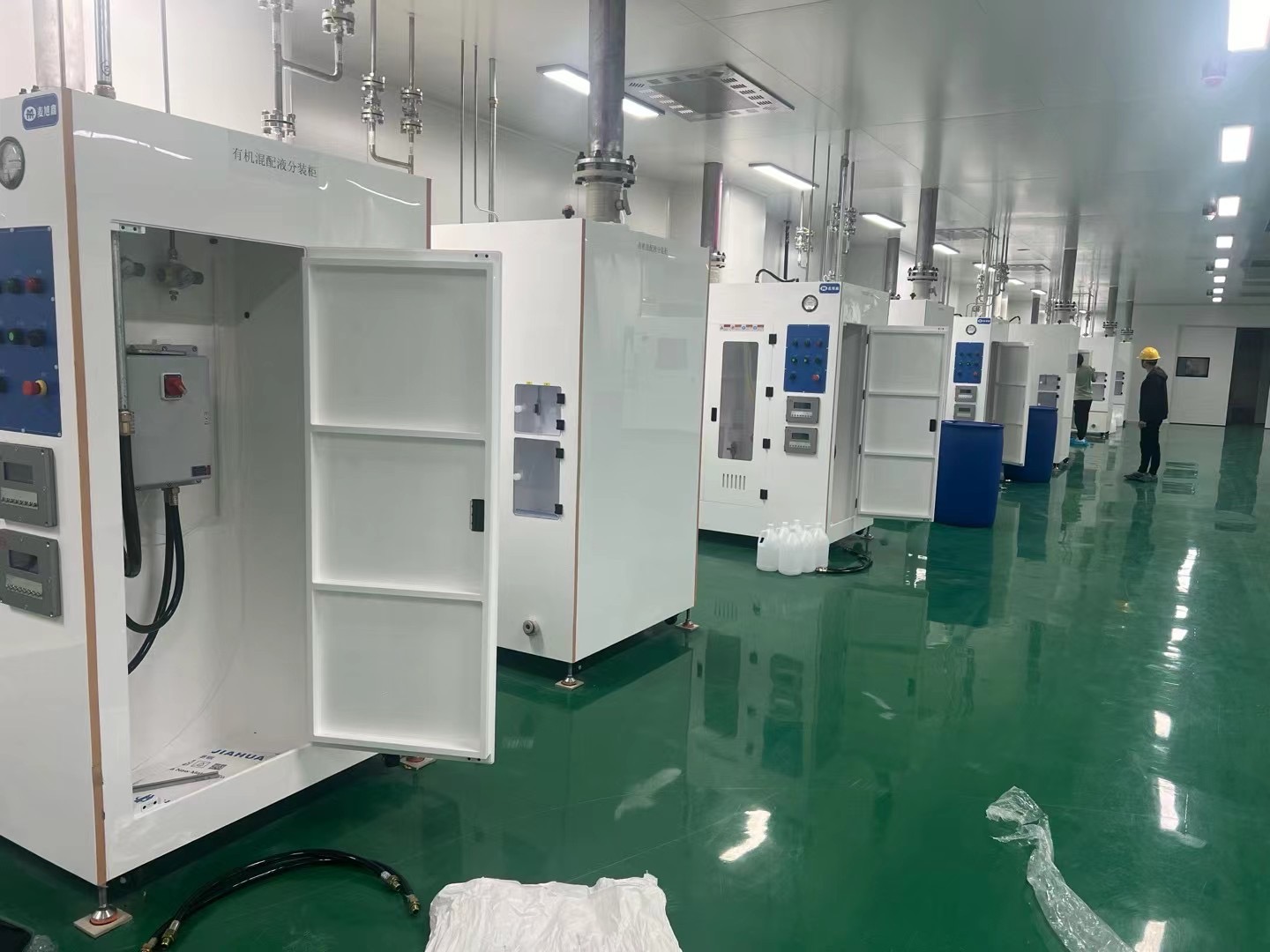
What Is an Exhaust Gas Treatment Cabinet?
An exhaust gas treatment cabinet is an enclosed equipment system designed to collect, condition, treat, and monitor hazardous process gases before they enter the facility exhaust system.
A typical system may integrate:
- Gas inlet and exhaust connections
- Scrubbing or adsorption modules
- Heating or cooling components
- Chemical-resistant piping
- Pumps, blowers, or ejectors
- Filters and demisters
- Pressure and flow sensors
- Temperature monitoring
- Gas detection systems
- Automatic valves
- PLC control systems
- Emergency shutdown functions
- Cabinet ventilation and leak containment
Depending on the process requirements, the cabinet can use one or multiple treatment technologies, including wet scrubbing, dry adsorption, thermal treatment, catalytic oxidation, condensation, filtration, or combinations of these methods.
The objective is to reduce hazardous components to acceptable levels while maintaining stable operation and minimizing pressure drop across the exhaust system.
Why Exhaust Gas Treatment Is Critical in Semiconductor Manufacturing
Semiconductor manufacturing involves numerous processes that generate complex exhaust gases. Etching, deposition, cleaning, diffusion, ion implantation, and other processes can release gases such as fluorine compounds, chlorine compounds, ammonia, volatile organic compounds, acid gases, and other hazardous substances.
For example, semiconductor etching may generate corrosive and reactive exhaust containing fluorinated or chlorine-based compounds. CVD and ALD processes may produce by-products that require specialized treatment. Chamber cleaning operations can also generate highly reactive exhaust streams.
Because semiconductor facilities operate continuously and require extremely high process reliability, exhaust gas treatment equipment must provide stable performance over long operating periods.
An advanced exhaust gas treatment cabinet helps manufacturers achieve several objectives:
- Protect personnel from hazardous exhaust gases.
- Protect facility equipment from corrosive gases and particulate contamination.
- Reduce environmental emissions before exhaust is released.
- Maintain stable facility exhaust pressure.
- Prevent cross-contamination between process exhaust streams.
- Improve process safety and reliability.
- Support automated monitoring and preventive maintenance.
For high-volume semiconductor fabs, the reliability of the exhaust treatment system can directly influence overall facility uptime.
Applications in the Chemical Industry
The chemical industry presents a different but equally demanding exhaust treatment environment. Chemical plants may handle acids, solvents, oxidizers, toxic gases, reactive chemicals, and volatile organic compounds.
Exhaust treatment cabinets can be used for:
- Chemical synthesis
- Specialty chemical production
- Pharmaceutical manufacturing
- Laboratory exhaust
- Battery material production
- Gas purification
- Chemical storage areas
- Pilot plants
- R&D facilities
- Process ventilation systems
Chemical exhaust streams can vary significantly from one application to another. Therefore, the treatment technology must be selected according to the specific contaminants.
For example, water-soluble acidic gases can often be treated effectively with wet scrubbers, while certain organic compounds may require activated carbon adsorption, catalytic oxidation, or thermal oxidation.
Major Exhaust Gas Treatment Technologies
1. Wet Scrubbing
Wet scrubbing is one of the most widely used technologies for treating acid and alkaline gases.
In a wet scrubber, contaminated exhaust gas contacts a liquid scrubbing solution. Target pollutants are absorbed into the liquid and may subsequently react with chemicals in the scrubbing solution.
Common applications include the treatment of:
- HCl
- HF
- NH₃
- SO₂
- Chlorine-containing gases
- Other water-soluble contaminants
The exhaust gas treatment cabinet may include a scrubber vessel, circulation pump, spray system, chemical dosing system, pH monitoring, demister, and control system.
Material selection is particularly important because corrosive chemicals can rapidly damage conventional components. Depending on the application, engineers may use PP, PVC, PVDF, PTFE, FRP, or corrosion-resistant metals.
2. Dry Scrubbing and Adsorption
Dry treatment systems use solid adsorbents or reactive media to capture specific contaminants.
Activated carbon, molecular sieves, metal oxides, and specially formulated chemical media can be selected for different gas compositions.
Dry scrubbers offer several advantages:
- Compact design
- No wastewater generation
- Easy modular installation
- Suitable for specific toxic gases
- Low maintenance requirements in some applications
However, adsorption capacity depends on gas concentration, humidity, temperature, and contaminant type. Therefore, accurate process characterization is necessary before selecting the media.
3. Thermal Oxidation
Thermal oxidation is commonly used to destroy combustible or reactive compounds.
The contaminated gas is heated to a high temperature, allowing target compounds to undergo oxidation reactions. Proper residence time, temperature, and mixing are essential for achieving effective destruction.
Thermal treatment can be particularly useful for certain VOCs and hazardous process by-products.
Modern systems can integrate combustion monitoring, temperature control, automatic ignition, safety interlocks, and emergency shutdown functions within the cabinet.
4. Catalytic Treatment
Catalytic systems use catalysts to promote chemical reactions at lower temperatures than conventional thermal oxidation.
This approach can reduce energy consumption while providing effective treatment for selected contaminants.
Catalyst selection depends heavily on the gas composition. Certain contaminants may poison or deactivate catalysts, so upstream filtration and gas conditioning may be necessary.
5. Condensation and Cooling
Some process exhaust streams contain condensable vapors. Cooling the exhaust below the relevant condensation temperature can allow these compounds to be removed before downstream treatment.
A treatment cabinet may therefore incorporate:
- Heat exchangers
- Cooling coils
- Condensate collection
- Temperature sensors
- Drainage systems
- Mist eliminators
Condensation can reduce the contaminant load entering downstream adsorption or scrubbing equipment and extend media life.
Key Design Features of a High-Quality Exhaust Gas Treatment Cabinet
A professional exhaust gas treatment cabinet should be designed around the actual process conditions rather than using a one-size-fits-all configuration.
Corrosion-Resistant Construction
Corrosion resistance is one of the most important design considerations.
Acidic, alkaline, halogen-containing, and other reactive gases can attack conventional materials. The cabinet, piping, valves, fittings, seals, and treatment modules must therefore be selected according to the chemical environment.
Common material choices include PP, PVC, PVDF, PTFE, FRP, and selected stainless steels.
Precise Flow and Pressure Control
Stable exhaust flow is essential for semiconductor and chemical processes.
Excessive pressure drop can interfere with process equipment, while insufficient exhaust flow can increase the risk of hazardous gas accumulation.
Pressure sensors, differential pressure transmitters, flow meters, control valves, and variable-speed blowers can be integrated into the system to maintain stable operating conditions.
Intelligent PLC Control
Modern exhaust gas treatment cabinets increasingly use PLC-based control systems.
The control system can monitor:
- Exhaust pressure
- Gas flow
- Temperature
- Scrubbing liquid level
- pH
- Pump status
- Filter differential pressure
- Gas concentration
- Treatment module status
When abnormal conditions are detected, the system can automatically trigger alarms, reduce process flow, close valves, or initiate emergency shutdown procedures.
Gas Detection and Safety Interlocks
Safety should be incorporated into the cabinet design from the beginning.
Depending on the application, sensors can monitor hazardous gas leakage or abnormal process conditions. Interlocks can prevent equipment operation when critical safety conditions are not satisfied.
For facilities handling toxic or highly reactive gases, emergency ventilation and automatic isolation functions can provide an additional layer of protection.
How to Select the Right Exhaust Gas Treatment Cabinet
Selecting the appropriate system requires detailed analysis of the process exhaust.
1. Identify the Gas Composition
The first step is to determine exactly what gases and contaminants are present.
Important parameters include:
- Gas species
- Concentration
- Toxicity
- Corrosiveness
- Flammability
- Reactivity
- Moisture content
- Particulate concentration
2. Determine Exhaust Flow Rate
The cabinet must be capable of handling the required gas flow under both normal and peak operating conditions.
Engineers should consider minimum, nominal, and maximum flow rates when selecting treatment capacity.
3. Analyze Temperature and Pressure
Temperature can affect adsorption capacity, chemical reactions, condensation, and material compatibility.
Pressure and pressure fluctuations must also be evaluated to ensure that the treatment system does not negatively affect upstream process equipment.
4. Select the Appropriate Treatment Technology
No single technology is suitable for every exhaust stream.
Wet scrubbing may be ideal for soluble acid gases, while dry adsorption may be better for specific toxic compounds. VOC-rich exhaust may require thermal or catalytic treatment.
In many cases, combining multiple technologies provides better overall performance.
5. Consider Maintenance Requirements
A treatment cabinet should be designed for easy maintenance.
Replaceable filter elements, accessible pumps, inspection ports, removable treatment media, clear alarms, and convenient drain systems can significantly reduce maintenance time.
Preventive maintenance schedules should be established based on operating hours, contaminant loading, and treatment media capacity.
Advantages of a Customized Exhaust Gas Treatment Cabinet
Customized systems provide several advantages compared with generic equipment.
A customized cabinet can be designed around the customer’s:
- Gas chemistry
- Exhaust flow
- Facility layout
- Process equipment
- Utility availability
- Emission requirements
- Automation architecture
- Maintenance strategy
For semiconductor fabs, this customization is particularly important because different process tools can produce significantly different exhaust compositions.
A modular design also allows treatment capacity to be expanded as production capacity increases.
Exhaust Gas Treatment Cabinets for Advanced Semiconductor Facilities
As semiconductor manufacturing moves toward smaller process nodes and increasingly complex process technologies, exhaust gas management is becoming more demanding.
Modern fabs require treatment systems capable of handling multiple hazardous gas categories while maintaining high uptime and predictable operating costs.
Future-generation exhaust treatment cabinets are likely to incorporate more intelligent monitoring, digital diagnostics, energy optimization, predictive maintenance, and automated treatment control.
Integration with factory automation systems can also allow facility operators to monitor equipment status, alarms, maintenance requirements, and operating data from a centralized platform.
Conclusion
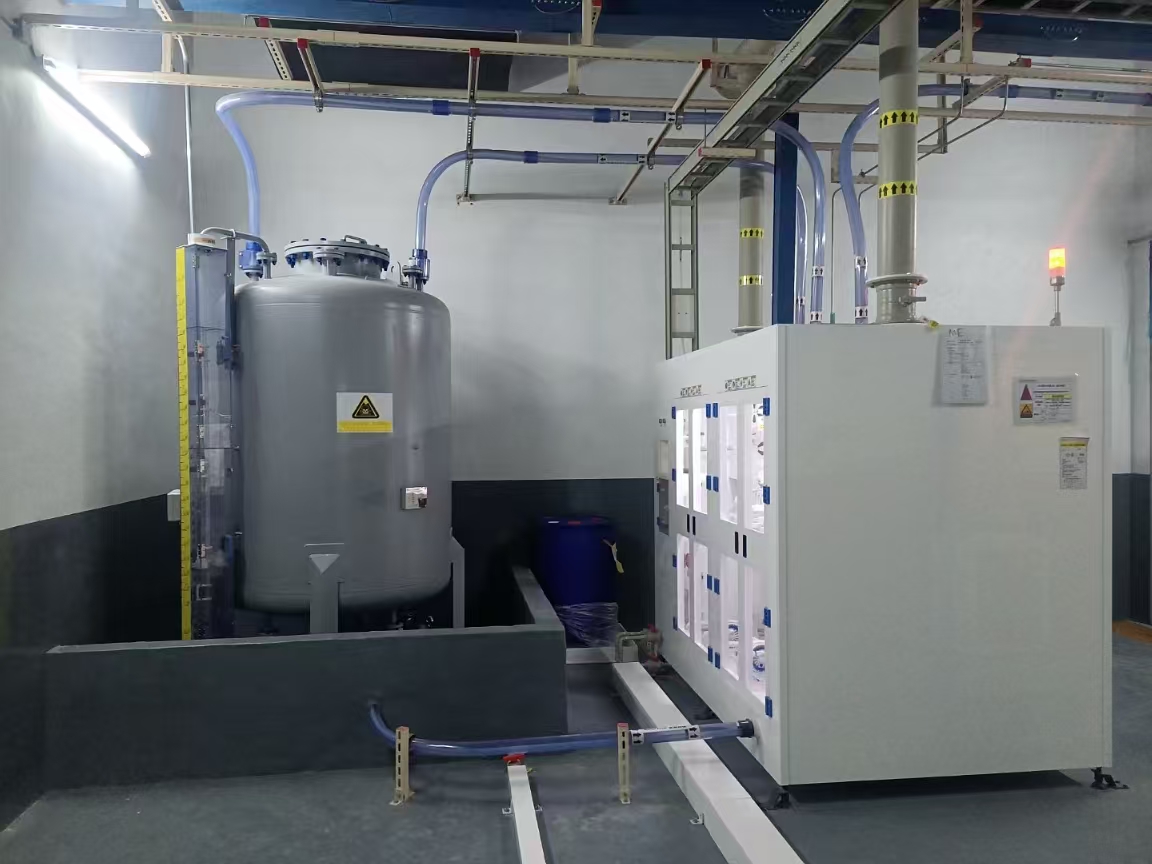
A reliable exhaust gas treatment cabinet is an essential component of modern semiconductor and chemical manufacturing facilities. By combining appropriate gas treatment technology with corrosion-resistant materials, precise pressure and flow control, intelligent PLC automation, gas monitoring, and comprehensive safety functions, manufacturers can significantly improve exhaust management.
The most suitable solution depends on the actual gas composition, flow rate, temperature, pressure, contaminant concentration, and required treatment performance. Wet scrubbers, dry adsorption, thermal oxidation, catalytic treatment, condensation, and multi-stage treatment systems each have specific advantages.
For semiconductor manufacturers, chemical producers, laboratories, and advanced industrial facilities, working with an experienced exhaust treatment system manufacturer can help ensure that the final cabinet is correctly engineered for both process requirements and long-term reliability.
A professionally designed exhaust gas treatment cabinet is not simply an exhaust filtration device. It is an integrated safety and environmental control system that helps protect people, equipment, production processes, and the environment while supporting the continuous operation of demanding industrial facilities.
For more about top exhaust gas treatment cabinets for semiconductor and chemical industries, you can pay a visit to Jewellok at https://www.specialtygasregulator.com/product-category/specialty-gas-cabinet/ for more info.
-
UHP Metal Gasket Face Seal Fittings Vacuum Coupling Metal Face Seal Join Long Gland And Short Gland
-
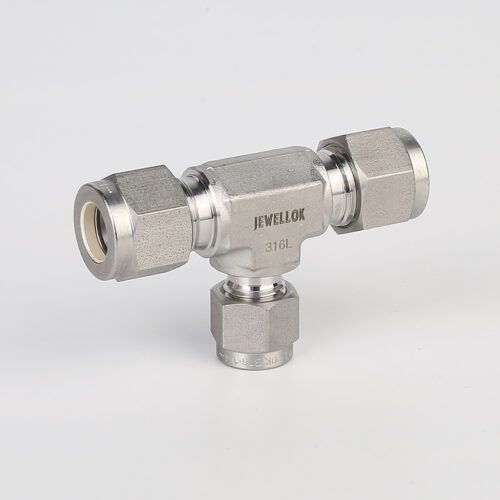
764LR Stainless Steel 316 Reducing Tee UHP Fitting Automatic Buttweld Reducing Tee
-
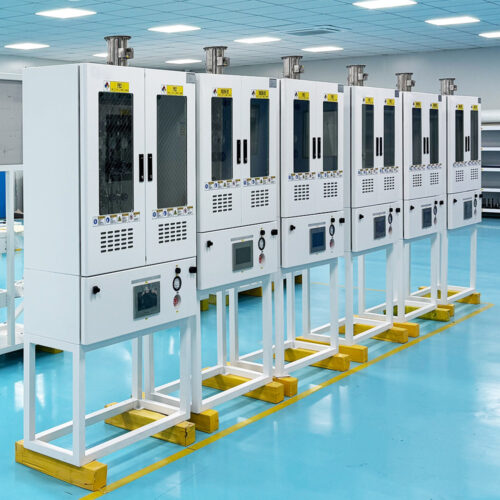
UHP Liquid Chemical Delivery Systems with Nitrogen Blanketing and Secondary Containment for Hazardous Industrial Chemical Processing
-
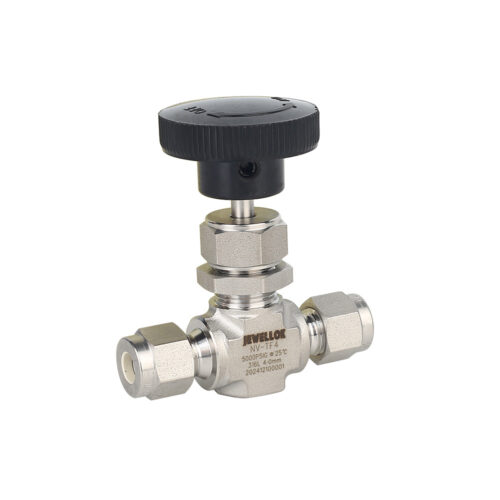
High Purity High Pressure Stainless Steel Needle Valve Natural Gas Flow Control Valve JNV Series
-
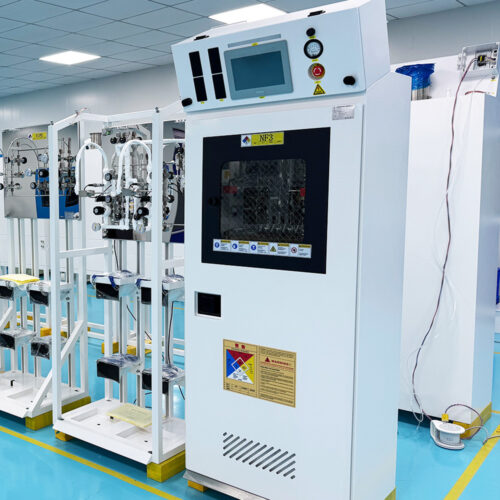
Semi Automatic Gas Cabinet Gas Panels High Purity Gas Delivery Systems JW-200-GC
-
Stainless Steel Ultra High Purity (UHP) High Pressure Manual Diaphragm Valve
-
Automatic Chemical Delivery Module (CDM) and Chemical Delivery System (CDS) for Precise Point of Use Blending and Dilution
-
High Purity Configurable Systems VMB Valve Manifold Box JW-200-VMB-C & JW-100-VMB-C