
Regulator Manufacturer Tel: +86 13380377051
Regulator Manufacturer Tel: +86 13380377051
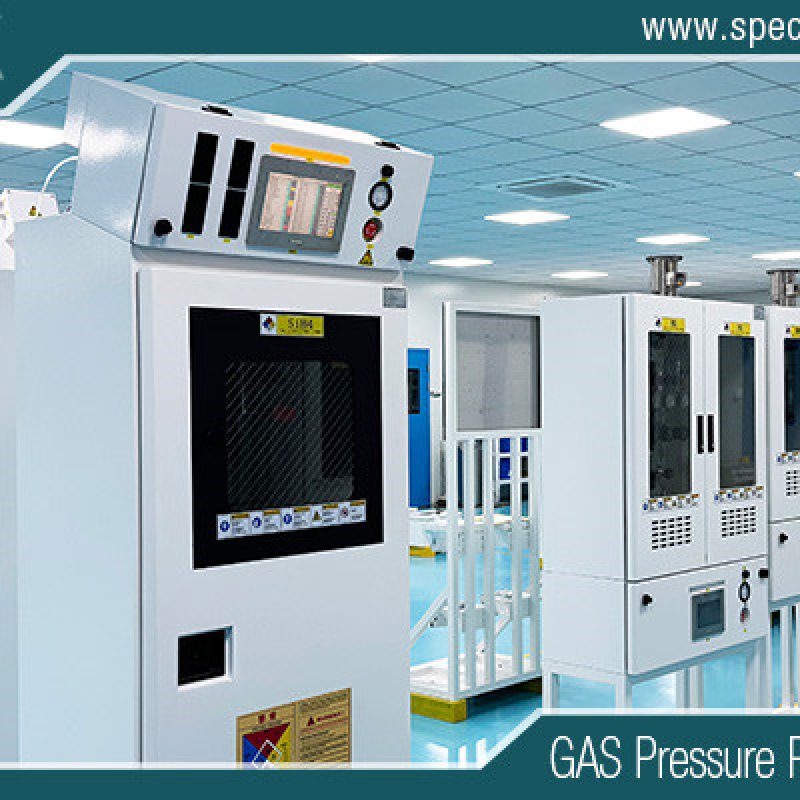
Exhaust Gas Treatment Cabinets: Key Technologies for Toxic Gas Neutralization
In modern industrial environments—especially in semiconductor manufacturing, chemical processing, pharmaceutical production, and advanced materials engineering—the management of hazardous exhaust gases has become a critical challenge. Toxic, corrosive, and reactive gases are routinely generated during processes such as chemical vapor deposition (CVD), etching, diffusion, and wet cleaning. Without proper treatment, these gases pose significant risks to human health, equipment integrity, and the environment.
Exhaust gas treatment cabinets, also known as abatement systems or scrubber cabinets, serve as the frontline solution for neutralizing and safely disposing of these harmful emissions. This article explores the key technologies behind exhaust gas treatment cabinets, focusing on their design principles, treatment mechanisms, and applications in high-tech industries.
1. Overview of Exhaust Gas Treatment Cabinets
An exhaust gas treatment cabinet is an integrated system designed to collect, process, and neutralize hazardous gases before they are released into the atmosphere. These cabinets are typically installed downstream of process equipment and connected via ducting systems. Their primary function is to ensure that exhaust gases meet environmental and safety regulations.
The complexity of these systems depends on the type of gases being treated. For example, semiconductor processes may generate a mixture of hydride gases (such as silane or phosphine), acid gases (such as hydrogen chloride), and volatile organic compounds (VOCs). Each of these requires specific treatment strategies.

2. Classification of Toxic Gases
To understand the technologies used in exhaust gas treatment, it is essential to classify the types of gases involved:
2.1 Acidic Gases
These include hydrogen chloride (HCl), hydrogen fluoride (HF), sulfur dioxide (SO₂), and nitrogen oxides (NOₓ). They are corrosive and can cause severe damage to both human tissue and equipment.
2.2 Alkaline Gases
Ammonia (NH₃) is the most common example. It is toxic and can form explosive mixtures under certain conditions.
2.3 Hydride Gases
Gases such as silane (SiH₄), phosphine (PH₃), and arsine (AsH₃) are highly toxic and often pyrophoric, meaning they can ignite spontaneously in air.
2.4 Volatile Organic Compounds (VOCs)
These include solvents and organic vapors such as acetone, isopropanol, and benzene. VOCs contribute to air pollution and may have long-term health effects.
3. Core Treatment Technologies
Exhaust gas treatment cabinets utilize a combination of physical and chemical processes to neutralize toxic gases. The most commonly used technologies include:
3.1 Wet Scrubbing Technology
Wet scrubbing is one of the most widely used methods for treating acidic and soluble gases. In this process, the exhaust gas passes through a scrubbing chamber where it comes into contact with a liquid—usually water or a chemical solution.
Key mechanisms:
- Absorption: Gas molecules dissolve into the liquid phase.
- Neutralization: Chemical reactions convert harmful gases into harmless salts.
For example, hydrogen chloride can be neutralized using an alkaline solution such as sodium hydroxide:
HCl + NaOH → NaCl + H₂O
Wet scrubbers are highly effective for acid gases and particulate matter but require proper wastewater treatment.
3.2 Dry Scrubbing Technology
Dry scrubbers use solid or powdered chemicals to react with and neutralize toxic gases. Common reagents include activated alumina, calcium hydroxide, and potassium permanganate.
Advantages:
- No liquid waste generation
- Lower maintenance requirements
- Suitable for low-flow or intermittent processes
Dry scrubbing is particularly useful for removing hydride gases and certain VOCs. However, it may have lower efficiency compared to wet systems for highly soluble gases.
3.3 Thermal Oxidation
Thermal oxidizers are used to treat combustible or organic gases. In this process, exhaust gases are heated to high temperatures (typically 700–1000°C), causing oxidation reactions that break down harmful compounds into carbon dioxide and water.
Applications:
- VOC removal
- Decomposition of toxic organic compounds
Advanced systems may include regenerative thermal oxidizers (RTOs), which improve energy efficiency by recovering heat from the exhaust stream.
3.4 Catalytic Oxidation
Catalytic oxidation operates at lower temperatures than thermal oxidation by using catalysts such as platinum or palladium. This method is energy-efficient and suitable for treating low-concentration VOCs.
Key benefits:
- Reduced energy consumption
- High conversion efficiency
- Compact system design
However, catalyst poisoning and deactivation must be carefully managed.
3.5 Plasma and Advanced Oxidation Technologies
Emerging technologies such as non-thermal plasma and advanced oxidation processes (AOPs) are gaining attention for their ability to decompose complex and persistent pollutants.
Features:
- Generation of reactive species (e.g., hydroxyl radicals)
- Rapid reaction kinetics
- Ability to treat mixed gas streams
These technologies are still developing but offer promising solutions for future applications.
4. System Design Considerations
Designing an effective exhaust gas treatment cabinet requires careful consideration of multiple factors:
4.1 Gas Composition and Flow Rate
Understanding the chemical composition and flow characteristics of the exhaust stream is essential for selecting the appropriate treatment technology.
4.2 Material Compatibility
Cabinets must be constructed from materials resistant to corrosion and chemical attack, such as stainless steel, polypropylene (PP), or polyvinylidene fluoride (PVDF).
4.3 Safety Features
Given the hazardous nature of the gases involved, safety is paramount. Key features include:
- Gas leak detection systems
- Automatic shut-off valves
- Explosion-proof design
- Emergency ventilation systems
4.4 Control and Monitoring Systems
Modern cabinets are equipped with programmable logic controllers (PLCs) and sensors to monitor parameters such as pH, temperature, pressure, and gas concentration. Real-time data ensures optimal performance and regulatory compliance.
5. Applications in Semiconductor Manufacturing
The semiconductor industry is one of the most demanding environments for exhaust gas treatment. Processes such as CVD and etching generate highly toxic and reactive gases that must be handled with precision.
Typical requirements:
- Ultra-high purity standards
- Continuous operation
- Integration with process tools
Exhaust gas treatment cabinets in this sector often combine multiple technologies—for example, a dry scrubber followed by a wet scrubber—to achieve maximum efficiency.
6. Environmental and Regulatory Compliance
Governments and environmental agencies worldwide have established strict regulations for air emissions. Exhaust gas treatment cabinets play a crucial role in ensuring compliance with standards such as:
- Maximum allowable emission limits
- Hazardous air pollutant (HAP) control
- Workplace safety guidelines
Failure to comply can result in significant penalties, production shutdowns, and reputational damage.
7. Future Trends and Innovations
As industries continue to evolve, so do the technologies for exhaust gas treatment. Key trends include:
7.1 Smart Systems and IoT Integration
The integration of Internet of Things (IoT) technologies enables predictive maintenance, remote monitoring, and data-driven optimization.
7.2 Modular and Compact Designs
Space constraints in modern facilities are driving the development of smaller, modular systems that can be easily integrated and expanded.
7.3 Energy Efficiency
New designs focus on reducing energy consumption through heat recovery and optimized process control.
7.4 Sustainable Solutions
There is increasing emphasis on minimizing secondary pollution, such as wastewater and solid waste, through closed-loop systems and recyclable materials.
8. Conclusion
Exhaust gas treatment cabinets are indispensable in industries that handle hazardous gases. By employing a combination of wet scrubbing, dry scrubbing, oxidation, and advanced technologies, these systems effectively neutralize toxic emissions and protect both people and the environment.
As regulatory requirements become more stringent and industrial processes more complex, the importance of robust and efficient exhaust gas treatment solutions will continue to grow. Ongoing innovation in materials, control systems, and treatment methods will further enhance the performance and sustainability of these critical systems.
In summary, exhaust gas treatment cabinets are not merely auxiliary equipment—they are a cornerstone of modern industrial safety and environmental stewardship.
For more about exhaust gas treatment cabinets: key technologies for toxic gas neutralization, you can pay a visit to Jewellok at https://www.specialtygasregulator.com/product-category/uhp-liquid-delivery-system/ for more info.
-
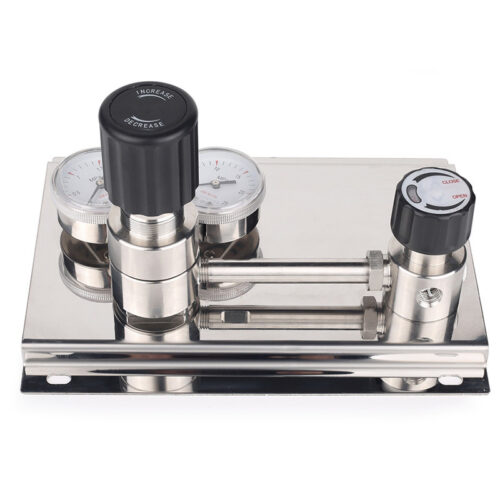
Stainless Steel Fully Automatic Gas Switchover Manifold System Automatic Gas Cylinder Switchover Co2 Cylinder Auto Changeover Controller
-
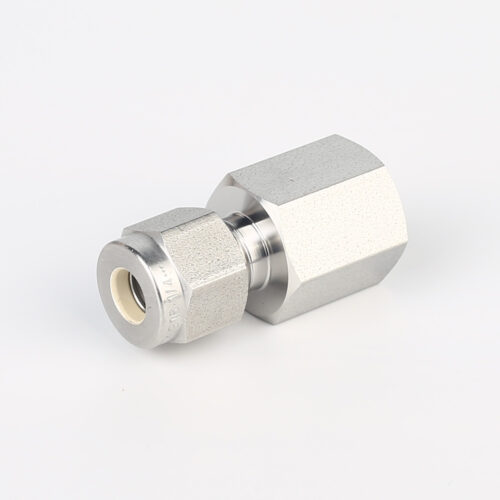
766L High Purity Female Connector UHP Fitting Female Connector
-
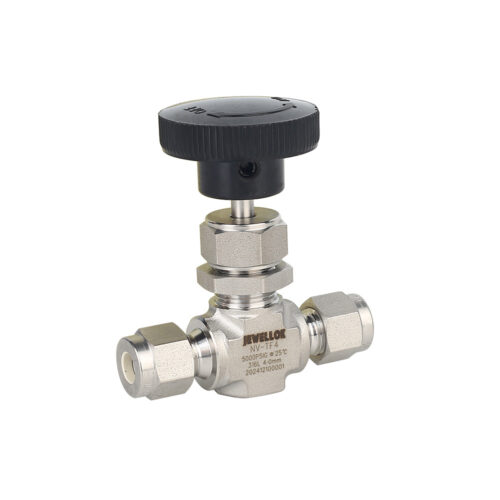
High Purity High Pressure Stainless Steel Needle Valve Natural Gas Flow Control Valve JNV Series
-
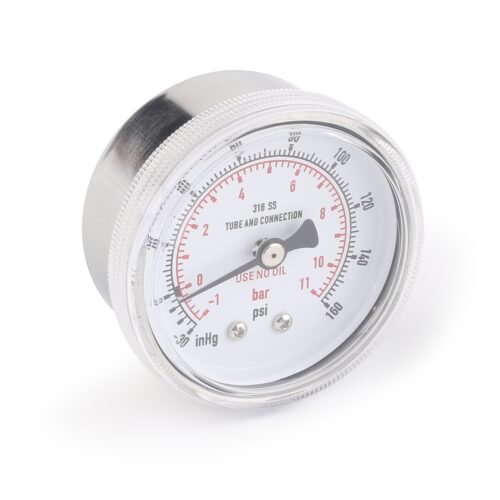
Ultra High Purity Pressure Gauge For Laboratory And Semiconductor JR Series
-
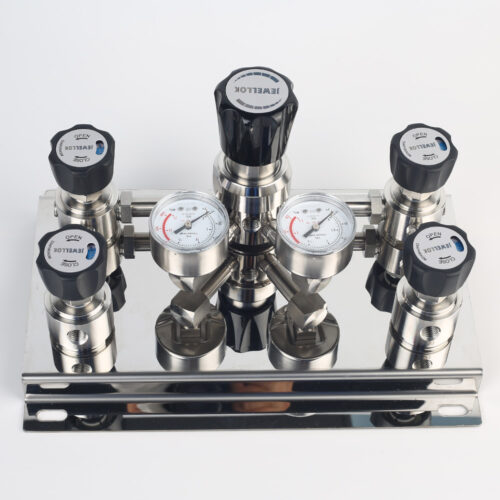
Single Stage Wall And Cabinet Mounting Pressure Control Panels JSP-2E Series For High Purity Gases
-
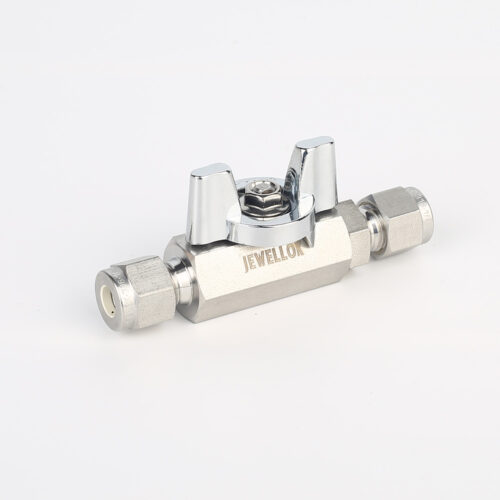
Stainless Steel High-Purity High Temperature Metal Seated Ball Valves JBV3 Series
-
767LT Reducer Pressure Reducing Valve Adjustment High purity Pressure Reducing Union Fittings And Tubing
-
770L Female Elbow | Stainless Steel High Purity Weld Fittings Female Micro Elbow Fittings