
Regulator Manufacturer Tel: +86 13380377051
Regulator Manufacturer Tel: +86 13380377051
How a Multiple Propane Tank Manifold Works: Complete Guide to Design, Operation, and Safety
A multiple propane tank manifold is a gas distribution system designed to connect several propane cylinders or tanks to a common supply line. Instead of relying on a single propane tank, a manifold system allows multiple tanks to work together, providing a more stable and continuous propane supply for residential, commercial, industrial, and specialized applications.
Multiple propane tank manifolds are particularly useful when gas demand is too high for one tank, when uninterrupted operation is important, or when operators need a convenient way to switch between propane sources. Understanding how the system works is essential for selecting the correct components, improving operational reliability, and maintaining safe propane distribution.

What Is a Multiple Propane Tank Manifold?
A multiple propane tank manifold is an assembly of pipes, valves, regulators, connectors, and safety devices that connects two or more propane tanks to a common gas outlet.
The basic concept is simple: each propane tank supplies gas through an individual connection, and the manifold combines these individual gas streams into a common downstream supply.
A typical system may include:
- Multiple propane tank connections
- Individual isolation valves
- Flexible or rigid connecting hoses
- A manifold header
- Pressure regulators
- Check valves or non-return valves
- Pressure gauges
- Safety relief devices
- Automatic changeover equipment
- A common outlet connection
- Mounting brackets or a protective enclosure
The exact configuration depends on the number of tanks, required flow rate, operating pressure, installation environment, and applicable safety standards.
The manifold does not simply “merge” tanks together without control. Properly designed systems use valves, regulators, and other components to control pressure and gas flow between the tanks and the downstream equipment.
Why Use Multiple Propane Tanks?
A single propane tank may not provide sufficient gas capacity or vaporization performance for a high-demand application. Connecting multiple tanks provides several important advantages.
Higher Gas Supply Capacity
Multiple tanks increase the total available propane inventory. For example, connecting four appropriately sized propane cylinders can provide substantially more total storage capacity than one cylinder.
This can be useful for:
- Industrial heating
- Commercial kitchens
- Construction equipment
- Temporary heating systems
- Manufacturing processes
- Backup fuel systems
- Generators
- Agricultural applications
Continuous Gas Supply
One of the biggest advantages of a manifold system is the possibility of maintaining gas service while one group of tanks is being replaced or serviced.
An automatic changeover manifold can switch from an empty or depleted supply bank to a reserve bank without requiring the entire system to be manually shut down.
This feature is especially valuable for applications where interruption of propane supply could affect production, heating, or other critical operations.
Better Operational Flexibility
A manifold allows operators to configure the propane supply according to actual demand. Additional tanks can be added when higher capacity is required, provided the system is properly engineered and components are correctly sized.
How Does a Multiple Propane Tank Manifold Work?
The operating principle can be understood as a sequence of gas-flow stages.
Step 1: Propane Is Stored in Individual Tanks
Propane is stored as a liquefied petroleum gas (LPG) under pressure inside each tank. When propane is withdrawn, liquid propane vaporizes inside the tank to replace the gas removed from the vapor space.
The ability of a tank to supply gas depends on factors such as tank size, propane temperature, liquid level, and withdrawal rate.
This is an important consideration because simply adding tanks does not automatically solve every high-flow problem. The total system must be designed to provide adequate vaporization capacity.
Step 2: Each Tank Connects to the Manifold
Each propane tank is connected to an individual branch of the manifold.
The connection normally incorporates appropriate valves and connectors so that individual tanks can be isolated when necessary.
For example, if one tank needs to be replaced, its branch can be isolated while the other tanks continue supplying the system, depending on the manifold configuration.
Step 3: Gas Passes Through Control Components
After leaving each tank, propane passes through components that regulate or control the gas supply.
A typical system may use isolation valves to control individual tank connections and check valves to reduce the possibility of unwanted reverse gas flow.
In more advanced systems, automatic changeover regulators monitor the supply pressure and manage the transition between the primary and reserve tank banks.
Step 4: The Manifold Combines the Supply
The individual branches connect to a common manifold header.
The header provides a shared gas pathway toward the downstream regulator or gas distribution system.
The manifold must have adequate internal flow capacity. If the header, valves, connectors, or regulators are undersized, pressure drop can become excessive and the system may not deliver the required gas flow.
Step 5: Pressure Is Reduced and Controlled
Propane tanks contain gas at a pressure that is generally much higher than the pressure required by most appliances and gas-consuming equipment.
A regulator reduces and controls the pressure to a suitable downstream level.
Depending on the application, a system may use single-stage or two-stage regulation. Two-stage regulation can provide more stable downstream pressure and can be advantageous in larger propane distribution systems.
The regulator should be selected according to inlet pressure range, required outlet pressure, flow capacity, temperature conditions, and the characteristics of the downstream equipment.
Step 6: Propane Flows to the End User
After pressure regulation, propane flows through the downstream piping toward the point of use.
The end equipment could be a heater, burner, generator, industrial furnace, cooking appliance, or other propane-consuming system.
A properly designed manifold provides the required gas flow while maintaining appropriate operating pressure throughout the system.
Manual vs. Automatic Propane Manifolds
Multiple propane tank manifolds can generally be divided into manual and automatic configurations.
Manual Manifold
A manual manifold requires the operator to control valves and change the active tank supply manually.
When the operating tanks become depleted, the operator isolates them and opens the valves connected to the replacement tanks.
Manual systems are relatively straightforward and may be suitable for smaller or less critical applications.
However, the operator must monitor the system and perform the changeover correctly.
Automatic Changeover Manifold
An automatic propane changeover manifold uses a regulator or changeover device to manage two tank groups, commonly referred to as the primary and reserve sides.
During normal operation, propane is drawn from the primary bank. When the primary supply pressure falls below a predetermined level, the changeover mechanism shifts the supply to the reserve bank.
The operator can then replace or refill the depleted primary tanks while the system continues receiving propane from the reserve side.
This arrangement reduces downtime and improves convenience.
Understanding Primary and Reserve Tank Banks
A common automatic configuration divides the propane supply into two banks.
The primary bank supplies propane during normal operation, while the reserve bank remains available as backup.
For example, a system might have four tanks on the primary side and four tanks on the reserve side.
When the primary bank becomes depleted, the changeover regulator transfers the supply to the reserve bank. The operator can then replace the empty tanks on the primary side.
Once the replacement tanks are connected and ready, the system can be reset so that the newly filled bank becomes the primary supply.
This operating principle is one of the main reasons automatic manifold systems are widely used in applications requiring reliable propane availability.
Key Components of a Multiple Propane Tank Manifold
The performance of a manifold depends heavily on the correct selection and integration of its components.
Manifold Header
The header connects multiple tank branches to a common outlet. It must be designed for the expected pressure, flow rate, temperature, propane service, and installation environment.
Isolation Valves
Isolation valves allow individual tanks or sections of the manifold to be shut off for maintenance or replacement.
Regulators
Regulators reduce propane pressure and maintain a controlled downstream pressure.
For larger systems, multiple regulation stages may be used to improve pressure stability.
Check Valves
Check valves can help prevent reverse gas flow between connected branches. Their use and configuration should be determined by the system design and applicable standards.
Pressure Gauges
Pressure gauges provide visual information about supply pressure and can help operators monitor system conditions.
Flexible Connections
Approved flexible hoses or connectors may be used between propane tanks and the manifold. These components must be compatible with propane service and correctly rated for the intended pressure and environmental conditions.
Safety Devices
Depending on the system, safety devices may include pressure relief devices, excess-flow protection, thermal protection, and other protective components.
The specific safety configuration should follow applicable codes, standards, and engineering requirements.
How to Size a Multiple Propane Tank Manifold
Correct sizing is one of the most important aspects of manifold design.
The system should not be selected simply by counting the number of tanks.
Important parameters include:
1. Total gas consumption: Determine the maximum propane demand of all connected equipment.
2. Required operating pressure: Identify the inlet and outlet pressure requirements of the system.
3. Flow capacity: Select valves, regulators, headers, hoses, and fittings capable of handling the required flow.
4. Tank capacity: Consider both total propane storage and the vaporization capacity of the individual tanks.
5. Temperature: Low temperatures can reduce propane vaporization performance and affect available gas capacity.
6. Pressure drop: Calculate pressure losses through hoses, valves, regulators, and piping.
7. Future demand: If gas consumption may increase, the manifold should be evaluated for future capacity.
A qualified gas-system designer should verify the complete installation rather than relying solely on nominal pipe or connection sizes.
Common Applications
Multiple propane tank manifolds are used in many different environments.
Commercial and Industrial Heating
Large heaters may require a continuous propane supply that cannot be reliably supported by a single cylinder.
Commercial Kitchens
Restaurants and food-service facilities may use multiple propane cylinders to support cooking equipment and reduce the frequency of manual tank changes.
Construction Sites
Temporary heating equipment and other construction applications can benefit from portable multi-cylinder propane systems.
Generators
Propane-powered generators may require a dependable fuel supply, particularly when used as backup power equipment.
Agricultural Applications
Propane is commonly used for agricultural heating, crop drying, and other farm operations where higher-volume fuel supply may be necessary.
Safety and Maintenance Considerations
Propane is a flammable gas, so manifold systems require careful design, installation, inspection, and maintenance.
Operators should use components specifically approved for propane or LPG service and follow the requirements of the applicable local codes and standards.
Regular inspection should include checking connections, hoses, valves, regulators, mounting arrangements, and visible signs of damage or deterioration.
The system should also be protected from mechanical damage, excessive heat, unauthorized access, and unsuitable environmental conditions.
Any suspected gas leak or abnormal system condition should be handled by qualified personnel according to established emergency procedures.
It is also important to avoid making unauthorized modifications to the manifold. Changing regulators, valves, piping, or tank connections can alter system pressure and flow characteristics.
Multiple Propane Tank Manifold vs. Single-Tank Setup
The key difference is operational capacity and redundancy.
A single-tank system is simple and may be appropriate for low-demand applications. However, when the tank becomes empty, the gas supply may stop until the tank is replaced or refilled.
A multiple propane tank manifold can provide greater total capacity and, when equipped with automatic changeover functionality, can maintain gas service while one tank bank is being serviced.
Therefore, the choice depends on gas demand, required operating continuity, installation conditions, available space, and applicable regulations.
Conclusion
A multiple propane tank manifold provides a controlled method for connecting several propane tanks to a common gas supply system. Individual tank connections feed into a manifold header, while valves, regulators, check valves, gauges, and safety components control and protect the gas distribution process.
For higher-demand applications, an automatic changeover manifold can provide an additional advantage by switching between primary and reserve propane supplies. This can reduce service interruptions and simplify tank replacement.
However, reliable performance depends on proper system engineering. Tank capacity, vaporization rate, pressure, flow demand, pressure drop, regulator capacity, piping configuration, and safety requirements must all be considered together.
For industrial and commercial users, selecting a properly engineered multiple propane tank manifold system can improve fuel availability, operational flexibility, and overall gas-supply reliability. The best manifold is not simply the one with the most tank connections—it is the system correctly matched to the application’s gas demand, operating pressure, environment, and safety requirements.
For more about how a multiple propane tank manifold works: complete guide to design, operation, and safety, you can pay a visit to Jewellok at https://www.specialtygasregulator.com/product-category/specialty-gas-cabinet/ for more info.
-
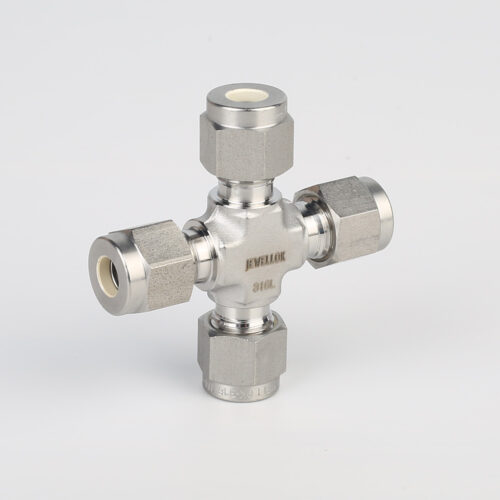
7102L Stainless Steel 316L SS Union Cross Ultra High Purity Long Arm Union Elbow Tee Cross Butt Weld Fittings
-
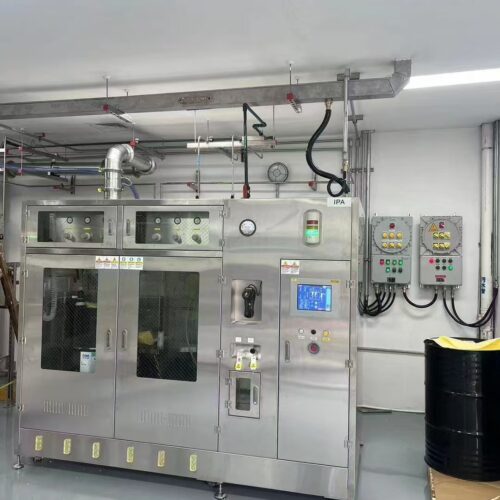
Ultra High Purity CDS Solutions Featuring 316L Electropolished Stainless Steel for Superior Chemical Integrity and Safety
-
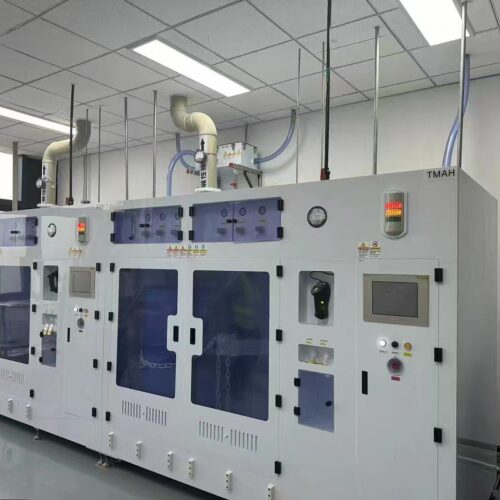
Liquid Bulk Chemical Delivery System with Automatic Chemical Dispense Unit (CDU) Featuring 316L Electropolished Stainless Steel Piping Components
-
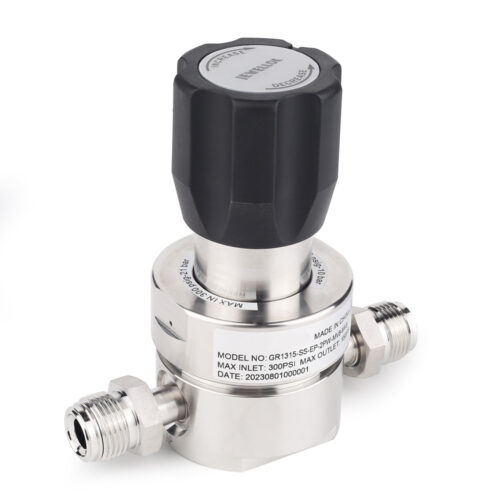
JR1300 Series Ultra High Purity Single Stage Regulator High Flow Line Regulator For Ultra High Purity Intermediate Flow
-
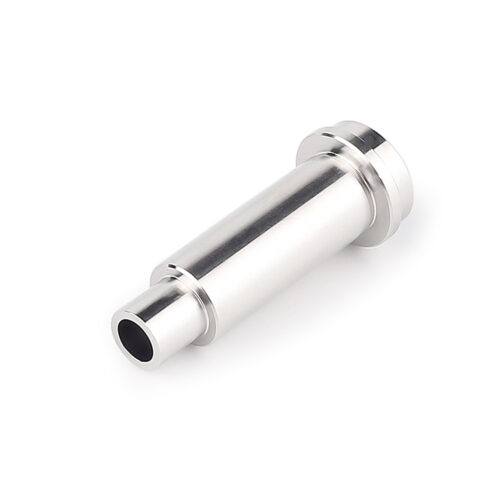
UHP Metal Gasket Face Seal Fittings Vacuum Coupling Metal Face Seal Join Long Gland And Short Gland
-
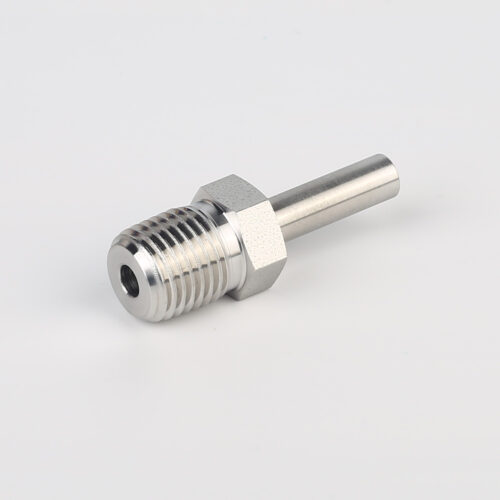
739 High Purity LMR Male Adapter Tube To Pipe Fittings And Adapters
-
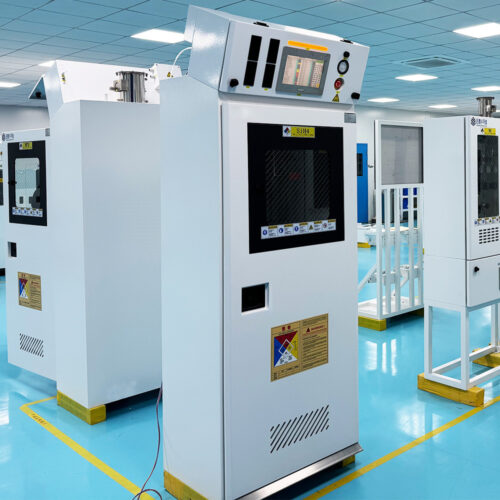
Advanced Bulk Specialty Gas Systems BSGS Gas Cabinet for Safe Handling of Toxic and Flammable Process Gases
-
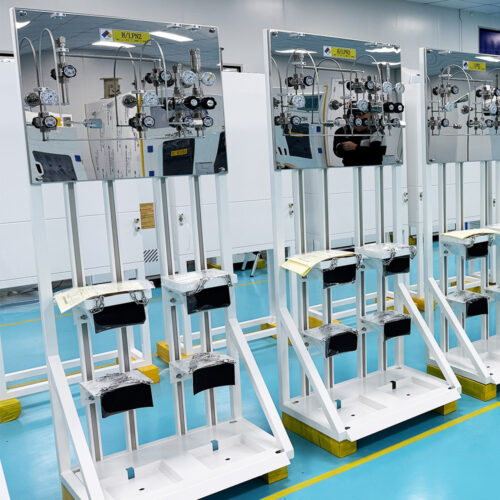
Semi-Automatic VMB Gas Cabinet Gas Changeover Manifold With Semiconductor Valve Manifold Box Diaphragm Valves And Gas Pressure Regulators