
Regulator Manufacturer Tel: +86 13380377051
Regulator Manufacturer Tel: +86 13380377051
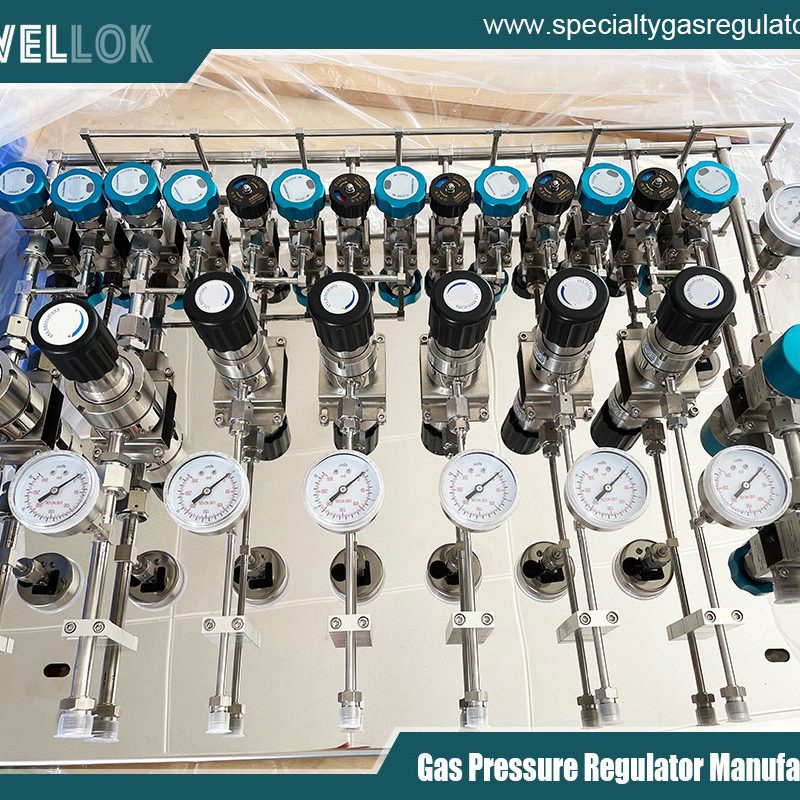
In-Depth Analysis of Valve Manifold Box System Design and Considerations
Valve manifold box(VMB) systems are critical yet often underappreciated components in industrial process control, serving as the organized interface between process lines and instrumentation. These compact assemblies consolidate isolation, venting, calibration, and equalization functions for pressure, level, and flow transmitters. Their design directly impacts measurement accuracy, operational safety, maintenance efficiency, and system longevity. This article explores the multifaceted design considerations for valve manifold box systems, encompassing functional requirements, material selection, safety standards, ergonomics, and integration with modern digital ecosystems.

- The Nerve Centers of Measurement
In complex industrial facilities—from oil refineries and chemical plants to power generation and pharmaceutical production—accurate process variable measurement is non-negotiable. Pressure, differential pressure (DP), and flow transmitters are the eyes of the process. The valve manifold box (often called a manifold, or specifically a 2-valve, 3-valve, or 5-valve manifold) is the crucial intermediary that connects these instruments to the process. It allows for isolation from process fluids, venting, calibration, and zeroing without requiring a full system shutdown.
A poorly designed manifold system can introduce leaks, create measurement errors through trapped gases or liquids, complicate maintenance, and pose significant safety hazards. Therefore, its design is a systems engineering challenge that balances fluid dynamics, mechanical integrity, human factors, and environmental resilience.
- Core Functional Design Considerations
2.1. Valve Configuration and Functionality
The choice of valve configuration is the primary functional decision.
- 2-Valve Manifolds: Used primarily for gauge pressure measurement. They provide simple isolation of the instrument from the process.
- 3-Valve Manifolds: The standard for differential pressure measurement for level or flow. The configuration (typically two block valves and one equalizing valve) allows for isolation of both high and low sides and equalization of pressure across the transmitter for zero-checking and safe maintenance.
- 5-Valve Manifolds: Used for more critical DP applications or where online calibration is required. They add two vent/calibrate valves (one on each side), permitting the introduction of a calibration pressure source and venting of the manifold legs independently.
Design Imperative: The internal porting must ensure smooth, pocket-free flow paths to prevent entrapment of process media, which can cause measurement drift or corrosion. The equalizing valve must provide a robust, leak-tight seal when closed and a full-bore path when open to ensure accurate equalization.
2.2. Material Selection and Compatibility
Material choice is dictated by the process, environment, and required pressure rating.
- Body Material: Common materials include carbon steel (for non-corrosive services like oil and gas), stainless steel (SS304/SS316 for general chemical resistance), alloy steels (for high-temperature, high-pressure steam), and exotic alloys (Hastelloy, Monel) for highly corrosive or ultra-pure applications (e.g., pharmaceuticals, offshore sour gas).
- Trim and Seals: Stem tips, balls, and seats must be selected for wear resistance and compatibility. Stellite or tungsten carbide coatings are common for abrasive services. Seal materials like PTFE, Grafoil, or elastomers (Viton, EPDM) must be chosen based on temperature and chemical compatibility.
- Gasket and Bolt Materials: Must follow the same compatibility and thermal expansion principles as the body to ensure a leak-free seal across operating temperature cycles.
2.3. Pressure and Temperature Ratings
The manifold must be rated for the maximum allowable working pressure (MAWP) and temperature of the service, with an appropriate safety factor. Design must account for:
- Pressure Surges/Water Hammer: Valves and bodies should withstand potential system shocks.
- Thermal Cycling: Repeated heating and cooling can cause fatigue, gasket relaxation, and bolt stress. Materials and design (e.g., guided stems, flexible seal designs) must compensate.
- Block and Bleed Capability: The manifold assembly itself should be designed to hold pressure and allow safe venting between the block valves, a key safety function.
- Safety and Integrity: The Paramount Priority
3.1. Leak Prevention and Containment
The primary safety function is containment.
- Seal Welding vs. Threaded Connections: For toxic, flammable, or lethal service, seal-welded connections are often mandated to eliminate potential leak paths at thread interfaces. Threaded connections with appropriate sealants may be acceptable for less hazardous services.
- Integral vs. Modular Design: Traditional modular manifolds bolt individual valves onto a common header. Modern integral manifolds are machined from a single block of metal, eliminating numerous potential leak points (gaskets, studs, nuts) at the valve body interface. This is a major advancement in safety-critical design.
- Emissions Compliance: For services regulated by fugitive emission standards (EPA, TA-Luft), manifolds must employ low-emission (Low-E) packings, bellows seals, or diaphragm seals to minimize VOC leakage from valve stems.
3.2. Pressure Safety and Relief
In closed systems, especially on liquid service, thermal expansion can create dangerously high pressures.
- Thermal Relief Valves: Manifolds isolating liquid-filled lines must incorporate or be designed to accommodate a thermal relief valve to prevent over-pressurization and rupture.
- Venting and Drainage: Vent and drain valves must be sized and located to allow safe, controlled de-pressurization and fluid removal, directing effluents to a safe location.
3.3. Labeling and Identification
Clear, permanent labeling per ANSI/ISA or ISO standards is a safety requirement. This includes:
- Service identification (e.g., “Boiler Feedwater Flow”).
- Line designation and P&ID number.
- Valve function (HI BLOCK, LO EQ, VENT).
- Flow direction arrows.
- Human Factors and Maintenance
A manifold that cannot be operated or maintained safely is a design failure.
4.1. Ergonomic Operation
- Handwheel/Operator Design: Handwheels should be sized for the required torque, with clear open/close indicators. In cold climates, they must be operable with gloves. Extended stems or chainwheel operators may be needed for elevated or hard-to-reach locations.
- Access and Clearance: Ample space must be provided around the manifold for a technician to use tools, attach calibration equipment, and operate valves safely, even while wearing personal protective equipment (PPE).
4.2. Maintenance-Friendly Design
- In-Service Testing: Can the manifold valves be function-tested or leak-checked while online?
- Calibration Access: The design must provide unambiguous, easy access points for connecting calibration equipment. Quick-connect fittings or dedicated calibration block valves improve efficiency and reduce error.
- Component Replaceability: Can stem packing be replaced under pressure? Can a single valve be replaced without removing the entire assembly from the pipe rack? Modular designs often score higher here, though integral designs mitigate the need for such repairs.
- System Integration and Advanced Considerations
5.1. Integration with Instrumentation
The manifold is not an island. Its design must integrate seamlessly with:
- Transmitters: Direct-mount vs. remote-mount. Direct mounting (where the manifold is bolted directly to the transmitter) minimizes volume, reduces potential leak points, and improves response time but increases weight on the connection.
- Impulse Lines: The manifold is the terminus of the impulse lines. Its design should promote good piping practice—minimizing dead legs, ensuring self-draining (for liquid) or self-venting (for gas) orientation to prevent measurement errors.
5.2. The Digital and IIoT Era
Valve manifolds are entering the digital landscape.
- Smart Manifolds: Incorporating microswitches or proximity sensors on valve stems to provide valve position indication (VPI) back to the control system. This confirms “as-built” status for safety interlocks and provides data for predictive maintenance.
- Integrated Sensing: Future designs may include embedded pressure or temperature sensors within the manifold block itself for diagnostic purposes.
- Data for Predictive Maintenance: Monitoring the number of cycles and torque required to operate valves can predict packing wear or seizure before failure.
5.3. Specialized Service Designs
- Sanitary Manifolds: For food, beverage, and biopharma, designs feature crevice-free polished surfaces, clamp connections, and steam sterilization (SIP) capability.
- Subsea Manifolds: For offshore applications, materials must resist seawater corrosion, and designs must account for hyperbaric conditions and remote operation.
- Cryogenic Service: Requires extended stems to keep packing at ambient temperature, plus materials suitable for extreme cold without embrittlement.
Table 1: Valve Manifold Selection Checklist
| Category | Key Questions |
| Process | What is the fluid? (Corrosive, toxic, flammable, viscous, abrasive?) What are the max/min pressure and temperature? Is it liquid, gas, or slurry? |
| Function | Gauge pressure or DP? Is online calibration required? Is thermal relief needed? |
| Safety | What is the fluid hazard classification? Are seal welds required? What fugitive emission standard applies? |
| Materials | Are wetted materials compatible? What are the ambient conditions (coastal, C1-D2 hazardous area)? |
| Operation | Is the location accessible? Is remote operation needed? What is the required cycle life? |
| Maintenance | Can packing be adjusted under pressure? Are special tools required? How is calibration performed? |
| Integration | Direct-mount or remote? What is the connection standard (NPT, ANSI flange, ISO taper)? Is digital feedback (VPI) required? |

- Conclusion
Designing a valve manifold box system transcends the simple selection of valves and pipes. It is a holistic exercise in risk management, human-centered design, and lifecycle optimization. The modern trend is toward safer, more reliable integral block designs with enhanced materials and smart capabilities.
The optimal manifold design is one that disappears into reliable, silent operation—providing accurate data to the control system, enabling safe and efficient maintenance, and containing the process fluid absolutely. It requires the designer to simultaneously be a metallurgist, a safety engineer, a fluid dynamicist, and a ergonomics expert. By rigorously addressing the considerations outlined—from core functionality and material compatibility to safety integrity, maintenance access, and digital integration—engineers can specify and design manifold systems that form the robust, reliable, and intelligent nexus between the turbulent world of the process and the precise demands of modern instrumentation and control.
For more about in-depth analysis of valve manifold box system design and considerations, you can pay a visit to Jewellok at https://www.specialtygasregulator.com/product-category/specialty-gas-cabinet/ for more info.
-
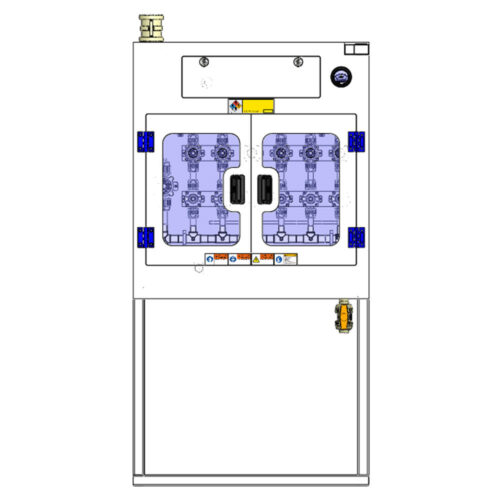
High Purity Configurable Systems VMB Valve Manifold Box JW-200-VMB-C & JW-100-VMB-C
-
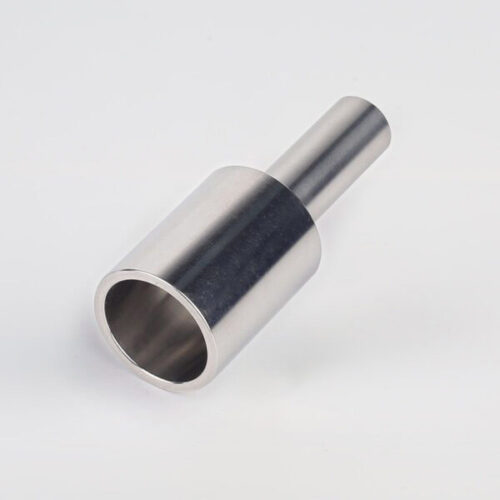
316L Stainless Steel Tube Butt Weld Reducing Fittings Union Reducer RW Series Ultrahigh Purity Process
-
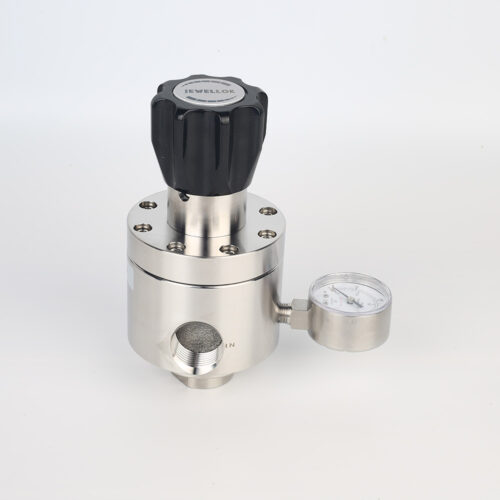
Low Pressure High Flow Line Pressure Regulators And Control Valves JSR-4L Series For Laboratory Pressure Control
-

Semi Automatic Gas Changeover Manifold System Manual Changeover Manifold Panel Single Stage Automatic Switchover Board
-
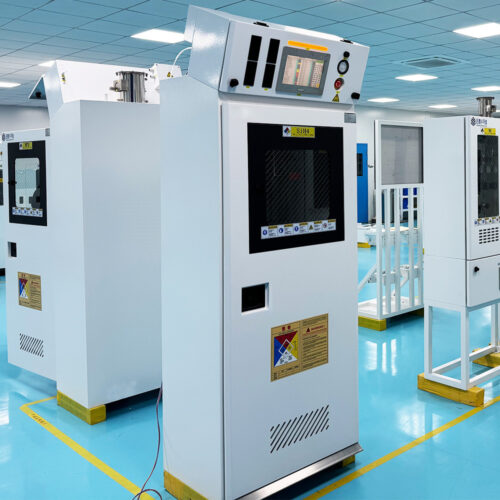
High-Efficiency Exhaust Gas Scrubber System for Semiconductor and Photovoltaic Hazardous Gas Abatement Solutions
-
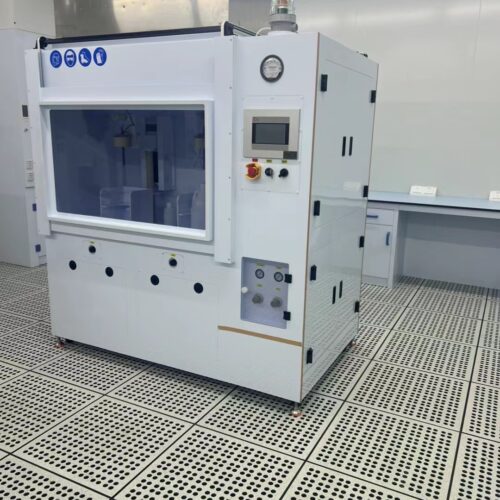
Custom VMB Valve Manifold Boxes for Enhanced Tool Isolation and Maximum Uptime in Complex Chemical Distribution Networks
-
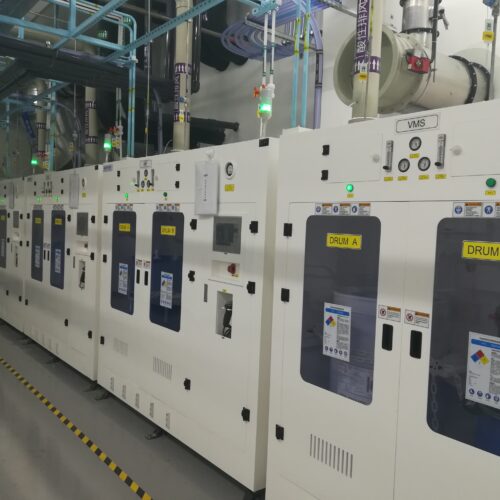
High Purity Liquid Chemical Delivery Systems Designed for Sub Micron Semiconductor Production
-
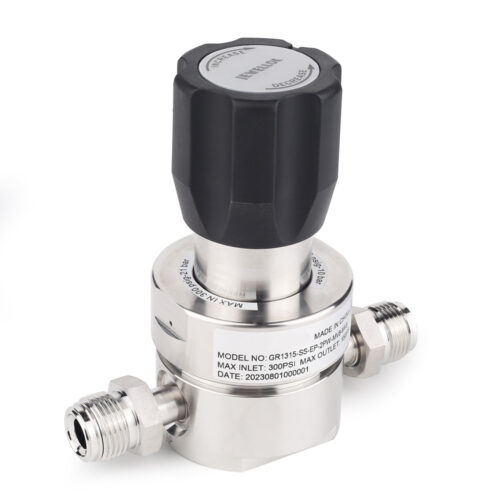
JR1300 Series Ultra High Purity Single Stage Regulator High Flow Line Regulator For Ultra High Purity Intermediate Flow