
Regulator Manufacturer Tel: +86 13380377051
Regulator Manufacturer Tel: +86 13380377051
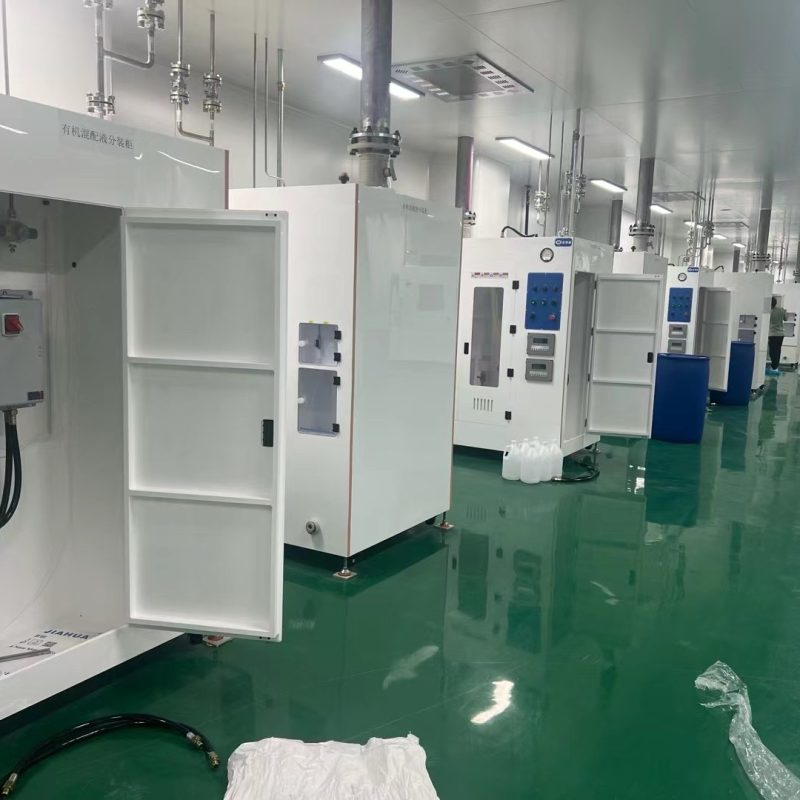
How Often Should a Laboratory Gas Scrubber System Be Inspected and Maintained?
Introduction
A laboratory gas scrubber system is an essential component of laboratory exhaust treatment and environmental protection. It removes or reduces hazardous gases, corrosive vapors, acidic fumes, and other chemical contaminants before exhaust air is discharged into the environment. These systems are widely used in chemical laboratories, semiconductor manufacturing facilities, pharmaceutical research centers, universities, and industrial testing laboratories.
However, even a properly designed laboratory gas scrubber can gradually lose its treatment efficiency because of chemical depletion, nozzle blockage, packing contamination, corrosion, pump wear, and instrumentation failures. Without regular inspection and maintenance, these problems may lead to hazardous gas emissions, equipment breakdowns, increased operating costs, and potential environmental compliance issues.
How often should a laboratory gas scrubber system be inspected and maintained? The answer depends on the scrubber type, the chemicals being treated, operating hours, gas concentrations, and the manufacturer’s recommendations. Applicable environmental permits and safety requirements may also establish specific inspection and monitoring obligations.
This article explains recommended inspection intervals, essential maintenance procedures, common warning signs, and practical strategies for developing an effective preventive maintenance program for laboratory gas scrubber systems.
1. Why Regular Inspection and Maintenance Are Important
Laboratory gas scrubbers remove contaminants through processes such as absorption, chemical neutralization, oxidation, or adsorption. Wet scrubbers generally use a circulating liquid to capture and react with contaminants, while dry scrubbers use solid or impregnated media to adsorb or chemically neutralize specific gases.
Over time, several factors can reduce scrubber performance.
First, the scrubbing solution may lose its chemical capacity as it reacts with contaminants. Second, spray nozzles, packing materials, and demisters may become blocked by deposits or accumulated reaction products. Third, pumps, fans, valves, and sensors may deteriorate because of continuous operation or exposure to corrosive chemicals.
Regular inspection and maintenance help laboratory operators:
- Maintain consistent gas removal efficiency.
- Reduce the risk of hazardous gas releases.
- Detect mechanical faults before they cause system failure.
- Prevent corrosion and extend equipment service life.
- Control chemical consumption and operating expenses.
- Support environmental monitoring and regulatory compliance.
A comprehensive maintenance strategy should combine scheduled inspections, performance monitoring, condition-based maintenance, and immediate corrective action when abnormalities occur.
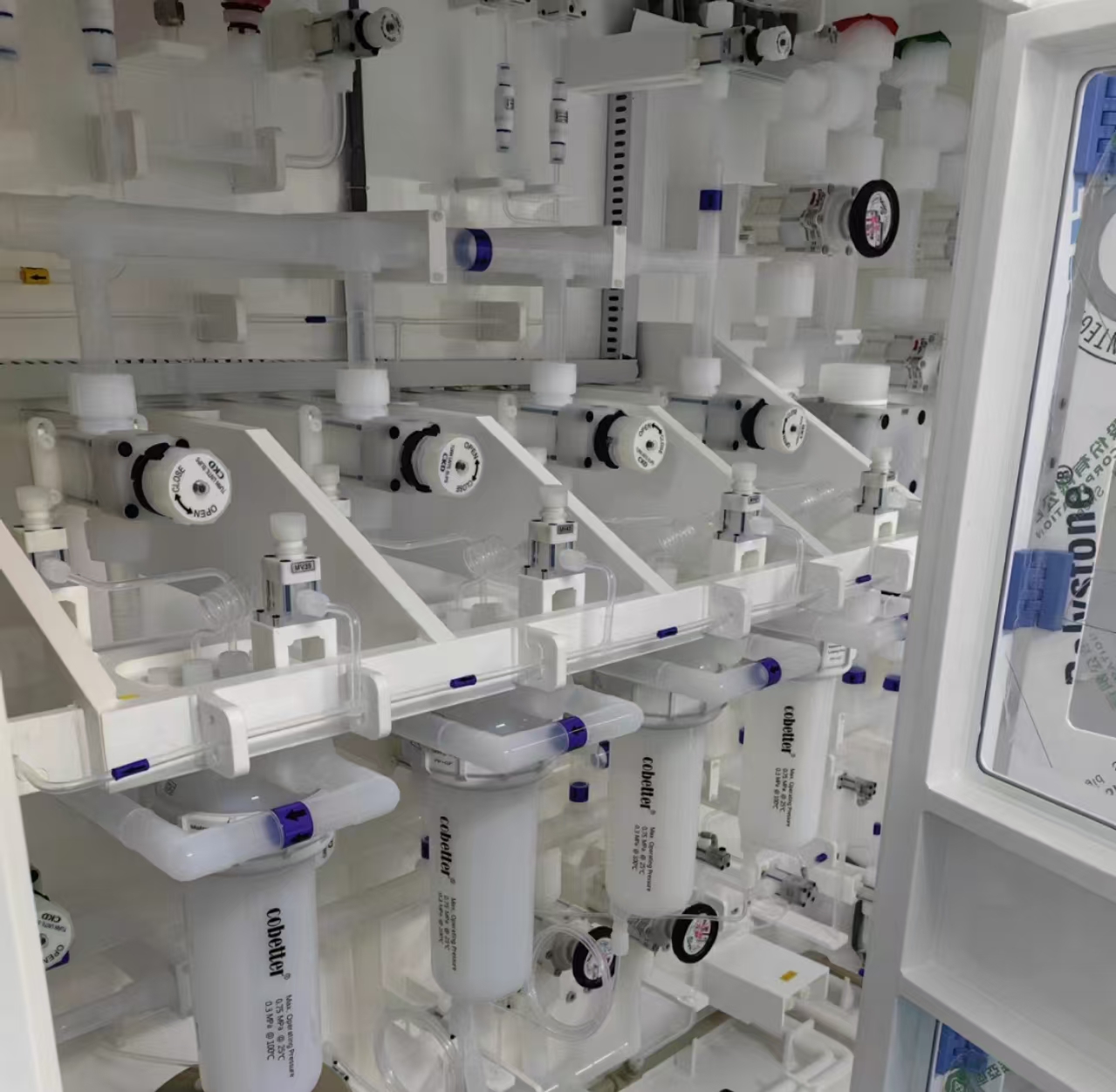
2. Daily Inspection: Basic Operational Checks
Daily inspection is the first line of defense against unexpected scrubber failure. For systems operating every day, trained operators should perform a basic visual and operational check before startup or during routine operating rounds.
2.1 Check Operating Status
Confirm that the scrubber, exhaust fan, circulation pumps, and associated control systems are operating according to the approved operating procedure.
Check the control panel for alarms, abnormal readings, or fault indicators. Confirm that critical interlocks and monitoring systems do not indicate an unsafe condition.
A running exhaust fan does not necessarily mean the scrubber is removing contaminants effectively. The treatment system must also maintain the required chemical conditions, liquid circulation, and gas-liquid contact.
2.2 Inspect for Leakage and Abnormal Noise
Look for visible liquid leakage, damaged connections, unusual vibration, and abnormal noise from pumps or fans.
Check accessible pipework, valves, tanks, and joints for signs of corrosion or chemical attack. Any suspected hazardous gas release should be handled according to the laboratory’s emergency response procedures rather than treated as a routine maintenance issue.
2.3 Verify Key Operating Parameters
Depending on the scrubber design, daily checks may include:
- Scrubbing liquid level.
- Liquid circulation status.
- Scrubber differential pressure.
- Exhaust airflow or fan operating status.
- pH or other chemical-control readings.
- Temperature and alarm status.
The acceptable operating ranges must come from the equipment design, commissioning data, manufacturer instructions, and applicable requirements. Generic limits should not be substituted for application-specific values.
3. Weekly Inspection: Check Mechanical Condition and Operating Trends
A more detailed inspection should generally be conducted weekly for regularly operated systems, unless the risk assessment or operating conditions require a shorter interval.
Weekly inspections help identify gradual deterioration that may not be apparent during a daily visual check.
3.1 Inspect Pumps, Valves, and Pipework
Examine accessible pump seals, pipe connections, valves, and fittings for leakage, corrosion, and unusual wear.
For wet scrubbers, confirm that the circulation system maintains stable liquid flow. Insufficient circulation may reduce contaminant absorption and cause uneven liquid distribution inside the scrubber tower.
For dry scrubbers, inspect accessible connections and verify that the system does not show abnormal pressure changes or signs of media leakage.
3.2 Review Differential Pressure
Differential pressure is an important operating indicator for many scrubber systems.
A sudden increase may indicate packing blockage, deposits, excessive liquid accumulation, or other flow restrictions. An unexpected decrease may indicate reduced gas flow, missing or damaged packing, a bypass leak, or a faulty pressure instrument.
However, differential pressure alone cannot confirm treatment efficiency. It should be evaluated alongside airflow, liquid flow, chemical conditions, and available emission-monitoring data.
3.3 Review Chemical Consumption
Record the amount of reagent consumed and compare it with previous operating periods.
An unexpected increase may indicate higher contaminant loading, dosing-control problems, leakage, or changes in the exhaust composition. A sudden decrease may indicate reduced process activity, a failed dosing pump, or a measurement problem.
Keeping consistent records allows operators to recognize abnormal trends before they result in poor treatment performance.
4. Monthly Inspection: Verify Instrumentation and Treatment Performance
Monthly maintenance should focus on instrumentation, chemical control, accessible mechanical components, and overall treatment performance.
4.1 Check Sensors and Control Instruments
Depending on the application, inspect and verify:
- pH sensors and transmitters.
- Liquid flow meters.
- Differential-pressure gauges.
- Temperature sensors.
- Chemical dosing controls.
- Gas detection or emissions-monitoring instruments, where installed.
Sensor verification and calibration should follow the manufacturer’s instructions and the consequences of measurement errors. Corrosive or contaminated environments may require more frequent attention.
For wet scrubbers, pH readings should be reviewed alongside reagent concentration, liquid circulation, and chemical consumption. A normal pH reading does not automatically prove that sufficient treatment capacity remains.
For dry scrubbers, review media-life indicators, temperature, differential pressure, and any manufacturer-defined breakthrough monitoring.
4.2 Check the Exhaust Fan and Circulation System
Inspect the exhaust fan, motor, drive components, and pump operation. Check for abnormal vibration, overheating, unusual noise, and signs of wear.
Confirm that the exhaust system maintains the required operating conditions under representative laboratory loads.
If the laboratory’s exhaust demand has increased, the original scrubber and fan design may no longer provide adequate capacity. A change in process load should trigger an engineering review rather than simply increasing chemical dosing.
4.3 Review Performance Data
Compare current readings with previous inspection records. Review alarms, chemical usage, maintenance events, and available emissions test results.
A system that operates within its normal pressure range but shows deteriorating emission performance may have exhausted chemical capacity, poor gas-liquid contact, or a problem that cannot be identified through routine visual inspection alone.
Where required, arrange appropriate performance testing to verify that the system meets its design and regulatory requirements.
5. Quarterly Inspection: Detailed Mechanical Assessment
Quarterly inspections provide an opportunity to examine accessible internal and mechanical components in greater detail. This is a useful starting interval for many regularly operated systems, but it is not a universal requirement.
The actual schedule should be determined by the manufacturer, equipment design, chemical hazards, operating history, and risk assessment.
5.1 Inspect Spray Nozzles and Packing Materials
In wet scrubbers, spray nozzles distribute liquid throughout the treatment area, while packing materials increase the contact area between gas and liquid.
Inspect these components for blockage, deposits, damage, or uneven liquid distribution.
Blocked nozzles may reduce absorption efficiency, while contaminated or damaged packing can impair gas-liquid contact. Depending on the design, cleaning or replacement may be necessary.
5.2 Inspect Demisters and Drainage Components
Demisters remove entrained liquid droplets from the exhaust stream. If a demister becomes blocked or damaged, it may increase pressure drop or allow excessive liquid carryover.
Inspect accessible demister components, drainage paths, strainers, and filters. Check for deposits and accumulated solids that could restrict flow.
5.3 Examine Corrosion-Prone Components
Inspect accessible wetted surfaces, tank connections, supports, and pipework for corrosion, cracking, or chemical degradation.
Pay particular attention to seals, gaskets, pump housings, and connections exposed to aggressive chemicals.
Internal inspections must follow approved isolation and access procedures. Potentially hazardous equipment must be shut down, isolated, and verified safe before opening or entry. Confined-space entry, where applicable, requires the site’s formal safety controls.
6. Annual Inspection: Comprehensive System Evaluation
An annual comprehensive inspection is a useful planning baseline for many laboratory gas scrubber systems. However, more frequent professional inspections may be necessary for high-risk applications, continuously operated equipment, or systems subject to specific regulatory requirements.
The annual review should evaluate the condition and performance of the entire treatment system.
Recommended activities include:
- Assessing the scrubber body, tanks, and structural supports.
- Checking corrosion resistance and material compatibility.
- Evaluating pump, fan, motor, and drive performance.
- Reviewing the condition of packing, spray nozzles, and demisters.
- Verifying instrumentation and safety interlocks.
- Reviewing chemical dosing and operating-control systems.
- Examining maintenance records and recurring faults.
- Reviewing available emissions monitoring or performance-test results.
- Confirming spare-parts availability and maintenance planning.
The review should also determine whether the system remains suitable for the laboratory’s current processes.
For example, a scrubber originally designed to treat dilute acid fumes may not be suitable for a new process that produces higher concentrations or a different mixture of gases. Any significant change in gas composition, flow rate, temperature, or operating hours should trigger a documented engineering assessment.
7. How Often Should Scrubbing Solutions and Dry Media Be Replaced?
Inspection frequency is different from replacement frequency. Scrubbing solutions, filters, and dry media should be replaced according to their condition, treatment capacity, and operating requirements rather than an arbitrary calendar schedule alone.
7.1 Wet Scrubber Solution Replacement
Wet scrubbers may use water, alkaline solutions, acidic solutions, oxidizing agents, or other formulations selected for the target contaminants.
The solution should be monitored using relevant parameters, such as pH, chemical concentration, conductivity, or oxidation-reduction potential.
Replenishment or replacement may be necessary when:
- Chemical concentration falls outside the required operating range.
- The solution reaches its treatment-capacity limit.
- Dissolved salts or reaction products accumulate.
- Suspended solids interfere with circulation.
- Contamination makes the solution unsuitable for continued use.
The replacement interval depends on contaminant loading, operating hours, reagent consumption, and the scrubber’s design.
Spent scrubbing liquid must be characterized and managed under applicable waste-handling requirements. It should not be discharged into a drain without confirming that the discharge is permitted.
7.2 Dry Scrubber Media Replacement
Dry scrubbers may use activated carbon, impregnated adsorbents, or chemically reactive media.
Replacement should follow the manufacturer’s recommendations and account for contaminant loading, operating conditions, media capacity, and suitable breakthrough indicators.
A fixed replacement interval alone may be insufficient if gas concentrations change unexpectedly. Where breakthrough presents a serious safety or compliance risk, appropriate monitoring and conservative replacement criteria are essential.
8. Warning Signs That Require Immediate Attention
Some problems require immediate investigation rather than waiting for the next scheduled inspection.
Important warning signs include:
- Hazardous-gas alarms or suspected contaminant breakthrough.
- Sudden changes in differential pressure.
- Loss of liquid circulation or chemical dosing.
- Persistent pH deviations.
- Visible chemical leakage or serious corrosion.
- Unusual pump or fan noise.
- Repeated blockages or unexpected shutdowns.
- Failed emissions tests or abnormal outlet readings.
- Exhausted dry media or breakthrough indicators.
- Failure of critical alarms or safety interlocks.
When a critical fault occurs, operators should follow the laboratory’s approved shutdown and emergency response procedures. Depending on the hazard, this may involve stopping the associated chemical process, isolating the source, evacuating the affected area, and contacting trained safety personnel.
A scrubber should not be assumed safe merely because the fan continues to run. If treatment performance cannot be confirmed, the affected process should be managed according to the site’s approved safety procedures.
9. Develop an Effective Preventive Maintenance Plan
An effective maintenance program combines scheduled inspections, performance monitoring, written procedures, and documented corrective actions.
Step 1: Establish an Equipment-Specific Checklist
Prepare separate checklists for daily, weekly, monthly, quarterly, and annual activities. Identify the responsible person, inspection criteria, acceptable operating ranges, and required corrective actions.
Step 2: Record Operating Parameters
Maintain records of gas flow, differential pressure, liquid flow, pH, chemical consumption, media replacement, alarms, and relevant emissions measurements.
Consistent records make it easier to identify gradual performance deterioration.
Step 3: Define Operating Limits
Use manufacturer specifications, engineering design documents, commissioning data, and applicable requirements to establish acceptable operating ranges.
Step 4: Maintain Critical Spare Parts
Identify components whose failure could interrupt safe laboratory operations. Depending on the system, these may include pump seals, spray nozzles, sensors, filters, valves, dosing components, and dry-scrubber media.
Step 5: Review Maintenance Effectiveness
Review the program at least annually and after significant process changes, repeated equipment failures, or abnormal emissions results.
Recurring faults may indicate that inspection intervals are too long, the treatment chemistry is unsuitable, or engineering modifications are necessary.
10. Recommended Laboratory Gas Scrubber Maintenance Schedule
The following schedule summarizes a general starting point for routine maintenance planning.
| Frequency | Main tasks |
|---|---|
| Daily | Check operating status, alarms, leaks, liquid levels, and key readings |
| Weekly | Inspect accessible pipework, pumps, valves, pressure trends, and chemical consumption |
| Monthly | Verify instrumentation, dosing systems, fan operation, and treatment-performance trends |
| Quarterly | Inspect accessible nozzles, packing, demisters, drainage components, and corrosion-prone parts |
| Annually | Conduct a comprehensive mechanical, instrumentation, and performance review |
| Condition-based | Replace scrubbing solution, dry media, filters, and worn parts according to operating limits and manufacturer guidance |
| After faults or process changes | Investigate abnormal readings, assess system suitability, and perform additional testing as necessary |
This schedule must be adjusted to the specific gas scrubber technology, chemical hazards, operating conditions, manufacturer’s instructions, and regulatory requirements.
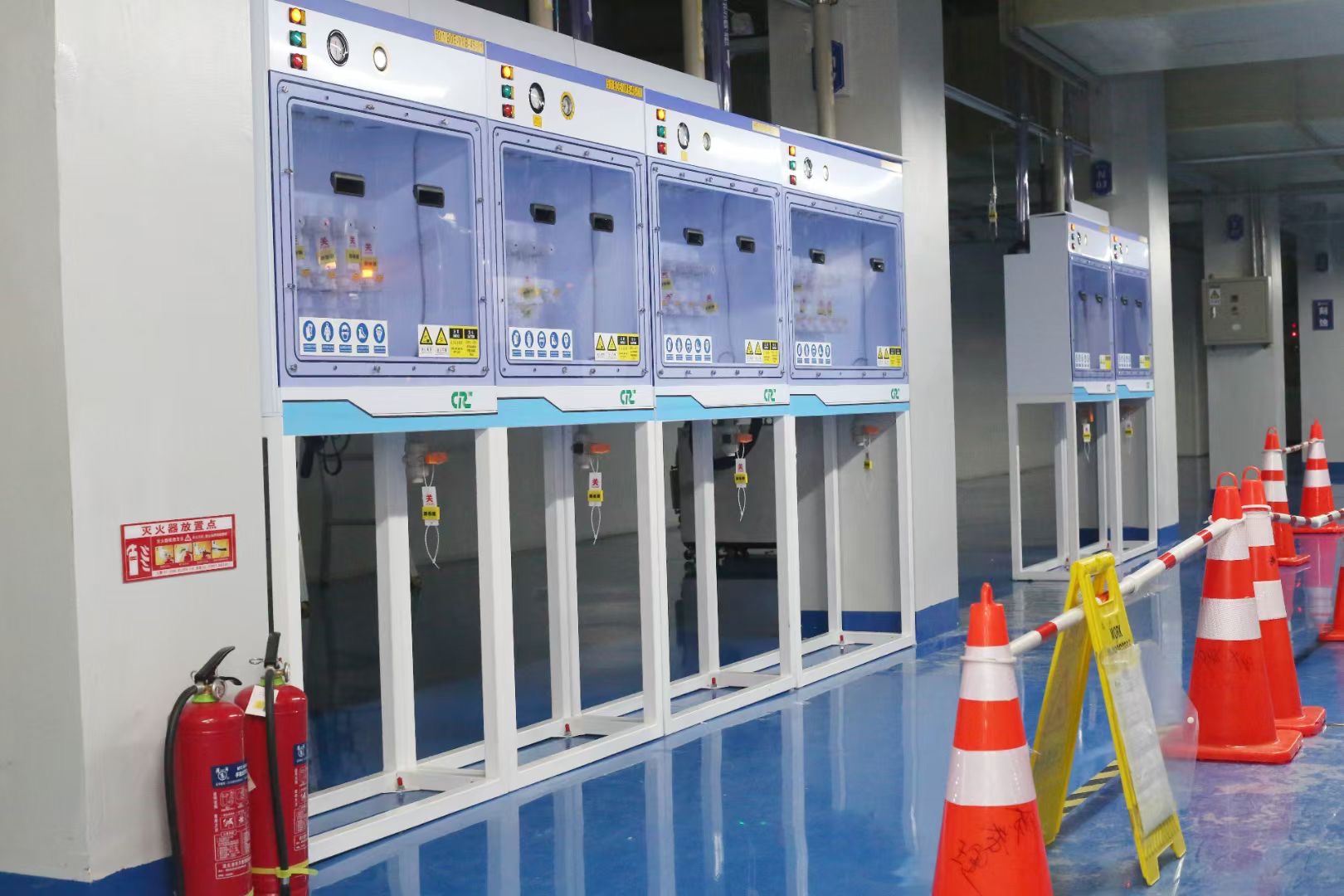
Conclusion
A laboratory gas scrubber system should be inspected regularly to maintain contaminant removal efficiency, protect personnel, and support environmental compliance. Daily operational checks, weekly condition inspections, monthly instrumentation reviews, quarterly mechanical assessments, and annual comprehensive evaluations provide a practical starting framework for many laboratory applications.
However, the appropriate maintenance frequency depends on the gases being treated, scrubber design, operating hours, chemical loading, construction materials, and applicable requirements. Scrubbing solutions and dry media should be replaced according to their condition and treatment capacity, supported by suitable monitoring and documented operating limits.
The most reliable maintenance strategy combines preventive inspections, performance monitoring, accurate operating records, and prompt corrective action when abnormalities occur.
For laboratories, semiconductor facilities, pharmaceutical research centers, and industrial testing environments, a maintenance plan tailored to the actual application is essential. Regular inspection is not simply an equipment-care task; it is a fundamental part of laboratory safety, reliable exhaust treatment, and long-term environmental management.
For more about how often should a laboratory gas scrubber system be inspected and maintained, you can pay a visit to Jewellok at https://www.specialtygasregulator.com/product-category/specialty-gas-cabinet/ for more info.
-
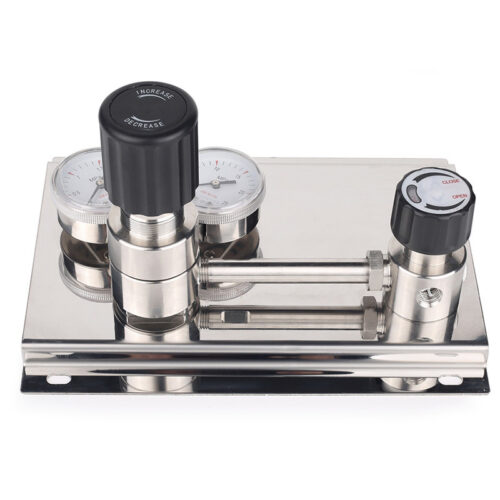
Stainless Steel Fully Automatic Gas Switchover Manifold System Automatic Gas Cylinder Switchover Co2 Cylinder Auto Changeover Controller
-
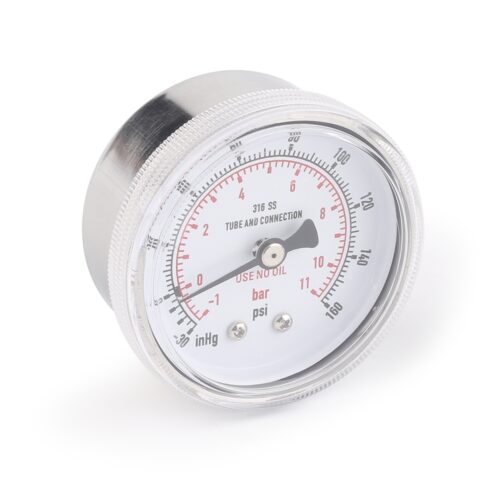
Ultra High Purity Pressure Gauge For Laboratory And Semiconductor JR Series
-
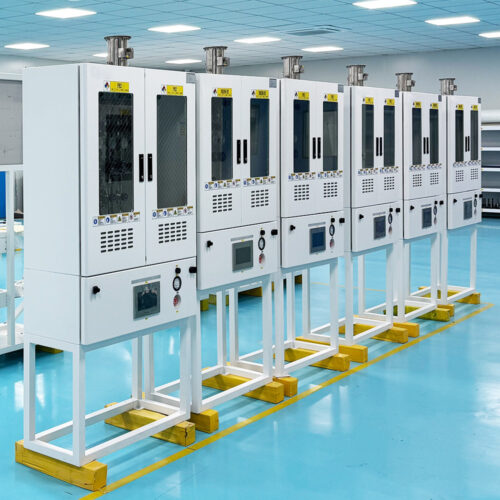
High Purity VMB Valve Manifold Box for Semiconductor Gas Distribution and Specialty Chemical Delivery Systems
-
Precision Stainless Steel Valve Manifold Panel for Inert Gas Distribution in Cleanroom Manufacturing Environments
-
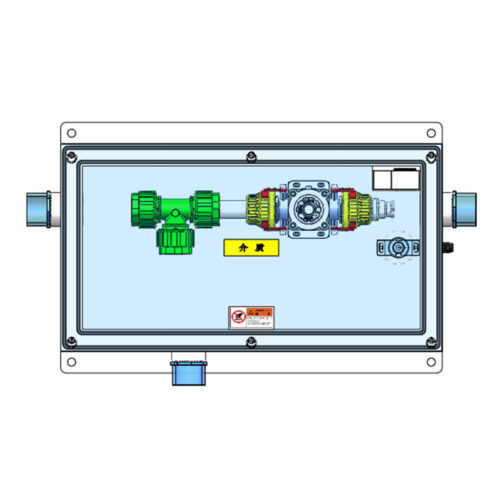
T-BOX JW-TB-C Special Gas Delivery System Gas Valve Manifold Boxes
-
Integrated Gas Cabinets and Exhaust Gas Scrubber System for Ammonia and Hydrogen Chloride Industrial Emission Control
-
Custom Wet and Dry Exhaust Gas Scrubber System Technology for Effective Acid Gas Neutralization
-
Automated Valve Manifold Box with Leak Detection for Toxic and Flammable Semiconductor Process Gases