
Regulator Manufacturer Tel: +86 13380377051
Regulator Manufacturer Tel: +86 13380377051
About the Professional Installation and Leakage Emergency Plan of SiH4 Special Gas Pressure Regulator
In the high-stakes environment of semiconductor fabrication, photovoltaic manufacturing, and advanced materials science, silane (SiH4) stands as a critical precursor gas. Its utility in depositing high-purity silicon layers via chemical vapor deposition (CVD) is unmatched. However, its extreme pyrophoric nature—igniting spontaneously upon contact with air—coupled with its toxicity and potential for explosive mixtures, places it among the most hazardous materials handled in industrial settings. At the heart of its safe delivery system lies a component of paramount importance: the specialized gas pressure regulator. A failure here is not merely an operational hiccup; it is a potential catastrophe. This article provides a comprehensive guide to the professional installation of SiH4 special gas pressure regulators and details a clear, actionable emergency response plan for leakage incidents.
The Foundation — Understanding the Hazard and the Hardware
Before touching a regulator, one must fully appreciate the adversary. SiH4 special gas pressure regulator requires concentrations above 1.37% in air to ignite, a threshold easily exceeded in leak scenarios. Its flame is often invisible near the source, and combustion produces silicon dioxide (SiO2) particulates and toxic byproducts. Furthermore, it can form explosive mixtures and react violently with oxidizers.
The SiH4 regulator is not a standard industrial regulator. It is a meticulously engineered safety device with distinct characteristics:
-
Material Compatibility: Constructed entirely of stainless steel (typically 316L) with metal diaphragms. Elastomers like Viton® are generally avoided in the gas path due to permeation and degradation risks. Seals utilize specialized, compatible materials like Kalrez® or metal gaskets (e.g., C-Seals).
-
Purge and Vent Configurations: Equipped with independent purge ports (typically helium or nitrogen, certified to 99.999% purity or higher) on both the inlet (high-pressure) and outlet (low-pressure) sides. These are used for thorough purging before and after operation. Vent ports are designed to safely direct any diaphragm leaks to an exhausted scrubber or vent line, not to the atmosphere.
-
Leak-Before-Failure Design: High-quality SiH4 regulators are designed to fail in a safe mode, often with a dedicated leak detection port for the diaphragm assembly.
-
Cleanliness: Supplied with particle counts and hydrocarbon levels certified for semiconductor processing (e.g., per SEMI standards). They are cleaned, baked, and bagged in a cleanroom environment.
Professional Installation Protocol — A Step-by-Step Guide
Installation is a ritual of precision. The following protocol assumes all personnel are trained in SiH4 hazards, are wearing appropriate personal protective equipment (PPE)—including fire-retardant clothing, face shield, and proper gloves—and are working in a well-ventilated, classified gas cabinet or gas house with continuous leak detection.
Phase 1: Pre-Installation Preparation
-
System Design Review: Verify the gas cabinet design: dedicated SiH4 leak detectors (often located at top and bottom), automatic fire suppression, primary and secondary containment, properly grounded and bonded panels, and a fully operational purge system with pressure-rated vent lines routed to a burn box or scrubber.
-
Tool Shutdown and Isolation: Ensure all downstream tools are shut down. Isolate the gas line by closing the cylinder valve and any upstream manifold valves.
-
Purge and Evacuate the System: Using an approved inert gas (He/N2), purge the existing lines where the regulator will be installed. If possible, evacuate the section using a vacuum pump to remove residual atmosphere. The goal is to create an oxygen-free environment before introducing the regulator.
-
Regulator Inspection & Verification:
-
Documentation: Check the manufacturer’s certificate of conformance, cleanliness, and material compatibility report.
-
Physical Inspection: Inspect for shipping damage. Verify the CGA connection (typically CGA 350 for SiH4) matches the cylinder valve. Confirm the outlet connection matches your panel.
-
Settings: Ensure the regulator is set to its lowest outlet pressure or is fully backed off (counter-clockwise) on the adjustment knob to prevent a sudden pressure surge during connection.
-
Phase 2: Installation Execution
-
Cylinder Connection (if applicable):
-
Secure the SiH4 cylinder in the cabinet with the appropriate restraint chain or clamp.
-
Using a clean, SiH4-compatible wrench, gently crack the cylinder valve for one second to clear the male threads of any debris (Point of Use Exhaust Ventilation MUST be active). This is known as “cracking the cylinder.”
-
Connect the regulator inlet to the cylinder valve. Do not use Teflon tape. Use only the manufacturer-specified metal gasket (e.g., nickel crush gasket). Torque to the manufacturer’s specification—overtightening is a common cause of fitting failure.
-
-
Panel Mounting:
-
Mount the regulator securely to the gas panel rail or bracket.
-
Connect the outlet of the regulator to the downstream process line, again using correct gaskets and proper torque.
-
-
Purge Line Connections: Connect the dedicated purge gas lines to the regulator’s inlet and outlet purge ports. These lines must have check valves to prevent backflow of SiH4 into the purge gas system.
-
Vent Line Connection: Connect the regulator’s vent port to the approved, exhausted vent manifold. This line must be continuously routed to a safe discharge point (scrubber/burn box).
Phase 3: Post-Installation Leak Check and Validation
-
Initial Pressurization with Inert Gas:
-
Close the regulator’s outlet valve.
-
Open the purge gas to the inlet side. Slowly open the regulator adjustment knob to pressurize the internal cavity to a low pressure (e.g., 5-10 psig).
-
Close the purge source and monitor pressure for decay. Perform a bubble test or snoop test on all new connections (inlet, outlet, vent, purge). A helium leak detector is preferred for higher sensitivity.
-
-
Full System Purge Cycle: With no leaks confirmed, perform a full dynamic purge of the entire assembled system from cylinder valve to tool shut-off valve. A common protocol is three consecutive pressure-purge-evacuation cycles to dilute any residual atmospheric contaminants to sub-flammable levels.
-
Final SiH4 Pressurization and Leak Check:
-
After successful purging, close the purge lines.
-
Slowly and carefully open the SiH4 cylinder valve.
-
Adjust the regulator to its intended set pressure.
-
Immediately perform a comprehensive leak check using a dedicated, sensitive SiH4 leak detector probe on every potential leak point: stem, diaphragm seal, bonnet, all fittings, and the vent line connection.
-
Under no circumstances should soap solution be used on an active SiH4 system, as it can react with or trap the gas.
-
Only after all these steps are successfully completed should the line be considered ready for introduction to the tool, following the tool’s specific safety procedures.
Emergency Leak Response Plan — Action, Isolate, Mitigate
Despite best practices, leaks can occur. A swift, rehearsed response is vital. The following plan follows the AIM principle: Action, Isolate, Mitigate.
Step 1: Immediate Action (Within Seconds)
-
Personnel Safety First: The discovering individual must raise the alarm verbally and via emergency button. Evacuate all non-essential personnel from the immediate area and upwind.
-
Don Enhanced PPE: Emergency responders must don full-face SCBA (Self-Contained Breathing Apparatus) and fire-retardant suits before approaching.
-
Activate Cabinet Protocols: If not automatic, manually activate the gas cabinet’s emergency shutdown (ESD). This should:
-
Close the source cylinder valve(s) electronically.
-
Close the downstream process isolation valve.
-
Initiate a high-flow nitrogen purge into the cabinet and lines to dilute the SiH4 concentration.
-
Step 2: Isolation and Containment (Within Minutes)
-
Manual Verification of Isolation: If safe to do so, responders should confirm the primary cylinder valve is closed. Approach from the side (not facing the regulator), using extended tools if necessary.
-
Contain the Area: Establish a hot zone perimeter. Restrict access. Ensure ventilation systems and scrubbers are operating at maximum capacity.
-
Monitor: Use portable SiH4 detectors to monitor leak concentration and define the hazard boundary. Do not turn electrical equipment on or off if a leak is suspected within a flammable range—you may create an ignition source.
Step 3: Mitigation and Recovery
-
Controlled Burn: If a leak is actively burning with a visible flame, DO NOT EXTINGUISH IT. A controlled burn is safer than allowing unburned SiH4 to accumulate and create an explosive cloud. Let it burn under controlled conditions while cooling surrounding equipment with water fog.
-
Firefighting (if necessary): If surrounding equipment is threatened, use Class D dry powder extinguishers (for metal fires) from a safe distance. CO2 or water fog can be used to cool adjacent structures. Never use water jet directly on a silane leak or fire.
-
Post-Incident Decontamination: Once the leak source is confirmed isolated and concentrations are zero, the recovery phase begins.
-
The entire gas stick, including the faulty regulator, must be thoroughly purged with inert gas.
-
The regulator must be tagged, removed, and packaged according to hazardous waste or manufacturer return procedures. Do not attempt to repair a SiH4 regulator in the field.
-
A full root cause analysis (RCA) must be conducted before reinstalling any new equipment. Inspect all fittings, check torque records, and review installation videos if available.
-
Conclusion
The professional handling of SiH4 special gas pressure regulator transcends procedure—it demands a culture of utmost respect for the hazard. The installation of its regulator is a critical, rule-bound ritual where shortcuts are unconscionable. Equally, the emergency response plan must be more than a document; it must be a practiced reflex, drilled into every team member through regular, realistic simulations.
Investing in the highest quality equipment, meticulous training, and unwavering adherence to protocol is not an operational cost but a non-negotiable insurance policy. In the realm of specialty gases, where the margin for error is vanishingly small, such disciplined rigor is what protects lives, preserves multi-million dollar fabrication tools, and ensures the uninterrupted innovation that drives our technological world forward. Remember: with silane, there is no minor leak—only a potential disaster waiting to be averted by preparedness and precision.
For more about about the professional installation and leakage emergency plan of SiH4 special gas pressure regulator, you can pay a visit to Jewellok at https://www.specialtygasregulator.com/product-category/specialty-gas-cabinet/ for more info.
-
Low Pressure High Flow Line Pressure Regulators And Control Valves JSR-4L Series For Laboratory Pressure Control
-
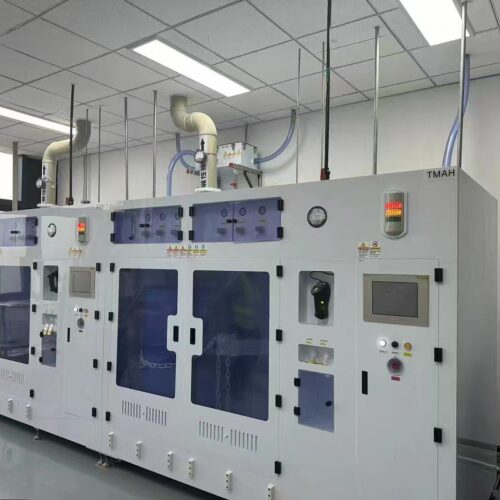
Automated Bulk Chemical Delivery System with Ultra High Purity CDU for Precise Industrial Fluid Control
-
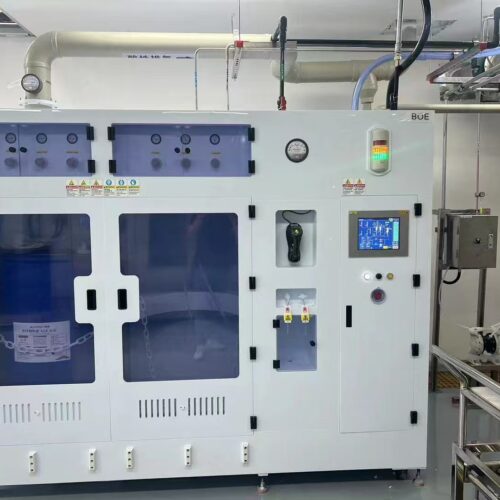
UHP Liquid Chemical Delivery Systems for Semiconductor Fabrication and Photovoltaic Manufacturing Processes
-
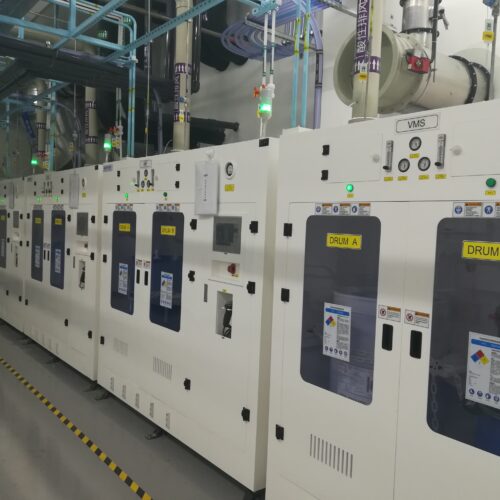
High Purity Liquid Chemical Delivery Systems Designed for Sub Micron Semiconductor Production
-
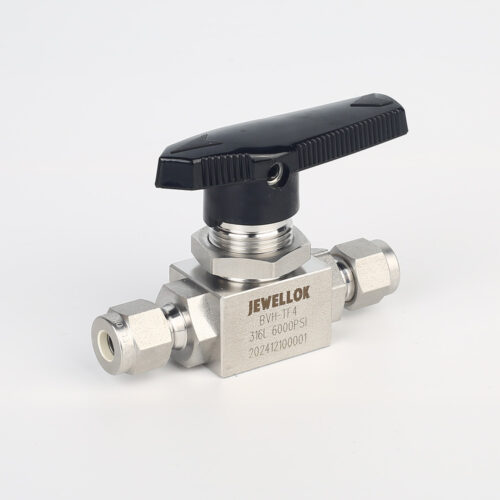
High Purity High Pressure 316 Stainless Steel Ball Valves JBV1 Series From High Pressure Ball Valve Manufacturer And Supplier In China
-
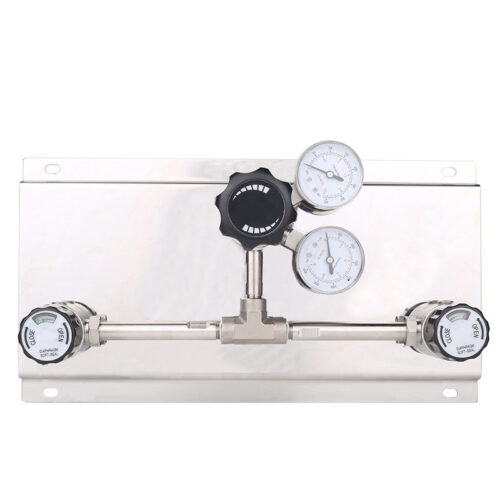
High Pressure High Flow Specialty Gas Control Panel With Diaphragm Valve , 3000Psig Oxygen Control Medical Changeover Manifold Panel
-
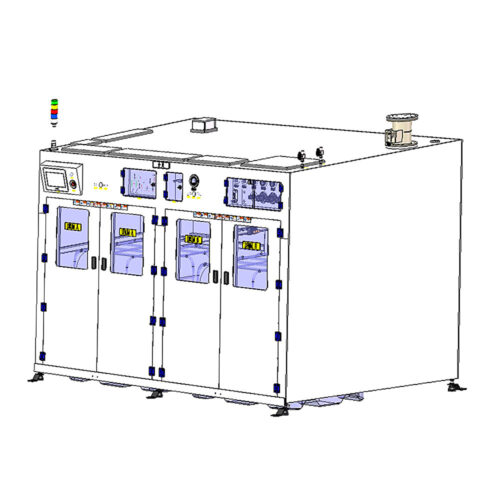
High Purity Chemical Dispense System & Packing System For Semiconductors JW-200L-CDM & JW-1000L-CDM
-
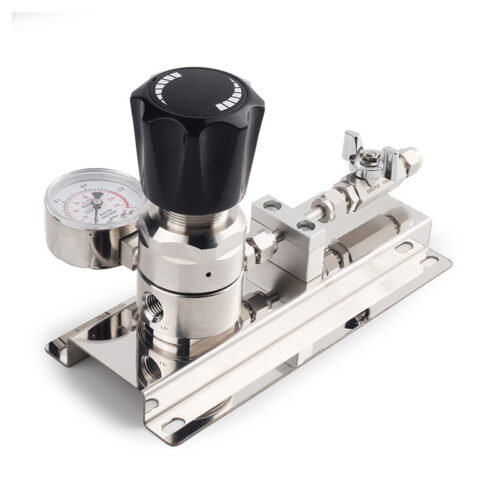
Ultra High Purity 316L Var Stainless Steel Compressed Gas Changeover Manifold Panel System For Integrated Gas Supply System