
Regulator Manufacturer Tel: +86 13380377051
Regulator Manufacturer Tel: +86 13380377051
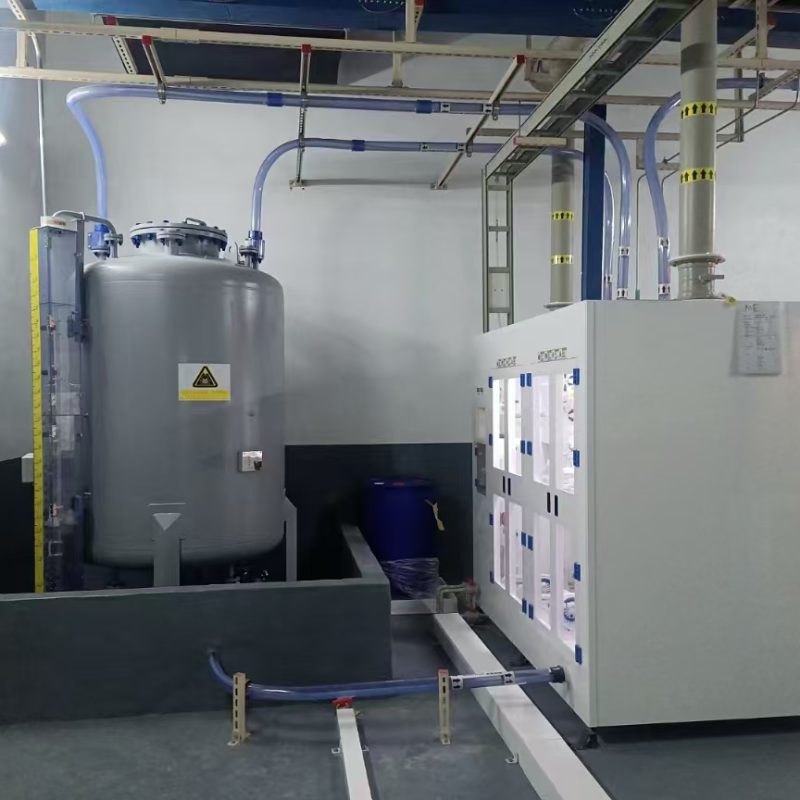
Chemical Dispense Unit with Stainless Steel Piping for Corrosive Chemical Delivery
1. Introduction
In modern semiconductor manufacturing, advanced materials processing, precision electronics assembly, and high-end chemical production, the controlled delivery of corrosive chemicals is a critical requirement. These chemicals—such as acids, solvents, oxidizers, and ultra-high purity reagents—must be transported safely, accurately, and without contamination. Any instability in chemical delivery can directly affect product yield, process consistency, and equipment reliability.
A Chemical Dispense Unit (CDU) equipped with stainless steel piping systems has become one of the most reliable engineering solutions for handling corrosive chemical transfer. Compared with polymer-based or mixed-material systems, stainless steel piping provides superior mechanical strength, chemical resistance, and long-term stability under harsh industrial environments.
This article provides a comprehensive technical overview of CDU systems with stainless steel pipelines, focusing on design principles, material selection, system architecture, safety considerations, and industrial applications.
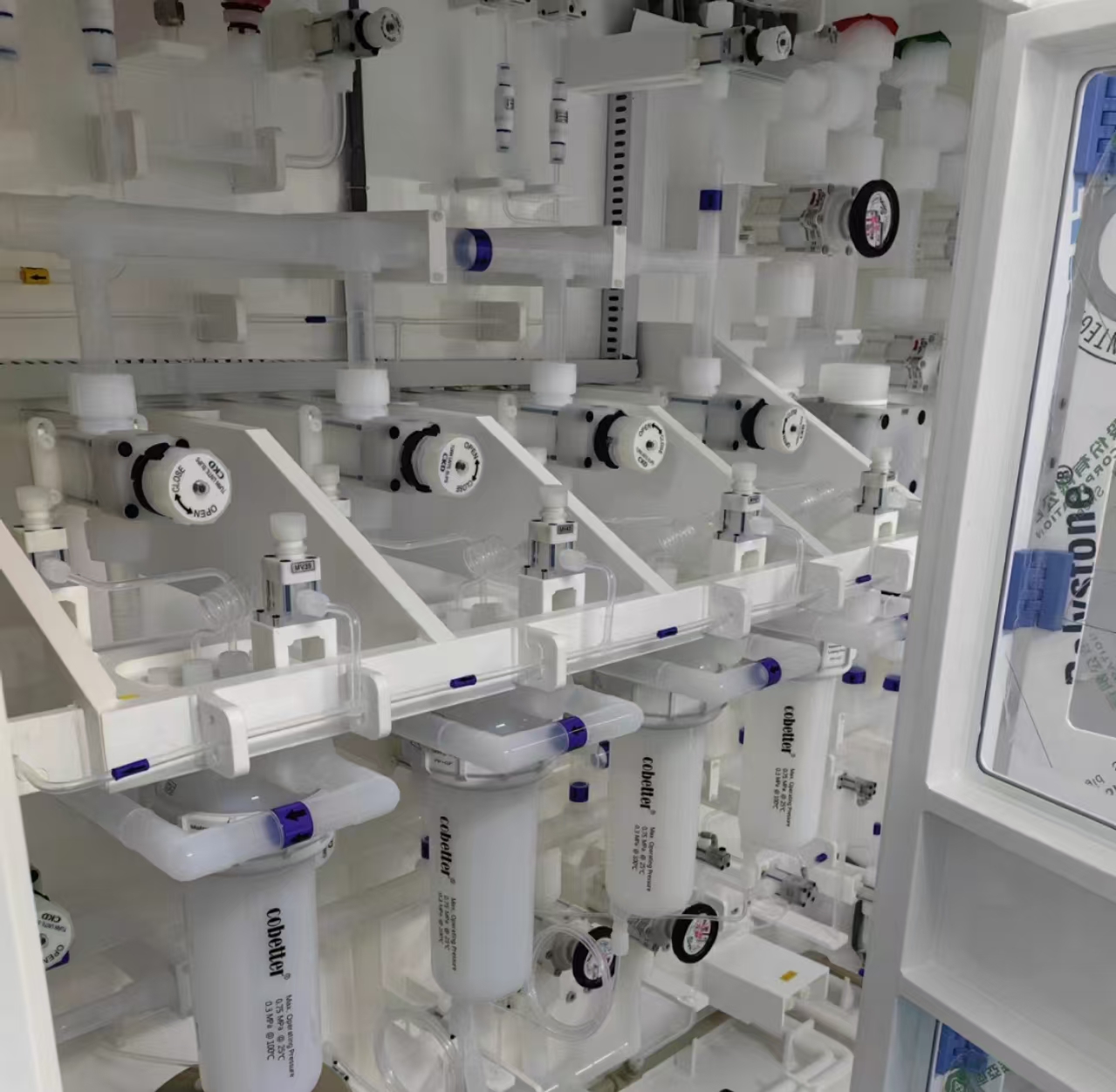
2. Overview of Chemical Dispense Unit (CDU)
A Chemical Dispense Unit is an integrated system designed to store, control, and deliver precise volumes of process chemicals. It is widely used in:
- Semiconductor wafer processing (etching, cleaning, lithography)
- LCD and OLED manufacturing
- Pharmaceutical production
- Precision coating and surface treatment
- Laboratory and pilot-scale chemical processing
A typical CDU system includes:
- Chemical storage tanks or drums
- Transfer pumps (diaphragm, peristaltic, or magnetic drive)
- Flow control modules
- Pressure regulation systems
- Filtration units
- Distribution manifolds
- Piping network (stainless steel or high-performance polymers)
- Safety and leak detection systems
The piping network is one of the most critical subsystems, as it directly determines chemical purity, flow stability, and system durability.
3. Why Stainless Steel Piping for Corrosive Chemicals?
Although fluoropolymers such as PTFE, PFA, and PVDF are commonly used in chemical delivery systems, stainless steel remains indispensable in high-performance industrial CDU systems.
3.1 Superior Mechanical Strength
Stainless steel offers significantly higher mechanical strength compared to polymer piping. This allows:
- High-pressure operation
- Resistance to mechanical vibration
- Stability under thermal cycling
- Long-distance pipeline installation without deformation
This is especially important in centralized chemical distribution systems in semiconductor fabs.
3.2 Excellent Corrosion Resistance
High-grade stainless steels such as 316L and electropolished variants provide strong resistance to a wide range of corrosive chemicals, including:
- Hydrochloric acid (HCl) in controlled concentrations
- Sulfuric acid (H₂SO₄)
- Nitric acid (HNO₃)
- Organic solvents
- Oxidizing cleaning agents
The addition of molybdenum in 316L improves resistance to pitting and crevice corrosion.
3.3 Ultra-High Purity Compatibility
In semiconductor and microelectronics applications, chemical purity is critical. Stainless steel piping with electropolished internal surfaces can achieve:
- Extremely low particle shedding
- Minimal ionic contamination
- Smooth internal surface finish (Ra < 0.2 μm in high-end systems)
This ensures that chemicals remain uncontaminated during transport.
3.4 Thermal Stability
Unlike polymers, stainless steel can withstand:
- High-temperature cleaning processes
- Steam sterilization (SIP)
- Thermal shock conditions
This makes it suitable for integrated cleaning and regeneration systems.
4. System Architecture of a Stainless Steel CDU
A modern CDU system using stainless steel piping is typically modular and highly engineered. Its architecture can be divided into several key subsystems.
4.1 Chemical Storage Module
Chemicals are stored in:
- Stainless steel tanks (for compatible chemicals)
- Double-contained vessels for hazardous materials
- Pressurized or atmospheric storage units
Level sensors, temperature monitors, and pressure relief devices are integrated for safety.
4.2 Transfer and Pumping System
Pumping systems ensure stable chemical movement through stainless steel pipelines. Common options include:
- Magnetically driven centrifugal pumps (leak-free design)
- Diaphragm pumps for corrosive fluids
- High-precision metering pumps for controlled dosing
Pump selection depends on viscosity, corrosiveness, and required flow accuracy.
4.3 Stainless Steel Piping Network
This is the backbone of the CDU system.
Key design features include:
- Seamless 316L stainless steel tubing
- Orbital welding for leak-free joints
- Electropolished internal surfaces
- Minimal dead zones to prevent chemical stagnation
- Hygienic fittings (VCR or similar ultra-high purity connectors)
The piping network is typically arranged in loop or radial distribution layouts to ensure uniform flow and pressure balance.
4.4 Flow Control and Dispensing Unit
Precise chemical dispensing is achieved using:
- Mass flow controllers (MFCs)
- High-precision valves
- Automated control systems (PLC-based)
- Feedback sensors for pressure and flow rate
This ensures repeatable dosing accuracy at microliter or milliliter levels depending on application requirements.
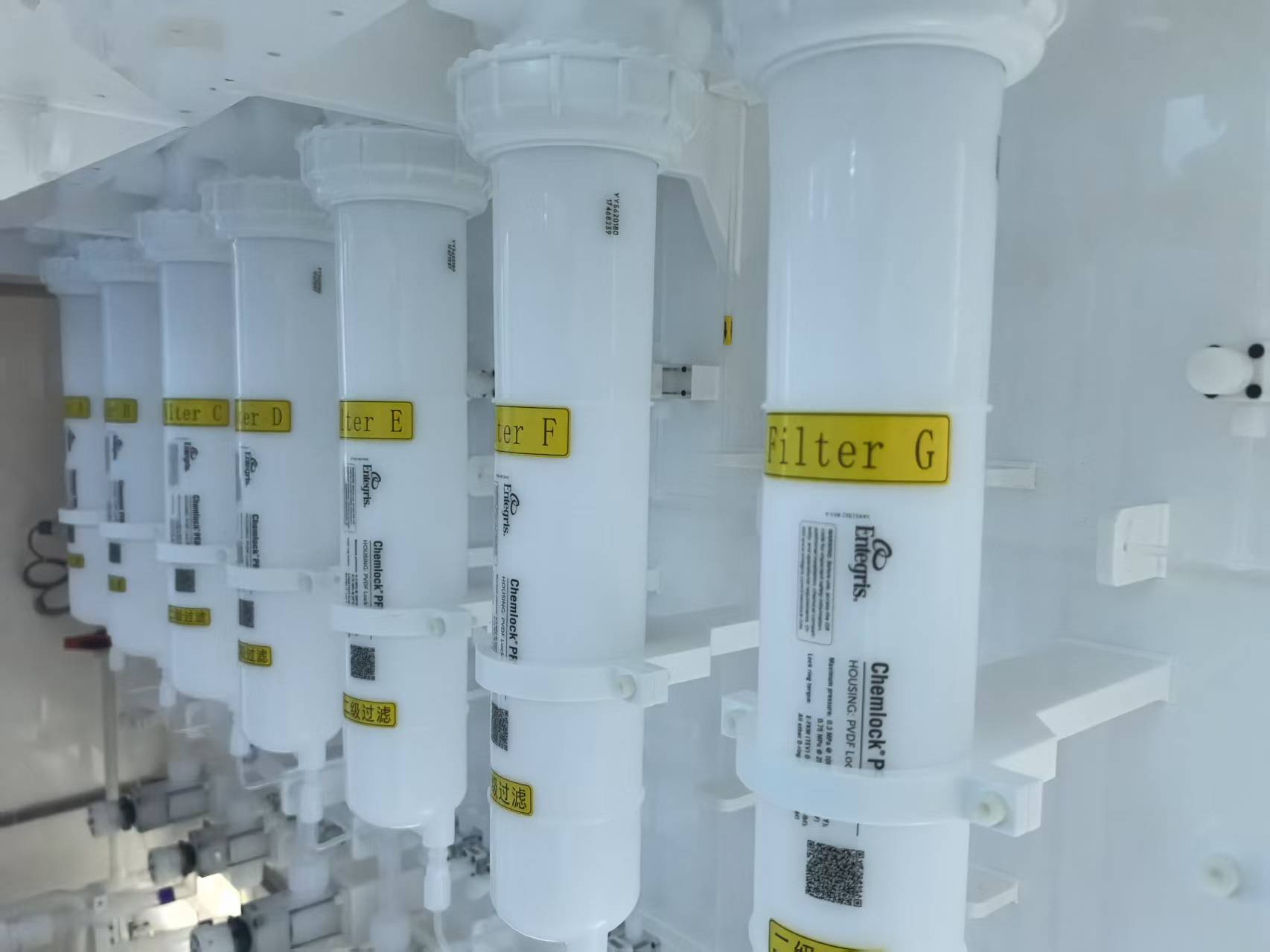
4.5 Filtration System
To maintain chemical purity, multi-stage filtration is integrated:
- Particle filters (0.1–1 micron)
- Chemical purification cartridges
- Gas-liquid separation modules
Stainless steel housings are used to maintain system integrity under pressure and corrosive exposure.
4.6 Safety and Monitoring System
Safety is critical in corrosive chemical handling systems. A CDU typically includes:
- Leak detection sensors
- Pressure relief valves
- Emergency shut-off systems
- Automated alarm and interlock systems
- Redundant monitoring units
These systems ensure safe shutdown in case of abnormal conditions.
5. Material Selection for Stainless Steel CDU Systems
Material engineering plays a key role in CDU performance.
5.1 316L Stainless Steel
Most commonly used material due to:
- Low carbon content
- High corrosion resistance
- Good weldability
- Compatibility with ultra-pure chemical systems
5.2 Electropolished Stainless Steel
Electropolishing improves:
- Surface smoothness
- Corrosion resistance
- Particle reduction
- Cleanability
It is widely used in semiconductor-grade systems.
5.3 Specialty Alloys (Optional)
For extreme environments, advanced alloys may be used:
- Hastelloy (for strong acids)
- Duplex stainless steels (for chloride-rich environments)
6. Corrosion Mechanisms in Chemical Dispensing Systems
Understanding corrosion behavior is essential for system design.
6.1 Pitting Corrosion
Localized attack caused by chloride ions. Stainless steel mitigates this through molybdenum content.
6.2 Crevice Corrosion
Occurs in confined spaces such as joints and fittings. Proper welding and sealing reduce risk.
6.3 Stress Corrosion Cracking
Combination of tensile stress and corrosive environment. Controlled by stress-relief design and material selection.
6.4 General Corrosion
Uniform material degradation, typically slow in stainless steel systems when properly maintained.
7. Advantages of Stainless Steel-Based CDU Systems
7.1 Long Service Life
Properly designed stainless steel systems can operate for decades with minimal degradation.
7.2 High Reliability
Reduced risk of leakage and mechanical failure improves overall system uptime.
7.3 Compatibility with High-Purity Processes
Essential for semiconductor and pharmaceutical industries where contamination tolerance is extremely low.
7.4 Reduced Maintenance Frequency
Compared to polymer systems, stainless steel pipelines require less frequent replacement.
7.5 Scalability
Suitable for both laboratory-scale systems and large industrial chemical distribution networks.
8. Challenges and Engineering Considerations
Despite its advantages, stainless steel CDU systems require careful engineering.
8.1 Cost
Initial installation cost is higher than polymer-based systems due to material and welding requirements.
8.2 Installation Complexity
Requires:
- Orbital welding equipment
- Skilled technicians
- Cleanroom-compatible installation procedures
8.3 Chemical Compatibility Limitations
Certain highly aggressive chemicals (e.g., concentrated halogen acids under high temperature) may still require alternative materials.
8.4 Cleaning Requirements
To maintain performance, periodic cleaning and passivation are necessary.
9. Applications in Industry
9.1 Semiconductor Manufacturing
Used for wafer cleaning, etching, and photoresist processing. Stainless steel CDU systems ensure ultra-high purity chemical delivery.
9.2 LCD/OLED Production
Precise chemical coating and development processes rely on stable dosing systems.
9.3 Pharmaceutical Industry
Used in synthesis, mixing, and controlled reagent dosing.
9.4 Specialty Chemical Production
Supports safe handling of corrosive intermediates and process chemicals.
10. Future Trends in CDU Technology
The evolution of CDU systems is driven by automation, miniaturization, and ultra-clean requirements.
Key trends include:
- Smart CDU systems with IoT monitoring
- AI-based predictive maintenance
- Advanced surface engineering for ultra-low contamination
- Hybrid piping systems combining stainless steel and fluoropolymers
- Higher automation in chemical dosing and control
Stainless steel will continue to play a foundational role, especially in high-pressure and ultra-high purity applications.
11. Conclusion
A Chemical Dispense Unit equipped with stainless steel piping represents one of the most robust and reliable solutions for corrosive chemical transport in modern industry. Its combination of mechanical strength, corrosion resistance, purity compatibility, and long-term stability makes it indispensable in semiconductor manufacturing, pharmaceuticals, and advanced chemical processing.
While alternative materials such as fluoropolymers offer advantages in specific low-pressure or highly reactive environments, stainless steel remains the backbone of high-performance chemical delivery infrastructure. With continued advancements in electropolishing, welding technology, and system automation, stainless steel CDU systems will remain central to next-generation precision manufacturing processes.
For more about chemical dispense unit with stainless steel piping for corrosive chemical delivery, you can pay a visit to Jewellok at https://www.specialtygasregulator.com/product-category/specialty-gas-cabinet/ for more info.
-
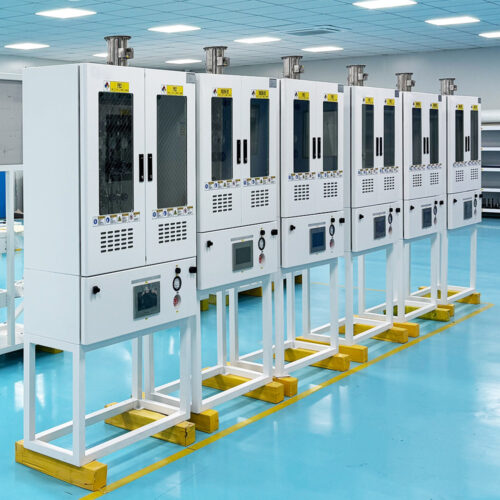
Integrated Gas Cabinets and Exhaust Gas Scrubber System for Ammonia and Hydrogen Chloride Industrial Emission Control
-
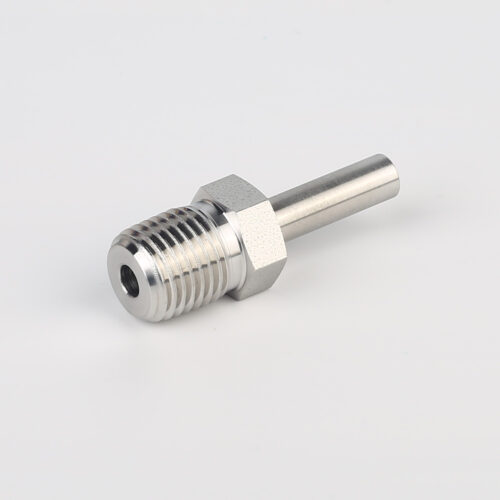
739 High Purity LMR Male Adapter Tube To Pipe Fittings And Adapters
-
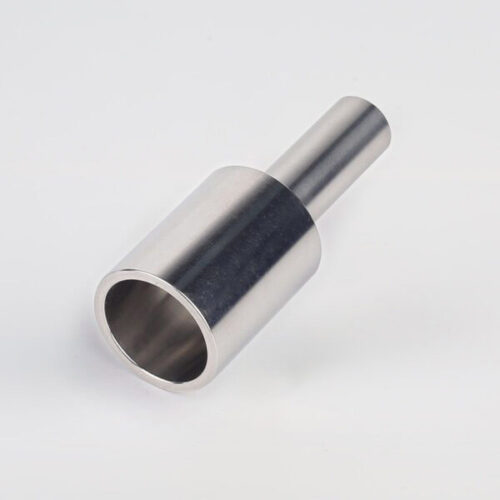
316L Stainless Steel Tube Butt Weld Reducing Fittings Union Reducer RW Series Ultrahigh Purity Process
-
Precision Stainless Steel Valve Manifold Panel for Inert Gas Distribution in Cleanroom Manufacturing Environments
-
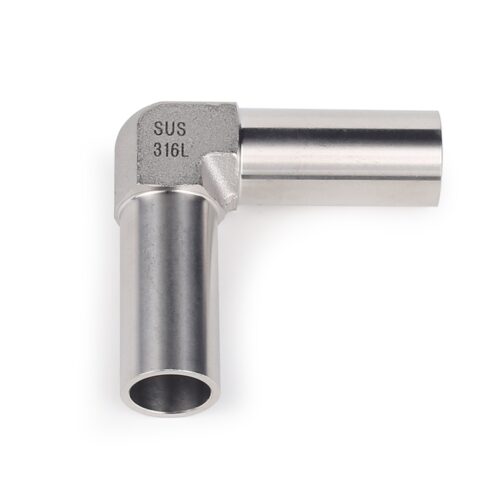
High Purity Stainless Steel Mini Tube Butt Weld Fittings For Semiconductor
-
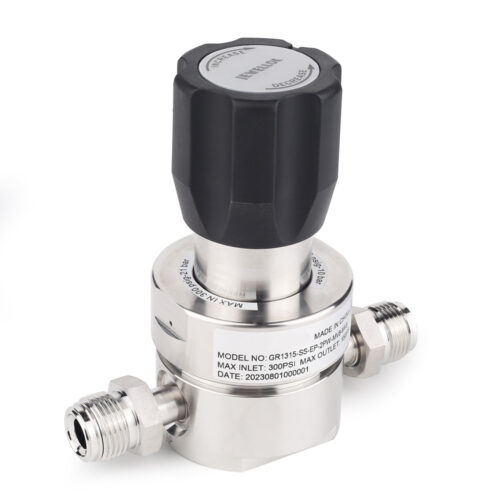
JR1300 Series Ultra High Purity Single Stage Regulator High Flow Line Regulator For Ultra High Purity Intermediate Flow
-
UHP Liquid Chemical Delivery Systems with Nitrogen Blanketing and Secondary Containment for Hazardous Industrial Chemical Processing
-
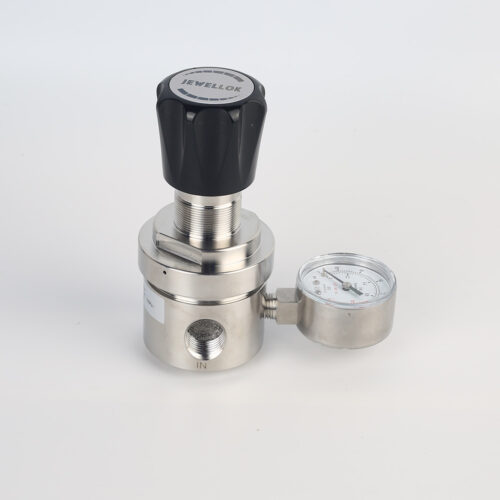
Line And Panel Mounting Adjustable Low Pressure Propane And Nitrogen Pressure Regulator JSR-3L & JSR-3LP Series