
Regulator Manufacturer Tel: +86 13380377051
Regulator Manufacturer Tel: +86 13380377051
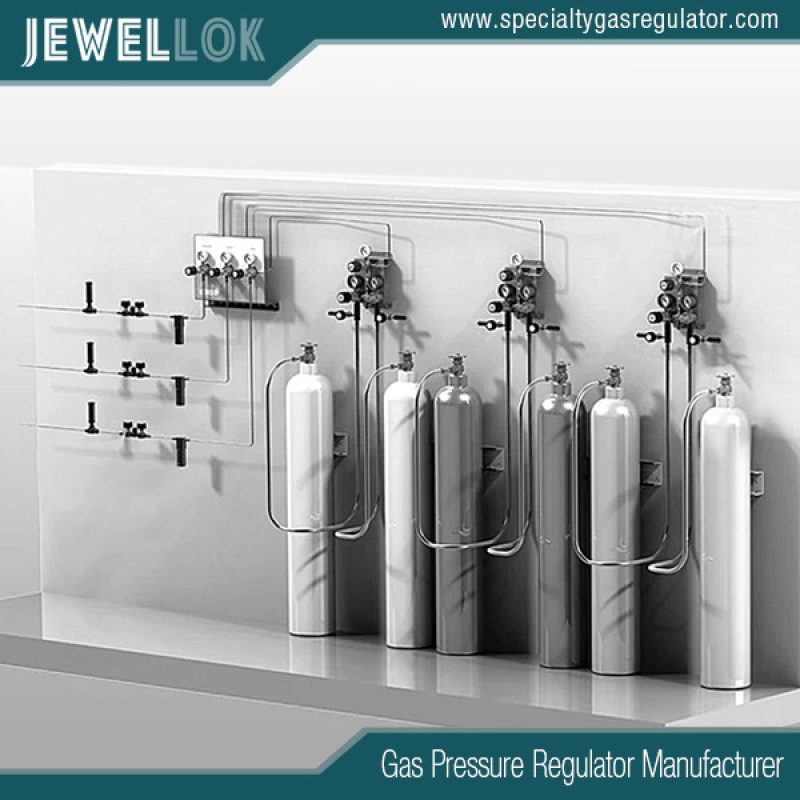
High Pressure High Flow UHP Gas Pressure Regulators: A Comprehensive Technical Overview
In the realm of industrial gas handling, precision and purity are paramount. High pressure high flow ultra-high purity (UHP) gas pressure regulators represent a critical component in systems where gases must be delivered at controlled pressures without compromising their integrity. These regulators are engineered to manage gases with purity levels exceeding 99.999%, ensuring minimal contamination in sensitive applications. UHP regulators are distinguished by their ability to handle inlet pressures up to several thousand pounds per square inch (psig) while supporting high flow rates, often measured in standard liters per minute (slpm) or cubic feet per minute (scfm).
The demand for such regulators stems from industries like semiconductor manufacturing, pharmaceuticals, biotechnology, and analytical laboratories, where even trace impurities can lead to process failures or product defects. High pressure capabilities allow these devices to interface directly with high-pressure gas cylinders or bulk supply systems, while high flow features enable them to support large-scale operations without pressure drops. This article delves into the technical aspects of these regulators, exploring their design, operation, applications, and best practices for selection and maintenance.
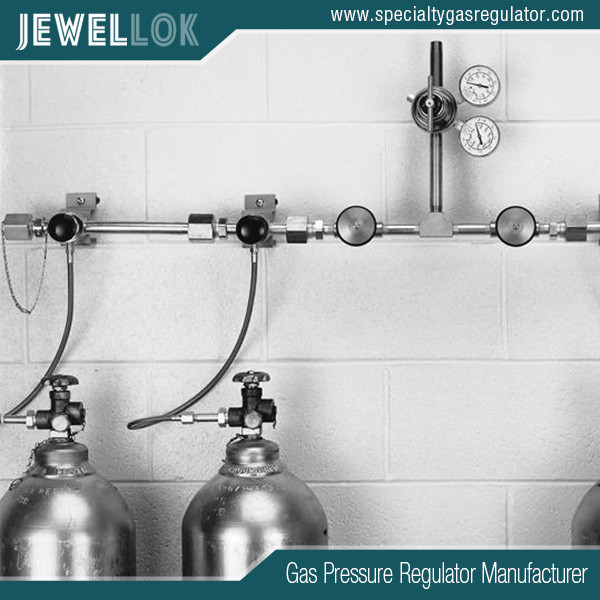
Understanding UHP Gas Pressure Regulators
Ultra-high purity gas pressure regulators are specialized valves designed to reduce the pressure of incoming gases from a high-pressure source to a lower, usable level for downstream processes. Unlike standard regulators, UHP models prioritize material compatibility and sealing integrity to prevent outgassing, particle generation, or chemical reactions that could contaminate the gas stream.
The “high pressure” aspect typically refers to inlet pressures ranging from 500 psig to over 4,500 psig, accommodating gases stored in cylinders under extreme compression. High flow, on the other hand, is quantified by the regulator’s flow coefficient (Cv), which can reach values of 4.5 or higher, allowing flow rates up to 1,200 slpm or more. This combination is essential for applications requiring rapid gas delivery without bottlenecking the system.
UHP regulators are often classified by their staging: single-stage for simple pressure reduction where inlet pressure variations are minimal, and multi-stage for scenarios demanding greater stability amid fluctuating supplies. Dome-loaded configurations, where outlet pressure is controlled by a gas-loaded dome rather than a spring, offer enhanced precision in high-flow environments.
Key Features of High Pressure High Flow Models
Modern high pressure high flow UHP regulators incorporate several advanced features to meet stringent performance requirements. One standout characteristic is their compact design, which facilitates integration into space-constrained setups like gas cabinets or modular process lines. Despite their small footprint, these regulators maintain high flow capacities through optimized internal geometries that minimize turbulence and pressure losses.
Materials play a crucial role in UHP performance. Bodies and wetted parts are commonly constructed from 316L VIM-VAR stainless steel, which undergoes vacuum induction melting and vacuum arc remelting to achieve exceptional purity and corrosion resistance. Diaphragms are often made from metal alloys like Hastelloy or Elgiloy, avoiding elastomers that could introduce contaminants. Some designs employ threadless and springless architectures to eliminate potential leak paths and reduce particle shedding.
Pressure stability is another key feature. Patented mechanisms in these regulators minimize outlet pressure fluctuations caused by inlet pressure changes or flow variations. For instance, gas-actuated models use a pilot system to dynamically adjust the valve position, ensuring consistent delivery even at high flows. Outlet pressures can be manually adjustable up to 150 psig or preset for specific applications, with options for remote control via pneumatic loading.
Temperature resilience is vital, with operating ranges from -40°C to 71°C, accommodating diverse environmental conditions. End connections vary, including 1/4-inch VCJ metal face seals, tube butt welds, or modular surface-mount options like 1.5-inch C-seals, all designed for leak-tight performance in UHP systems.
Design and Components
The design of high pressure high flow UHP gas pressure regulators is a blend of mechanical engineering and materials science. At the core is the pressure-sensing assembly, typically a diaphragm or piston that responds to outlet pressure changes. In diaphragm-based designs, the flexible membrane isolates the process gas from the actuating mechanism, preventing contamination.
The valve seat and poppet are critical for flow control. High-flow models feature larger orifice sizes—up to 1/2 inch—and materials like PCTFE or Vespel for durability under high pressures. The body houses inlet and outlet ports, often with integral filters to capture particles down to micron levels.
For high-pressure handling, regulators incorporate robust bonnets and seals. Metal-to-metal seals to the atmosphere ensure zero external leaks, while captured vents in stainless steel units safely direct any internal venting. Dome-loaded variants include a separate loading chamber filled with an inert gas, allowing precise control without mechanical springs that could fatigue over time.
Advanced designs may include six-port configurations for flexible installation, with base and side entry options. Some models are USP Class VI and BPE compliant, meeting biopharmaceutical standards for cleanability and sterility.
Working Principles
The fundamental principle of a pressure regulator is to maintain a set outlet pressure by balancing forces across the sensing element. In a single-stage UHP regulator, high-pressure gas enters the inlet, passes through the valve orifice, and expands into the outlet chamber. The diaphragm senses the outlet pressure and adjusts the poppet position via a linkage or direct actuation.
When outlet pressure drops due to increased demand, the diaphragm flexes, opening the valve wider to allow more flow. Conversely, rising pressure closes the valve to restrict flow. In high-flow scenarios, this feedback loop must respond rapidly to prevent droop—a pressure decrease at higher flows.
Dome-loaded regulators enhance this by using external gas pressure on the dome to set the reference force, offering better stability than spring-loaded types. For ultra-high purity, the absence of threads and springs reduces dead volumes where gases could stagnate and contaminate.
In high-pressure applications, self-venting features allow excess pressure to bleed off safely, while non-venting options are used for hazardous gases. The Cv value determines the flow capacity: for a given pressure drop, higher Cv means greater throughput, making these regulators ideal for bulk gas delivery.
Applications
High pressure high flow UHP gas pressure regulators find extensive use across industries requiring pristine gas environments. In semiconductor fabrication, they control gases like nitrogen, argon, and hydrogen for wafer processing, where impurities could cause defects in microchips.
Pharmaceutical and biotechnology sectors employ them in bioreactors and filling lines, ensuring sterile gas delivery for drug production. Analytical laboratories use UHP regulators for chromatography and mass spectrometry, where high flow supports multiple instruments simultaneously.
In the energy sector, they manage high-pressure hydrogen in fuel cell testing or solar panel manufacturing. Food and beverage industries utilize them for CO2 regulation in carbonation processes, maintaining purity to avoid off-flavors.
Refrigeration and HVAC systems benefit from their ability to handle high-pressure refrigerants, while research facilities rely on them for calibration gases in precision measurements. Their versatility extends to LED and photovoltaic production, where ultra-pure silane or ammonia is regulated at high flows.
Advantages and Benefits
The primary advantage of these regulators is their contribution to process reliability. By delivering consistent pressure at high flows, they minimize downtime and enhance yield in manufacturing. Purity preservation reduces waste from contaminated batches, lowering operational costs.
Their robust construction ensures longevity, with minimal maintenance needs due to contamination-resistant designs. Energy efficiency is improved as stable pressures optimize downstream equipment performance.
Safety is bolstered through features like overpressure protection and leak-proof seals, critical for handling high-pressure gases. Scalability allows integration into small labs or large industrial plants, with modular options facilitating upgrades.
Selection Criteria
Choosing the right regulator involves assessing several parameters. Inlet and outlet pressure ranges must match the application, with high-pressure models selected for cylinder sources. Flow requirements dictate Cv value; calculate based on gas type, temperature, and pressure drop.
Material compatibility is essential—ensure wetted parts resist the gas’s corrosivity. Purity grade influences design choices like diaphragm type. Consider installation constraints, such as port configurations and size.
Budget and certifications (e.g., ISO, ASME) should align with industry standards. Test for droop, lock-up (pressure rise after shutoff), and supply pressure effect to verify performance.
Maintenance and Safety Considerations
Regular maintenance includes visual inspections for leaks and pressure gauge checks. Clean with approved solvents to maintain purity, avoiding abrasive methods that generate particles.
Safety protocols mandate proper venting in enclosed spaces and use of personal protective equipment. Train personnel on handling high-pressure systems to prevent accidents. Periodic recalibration ensures accuracy.
In hazardous environments, select regulators with captured vents and explosion-proof ratings. Always depressurize systems before servicing.
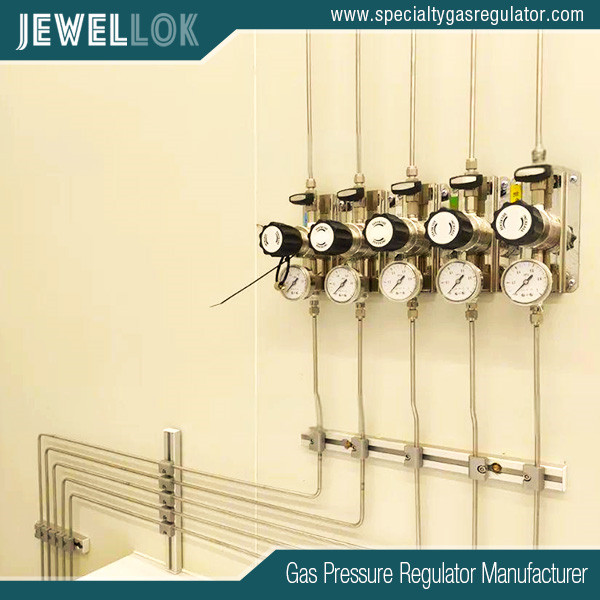
Conclusion
High pressure high flow UHP gas pressure regulators are indispensable for modern industrial processes demanding precision and purity. Their advanced designs enable efficient gas management, supporting innovation in high-tech fields. As industries evolve, these regulators will continue to advance, incorporating smarter controls and materials for even greater performance.
For more about high pressure high flow uhp gas pressure regulators, you can pay a visit to Jewellok at https://www.specialtygasregulator.com/product-category/ultra-high-purity-gas-regulators/ for more info.
-
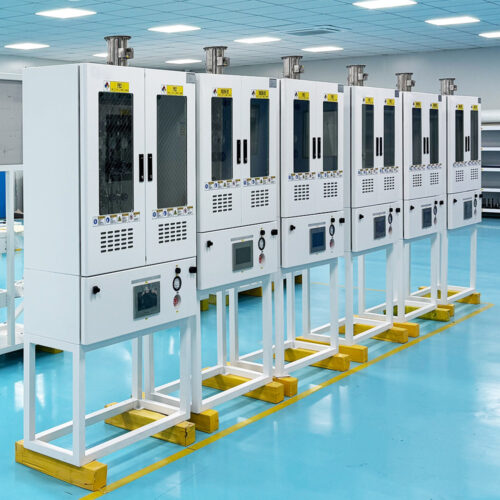
Custom Wet and Dry Exhaust Gas Scrubber System Technology for Effective Acid Gas Neutralization
-
Ultra High Purity Diaphragm Valves and Pressure Regulators for Reliable Ultra High Purity Liquid Chemical Handling Systems
-
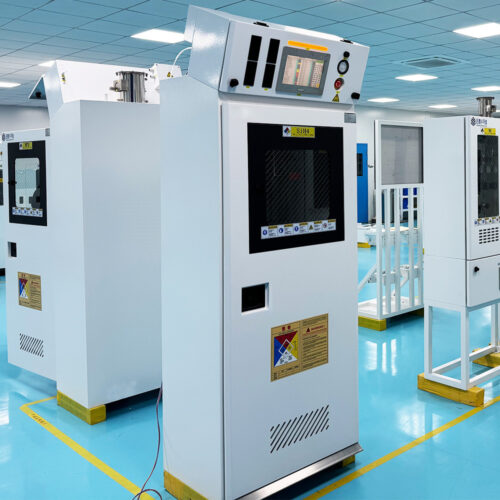
High Purity Bulk Gas Delivery Systems for Semiconductor Manufacturing and Advanced Chemical Distribution Infrastructure
-
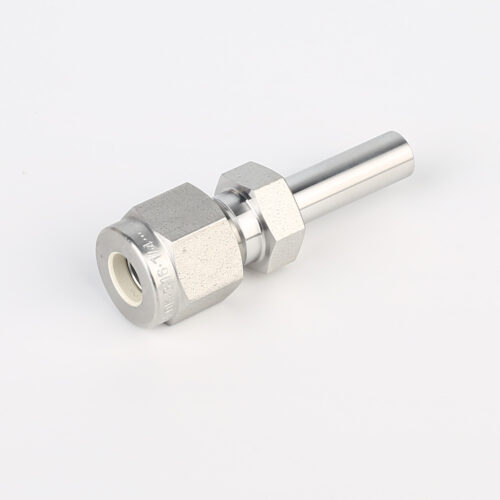
767LT Reducer Pressure Reducing Valve Adjustment High purity Pressure Reducing Union Fittings And Tubing
-
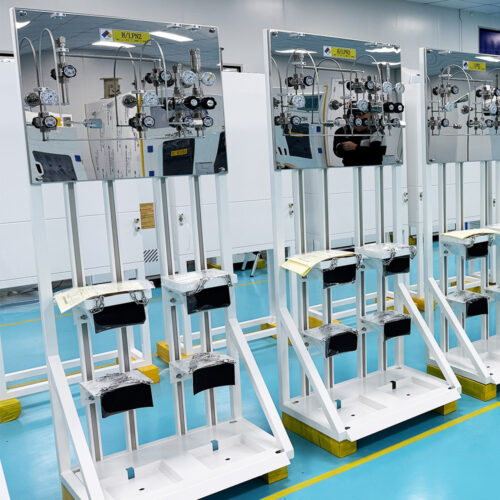
Semi-Automatic VMB Gas Cabinet Gas Changeover Manifold With Semiconductor Valve Manifold Box Diaphragm Valves And Gas Pressure Regulators
-
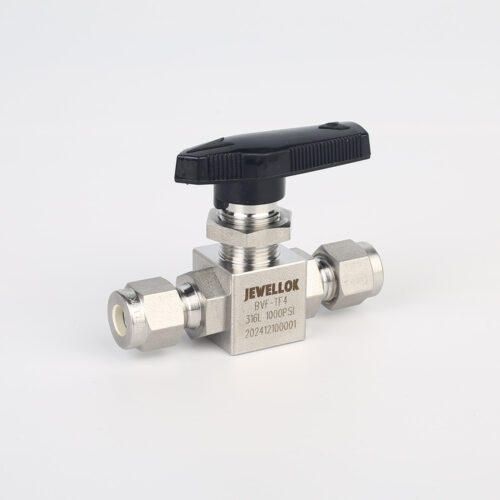
Stainless Steel High Purity High Temperature Pneumatic Actuated Ball Valves JBV2 Series
-
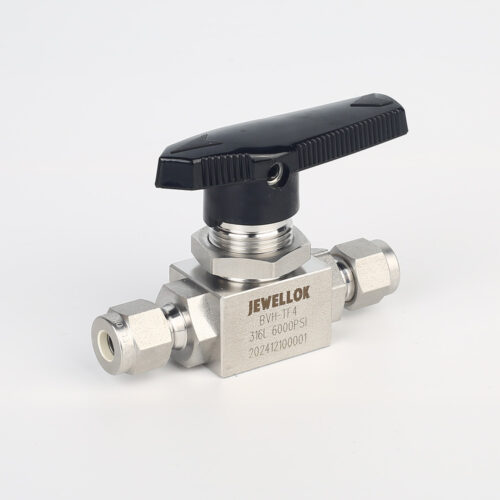
High Purity High Pressure 316 Stainless Steel Ball Valves JBV1 Series From High Pressure Ball Valve Manufacturer And Supplier In China
-
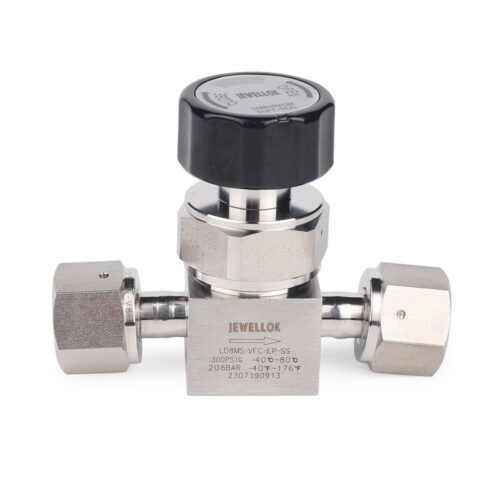
Flow Control Stainless Steel Low Pressure Manual Diaphragm Valve For High Purity And Ultra High Purity Gases