
Regulator Manufacturer Tel: +86 13380377051
Regulator Manufacturer Tel: +86 13380377051
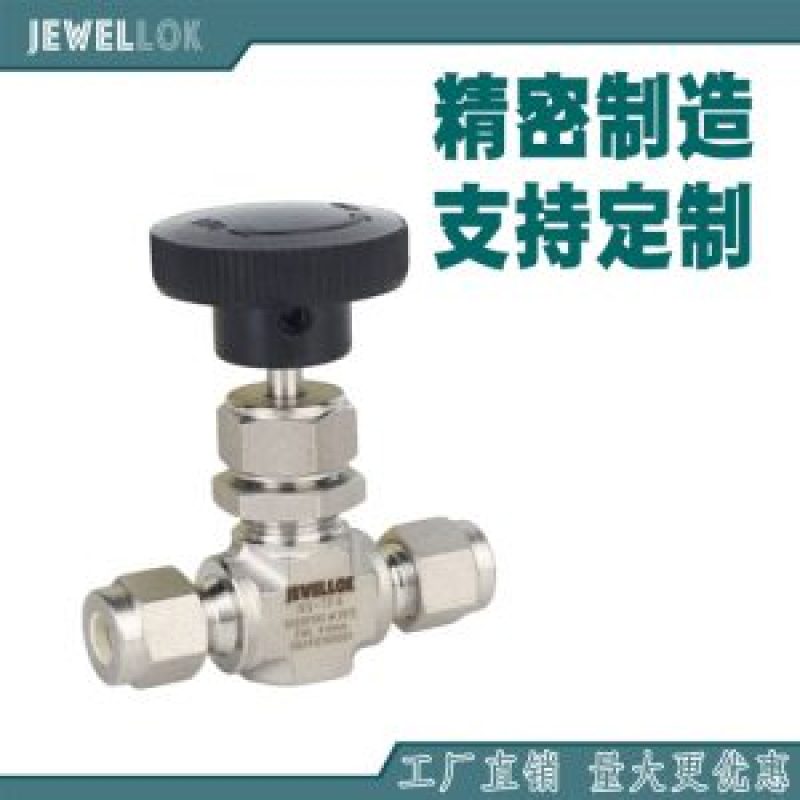
High Pressure Needle Valve Buying Guide for Industrial Applications
Introduction
High pressure needle valves are among the most critical components in industrial fluid and gas control systems. Designed to provide precise flow regulation, exceptional sealing performance, and reliable operation under extreme pressure conditions, these valves are widely used in industries such as oil & gas, semiconductor manufacturing, chemical processing, hydrogen energy, laboratory instrumentation, power generation, pharmaceuticals, and aerospace.
Selecting the right high pressure needle valve is far more than choosing a valve with the correct pressure rating. Material compatibility, sealing technology, pressure class, temperature range, connection type, certification, and maintenance requirements all directly affect system safety, operating efficiency, and long-term reliability.
This comprehensive buying guide explains everything engineers, procurement managers, and industrial equipment manufacturers should know before purchasing a high pressure needle valve.
What Is a High Pressure Needle Valve?
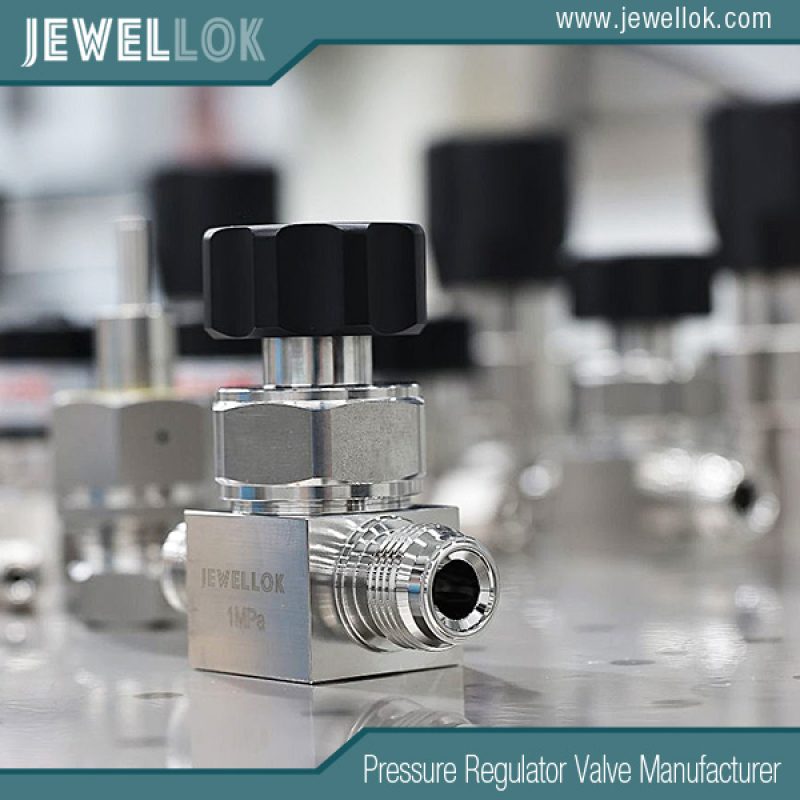
A high pressure needle valve is a manually operated valve specifically engineered to control the flow of liquids or gases with exceptional precision.
Unlike ball valves that operate fully open or fully closed, a needle valve features a long, tapered needle-shaped stem that moves gradually into a precision-machined seat. This design allows operators to make extremely fine adjustments to flow rate while minimizing pressure fluctuations.
Typical pressure ratings include:
- 3,000 PSI
- 6,000 PSI
- 10,000 PSI
- 15,000 PSI
- 20,000 PSI
- 30,000 PSI and above
Some specialized needle valves used in hydraulic testing or ultra-high-pressure systems can withstand pressures exceeding 60,000 PSI.
How Does a High Pressure Needle Valve Work?
The valve operates through a threaded stem connected to a precision-machined needle tip.
As the handle rotates:
- Clockwise rotation moves the needle toward the valve seat, gradually restricting flow.
- Counterclockwise rotation retracts the needle, increasing the flow passage.
This gradual movement provides significantly better flow control than quarter-turn valves.
Key advantages include:
- Fine flow adjustment
- Minimal leakage
- Stable pressure regulation
- Reduced water hammer
- Improved process accuracy
The precision threading enables operators to achieve repeatable flow settings even in sensitive industrial processes.
Major Industrial Applications
High pressure needle valves are essential in numerous industrial sectors.
Oil and Gas Industry
Oilfield operations rely on needle valves for:
- Wellhead control
- Pressure instrumentation
- Hydraulic systems
- Chemical injection systems
- High-pressure testing equipment
- Sampling panels
Their robust construction ensures dependable performance under harsh operating environments.
Semiconductor Manufacturing
Ultra-high purity (UHP) gas delivery systems require exceptionally clean and leak-tight valves.
Needle valves are widely used for:
- Specialty gas distribution
- High purity gas panels
- Gas cabinets
- Analytical equipment
- Process gas control
- Purge systems
Electropolished 316L stainless steel valves help minimize particle generation while maintaining gas purity.
Chemical Processing
Chemical plants demand valves resistant to highly corrosive media.
Applications include:
- Acid handling
- Solvent delivery
- Process instrumentation
- Reactor systems
- Laboratory sampling
- Pressure regulation
Material compatibility is especially important when handling aggressive chemicals.
Hydrogen Energy
Hydrogen systems require valves capable of handling:
- High pressure hydrogen
- Fuel cell systems
- Hydrogen storage
- Refueling stations
- Electrolyzers
Leak-free sealing is critical because hydrogen molecules are extremely small and prone to permeation.
Power Generation
Power plants use needle valves in:
- Steam systems
- Boiler instrumentation
- Cooling circuits
- Hydraulic controls
- Turbine monitoring
- Pressure transmitters
These applications often involve elevated temperatures and cyclic operating conditions.
Key Factors to Consider Before Buying
1. Maximum Working Pressure
Pressure rating should always exceed the system’s maximum operating pressure.
A safety margin of at least 20–30% is generally recommended.
Common pressure classes include:
- 6,000 PSI
- 10,000 PSI
- 15,000 PSI
- 20,000 PSI
- 30,000 PSI
Never operate a valve beyond its rated pressure.
2. Valve Material
Material selection determines corrosion resistance, durability, and service life.
Common materials include:
316 Stainless Steel
Best for:
- General industrial use
- Chemical processing
- Marine environments
- Instrumentation
Advantages:
- Excellent corrosion resistance
- High strength
- Long service life
316L Stainless Steel
Preferred for:
- Semiconductor systems
- Pharmaceutical equipment
- Ultra-high purity gas systems
Benefits include:
- Lower carbon content
- Superior weldability
- Reduced contamination
- Better corrosion resistance
Alloy 400 (Monel)
Suitable for:
- Hydrofluoric acid
- Seawater
- Marine environments
Hastelloy
Recommended for:
- Strong acids
- Chlorides
- Oxidizing chemicals
Duplex Stainless Steel
Ideal for:
- Offshore platforms
- Desalination
- High chloride environments
3. End Connection Type
Connection compatibility is critical for leak-free installation.
Popular options include:
Compression Fittings
Advantages:
- Easy installation
- Reliable sealing
- Reusable connections
Common tube sizes:
- 1/8″
- 1/4″
- 3/8″
- 1/2″
NPT Thread
Suitable for:
- Hydraulic systems
- General industrial piping
BSP Thread
Common throughout Europe and Asia.
Socket Weld
Ideal for permanent installations under high pressure.
Butt Weld
Preferred where maximum structural integrity is required.
4. Operating Temperature
Temperature ratings vary by material and packing design.
Typical ranges include:
- -65°F to 450°F
- -54°C to 232°C
Special graphite packing designs may operate above 1,000°F.
Cryogenic valves are available for LNG and liquid nitrogen applications.
5. Packing Material
Packing prevents leakage around the valve stem.
Common choices include:
PTFE Packing
Advantages:
- Excellent chemical resistance
- Low friction
- Easy operation
Best for:
- Moderate temperatures
- Laboratory systems
Graphite Packing
Suitable for:
- High temperatures
- Steam service
- Power generation
PEEK Packing
Offers:
- High pressure capability
- Wear resistance
- Long service life
6. Flow Coefficient (Cv)
The Cv value determines the valve’s flow capacity.
A larger Cv allows:
- Higher flow rates
- Lower pressure drop
A smaller Cv provides:
- Better precision
- Improved control
Selecting the proper Cv ensures stable system performance.
7. Leakage Performance
Industrial users should prioritize leak-tight sealing.
High-quality valves typically feature:
- Bubble-tight shutoff
- Precision-machined seats
- Metal-to-metal sealing
- Soft-seat sealing options
Leakage performance becomes increasingly important in toxic, flammable, or high-purity gas systems.
8. Stem Design
Different stem designs provide different operational characteristics.
Non-Rotating Stem
Advantages include:
- Reduced seat wear
- Longer valve life
- Improved sealing
Rising Stem
Provides a visual indication of valve position.
Fine Thread Stem
Enables highly accurate flow adjustments.
Certifications to Look For
Industrial buyers should verify compliance with recognized international standards.
Important certifications include:
- ISO 9001
- CE
- PED
- ASTM material compliance
- NACE MR0175
- ASME B31.3 compatibility
- API testing standards
For semiconductor applications, manufacturers should also provide documentation for cleanliness, helium leak testing, and electropolishing processes.
Maintenance Considerations
Routine maintenance significantly extends valve service life.
Recommended practices include:
- Inspect packing regularly
- Check for external leakage
- Clean valve threads
- Lubricate moving components
- Replace worn seals
- Avoid excessive operating torque
Proper preventive maintenance minimizes unexpected downtime.
Common Purchasing Mistakes
Many buyers focus solely on price rather than total lifecycle cost.
Common mistakes include:
Choosing the wrong material
Corrosion can quickly damage improperly selected valves.
Ignoring pressure ratings
Operating beyond rated pressure creates serious safety risks.
Overlooking temperature limits
High temperatures may degrade seals and reduce valve life.
Selecting incompatible connections
Connection mismatches increase installation costs and leak risks.
Buying uncertified products
Low-cost valves may fail prematurely under demanding industrial conditions.
Why Quality Matters
A premium high pressure needle valve provides benefits that extend far beyond initial cost savings.
Advantages include:
- Improved system safety
- Longer operating life
- Reduced maintenance
- Lower leakage rates
- Better process stability
- Higher productivity
- Reduced downtime
In critical industrial environments, valve reliability directly impacts production efficiency and worker safety.
Questions to Ask Your Supplier
Before placing an order, buyers should request detailed technical information, including:
- What is the maximum working pressure?
- Which materials are available?
- Has every valve undergone pressure testing?
- Is helium leak testing available?
- Are custom end connections offered?
- What certifications does the valve carry?
- Can the supplier provide material traceability?
- Is OEM or private labeling available?
- What warranty is included?
- What is the production lead time?
Working with an experienced manufacturer ensures better technical support and more reliable products.
Conclusion
High pressure needle valves play a vital role in ensuring safe, precise, and reliable fluid control across a wide range of industrial applications. Whether used in oil and gas production, semiconductor fabrication, hydrogen energy systems, chemical processing, or laboratory instrumentation, selecting the right valve requires careful consideration of pressure rating, material compatibility, connection type, sealing technology, operating temperature, certifications, and long-term maintenance requirements.
Rather than focusing solely on purchase price, industrial buyers should evaluate overall performance, reliability, and lifecycle value. A well-designed, high-quality needle valve reduces leakage, minimizes maintenance, enhances operational safety, and improves process efficiency over years of continuous service.
By partnering with a trusted manufacturer that offers rigorous quality control, comprehensive testing, and engineering support, businesses can ensure their high pressure systems operate safely and efficiently while maximizing equipment longevity and return on investment.
For more about high pressure needle valve buying guide for industrial applications, you can pay a visit to Jewellok at https://www.specialtygasregulator.com/product-category/specialty-gas-cabinet/ for more info.
-
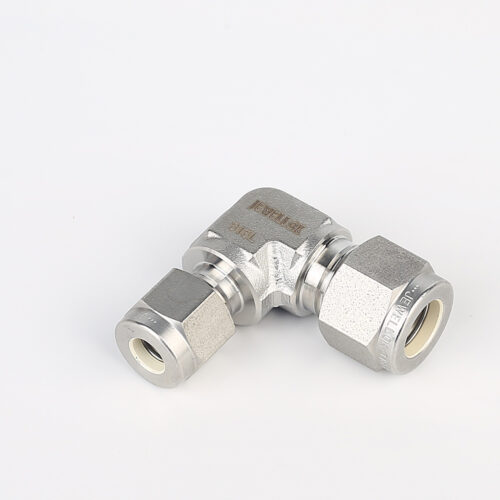
765LR Reducing Tee | Stainless Steel 316 High Purity Butt Weld Fittings Metal Face Seal For Welding Pipe Fitting Reducing Tee
-
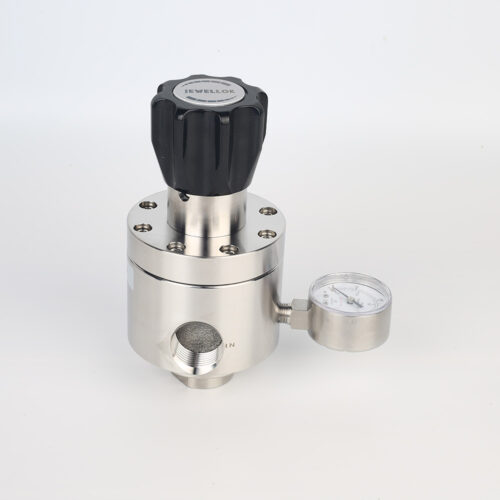
Low Pressure High Flow Line Pressure Regulators And Control Valves JSR-4L Series For Laboratory Pressure Control
-
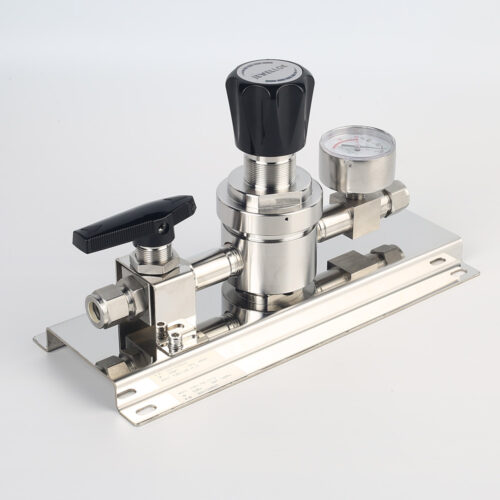
High Purity And Industria Gas Stick Assemblies Precise Pressure Control Gas Systems JSR-1ETG-BV Series
-

Precision Stainless Steel Valve Manifold Panel for Inert Gas Distribution in Cleanroom Manufacturing Environments
-
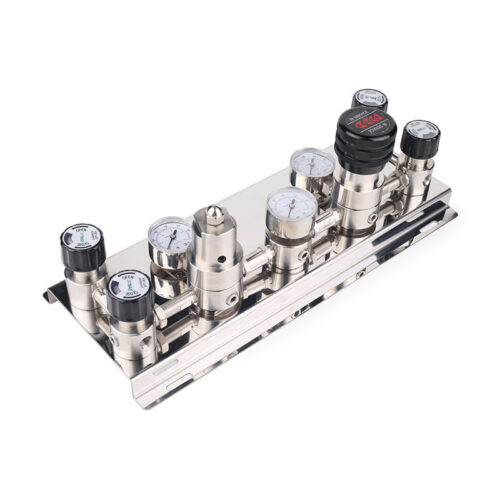
Stainless Steel High Pressure Specialty Gas Changeover Manifold For High Purity Oxygen Nitrogen Argon Helium Hydrogen Co2
-
Corrosion Resistant 316L Stainless Steel Exhaust Gas Scrubber System for Harsh Chemical Process Environments
-
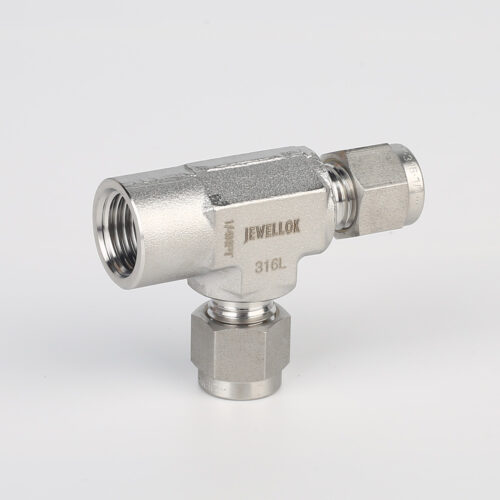
771LF Female Run Tee | Stainless Steel Tube Fitting Compression Fittings 1/4 In 3-Way Tee Female Run Tee
-
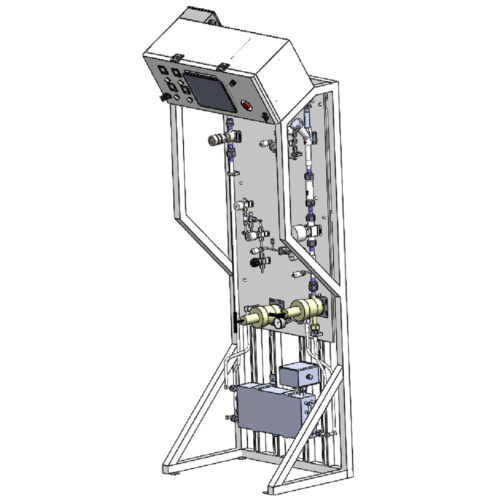
High Purity High Pressure Specialty Gas Bottle Gas Cylinder Storage Cabinet And Gas Pressure Regulating Cabinet For Semiconductor