
Regulator Manufacturer Tel: +86 13380377051
Regulator Manufacturer Tel: +86 13380377051

How to Choose a High Purity Chemical Delivery System for Semiconductor Manufacturing
Introduction
A High Purity Chemical Delivery System is one of the most critical components in modern semiconductor manufacturing, pharmaceutical production, biotechnology laboratories, photovoltaic manufacturing, and other precision industries. As device geometries continue shrinking and manufacturing processes become increasingly sophisticated, the demand for ultra-clean chemical delivery has reached unprecedented levels.
Even trace amounts of contamination can lead to wafer defects, reduced production yield, product recalls, or costly equipment downtime. Therefore, selecting the right chemical delivery system is not simply about transporting chemicals from storage to process equipment—it is about ensuring purity, process stability, operator safety, environmental compliance, and long-term operational efficiency.
This guide explains the key factors engineers, procurement specialists, and facility managers should evaluate when choosing a high purity chemical delivery system for critical manufacturing applications.

What Is a High Purity Chemical Delivery System?
A High Purity Chemical Delivery System (CDS) is an automated fluid handling system designed to safely transport high-purity chemicals from storage containers to manufacturing equipment while maintaining chemical purity throughout the entire process.
These systems typically deliver:
- Sulfuric Acid (H₂SO₄)
- Hydrofluoric Acid (HF)
- Nitric Acid (HNO₃)
- Hydrochloric Acid (HCl)
- Phosphoric Acid (H₃PO₄)
- Ammonium Hydroxide (NH₄OH)
- Hydrogen Peroxide (H₂O₂)
- Isopropyl Alcohol (IPA)
- Photoresists
- Solvents
- Specialty Chemicals
- CMP Slurries
- Cleaning Chemicals
Typical applications include:
- Semiconductor wafer fabrication
- LCD and OLED manufacturing
- Solar cell production
- Pharmaceutical manufacturing
- Biotechnology laboratories
- Precision chemical processing
- MEMS manufacturing
- Battery manufacturing
Why Choosing the Right System Matters
A chemical delivery system directly impacts:
- Product quality
- Manufacturing yield
- Process repeatability
- Chemical consumption
- Equipment uptime
- Worker safety
- Environmental compliance
- Total operating costs
An improperly designed system may result in:
- Chemical contamination
- Air bubbles entering process tools
- Pressure fluctuations
- Pump failures
- Chemical leaks
- Cross contamination
- Unexpected downtime
These problems become increasingly expensive in semiconductor fabs, where a single hour of production interruption may cost hundreds of thousands of dollars.
Key Factors to Consider
1. Chemical Compatibility
The first consideration is chemical compatibility.
Different chemicals attack different materials.
For example:
| Chemical | Recommended Wetted Materials |
|---|---|
| HF | PFA, PTFE, PVDF |
| H₂SO₄ | PFA, Quartz |
| HCl | PTFE, PVDF |
| IPA | Stainless Steel 316L, PFA |
| H₂O₂ | High Purity PFA |
Using incompatible materials may cause:
- Corrosion
- Particle generation
- Metal ion contamination
- Premature component failure
Always verify compatibility between:
- Tubing
- Valves
- Pumps
- Pressure regulators
- Sensors
- Filters
- Fittings
2. Purity Requirements
Every manufacturing process has different purity standards.
Typical purity classifications include:
- Electronic Grade
- Semiconductor Grade
- Ultra High Purity (UHP)
- Semiconductor Grade Chemicals (SGC)
The delivery system should minimize:
- Metallic contamination
- Organic contamination
- Moisture ingress
- Particle generation
- Air exposure
High-end semiconductor fabs often require:
- Metal ion contamination below ppb levels
- Particle control below 0.05 μm
- Dead-leg-free flow paths
- Electropolished wetted surfaces where applicable
3. Material Selection
Material selection greatly affects system reliability.
Common materials include:
PFA (Perfluoroalkoxy)
Advantages:
- Excellent chemical resistance
- Low particle generation
- High purity
- Smooth inner surface
- Ideal for acids and solvents
Applications:
- Semiconductor wet benches
- Chemical dispense cabinets
- Wafer cleaning systems
PTFE
Advantages:
- Outstanding corrosion resistance
- Excellent temperature resistance
- Low surface energy
Ideal for:
- Strong acids
- Aggressive chemicals
PVDF
Advantages:
- Good mechanical strength
- Excellent chemical compatibility
- Cost-effective
Commonly used in:
- Bulk chemical distribution
- Industrial chemical processing
High Purity Stainless Steel 316L
Suitable for:
- Solvents
- IPA
- Ultra-clean water
- Certain specialty chemicals
Typically features:
- Electropolished surfaces
- Low sulfur content
- Orbital welded connections
Automation Capabilities
Modern facilities increasingly prefer fully automated systems.
Automation improves:
- Accuracy
- Productivity
- Safety
- Repeatability
Typical automated features include:
- Automatic chemical refill
- Automatic drum switching
- Level monitoring
- Leak detection
- Pressure monitoring
- Flow monitoring
- Batch tracking
- Alarm management
- Remote diagnostics
- SCADA integration
- PLC control
- HMI touch screen
Automation significantly reduces human error while increasing production consistency.
Pump Selection
The pump is the heart of every chemical delivery system.
Common pump options include:
Diaphragm Pumps
Advantages:
- Leak-free operation
- Excellent chemical compatibility
- Low maintenance
Suitable for:
- Corrosive chemicals
- Semiconductor applications
Bellows Pumps
Advantages:
- Ultra-clean operation
- Particle-free pumping
- Excellent flow stability
Commonly used in:
- Wafer cleaning
- CMP systems
Magnetic Drive Pumps
Advantages:
- No mechanical seals
- Zero leakage
- Long service life
Ideal for:
- High-volume chemical transfer
Precision Flow Control
Many semiconductor processes require highly accurate chemical dosing.
Flow control components include:
- Mass flow controllers
- Flow meters
- Pressure regulators
- Back pressure valves
- Precision control valves
Critical performance indicators include:
- Stable flow rate
- Minimal pressure fluctuation
- High repeatability
- Fast response time
Stable flow directly contributes to process consistency.
Filtration Performance
Chemical filtration is essential for contamination control.
Typical filter ratings include:
- 0.2 μm
- 0.1 μm
- 0.05 μm
- 0.03 μm
High-quality filters remove:
- Particles
- Gel contaminants
- Precipitates
- Manufacturing residues
Proper filtration extends equipment life and improves wafer yield.
Safety Features
Handling hazardous chemicals requires multiple layers of protection.
Essential safety features include:
Leak Detection
Continuous monitoring detects chemical leakage immediately.
Sensors can identify:
- Acid leaks
- Solvent leaks
- Toxic chemical leakage
Automatic Emergency Shutdown
If abnormal conditions occur, the system automatically:
- Stops chemical delivery
- Closes valves
- Activates alarms
- Protects personnel
Secondary Containment
Containment trays prevent chemical spills from spreading.
Benefits include:
- Environmental protection
- Easier cleanup
- Regulatory compliance
Exhaust Ventilation
Chemical cabinets should include dedicated exhaust systems that safely remove hazardous vapors before they accumulate.
Redundancy Design
High-volume production facilities cannot tolerate downtime.
Redundancy options include:
- Dual pumps
- Dual filters
- Dual pressure regulators
- Dual chemical tanks
- Automatic switchover
Redundant systems maintain continuous production during maintenance or component replacement.
Monitoring and Data Management
Industry 4.0 manufacturing requires intelligent monitoring.
Advanced systems provide:
- Real-time process monitoring
- Historical data logging
- Alarm history
- Chemical consumption analysis
- Predictive maintenance
- Remote troubleshooting
Communication protocols often include:
- Ethernet/IP
- Modbus TCP
- OPC UA
- PROFINET
- SECS/GEM
These capabilities simplify factory integration and support digital manufacturing initiatives.
Cleanroom Compatibility
Semiconductor chemical delivery systems should meet cleanroom standards.
Consider:
- Particle-free assembly
- Cleanroom packaging
- High purity tubing
- Orbital welding
- Low outgassing materials
- Factory acceptance testing (FAT)
Cleanroom-compatible systems help maintain stringent contamination control requirements.
Compliance with International Standards
Ensure the supplier designs systems according to recognized industry standards.
Relevant standards include:
- SEMI Standards
- CE Certification
- ISO 9001
- ISO 14644 Cleanroom Standards
- NFPA Guidelines
- OSHA Safety Requirements
- RoHS Compliance
- REACH Compliance
Compliance demonstrates product quality, safety, and reliability.
Ease of Maintenance
Maintenance directly influences operating costs.
Choose systems with:
- Modular design
- Easy filter replacement
- Quick pump maintenance
- Accessible valves
- Simplified calibration
- Remote diagnostics
A maintainable design reduces downtime and lowers lifecycle costs.
Scalability and Future Expansion
Manufacturing capacity often increases over time.
Select a system capable of supporting:
- Additional chemical lines
- Higher flow rates
- Extra process tools
- Future automation upgrades
Scalable architecture protects long-term investment.
Supplier Experience
Selecting an experienced manufacturer is just as important as selecting the equipment itself.
A qualified supplier should provide:
- Engineering consultation
- Custom system design
- Process optimization
- Factory acceptance testing
- Site installation support
- Commissioning services
- Operator training
- Technical documentation
- Spare parts availability
- Global after-sales service
Experienced suppliers also understand the unique requirements of semiconductor fabs and can recommend optimized solutions for different chemical processes.
Total Cost of Ownership (TCO)
The lowest purchase price does not necessarily represent the best value.
Consider the Total Cost of Ownership, including:
- Initial equipment cost
- Installation expenses
- Energy consumption
- Chemical efficiency
- Maintenance costs
- Spare parts
- Production downtime
- Equipment lifespan
A high-quality system with superior reliability often delivers significantly lower operating costs over its service life.
Questions to Ask Before Purchasing
Before making a final decision, ask the supplier:
- Which chemicals has the system been validated to handle?
- What purity level can the system maintain?
- Which wetted materials are used?
- Does the system support automatic drum changeover?
- What safety certifications are available?
- Can the system integrate with our factory PLC or SCADA?
- What filtration accuracy is provided?
- Is preventive maintenance easy to perform?
- What warranty is included?
- Is local technical support available?
- Can the system be customized for future production expansion?
These questions help ensure the selected solution aligns with both current operational requirements and future growth plans.

Conclusion
Choosing a High Purity Chemical Delivery System is a strategic investment that directly influences manufacturing quality, operational safety, equipment reliability, and production efficiency. Rather than focusing solely on upfront cost, decision-makers should evaluate the complete solution—including chemical compatibility, material purity, automation capabilities, precision flow control, filtration performance, safety systems, cleanroom compliance, scalability, and supplier expertise.
A well-designed system delivers far more than chemicals; it provides stable process performance, minimizes contamination risks, reduces maintenance and downtime, and supports consistent production in demanding industries such as semiconductor fabrication, pharmaceuticals, biotechnology, and advanced electronics manufacturing. By carefully assessing both technical specifications and long-term operating costs, manufacturers can select a chemical delivery solution that ensures dependable performance today while remaining flexible enough to meet the evolving needs of tomorrow’s high-purity production environments.
For more about how to choose a high purity chemical delivery system for semiconductor manufacturing, you can pay a visit to Jewellok at https://www.specialtygasregulator.com/product-category/specialty-gas-cabinet/ for more info.
-
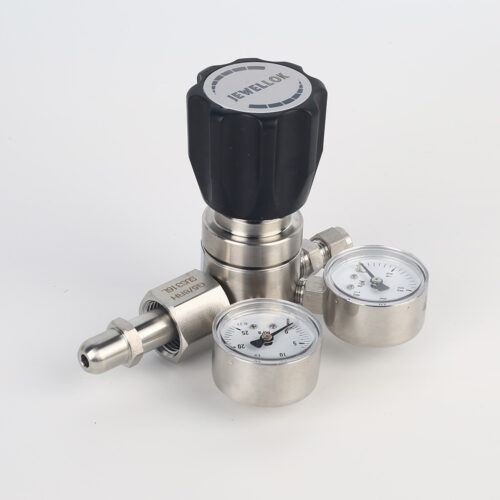
High Purity High Pressure Gas Cylinder Pressure Regulators Pressure Reducing Valve JSR-1E Series
-
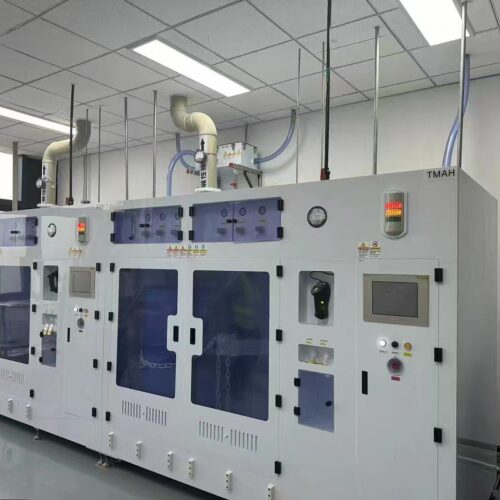
Liquid Bulk Chemical Delivery System with Automatic Chemical Dispense Unit (CDU) Featuring 316L Electropolished Stainless Steel Piping Components
-
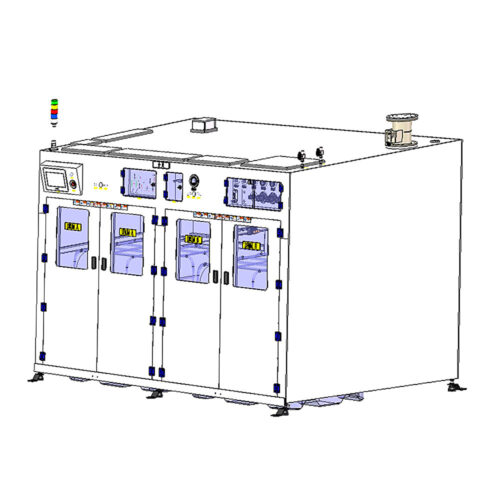
High Purity Chemical Dispense System & Packing System For Semiconductors JW-200L-CDM & JW-1000L-CDM
-
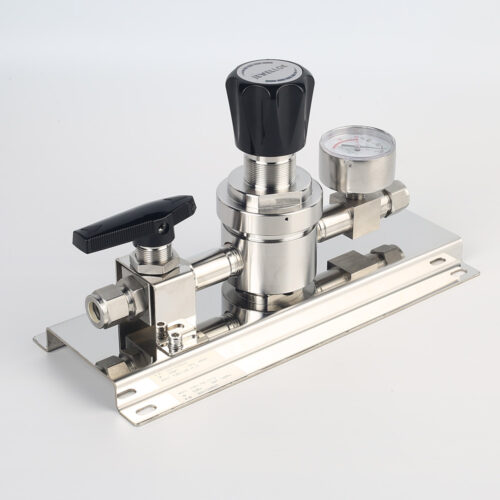
High Purity And Industria Gas Stick Assemblies Precise Pressure Control Gas Systems JSR-1ETG-BV Series
-
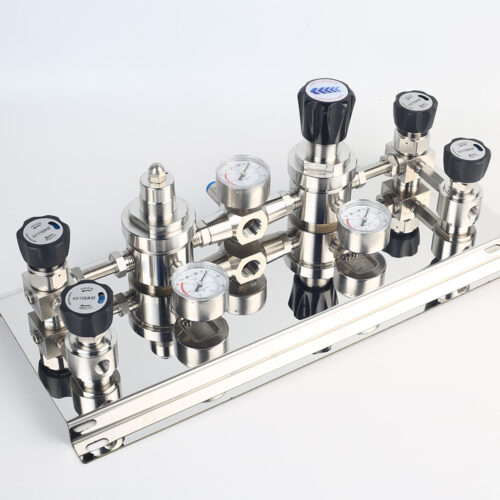
Stainless Steel Single Stage Semiconductor Grade Pressure Control Module Pressure Control Panels JSP-6A Series
-
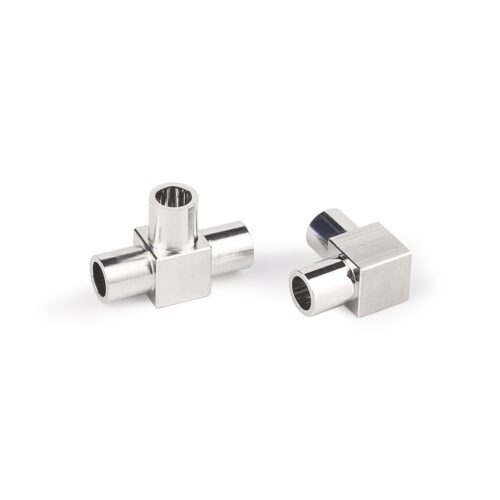
Stainless Steel Mini Elbow Mini Tee Mini Cross Mini Tribow Ultrahigh Purity Mini Butt Weld Fittings
-
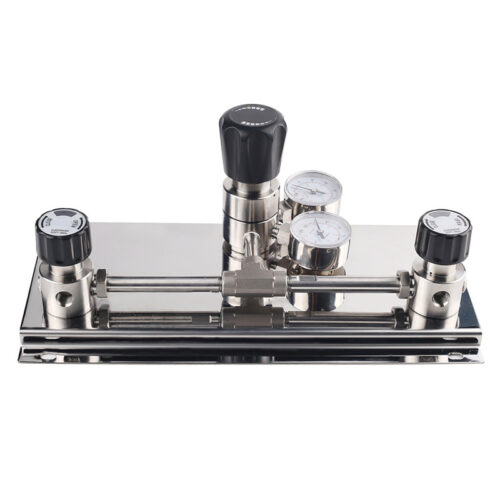
Semi Automatic Oxygen Nitrogen Helium Argon Gas Changeover Manifold Manual Gas Changeover Manifold Panel For Gas Cylinders
-
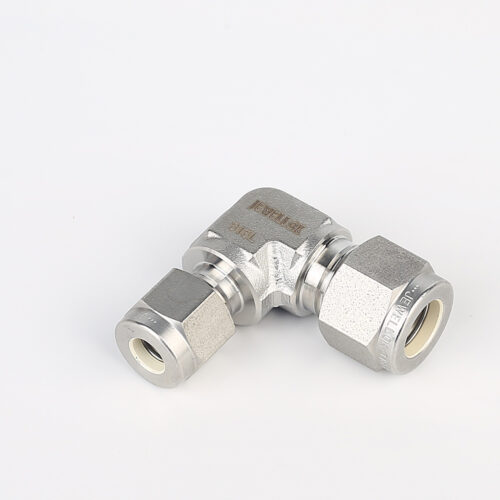
765LR Reducing Tee | Stainless Steel 316 High Purity Butt Weld Fittings Metal Face Seal For Welding Pipe Fitting Reducing Tee