
Regulator Manufacturer Tel: +86 13380377051
Regulator Manufacturer Tel: +86 13380377051

Single Stage Ultra-High Purity Gas Regulator for Specialty Gas Systems
Introduction
In today’s semiconductor, pharmaceutical, biotechnology, analytical laboratory, and advanced manufacturing industries, maintaining gas purity is no longer just a performance requirement—it is a critical factor that directly impacts product quality, process stability, and operational safety. Specialty gases such as nitrogen, argon, helium, hydrogen, oxygen, ammonia, silane, chlorine, hydrogen chloride, and other high-purity or corrosive gases require precise pressure regulation throughout the gas delivery process.
Among the essential components of any ultra-high purity (UHP) gas distribution network, the Single Stage Ultra-High Purity Gas Regulator plays a vital role. It reduces high cylinder pressure to a stable, usable outlet pressure while preserving gas purity and preventing contamination. For many laboratory, research, and industrial applications where cylinder pressure remains relatively stable during operation, a single-stage regulator provides an economical and highly reliable solution.
This article explores the working principles, structural design, materials, applications, advantages, selection criteria, and maintenance considerations of single-stage ultra-high purity gas regulators used in specialty gas systems.

What Is a Single Stage Ultra-High Purity Gas Regulator?
A Single Stage Ultra-High Purity (UHP) Gas Regulator is a precision pressure control device designed to reduce high inlet gas pressure from a compressed gas cylinder or bulk gas source to a controlled outlet pressure in one pressure reduction stage.
Unlike conventional industrial regulators, UHP regulators are specifically engineered to minimize:
- Particle generation
- Dead volume
- Internal leakage
- Moisture contamination
- Oxygen contamination
- Hydrocarbon contamination
These regulators are manufactured under strict cleanliness standards and are typically assembled in cleanroom environments to support gas purity levels up to 99.9999% (6N) or higher.
Their compact structure, excellent sealing performance, and corrosion resistance make them indispensable for specialty gas delivery systems.
Working Principle
The operation of a single-stage regulator is based on mechanical force balance.
When high-pressure gas enters the regulator body:
- Gas flows through the inlet port.
- The diaphragm senses outlet pressure.
- A precision spring applies force to the diaphragm.
- The valve seat opens proportionally.
- Gas pressure is reduced to the desired outlet pressure.
- As downstream pressure changes, the diaphragm automatically adjusts the valve opening to maintain stable pressure.
Because pressure reduction occurs only once, outlet pressure gradually increases as cylinder pressure decreases, a phenomenon known as Supply Pressure Effect (SPE) or decaying inlet characteristic.
For applications requiring extremely stable outlet pressure over the entire cylinder life, dual-stage regulators are generally recommended. However, for many specialty gas applications with relatively constant inlet pressure, single-stage regulators deliver excellent performance at lower cost.
Key Design Features
1. High Purity Wetted Materials
Material selection directly influences gas purity.
Typical wetted materials include:
- 316L VAR stainless steel
- 316L VIM-VAR stainless steel
- Electropolished stainless steel
- Hastelloy® for corrosive gases
- Nickel-based alloys
- Monel® for specialty applications
These materials exhibit:
- Excellent corrosion resistance
- Low outgassing
- Minimal particle shedding
- Long service life
Electropolished internal surfaces further reduce adsorption sites and improve cleanliness.
2. Metal-to-Metal Diaphragm Seal
High-quality UHP regulators generally utilize:
- Hastelloy diaphragm
- Cobalt alloy diaphragm
- Nickel alloy diaphragm
Compared with elastomer diaphragms, metal diaphragms provide:
- Zero diffusion
- Better chemical compatibility
- Longer fatigue life
- Lower particle generation
- Excellent leak integrity
Metal diaphragm construction is especially important for semiconductor-grade gas systems.
3. Surface Finish
Internal surface roughness significantly affects contamination control.
Typical specifications include:
- Ra ≤ 25 μin
- Ra ≤ 10 μin
- Electropolished finish
Smooth internal surfaces minimize:
- Particle adhesion
- Moisture absorption
- Chemical residue accumulation
This is essential for maintaining ultra-high purity gas flow.
4. Low Internal Volume
Dead space inside a regulator can trap contaminants.
Modern UHP regulators feature:
- Streamlined flow paths
- Low internal volume
- Minimal dead legs
- Optimized valve geometry
These design improvements reduce purge time and gas consumption while improving system response.
5. High Leak Tightness
Leak integrity is critical when handling hazardous or expensive specialty gases.
Typical leak specifications include:
- Internal leakage: Bubble-tight
- External leakage: ≤1×10⁻⁹ atm·cc/sec He
- Helium mass spectrometer leak testing
Each regulator is usually 100% helium leak tested before shipment.
Advantages of Single Stage UHP Regulators
Stable Pressure Control
Precision-machined valve seats and diaphragms ensure accurate outlet pressure adjustment.
Applications requiring consistent pressure include:
- Gas chromatography
- Laser systems
- Laboratory gas supply
- Semiconductor process tools
Excellent Gas Purity Preservation
Every internal component is optimized to prevent contamination.
Benefits include:
- Reduced particle contamination
- Lower moisture levels
- Reduced oxygen ingress
- Cleaner gas delivery
This protects sensitive manufacturing processes.
Compact Installation
Single-stage regulators occupy less installation space than dual-stage models.
They are ideal for:
- Gas cabinets
- Laboratory gas panels
- Wall-mounted gas systems
- Compact analytical instruments
Lower Cost
For applications where inlet pressure remains relatively stable, single-stage regulators provide:
- Lower purchase cost
- Lower maintenance cost
- Simple installation
- High reliability
This makes them attractive for many industrial users.
Applications in Specialty Gas Systems
Semiconductor Manufacturing
The semiconductor industry demands contamination-free gas delivery.
Single-stage UHP regulators are widely used with:
- Nitrogen
- Argon
- Helium
- Hydrogen
- Oxygen
- Process purge gases
Applications include:
- Wafer fabrication
- Photolithography
- Thin film deposition
- CVD
- ALD
- Metrology equipment
Analytical Laboratories
Laboratories require highly stable gas pressure for precision instruments.
Typical equipment includes:
- Gas chromatographs
- Mass spectrometers
- ICP-MS
- Atomic absorption spectrometers
- FTIR systems
Stable gas flow improves measurement repeatability and analytical accuracy.
Pharmaceutical Manufacturing
Pharmaceutical production relies on ultra-clean gases for:
- Sterile processing
- Fermentation
- Packaging
- Cleanroom operations
- Process validation
UHP regulators help maintain strict GMP standards.
Biotechnology
Biotechnology applications include:
- Cell culture
- Bioreactors
- Fermentation systems
- Medical gas delivery
Reliable pressure control enhances process consistency.
Research Institutions
Research laboratories often work with specialty gases requiring high purity.
Examples include:
- Hydrogen
- Nitrogen
- Argon
- Helium
- Calibration gases
- Rare gases
Single-stage regulators provide precise control for experimental systems.
Compatible Specialty Gases
Depending on material compatibility, single-stage UHP regulators can handle:
- Nitrogen (N₂)
- Argon (Ar)
- Helium (He)
- Hydrogen (H₂)
- Oxygen (O₂)
- Carbon dioxide (CO₂)
- Methane (CH₄)
- Ammonia (NH₃)
- Hydrogen chloride (HCl)
- Chlorine (Cl₂)
- Silane (SiH₄)
- Nitrous oxide (N₂O)
- Sulfur hexafluoride (SF₆)
- Calibration gas mixtures
Corrosive gases require specially selected diaphragm materials and valve seat designs.
Important Performance Parameters
When selecting a regulator, engineers should evaluate several technical specifications.
Maximum Inlet Pressure
Typical ratings include:
- 3,000 psi
- 4,500 psi
- 6,000 psi
Higher pressure ratings provide greater flexibility across different gas cylinders.
Outlet Pressure Range
Common outlet pressure ranges include:
- 0–15 psi
- 0–50 psi
- 0–100 psi
- 0–150 psi
- 0–250 psi
Selection depends on downstream equipment requirements.
Flow Capacity
Flow capacity is determined by:
- Cv value
- Valve orifice size
- System pressure
- Gas type
Proper sizing ensures stable operation without unnecessary pressure drop.
Operating Temperature
Most UHP regulators operate between:
- -40°C to +74°C
Special versions are available for wider temperature ranges.
Installation Best Practices
Correct installation is essential for maintaining gas purity and ensuring safe operation.
Recommended practices include:
- Clean all gas lines before installation.
- Verify gas compatibility with regulator materials.
- Use orbital-welded stainless steel tubing where possible.
- Minimize dead volume.
- Install the regulator in a clean environment.
- Leak-test all fittings after installation.
- Avoid introducing oil or grease into oxygen service.
- Follow manufacturer torque specifications.
Proper installation significantly extends regulator service life.
Maintenance Recommendations
Although UHP regulators require minimal maintenance, regular inspection improves long-term reliability.
Maintenance should include:
- Periodic leak testing
- Visual inspection
- Pressure performance verification
- Diaphragm inspection
- Valve seat inspection
- Cleaning using approved methods
- Replacement of worn components
Never disassemble a regulator in an uncontrolled environment, as contamination may compromise gas purity.
Choosing the Right Single Stage UHP Regulator
Before purchasing, engineers should consider:
- Gas type
- Gas purity requirements
- Cylinder pressure
- Required outlet pressure
- Maximum flow rate
- Material compatibility
- Leak rate requirements
- Surface finish
- Port connection type
- Cleanroom assembly certification
Additional certifications such as SEMI, CE, ISO 9001, and helium leak testing documentation provide further assurance of quality.
Selecting a regulator designed specifically for specialty gas service minimizes contamination risks and reduces downtime.
Future Trends
As semiconductor manufacturing moves toward smaller process nodes and advanced packaging technologies, gas delivery systems continue to demand higher levels of cleanliness and precision.
Future single-stage UHP gas regulators are expected to feature:
- Enhanced corrosion-resistant alloys
- Lower internal dead volume
- Advanced electropolishing techniques
- Improved diaphragm fatigue resistance
- Smart pressure monitoring integration
- Digital pressure sensing capabilities
- Predictive maintenance support
- Higher purity manufacturing standards
These innovations will improve process reliability while supporting increasingly demanding semiconductor and pharmaceutical production environments.
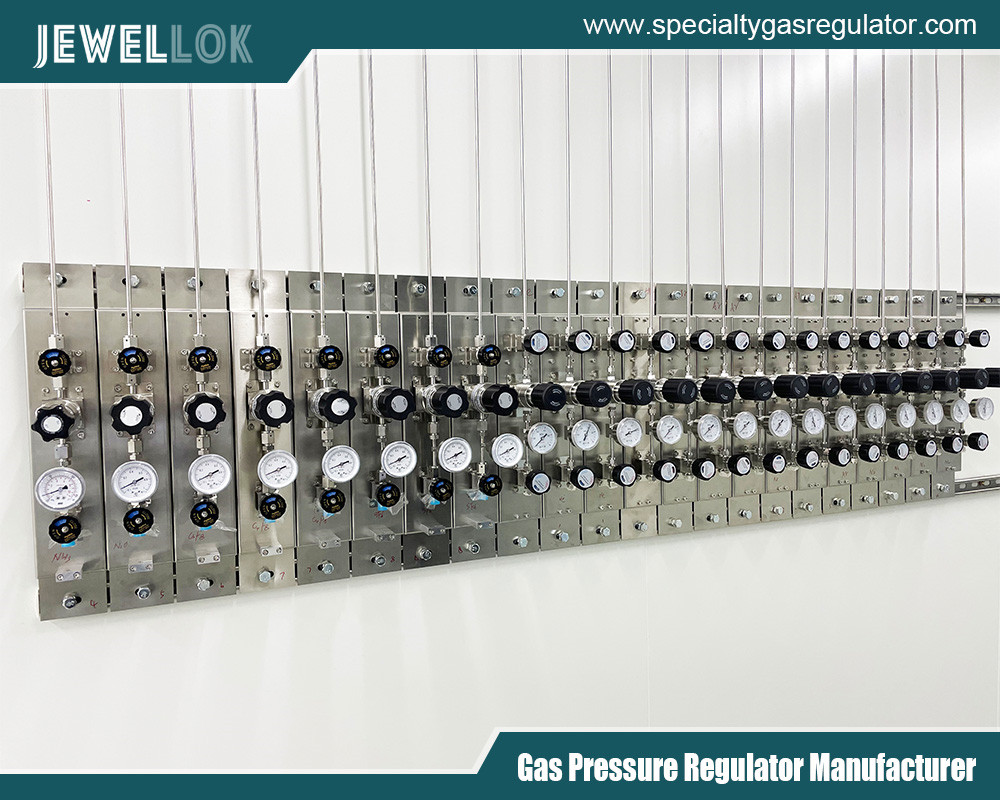
Conclusion
The Single Stage Ultra-High Purity Gas Regulator remains a fundamental component in modern specialty gas systems. Its ability to provide accurate pressure reduction while preserving gas purity makes it an ideal choice for laboratories, semiconductor fabrication plants, pharmaceutical manufacturing facilities, biotechnology applications, and research institutions.
Constructed from high-quality stainless steel with metal diaphragm technology, electropolished flow paths, and ultra-low leak performance, these regulators ensure reliable operation even in the most demanding environments. While dual-stage regulators are preferred for applications requiring exceptionally constant outlet pressure over the entire cylinder life, single-stage UHP regulators offer an outstanding balance of precision, reliability, compactness, and cost-effectiveness for countless specialty gas applications.
By selecting the appropriate materials, pressure range, flow capacity, and cleanliness specifications, users can maximize system performance, reduce contamination risks, and extend equipment life. As advanced manufacturing continues to evolve, high-performance single-stage ultra-high purity gas regulators will remain an indispensable part of safe, efficient, and contamination-free specialty gas delivery systems worldwide.
For more about single stage Ultra-High Purity Gas Regulator for specialty gas systems, you can pay a visit to Jewellok at https://www.specialtygasregulator.com/product-category/specialty-gas-cabinet/ for more info.
-
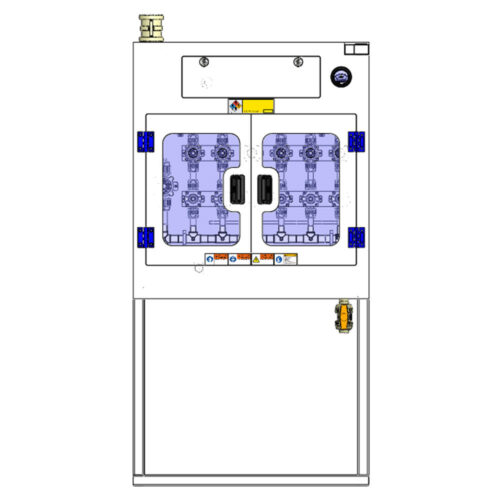
High Purity Configurable Systems VMB Valve Manifold Box JW-200-VMB-C & JW-100-VMB-C
-
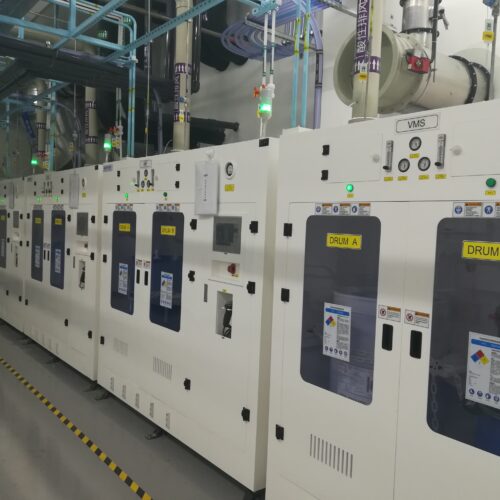
High Purity Liquid Chemical Delivery Systems Designed for Sub Micron Semiconductor Production
-
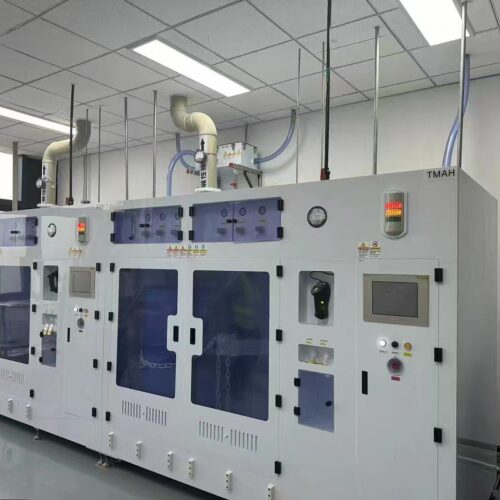
Integrated Bulk Chemical Delivery System and Automatic CDU Solutions for Safe Hazardous Chemical Fluid Handling
-
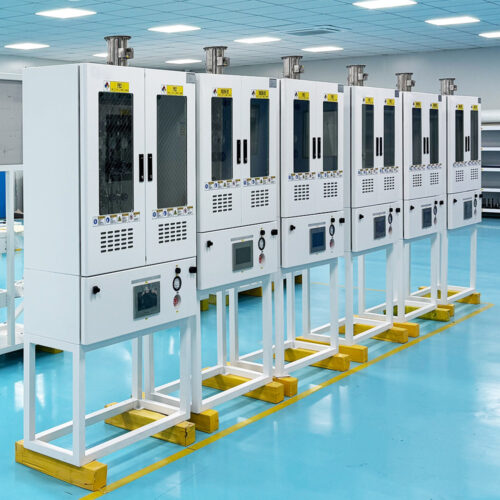
VMB Valve Manifold Panels And Boxes High Purity Configurable Systems JW-200-VMB & JW-100-VMB
-
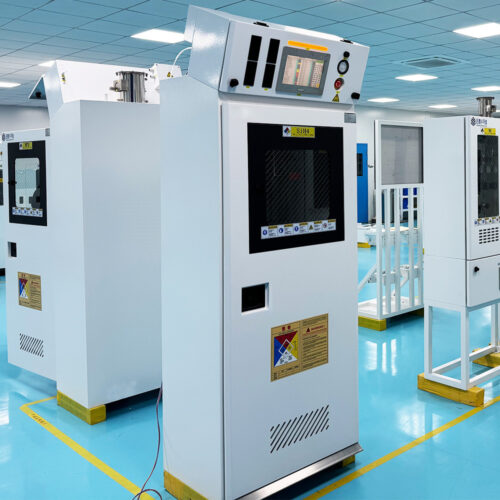
High Purity Bulk Gas Delivery Systems for Semiconductor Manufacturing and Advanced Chemical Distribution Infrastructure
-
Advanced Exhaust Gas Scrubber System Design for 99% Removal Efficiency of Industrial Toxic Gases
-
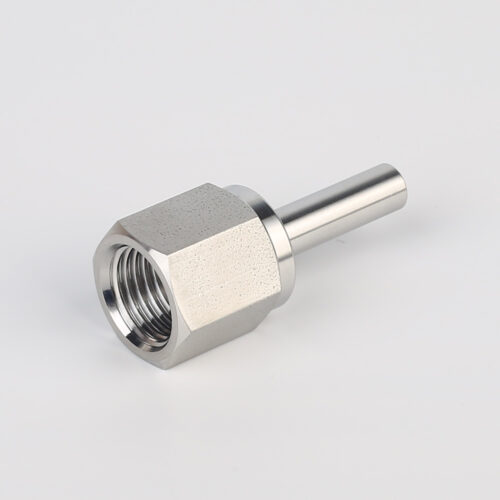
739LF High Purity Female Adapter Tube To Pipe Fittings And Connectors
-
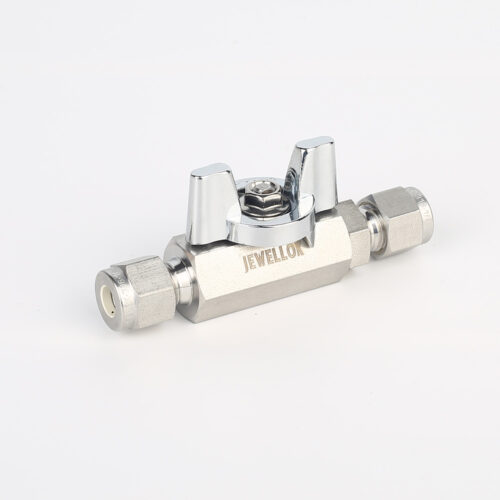
Stainless Steel High-Purity High Temperature Metal Seated Ball Valves JBV3 Series