
Regulator Manufacturer Tel: +86 13380377051
Regulator Manufacturer Tel: +86 13380377051
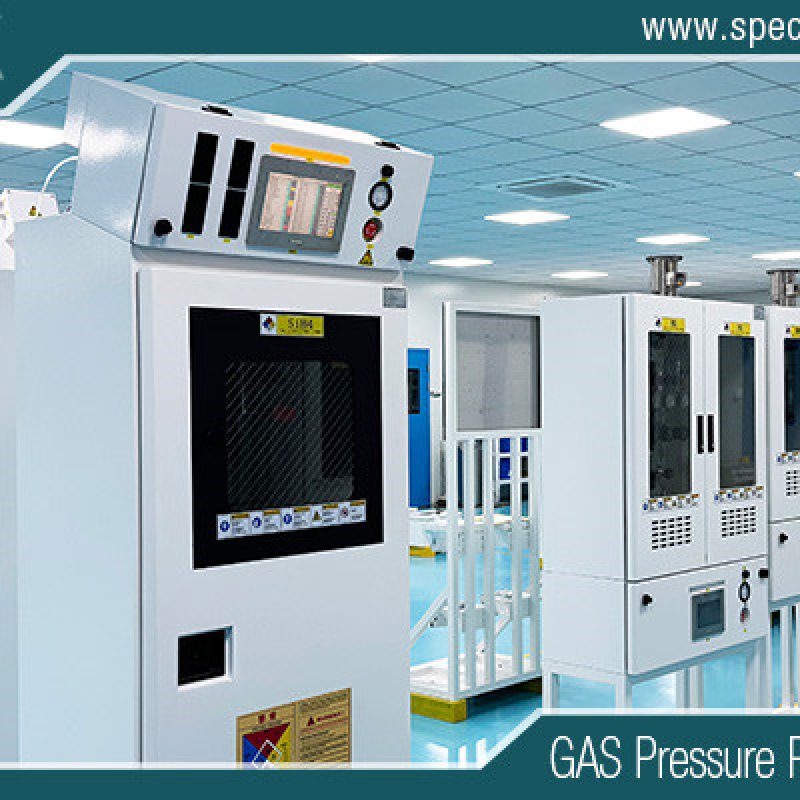
Why CVD Gas Precursor Delivery Matters in Semiconductor Manufacturing
Introduction
Chemical Vapor Deposition (CVD) is one of the most critical processes in modern semiconductor manufacturing. As integrated circuits continue to shrink while becoming more powerful, the demand for precise thin-film deposition has never been higher. Every advanced semiconductor device—including CPUs, GPUs, memory chips, power semiconductors, MEMS devices, and compound semiconductors—relies on high-quality deposited films to achieve exceptional electrical performance and long-term reliability.
However, the quality of a CVD process depends on much more than the deposition reactor itself. Behind every successful deposition lies a highly engineered CVD gas precursor delivery system, responsible for transporting sensitive precursor chemicals safely, accurately, and consistently from the chemical source to the process chamber.
An improperly designed gas delivery system can cause unstable flow, particle contamination, precursor decomposition, pressure fluctuations, film non-uniformity, equipment downtime, and even serious safety incidents. As semiconductor fabrication advances toward 3nm, 2nm, and beyond, precursor delivery has become a strategic technology rather than merely a supporting utility.
This article explains why CVD gas precursor delivery matters, its major components, design challenges, industry requirements, and future development trends.
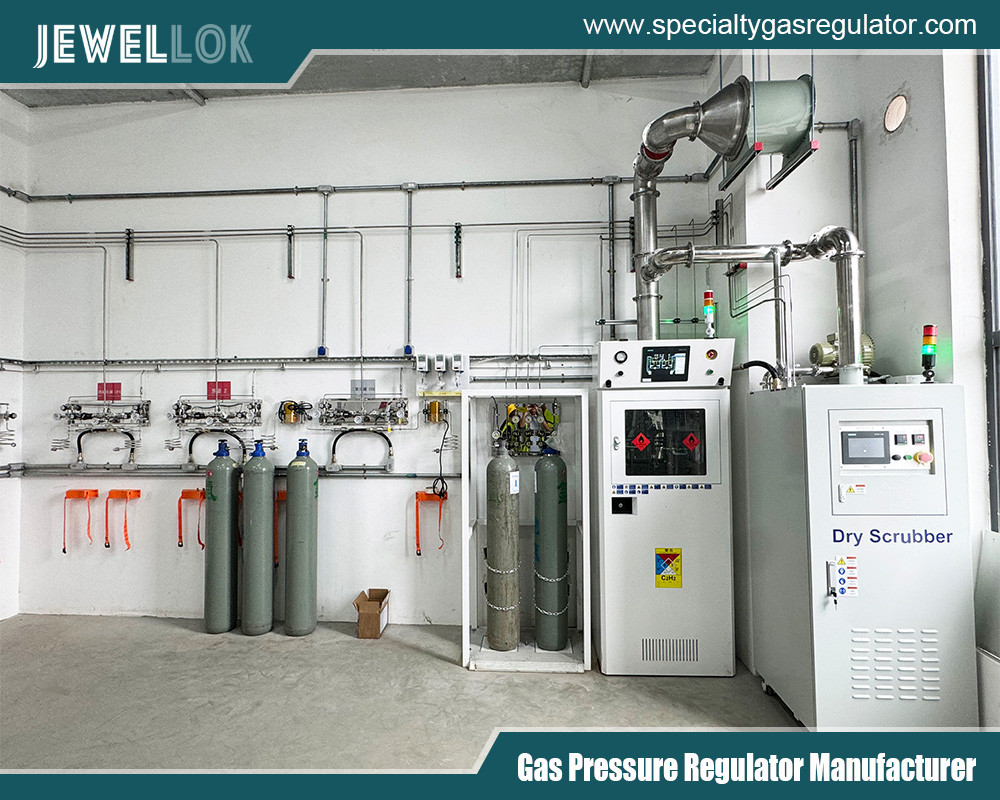
Understanding CVD Gas Precursor Delivery
A CVD gas precursor delivery system is designed to transport gaseous or vaporized chemical precursors from storage containers to semiconductor process equipment under tightly controlled conditions.
Typical precursor materials include:
- Silane (SiH₄)
- Dichlorosilane (DCS)
- Tetraethyl Orthosilicate (TEOS)
- Tungsten Hexafluoride (WF₆)
- Ammonia (NH₃)
- Trimethylaluminum (TMA)
- Titanium Tetrachloride (TiCl₄)
- Hafnium precursors
- Organometallic compounds
- Metal-organic precursors
Many of these chemicals are:
- Pyrophoric
- Toxic
- Corrosive
- Moisture-sensitive
- Temperature-sensitive
- High purity requirements (>99.9999%)
Delivering these materials without contamination or decomposition requires highly specialized engineering.
Why Accurate Precursor Delivery Is Essential
1. Film Thickness Uniformity
Modern semiconductor devices require deposition uniformity measured in nanometers.
Even a slight variation in precursor flow rate can result in:
- Uneven film thickness
- Poor wafer yield
- Electrical performance variation
- Increased defect density
Stable pressure regulation and mass flow control ensure that every wafer receives the exact amount of precursor throughout the deposition cycle.
2. Maintaining Ultra-High Purity
Semiconductor fabrication requires contamination levels measured in parts per billion (ppb) or even parts per trillion (ppt).
Possible contamination sources include:
- Moisture
- Oxygen
- Hydrocarbons
- Metal particles
- Valve wear debris
- Seal degradation
A properly designed gas delivery system uses:
- Electropolished 316L stainless steel tubing
- Orbital welded connections
- Metal diaphragm valves
- High-purity pressure regulators
- VCR face seal fittings
- Cleanroom assembly procedures
These features help maintain the purity necessary for advanced semiconductor manufacturing.
3. Precise Pressure Control
Pressure stability directly affects precursor transport and deposition kinetics.
Pressure fluctuations may lead to:
- Unstable deposition rate
- Film stress variation
- Poor conformality
- Process drift
- Chamber instability
Modern pressure control panels use:
- Dual-stage pressure regulators
- Automatic pressure control valves
- Pressure transducers
- Closed-loop control systems
- Digital pressure monitoring
Stable pressure means stable process performance.
4. Temperature Management
Many CVD precursors exist as liquids at room temperature and require vaporization before entering the reactor.
Examples include:
- TEOS
- TMA
- TEMAH
- Titanium precursors
- Various metal-organic compounds
Temperature fluctuations may cause:
- Condensation
- Incomplete vaporization
- Flow instability
- Particle formation
- Chemical decomposition
For this reason, precursor delivery systems often include:
- Heated cabinets
- Heated gas lines
- Heated valves
- Heated pressure regulators
- Temperature-controlled vaporizers
Maintaining proper temperature ensures consistent precursor concentration.
Safety Is the Highest Priority
Many semiconductor process gases present significant hazards.
Examples include:
| Gas | Hazard |
|---|---|
| Silane | Pyrophoric |
| Arsine | Extremely toxic |
| Phosphine | Highly toxic |
| Hydrogen | Flammable |
| Chlorine | Corrosive |
| WF₆ | Toxic and corrosive |
| BCl₃ | Toxic |
| NH₃ | Toxic |
A modern CVD precursor delivery system incorporates multiple layers of safety protection.
These typically include:
- Automatic shutoff valves
- Excess flow protection
- Gas leak detection
- Pressure relief devices
- Emergency shutdown systems
- Nitrogen purge systems
- Vent and exhaust management
- PLC safety interlocks
These features protect personnel, equipment, and production facilities.
Core Components of a CVD Gas Delivery System
A complete semiconductor-grade gas delivery system generally includes the following components.
Gas Cylinder Cabinet
Gas cabinets safely house hazardous gas cylinders while providing:
- Ventilation
- Leak containment
- Fire protection
- Automatic shutdown
- Cylinder monitoring
- Gas detection
Pressure Control Panel
Pressure control panels regulate gas pressure from high-pressure cylinders to stable process pressure.
Typical components include:
- Pressure regulators
- Pressure gauges
- Pressure transmitters
- Diaphragm valves
- Relief valves
- Isolation valves
Accurate pressure control improves process repeatability.
Mass Flow Controllers (MFC)
Mass Flow Controllers are among the most important devices in precursor delivery.
Their functions include:
- Accurate flow regulation
- Fast response
- Repeatability
- Closed-loop control
- Recipe execution
Modern semiconductor MFC accuracy often reaches ±0.5% of setpoint or better.
Automatic Valve Manifold
Automated valve manifolds perform:
- Process isolation
- Gas switching
- Purging
- Line evacuation
- Emergency shutdown
High-cycle diaphragm valves provide excellent reliability and ultra-low particle generation.
Heated Delivery Lines
Temperature-controlled delivery lines prevent:
- Vapor condensation
- Chemical precipitation
- Pressure fluctuations
- Flow instability
Uniform heating significantly improves process consistency.
PLC Control System
Today’s gas delivery systems are highly automated.
PLC-based control systems perform:
- Process monitoring
- Alarm management
- Automatic purging
- Safety interlocks
- Data logging
- Remote monitoring
- Preventive maintenance alerts
Automation minimizes operator error while improving production efficiency.
Purging: Preventing Cross Contamination
Gas line purging is essential before:
- Cylinder replacement
- Maintenance
- Process changeover
- Shutdown
- Startup
Typical purge gases include:
- Nitrogen
- Argon
- High-purity helium
Automatic purge sequences eliminate:
- Residual precursor
- Moisture
- Oxygen
- Reactive gases
This reduces contamination while extending component life.
Importance of Material Selection
Material compatibility directly affects reliability.
Common materials include:
Electropolished 316L Stainless Steel
Advantages:
- Excellent corrosion resistance
- Low particle generation
- Smooth internal surface
- High cleanliness
Hastelloy
Used for:
- Highly corrosive gases
- Halogen chemistry
- Aggressive process environments
Nickel Alloys
Suitable for:
- High-temperature applications
- Strong chemical resistance
- Specialty precursor delivery
Metal Diaphragm Seals
Compared with elastomer seals, metal diaphragms offer:
- Lower outgassing
- Better purity
- Longer lifetime
- Higher leak integrity
Automation Improves Process Stability
Modern semiconductor fabs emphasize smart manufacturing.
Advanced precursor delivery systems integrate with Manufacturing Execution Systems (MES) and Factory Automation (FA) platforms.
Automation provides:
- Real-time pressure monitoring
- Flow trend analysis
- Predictive maintenance
- Remote diagnostics
- Automatic recipe control
- Data traceability
These capabilities improve overall equipment effectiveness (OEE).
Challenges in Advanced Semiconductor Nodes
As technology advances below 5nm, precursor delivery becomes increasingly demanding.
Key challenges include:
Extremely Low Flow Rates
Advanced processes require flow control in extremely small ranges while maintaining high repeatability.
Complex Precursor Chemistry
New deposition materials include:
- High-k dielectrics
- Low-k materials
- Metal gates
- Ruthenium
- Cobalt
- Tungsten
- Molybdenum
Many require sophisticated temperature management.
Higher Purity Standards
Next-generation fabs target impurity levels approaching parts-per-trillion.
This requires:
- Better surface finish
- Improved cleaning processes
- Advanced leak testing
- Ultra-clean assembly
Increased Automation
Smart factories require seamless communication between:
- PLC
- SCADA
- MES
- SECS/GEM
- Industrial Ethernet
Digital connectivity improves production efficiency and quality control.
Best Practices for CVD Gas Precursor Delivery
Semiconductor manufacturers should follow several best practices:
- Select semiconductor-grade components.
- Use electropolished tubing with orbital welding.
- Implement automatic purge sequences.
- Maintain stable temperature throughout delivery lines.
- Install redundant safety systems.
- Perform regular leak testing.
- Calibrate pressure regulators and MFCs periodically.
- Replace worn valves before failure.
- Continuously monitor gas purity.
- Record operational data for predictive maintenance.
Following these practices minimizes contamination while maximizing equipment uptime.
Future Trends
The future of CVD precursor delivery is driven by semiconductor scaling and digital manufacturing.
Emerging trends include:
AI-Based Process Optimization
Artificial intelligence can analyze pressure, flow, and temperature data to optimize deposition recipes automatically.
Smart Sensors
Next-generation sensors provide:
- Real-time diagnostics
- Self-calibration
- Predictive failure detection
- Higher measurement accuracy
Digital Twins
Virtual models simulate gas delivery performance before production begins, reducing commissioning time and improving process optimization.
Modular Gas Delivery Systems
Modular architectures allow faster installation, easier maintenance, and simplified system expansion for growing semiconductor fabs.
Sustainable Manufacturing
Manufacturers increasingly focus on:
- Lower gas consumption
- Reduced emissions
- Improved chemical utilization
- Energy-efficient heating
- Waste gas reduction
These initiatives support both environmental goals and lower operating costs.
Choosing the Right CVD Gas Precursor Delivery Supplier
Selecting an experienced supplier is crucial for long-term operational success. Key evaluation criteria include:
- Proven experience in semiconductor gas delivery systems.
- Compliance with SEMI, CE, and international safety standards.
- Expertise in ultra-high-purity (UHP) system design.
- Ability to customize solutions for specific CVD processes and precursor chemistries.
- High-quality components such as metal diaphragm valves, precision regulators, and semiconductor-grade mass flow controllers.
- Cleanroom manufacturing and assembly capabilities.
- Comprehensive factory acceptance testing (FAT) and leak testing.
- Strong after-sales support, spare parts availability, and technical service.
- Integration capability with PLC, SCADA, MES, and SECS/GEM communication protocols.
- Scalable system designs that accommodate future process upgrades.
A reliable supplier not only provides equipment but also contributes to process stability, higher wafer yields, reduced maintenance costs, and improved production safety throughout the lifecycle of the semiconductor manufacturing facility.

Conclusion
CVD gas precursor delivery is far more than a supporting subsystem—it is a cornerstone of successful semiconductor manufacturing. From maintaining ultra-high purity and precise pressure control to ensuring stable temperature, accurate flow regulation, and comprehensive safety protection, every aspect of the delivery system directly influences film quality, device performance, and manufacturing yield.
As semiconductor technologies continue to evolve toward smaller process nodes, more complex materials, and fully automated smart factories, the demands placed on precursor delivery systems will only increase. Advanced gas delivery solutions equipped with intelligent controls, ultra-clean materials, robust safety mechanisms, and predictive diagnostics will play a pivotal role in enabling the next generation of semiconductor innovation.
For semiconductor manufacturers seeking higher productivity, consistent process performance, and long-term operational reliability, investing in a well-designed, semiconductor-grade CVD gas precursor delivery system is not simply an engineering decision—it is a strategic investment in quality, safety, and competitive advantage.
For more about why CVD gas precursor delivery matters in semiconductor manufacturing, you can pay a visit to Jewellok at https://www.specialtygasregulator.com/product-category/specialty-gas-cabinet/ for more info.
-
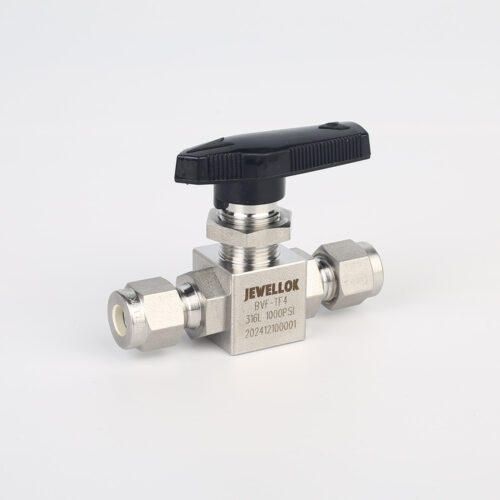
Stainless Steel High Purity High Temperature Pneumatic Actuated Ball Valves JBV2 Series
-
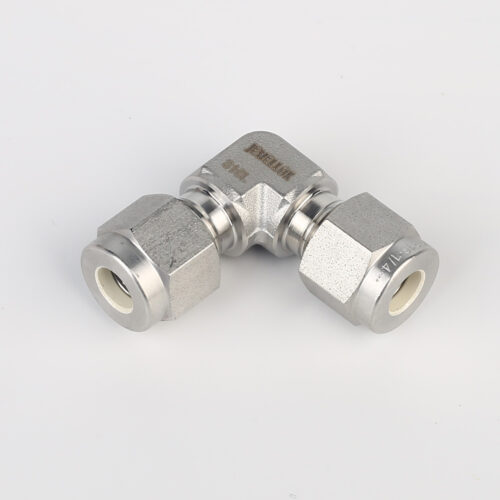
765L Stainless Steel Union Elbow Reducing High Purity Fitting Tubing Extension Tubing Connection
-
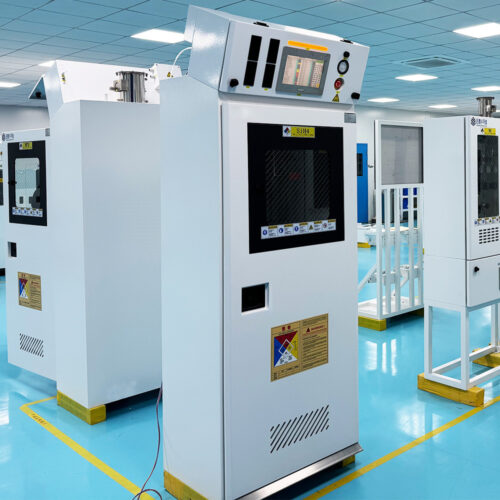
Integrated Scrubber Tail Gas Treatment Cabinet for Safe Bulk Specialty Gas System Exhaust Management
-
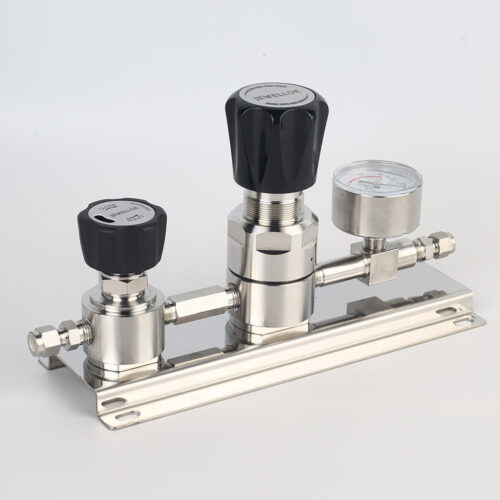
High Purity High Flow Pressure Control Regulators & Valves Gas Stick Assemblies JSR-2TG Series
-
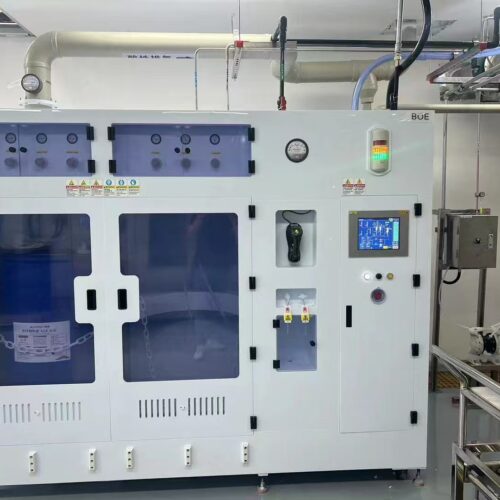
Chemical Delivery Modules for Automated Blending and Precise Dilution in Modern Wafer Cleaning Applications
-
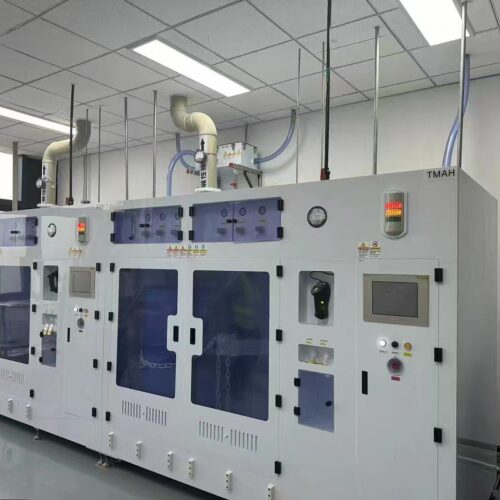
Integrated Bulk Chemical Delivery System and Automatic CDU Solutions for Safe Hazardous Chemical Fluid Handling
-
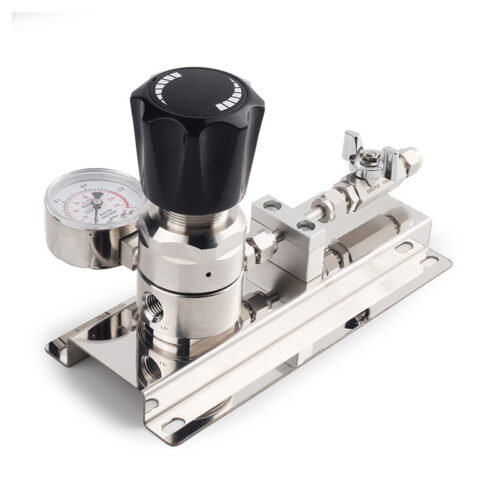
Ultra High Purity 316L Var Stainless Steel Compressed Gas Changeover Manifold Panel System For Integrated Gas Supply System
-
Liquid Bulk Chemical Delivery System with Automatic Chemical Dispense Unit (CDU) Featuring 316L Electropolished Stainless Steel Piping Components