
Regulator Manufacturer Tel: +86 13380377051
Regulator Manufacturer Tel: +86 13380377051
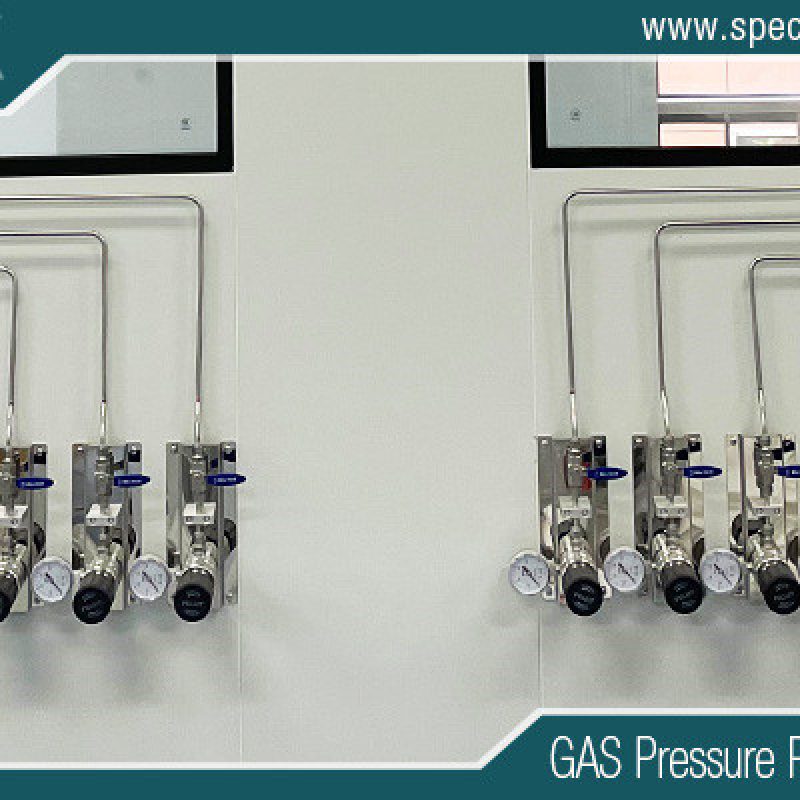
How Do Laboratory Gas Valves Work in Modern Laboratory Environments?
Modern laboratories rely on precision, safety, and reliability to conduct research, testing, and manufacturing processes. Whether in pharmaceutical laboratories, semiconductor fabrication facilities, biotechnology research centers, universities, hospitals, or chemical analysis laboratories, laboratory gas systems play a vital role in ensuring that specialty gases are delivered safely and accurately.
At the heart of every laboratory gas distribution system is the laboratory gas valve. Although often overlooked, these valves are responsible for controlling gas flow, maintaining pressure stability, preventing contamination, and protecting both personnel and expensive laboratory equipment.
This article explains how laboratory gas valves work, their key components, valve types, applications, selection criteria, and why choosing high-quality laboratory gas valves is essential for modern laboratory environments.
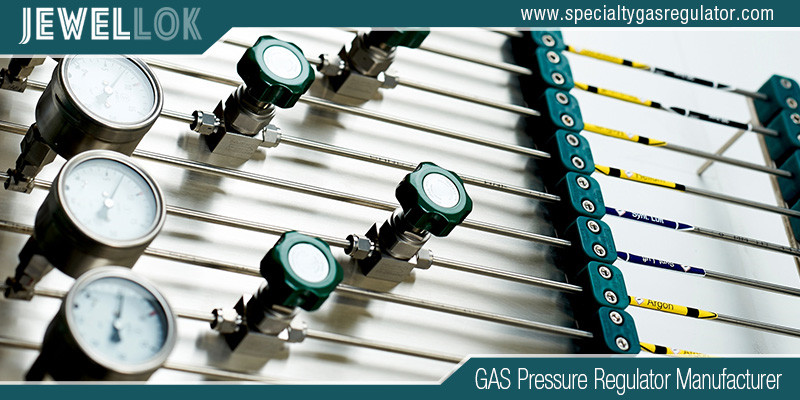
What Is a Laboratory Gas Valve?
A laboratory gas valve is a precision-engineered device designed to regulate, isolate, or control the flow of gases within laboratory gas distribution systems.
Unlike standard industrial valves, laboratory gas valves are specifically designed for:
- High-purity gas delivery
- Precise flow regulation
- Leak-free performance
- Corrosion resistance
- Long service life
- Easy operation
- Compliance with laboratory safety standards
These valves are commonly installed on:
- Laboratory gas manifolds
- Gas cabinets
- Bench-mounted gas outlets
- Wall-mounted gas terminals
- Pressure control panels
- Gas cylinder changeover systems
- Analytical instrument gas lines
Their primary function is to provide operators with complete control over gas delivery while ensuring maximum safety.
Why Laboratory Gas Valves Are Important
Modern laboratories frequently use hazardous, toxic, corrosive, flammable, or high-pressure gases, including:
- Nitrogen (N₂)
- Oxygen (O₂)
- Hydrogen (H₂)
- Helium (He)
- Argon (Ar)
- Carbon Dioxide (CO₂)
- Acetylene
- Ammonia
- Chlorine
- Specialty calibration gases
- Ultra-high purity process gases
Even a minor gas leak can lead to:
- Fire hazards
- Explosions
- Toxic exposure
- Equipment damage
- Sample contamination
- Experimental failure
High-quality laboratory gas valves minimize these risks by providing reliable shutoff, accurate flow control, and long-term leak-tight sealing.
How Do Laboratory Gas Valves Work?
The operating principle of a laboratory gas valve is relatively straightforward but requires exceptional engineering precision.
The valve controls gas flow by opening, restricting, or completely closing an internal passage.
When the operator turns the valve handle or actuator, the stem rotates or moves vertically, causing the sealing element to lift away from or press against the valve seat.
Depending on the valve design, the sealing element may be:
- Ball
- Needle
- Diaphragm
- Plug
- Disc
Once opened, gas flows through the valve body and continues downstream toward laboratory instruments or equipment.
The valve also maintains pressure integrity throughout the gas distribution network while preventing backflow and contamination.
Main Components of Laboratory Gas Valves
Understanding the valve structure helps explain how these precision devices achieve reliable performance.
Valve Body
The valve body forms the pressure-containing shell.
Most laboratory gas valves use:
- 316 Stainless Steel
- 316L Stainless Steel
- Brass (for non-corrosive gases)
- Nickel-plated brass
- High-purity electropolished stainless steel
For semiconductor and pharmaceutical applications, 316L electropolished stainless steel is preferred because it minimizes particle generation and corrosion.
Valve Stem
The valve stem transfers movement from the handle to the sealing element.
A precision-machined stem ensures:
- Smooth operation
- Accurate positioning
- Long service life
- Low operating torque
Valve Seat
The valve seat creates the sealing surface.
Materials include:
- PTFE
- PCTFE
- PEEK
- Metal-to-metal sealing
- Soft polymer seats
The choice depends on gas compatibility and pressure requirements.
Sealing Element
Different valve types use different sealing mechanisms.
Examples include:
- Stainless steel ball
- Needle tip
- Flexible diaphragm
- Plug
- Disc
This component directly controls gas flow.
Handle or Actuator
Laboratory valves may be operated by:
- Manual handwheel
- Lever handle
- Pneumatic actuator
- Electric actuator
- Solenoid actuator
Automated laboratories increasingly use electrically actuated valves integrated with building management and gas monitoring systems.
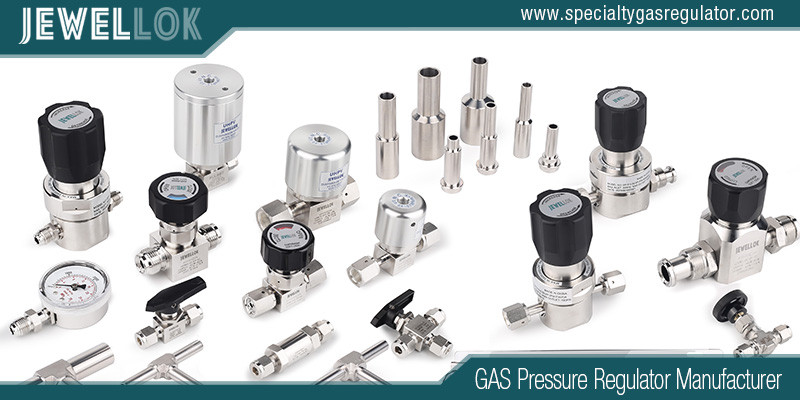
Types of Laboratory Gas Valves
Different laboratory applications require different valve designs.
Ball Valves
Ball valves use a precision-machined sphere with a central bore.
Advantages include:
- Quarter-turn operation
- Fast shutoff
- Excellent sealing
- Low pressure drop
- High durability
They are commonly used as isolation valves.
Needle Valves
Needle valves feature a long tapered needle that provides extremely accurate flow adjustment.
Typical applications include:
- Analytical instruments
- Gas chromatography
- Calibration systems
- Precision gas flow control
Needle valves are ideal whenever fine adjustment is required.
Diaphragm Valves
Diaphragm valves isolate the process gas from moving mechanical parts.
Advantages include:
- Ultra-high purity
- Zero contamination
- Minimal dead volume
- Excellent leak tightness
These valves are widely used in semiconductor manufacturing and pharmaceutical laboratories.
Check Valves
Check valves allow gas flow in only one direction.
Their primary functions include:
- Preventing backflow
- Protecting regulators
- Preventing contamination
- Improving system safety
Pressure Relief Valves
These valves automatically release excess pressure when system pressure exceeds a preset limit.
They help protect:
- Gas cylinders
- Regulators
- Pipelines
- Laboratory equipment
Materials Used in Laboratory Gas Valves
Material selection directly affects valve lifespan and gas compatibility.
Common materials include:
Stainless Steel
The preferred choice for high-purity applications because of its:
- Excellent corrosion resistance
- High pressure capability
- Long service life
- Easy cleaning
316L stainless steel is particularly suitable for semiconductor, pharmaceutical, and analytical laboratories.
Brass
Brass valves are economical and suitable for:
- Nitrogen
- Air
- Inert gases
- Water service
However, they are generally unsuitable for highly corrosive gases.
PTFE Seals
PTFE provides:
- Excellent chemical resistance
- Low friction
- Long sealing life
It is widely used in laboratory gas valves.
Applications of Laboratory Gas Valves
Laboratory gas valves support a wide range of industries.
Pharmaceutical Laboratories
They regulate gases used in:
- Drug development
- Sterile manufacturing
- Analytical testing
- Quality control
Biotechnology Research
Biotechnology laboratories require reliable gas delivery for:
- Cell culture
- Fermentation
- Incubation
- DNA analysis
Semiconductor Manufacturing
Ultra-high purity gas valves deliver gases used in:
- CVD
- PVD
- Etching
- ALD
- Wafer cleaning
Any contamination may significantly reduce production yield.
University Laboratories
Teaching laboratories use laboratory gas valves for:
- Chemistry experiments
- Physics research
- Engineering laboratories
Hospitals
Medical laboratories use precision gas valves for:
- Oxygen systems
- Medical air
- Nitrogen
- Carbon dioxide
- Laboratory analyzers
Safety Features of Modern Laboratory Gas Valves
Modern laboratory gas valves incorporate multiple safety technologies.
These include:
- Bubble-tight sealing
- Anti-leak stem design
- Lockable handles
- Color-coded gas identification
- Fire-safe construction
- Anti-static materials
- Pressure testing
- Oxygen-clean assembly
- Low fugitive emissions
Many valves are tested according to international standards before leaving the factory.
Factors to Consider When Selecting Laboratory Gas Valves
Choosing the right valve depends on several technical considerations.
Gas Compatibility
Different gases react differently with valve materials.
Always verify chemical compatibility before installation.
Pressure Rating
Select valves capable of handling the maximum operating pressure.
Laboratory gas systems may operate anywhere from low pressure to several hundred bar.
Purity Requirements
Ultra-high purity laboratories require:
- Electropolished surfaces
- Low dead volume
- Metal diaphragm sealing
- Cleanroom assembly
Connection Type
Common connection standards include:
- Compression fittings
- NPT threads
- BSP threads
- VCR fittings
- Tube welding
Flow Capacity
Valve size should match the required flow rate without excessive pressure drop.
Operating Method
Options include:
- Manual
- Pneumatic
- Electric
- Solenoid-operated
Automation improves safety and enables remote monitoring.
Maintenance Best Practices
Routine maintenance ensures reliable valve performance.
Recommended practices include:
- Periodic leak testing
- Cleaning external surfaces
- Inspecting seals
- Checking handle operation
- Monitoring pressure performance
- Replacing worn components
- Calibrating flow control devices
- Following manufacturer maintenance schedules
Preventive maintenance significantly extends valve service life.
Future Trends in Laboratory Gas Valve Technology
As laboratories become smarter and more automated, laboratory gas valves continue to evolve.
Emerging trends include:
- Smart valves with digital monitoring
- IoT-enabled gas management
- Remote shutoff capability
- Integrated pressure sensors
- Predictive maintenance systems
- Low-emission valve designs
- Higher purity manufacturing processes
- AI-assisted laboratory safety management
These innovations improve efficiency while reducing operational risks.
Conclusion
Laboratory gas valves are indispensable components of modern laboratory gas delivery systems. They ensure safe, accurate, and reliable control of gases used in pharmaceutical research, biotechnology, semiconductor manufacturing, healthcare, education, and industrial laboratories.
From simple manual shutoff valves to sophisticated ultra-high purity diaphragm valves with automated control, today’s laboratory gas valves combine precision engineering, advanced sealing technology, and high-performance materials to meet increasingly demanding laboratory requirements.
When selecting laboratory gas valves, engineers should carefully consider gas compatibility, operating pressure, purity requirements, connection standards, flow characteristics, and safety features. Investing in high-quality laboratory gas valves not only protects laboratory personnel and equipment but also improves experimental accuracy, minimizes downtime, and ensures long-term operational reliability.
As laboratory automation and high-purity applications continue to expand, advanced laboratory gas valve technologies will remain a critical foundation for safe and efficient gas distribution systems worldwide.
For more about how do laboratory gas valves work in modern laboratory environments, you can pay a visit to Jewellok at https://www.specialtygasregulator.com/product-category/specialty-gas-cabinet/ for more info.
-
Custom Wet and Dry Exhaust Gas Scrubber System Technology for Effective Acid Gas Neutralization
-
Ultra High Purity Diaphragm Valves and Pressure Regulators for Reliable Ultra High Purity Liquid Chemical Handling Systems
-
Corrosion Resistant 316L Stainless Steel Exhaust Gas Scrubber System for Harsh Chemical Process Environments
-
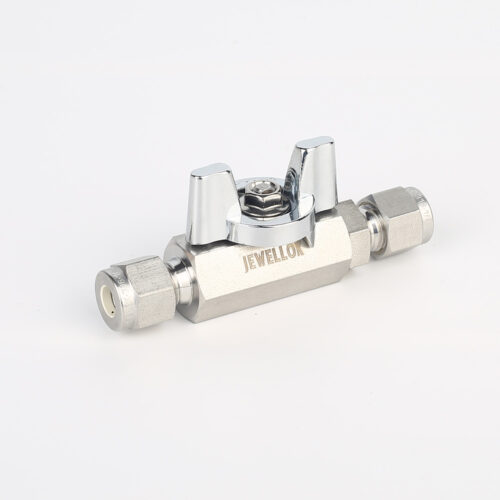
Stainless Steel High-Purity High Temperature Metal Seated Ball Valves JBV3 Series
-

Semi Automatic Gas Changeover Manifold System Manual Changeover Manifold Panel Single Stage Automatic Switchover Board
-
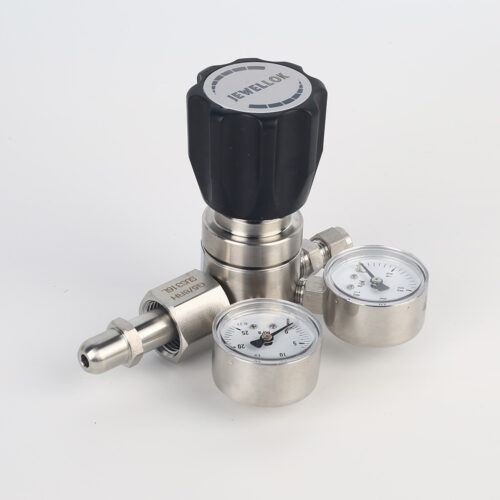
High Purity High Pressure Gas Cylinder Pressure Regulators Pressure Reducing Valve JSR-1E Series
-
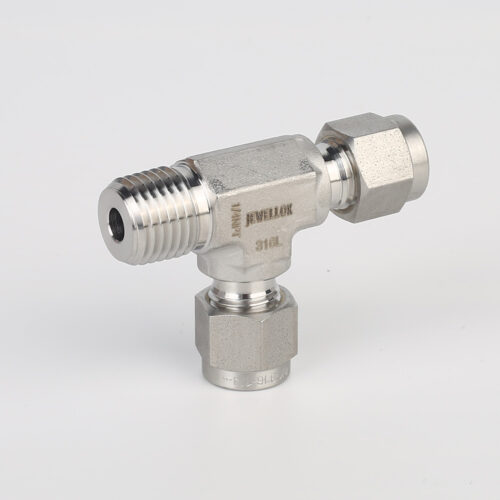
771L Male Run Tee | Stainless Steel High Quality High Purity Male Run Tee Branch Tee Pipe Fittings
-
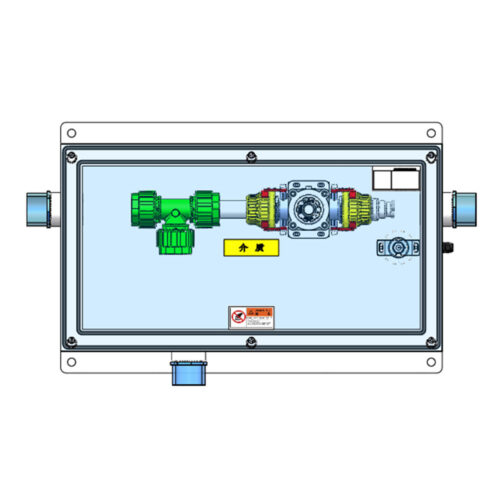
T-BOX JW-TB-C Special Gas Delivery System Gas Valve Manifold Boxes