
Regulator Manufacturer Tel: +86 13380377051
Regulator Manufacturer Tel: +86 13380377051
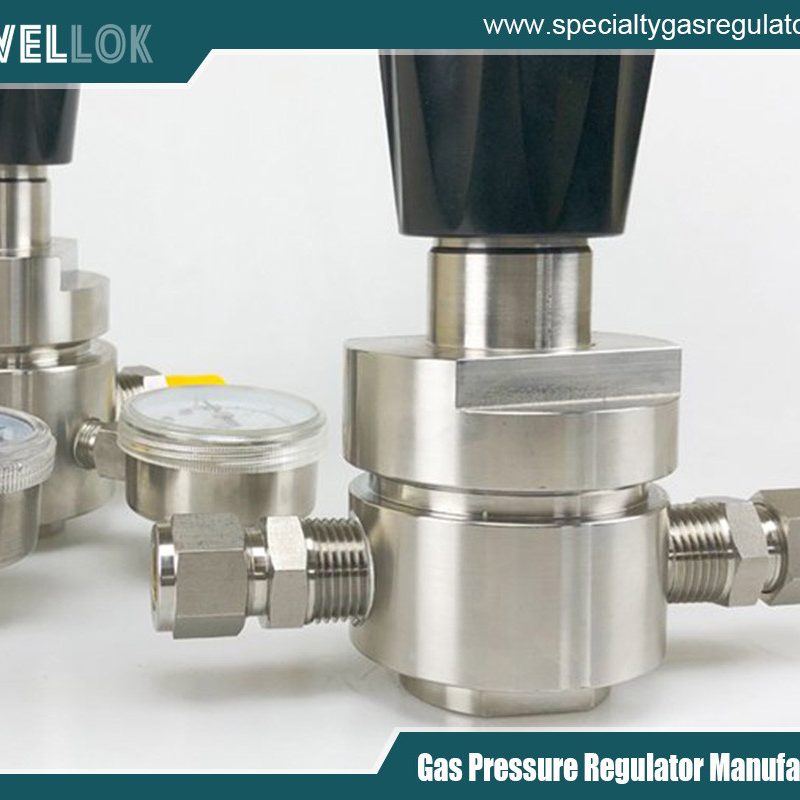
How a Gas Pressure Regulator Works
Gas pressure regulators are essential devices in various industrial, commercial, and residential applications where gaseous fuels or process gases need to be delivered at a consistent and safe pressure. These regulators ensure that high-pressure gas from sources like cylinders, pipelines, or storage tanks is reduced to a lower, usable level for equipment such as burners, heaters, or analytical instruments. Without proper regulation, fluctuations in pressure could lead to inefficiencies, equipment damage, or even hazardous situations like leaks or explosions.
The concept of pressure regulation dates back to the early days of gas distribution systems, but modern regulators incorporate advanced materials and designs for precision and reliability. This article delves into the technical workings of a typical gas pressure regulator, exploring its components, operational principles, types, and practical considerations. By understanding how these devices function, engineers, technicians, and users can better appreciate their role in maintaining system integrity.
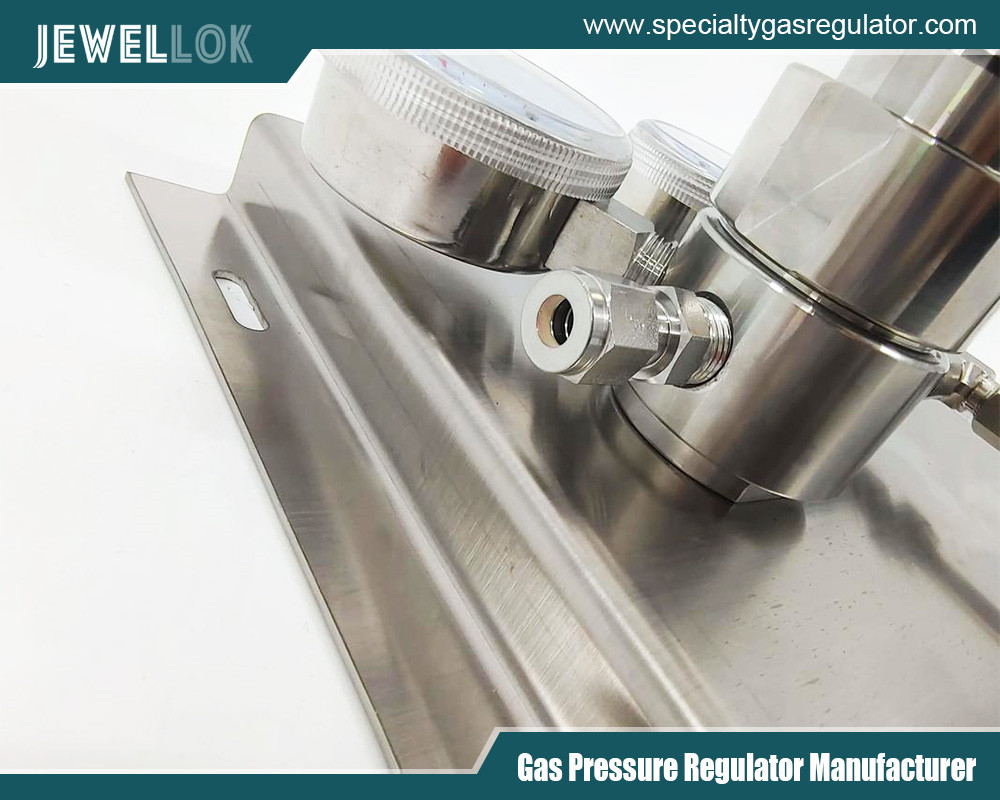
Basic Principles of Pressure Regulation
At its core, a gas pressure regulator operates on the principle of force balance. Gas enters the regulator at a high inlet pressure and exits at a controlled outlet pressure. The regulator automatically adjusts to maintain the desired output pressure despite variations in inlet pressure or flow demand.
The key physical law involved is Boyle’s Law, which states that the pressure of a gas is inversely proportional to its volume at constant temperature. However, regulators primarily rely on mechanical equilibrium rather than thermodynamic changes. Inside the regulator, a sensing element detects the outlet pressure and modulates a valve to control the gas flow.
Consider a simple scenario: If the downstream pressure drops due to increased demand, the regulator opens wider to allow more gas through, restoring the pressure. Conversely, if pressure rises, it closes to restrict flow. This feedback mechanism ensures stability, often within a tolerance of a few percent.
Key Components of a Gas Pressure Regulator
A standard gas pressure regulator consists of several interconnected parts, each playing a crucial role in its operation. Let’s break them down:
1. Inlet Port: This is where high-pressure gas enters the regulator. It typically features a threaded or flanged connection compatible with the gas source.
2. Valve Assembly: Comprising a valve seat and a poppet or plug, this controls the gas flow. The valve opens or closes based on the regulator’s internal forces.
3. Diaphragm: A flexible membrane that senses the outlet pressure. Made from materials like rubber, neoprene, or metal, it separates the gas chamber from the spring mechanism, preventing contamination.
4. Spring: An adjustable coil spring that provides the opposing force to the diaphragm. By compressing or extending the spring, users can set the desired outlet pressure.
5. Adjustment Mechanism: Often a screw or knob connected to the spring, allowing precise tuning of the output pressure.
6. Outlet Port: The exit point for regulated gas, connected to the downstream system.
7. Vent or Relief Port: In some designs, this allows excess pressure to escape, enhancing safety.
Additional features may include filters to remove contaminants, gauges for monitoring pressures, and bonnets for housing the adjustment components. Materials are chosen based on the gas type—brass for non-corrosive gases, stainless steel for aggressive ones—to ensure durability and compatibility.
Working Mechanism
The operation of a gas pressure regulator can be explained through a step-by-step process, focusing on a direct-operated single-stage regulator, the most common type.
When gas enters the inlet port at high pressure (e.g., 1000 psi), it flows toward the valve assembly. Initially, the valve is closed due to the spring force pushing the diaphragm downward, seating the poppet against the valve orifice.
As demand arises downstream, the outlet pressure begins to build. This pressure acts on the underside of the diaphragm, creating an upward force. When this force equals the downward spring force, equilibrium is achieved, and the valve maintains a steady opening.
If downstream pressure decreases (e.g., due to higher flow), the diaphragm force reduces, allowing the spring to push it down further. This movement opens the valve wider, increasing gas flow until pressure restores.
Conversely, if outlet pressure exceeds the setpoint, the diaphragm bulges upward, compressing the spring and closing the valve, reducing flow.
This dynamic balancing act happens continuously, responding to changes in milliseconds. The regulator’s droop characteristic—slight pressure drop with increasing flow—is a key performance metric, minimized in high-quality designs.
For more precision, pilot-operated regulators use a small pilot valve to amplify control signals, ideal for high-flow applications.
Types of Gas Pressure Regulators
Regulators are classified based on design, stages, and application:
1. Single-Stage Regulators: Reduce pressure in one step. Suitable for stable inlet pressures, like laboratory setups. They exhibit more droop but are simpler and cost-effective.
2. Two-Stage Regulators: Feature two regulators in series. The first stage reduces to an intermediate pressure, the second to the final output. This minimizes droop and handles varying inlet pressures, common in welding or medical oxygen systems.
3. Direct-Operated vs. Pilot-Operated: Direct types use the diaphragm directly linked to the valve; pilot types employ a secondary control loop for better accuracy in large systems.
4. Back-Pressure Regulators: Maintain upstream pressure by venting excess gas, used in relief applications.
5. Specialized Types: Vacuum regulators for low-pressure environments, or dome-loaded ones using gas pressure instead of springs for remote control.
Selection depends on factors like gas type (e.g., propane, natural gas, or corrosives like chlorine), flow rate, pressure range, and environmental conditions.
Applications and Industries
Gas pressure regulators find use across diverse sectors:
– Industrial: In manufacturing, they control fuel for furnaces or process gases in chemical plants.
– Residential and Commercial: For natural gas supply to appliances like stoves and heaters, ensuring safe delivery at 0.5-2 psi.
– Medical: Regulating oxygen or anesthesia gases in hospitals, where precision is critical.
– Aerospace and Automotive: Managing propellants or compressed air in testing.
– Laboratory: Delivering inert gases for chromatography or spectroscopy.
In each case, regulators enhance efficiency, safety, and equipment longevity.
Maintenance and Safety Considerations
Proper maintenance is vital for reliable operation. Regular inspections include checking for leaks using soapy water, verifying diaphragm integrity, and cleaning filters. Springs may weaken over time, requiring recalibration.
Safety features like overpressure shut-off valves prevent downstream failures. Users must match regulators to gas compatibility to avoid corrosion or reactions.
Common issues include freezing in humid environments (Joule-Thomson effect), resolved with heaters, or contamination causing sticking valves.
Adhering to standards like those from ASME or ISO ensures compliance.
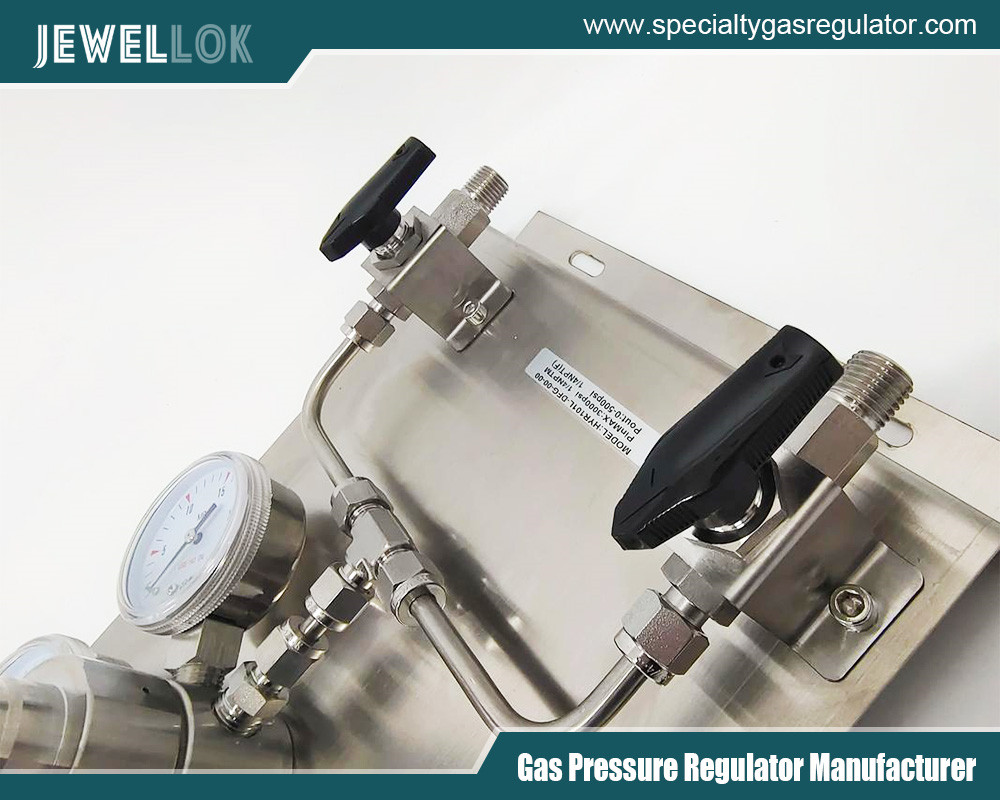
Conclusion
Gas pressure regulators are ingenious mechanical devices that exemplify precision engineering in fluid control. By balancing forces through diaphragms, springs, and valves, they deliver consistent pressure, safeguarding systems and users. Whether in a home kitchen or a high-tech lab, their role is indispensable.
Advancements continue, with smart regulators incorporating sensors for real-time monitoring and IoT integration. Understanding their workings empowers better design, selection, and maintenance, contributing to safer and more efficient gas handling.
For more about how a gas pressure regulator works, you can pay a visit to Jewellok at https://www.specialtygasregulator.com/high-purity-gas-pressure-regulator/ for more info.
-
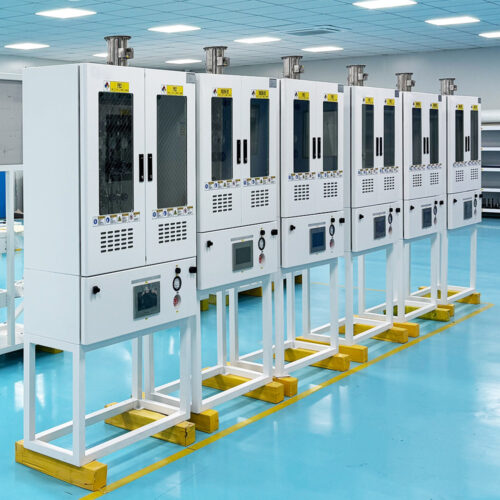
Integrated Gas Cabinets and Exhaust Gas Scrubber System for Ammonia and Hydrogen Chloride Industrial Emission Control
-
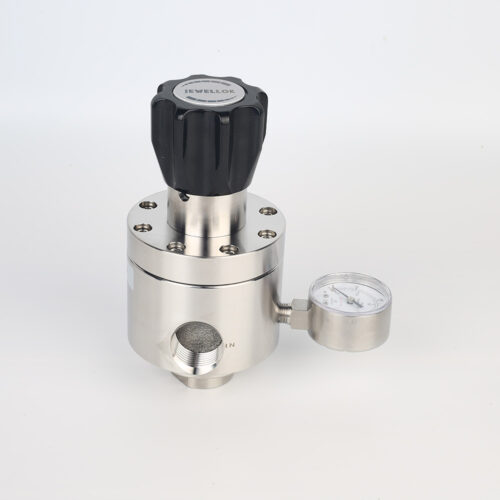
Low Pressure High Flow Line Pressure Regulators And Control Valves JSR-4L Series For Laboratory Pressure Control
-
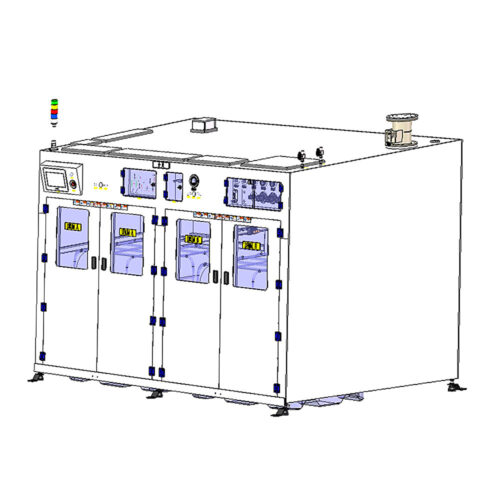
High Purity Chemical Dispense System & Packing System For Semiconductors JW-200L-CDM & JW-1000L-CDM
-
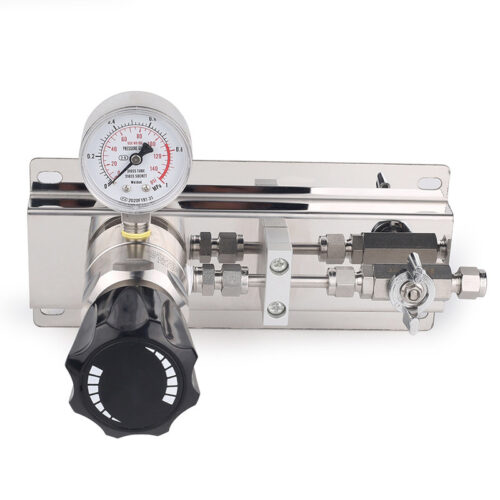
Medical Oxygen Single Stage Manual Gas Changeover Manifold Panel High-Purity Two-Stage Manual Gas Manifold Gas Pressure Control Panels
-
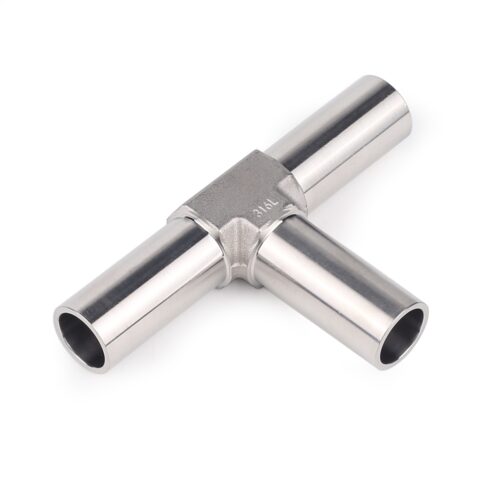
Stainless Steel Ultra Clean Welding Joint Fittings TW Series TRW Series & CW Series
-
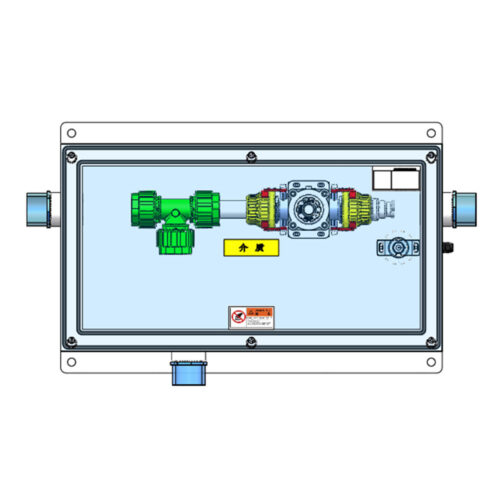
T-BOX JW-TB-C Special Gas Delivery System Gas Valve Manifold Boxes
-
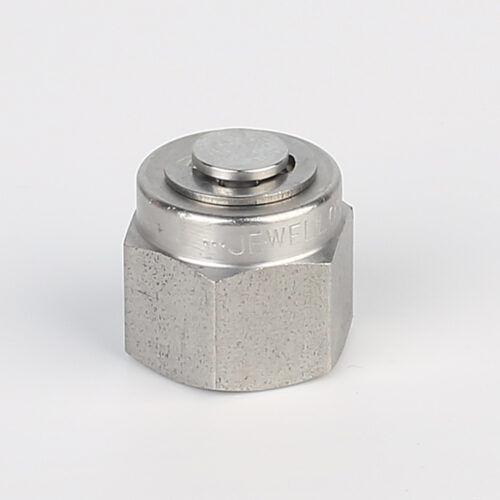
7121L Plug High Purity Plug Fitting And Blanking Plug
-
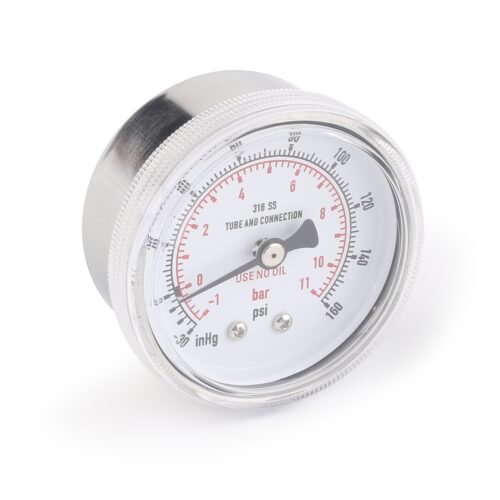
Ultra High Purity Pressure Gauge For Laboratory And Semiconductor JR Series