
Regulator Manufacturer Tel: +86 13380377051
Regulator Manufacturer Tel: +86 13380377051
How Does a CO2 Gas Pressure Regulator Work?
Carbon dioxide (CO2) is a versatile gas used in various industries, from beverage carbonation and welding to medical applications and aquariums. Handling CO2 safely requires controlling its pressure, as it is stored in high-pressure cylinders, often exceeding 800 psi (pounds per square inch). This is where a CO2 gas pressure regulator comes into play. A pressure regulator is a mechanical device that reduces the high inlet pressure from the gas source to a lower, stable outlet pressure suitable for downstream equipment. In this article, we will delve into the technical workings of a CO2 gas pressure regulator, exploring its components, operating principles, types, and practical considerations. Understanding these aspects is crucial for engineers, technicians, and hobbyists who work with compressed gases.
Pressure regulators for CO2 are designed to maintain consistent output despite fluctuations in input pressure or demand. They prevent over-pressurization, which could damage equipment or pose safety risks. The device operates on fundamental principles of fluid mechanics and mechanical equilibrium, ensuring precise control over gas flow. Let’s break down how these regulators function step by step.
Basic Components of a CO2 Pressure Regulator
A typical CO2 pressure regulator consists of several key components that work in harmony to achieve pressure reduction and stability. The main body is usually made from durable materials like brass or stainless steel to withstand corrosive environments, as CO2 can form carbonic acid in the presence of moisture.
1. Inlet Port: This is the connection point where high-pressure CO2 from the cylinder enters the regulator. It features a threaded fitting compatible with standard cylinder valves, such as CGA-320 for CO2 tanks.
2. Outlet Port: The low-pressure side where regulated gas exits. It often includes a needle valve or flow control knob to adjust the flow rate.
3. Diaphragm: A flexible membrane, typically made of rubber or metal, that senses pressure changes. It separates the high-pressure and low-pressure chambers and responds to imbalances.
4. Spring Mechanism: An adjustable spring applies force to the diaphragm, setting the desired outlet pressure. Turning the adjustment knob compresses or relaxes the spring.
5. Valve Assembly: Includes a poppet valve or seat that opens and closes to control gas flow. The valve is linked to the diaphragm via a stem.
6. Pressure Gauges: Two gauges are common—one for inlet pressure (showing cylinder contents) and one for outlet pressure (indicating regulated output).
7. Safety Relief Valve: A built-in feature that vents excess pressure if the regulator malfunctions, preventing explosions.
These components form a closed-loop system that automatically adjusts to maintain equilibrium.
Operating Principle
The core operation of a CO2 pressure regulator relies on the balance between mechanical forces and gas pressure. When the regulator is connected to a CO2 cylinder and the cylinder valve is opened, high-pressure gas enters the inlet port. Initially, the outlet pressure is low, so the spring pushes the diaphragm downward, opening the valve and allowing gas to flow into the low-pressure chamber.
As gas fills the outlet side, pressure builds up beneath the diaphragm. This pressure exerts an upward force on the diaphragm, counteracting the spring’s downward force. When the outlet pressure reaches the set point (determined by the spring tension), the forces balance, and the diaphragm stabilizes, closing the valve just enough to maintain that pressure.
If downstream demand increases (e.g., more gas is used in a soda dispenser), the outlet pressure drops slightly. This imbalance allows the spring to push the diaphragm down again, reopening the valve to admit more gas until equilibrium is restored. Conversely, if demand decreases, the outlet pressure rises, pushing the diaphragm up and closing the valve to restrict flow.
This feedback mechanism is known as “pressure compensation.” For CO2, which is often stored as a liquid in cylinders, regulators must handle phase changes. As CO2 vaporizes, it cools (Joule-Thomson effect), potentially freezing the regulator. High-quality models include heat fins or heaters to mitigate this.
Types of CO2 Pressure Regulators
CO2 regulators come in single-stage and dual-stage configurations, each suited to different applications.
– Single-Stage Regulators: These reduce pressure in one step. They are simpler and cheaper but less precise, as outlet pressure can vary with inlet pressure changes (e.g., as the cylinder empties). Ideal for short-term uses like paintball guns or basic aquariums.
– Dual-Stage Regulators: Feature two reduction stages in series. The first stage drops pressure to an intermediate level (e.g., 100-200 psi), and the second fine-tunes it to the desired output. This design minimizes fluctuations, providing stability even as cylinder pressure drops from 800 psi to near empty. Dual-stage models are preferred for precision tasks like beer dispensing or laboratory work.
Specialized variants include flow regulators (which control volume rather than pressure) and high-flow models for industrial welding.
Applications and Considerations
CO2 regulators are ubiquitous. In the beverage industry, they carbonate drinks by injecting CO2 at 10-30 psi. In welding (MIG/TIG), they mix CO2 with argon at precise ratios to shield arcs. Aquarists use them to diffuse CO2 into tanks for plant growth, typically at 1-5 psi. Medical applications involve regulators for anesthesia or respiratory therapy.
When selecting a regulator, consider factors like maximum inlet pressure (up to 3000 psi for CO2), outlet range (e.g., 0-150 psi), flow rate (in SCFH—standard cubic feet per hour), and material compatibility. Brass is common, but stainless steel is better for purity-critical uses.
Maintenance is vital for reliability. Regularly inspect for leaks using soapy water, clean filters to prevent clogs from contaminants, and replace diaphragms if worn. Always depressurize before disassembly. Safety protocols include using in well-ventilated areas (CO2 displaces oxygen), securing cylinders, and avoiding oil-based lubricants, as CO2 can react explosively with hydrocarbons.
Common issues include “creep” (gradual pressure rise due to valve seat wear) and freezing (from rapid expansion). Solutions involve periodic calibration and using anti-freeze designs.
Advanced Features and Innovations
Modern CO2 regulators incorporate electronics for digital control. Smart models with sensors monitor pressure in real-time, alerting users via apps to low cylinder levels or anomalies. PID (Proportional-Integral-Derivative) controllers enhance precision in automated systems.
In sustainable tech, regulators play a role in carbon capture, where CO2 is pressurized for storage. Innovations like membrane-based regulators promise efficiency gains.
Conclusion
A CO2 gas pressure regulator is an ingenious device that tames high-pressure gas through mechanical balance, ensuring safe and efficient delivery. By understanding its components, principles, and types, users can optimize performance across applications. Whether in industry or hobbies, proper use extends equipment life and enhances safety. As technology evolves, these regulators will continue to adapt, supporting greener and more precise gas handling.
For more about how does co2 gas pressure regulator work, you can pay a visit to Jewellok at https://www.specialtygasregulator.com/product/ for more info.
-
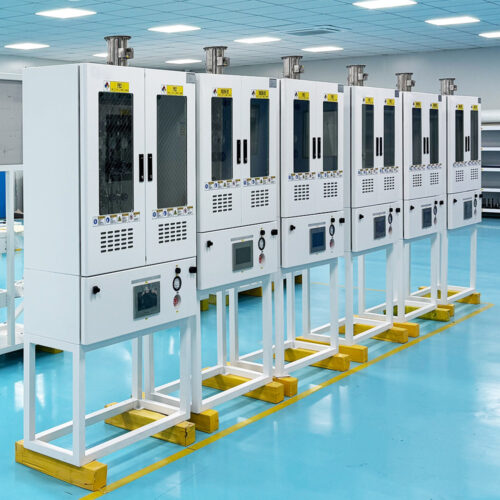
High Purity VMB Valve Manifold Box for Semiconductor Gas Distribution and Specialty Chemical Delivery Systems
-
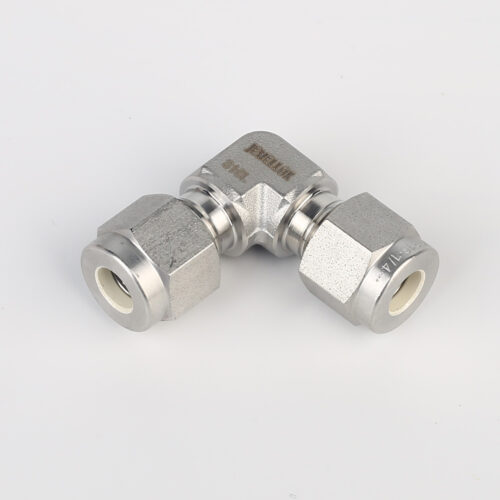
765L Stainless Steel Union Elbow Reducing High Purity Fitting Tubing Extension Tubing Connection
-
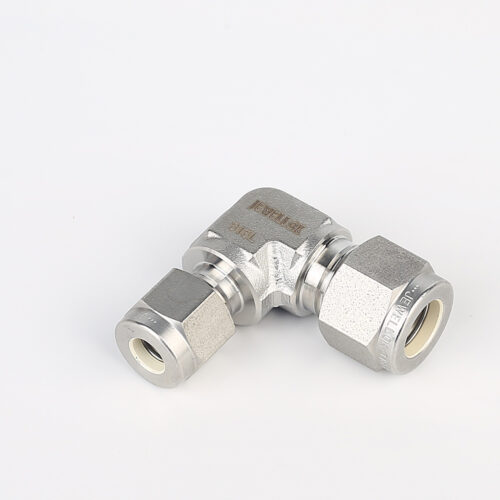
765LR Reducing Tee | Stainless Steel 316 High Purity Butt Weld Fittings Metal Face Seal For Welding Pipe Fitting Reducing Tee
-
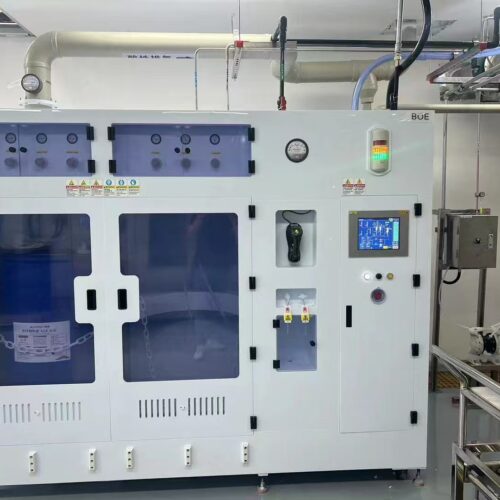
UHP Liquid Chemical Delivery Systems for Semiconductor Fabrication and Photovoltaic Manufacturing Processes
-
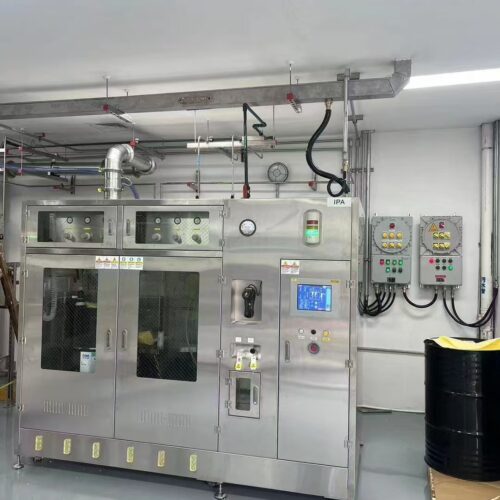
Ultra High Purity CDS Solutions Featuring 316L Electropolished Stainless Steel for Superior Chemical Integrity and Safety
-
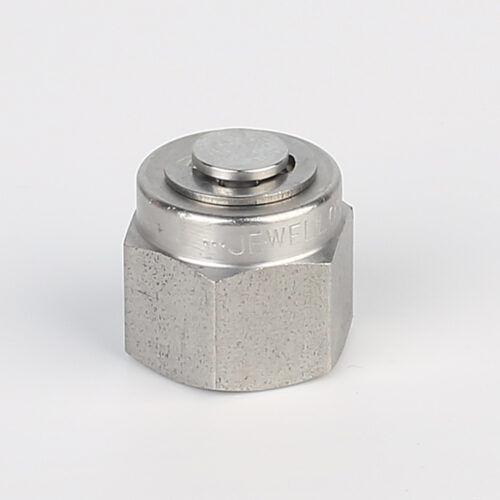
7121L Plug High Purity Plug Fitting And Blanking Plug
-
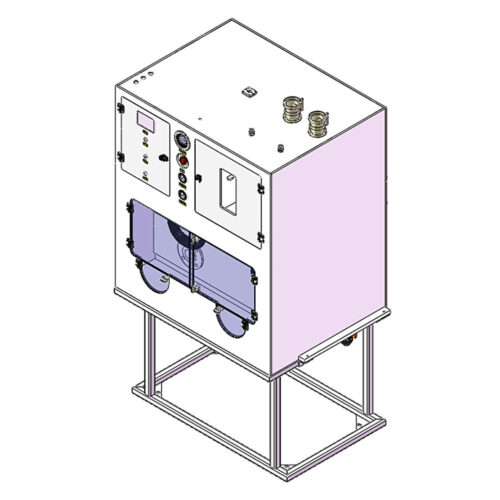
Clean Connection Cabinet JW-300-CCB Valve Manifold Box And Control Valve Box
-
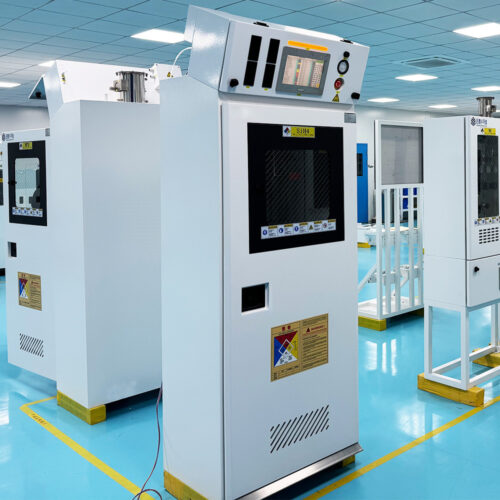
Advanced Bulk Specialty Gas Systems BSGS Gas Cabinet for Safe Handling of Toxic and Flammable Process Gases