
Regulator Manufacturer Tel: +86 13380377051
Regulator Manufacturer Tel: +86 13380377051
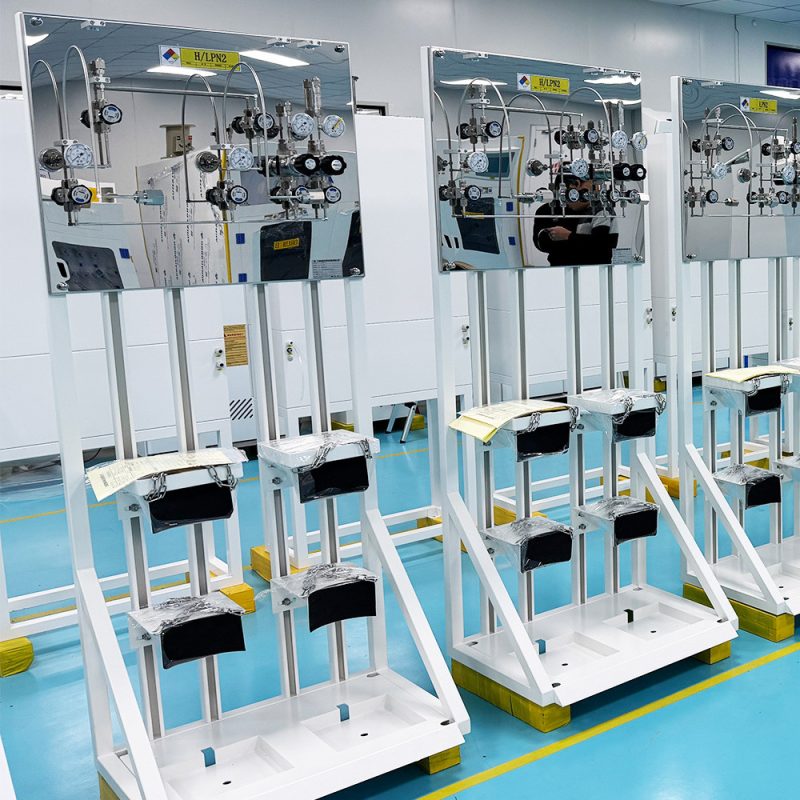
How Does a Custom Integrated Gas Cabinet Work?
In industries such as semiconductor manufacturing, pharmaceuticals, biotechnology, and research laboratories, the safe handling of hazardous gases is paramount. Gases like hydrogen, chlorine, ammonia, silane, and various inert or toxic substances are essential for processes ranging from chemical vapor deposition to analytical testing. However, these gases pose significant risks, including flammability, toxicity, and potential for explosive reactions. This is where a custom integrated gas cabinet comes into play. A custom integrated gas cabinet is a specialized enclosure designed to store, isolate, and deliver gases in a controlled manner while ensuring compliance with safety standards and operational efficiency.
Unlike standard storage solutions, a custom integrated gas cabinet is tailored to specific user requirements, incorporating advanced components for gas regulation, monitoring, and distribution. It acts as a self-contained system that minimizes exposure risks, prevents leaks, and facilitates seamless integration with facility infrastructure. This article explores the working principles of such cabinets, their key components, operational mechanisms, safety features, customization options, and applications, providing a comprehensive technical overview.
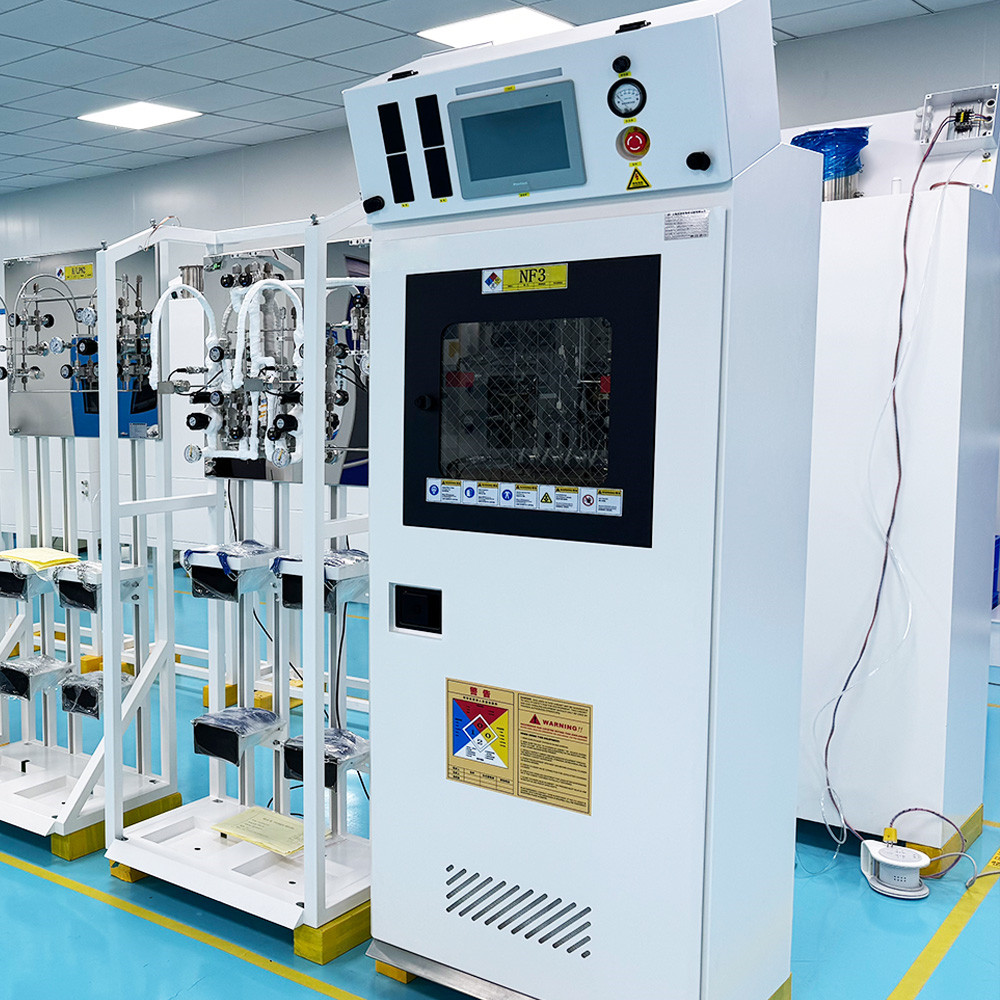
Key Components of a Custom Integrated Gas Cabinet
A custom integrated gas cabinet is built around a robust enclosure, typically constructed from heavy-duty 11- or 12-gauge steel to withstand physical impacts and chemical corrosion. The cabinet is powder-coated for added resistance to rust and environmental degradation, ensuring longevity in harsh industrial settings. Dimensions vary based on configuration, but a single-cylinder unit might measure around 18 inches wide, 19 inches deep, and 76 inches high, scaling up for multi-cylinder setups.
Inside the cabinet, gas cylinders are secured using adjustable brackets that accommodate diameters from 7 to 10 inches, often with chains or straps for stability. These brackets allow precise alignment of hoses and pigtails—flexible stainless steel connections that link cylinders to the gas manifold. The manifold, usually made from electropolished 316L stainless steel or Hastelloy for high-purity applications, serves as the central hub for gas flow.
Pressure regulation is handled by integrated regulators, which reduce high cylinder pressures (often exceeding 2000 psi) to safe delivery levels (e.g., 100-300 psi). These can be single-stage or dual-stage, depending on the need for precise control. Valves, including diaphragm types for ultra-high purity (UHP) gases, prevent backflow and contamination. Check valves and flash arrestors are included for flammable gases like hydrogen or acetylene to halt flame propagation.
Ventilation is critical, featuring exhaust ducts (6-8 inches in diameter) connected to facility exhaust systems, along with intake louvers for airflow. This setup maintains negative pressure inside the cabinet, directing any leaked gases outward. Safety elements include UL-approved fire sprinklers that activate at temperatures around 160-165°F, releasing water at a minimum of 25 psi to suppress fires.
Monitoring and control systems integrate sensors for pressure, gas detection, and fire. Alarm panels, often with LED indicators and audible buzzers, alert operators to anomalies. Advanced models include programmable logic controllers (PLCs) for automated operations, with human-machine interfaces (HMIs) for real-time monitoring of parameters like cylinder weight, exhaust flow, and gas purity.
Working Principle
The core working principle of a custom integrated gas cabinet revolves around safe storage, controlled delivery, and automated management of gas supplies. Upon installation, gas cylinders are placed in the primary and reserve banks within the enclosure. The self-closing, lockable door and window ensure secure access, often with keyed latches to prevent unauthorized entry.
Gas delivery begins when the system is activated. Gas from the primary cylinder flows through the pigtail to the manifold, where regulators reduce pressure. Mass flow controllers (MFCs) or venturi configurations precisely meter the gas volume, ensuring stable output to downstream equipment via pipelines or outlets. For high-purity applications in semiconductors, the system maintains low internal volumes to minimize contamination risks.
A key feature is the switchover mechanism, which ensures uninterrupted supply. In manual systems, operators monitor pressure gauges and switch cylinders when the primary depletes. Semi-automatic switchovers use pressure thresholds—e.g., high at 300 psi and low at 100 psi—where the reserve activates when the primary drops below the low threshold, allowing cylinder replacement without halting operations.
Fully automatic systems employ pressure sensors and PLCs to monitor supply in real-time. When the primary bank reaches a predetermined low pressure, the regulator closes, and the system seamlessly switches to the reserve. Purge routines, often using inert gases like nitrogen, flush lines to remove residuals, preventing cross-contamination or reactions. This is crucial for reactive gases in semiconductor processes, where even trace impurities can ruin wafer production.
Ventilation operates continuously, with exhaust fans creating airflow exceeding code requirements (e.g., CGA G-13 standards). Any leaked gas is captured and vented safely, while sensors detect buildup of toxic or flammable substances, triggering shutdowns if levels exceed safe limits.
Integration extends to facility-wide systems. Cabinets can connect to building management software via protocols like Modbus, enabling remote monitoring and emergency shutdowns. In semiconductor fabs, for instance, gas cabinets feed into tools for etching or deposition, where gases shape electrical properties at the molecular level.
Safety Features
Safety is ingrained in every aspect of a custom integrated gas cabinet. The enclosure’s design complies with standards like SEMI S2, NFPA 70, and International Fire Code, incorporating blast panels for explosive gases and Z-purge kits for hazardous environments (Class I Division II).
Sensors provide multilayered protection: pressure transducers detect drops indicating leaks, UV-IR detectors sense fires, and gas analyzers monitor for toxic buildup. Alarms are user-definable, with automatic shutdowns halting gas flow during emergencies. Fire sprinklers and non-skid floor mats add physical safeguards, while polycarbonate face shields on windows protect operators during inspections.
For flammable gases, flash arrestors and check valves prevent backflow fires. Exhaust systems ensure rapid evacuation, and life safety integrations link to facility alarms. Overall, these features mitigate risks, protecting personnel, equipment, and the environment.
Customization Aspects
What sets custom integrated gas cabinets apart is their adaptability. Manufacturers like those specializing in UHP systems offer configurations for 1, 2, or 3 cylinders, with options for inert, toxic, or flammable gases. Control levels range from basic manual to advanced auto-crossover with purge panels.
Materials can be specified—e.g., Hastelloy for corrosive gases—and additional features like cylinder scales for weight-based monitoring, heater blankets for liquefied gases, or high-flow outputs for demanding processes. Cabinets can include valve manifold boxes (VMBs) for multi-tool distribution, splitting gas to multiple sticks while maintaining purity.
Designs are modular, allowing scalability as operations grow. Ambidextrous layouts facilitate easy access, and integration with existing exhaust or gas lines ensures seamless installation. Customization also considers budget, with options for essential versus premium components, all while adhering to quality standards like ISO 9001.
Applications in Industry
Custom integrated gas cabinets are indispensable in semiconductor manufacturing, where they handle gases for wafer fabrication, ensuring precise delivery for processes like plasma etching or chemical vapor deposition. In pharmaceuticals and biotech, they manage sterile gas supplies for synthesis and testing. Research labs use them for analytical instruments, while solar and PV industries rely on them for material deposition.
By centralizing storage, these cabinets reduce scattered cylinders, lower rental costs, and enable efficient multi-user access, accelerating production and reducing downtime.
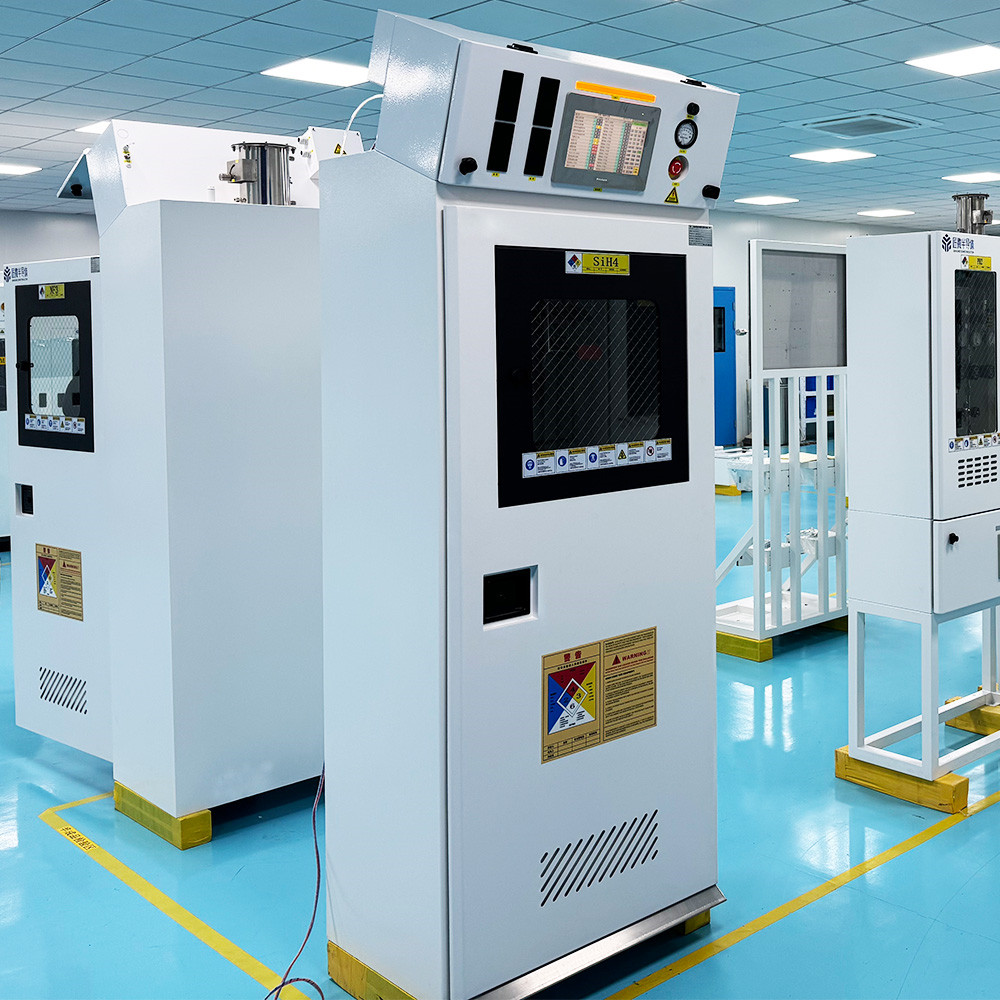
Conclusion
A custom integrated gas cabinet operates as a sophisticated, safety-focused system that stores, regulates, and delivers hazardous gases with precision and reliability. Through its robust components, automated switchovers, and integrated monitoring, it addresses the challenges of handling dangerous substances in high-stakes environments. Customization ensures it meets unique operational needs, enhancing efficiency while prioritizing safety. As industries evolve, these cabinets remain a cornerstone of gas management, safeguarding innovation and productivity.
For more about how does custom integrated gas cabinet work, you can pay a visit to Jewellok at https://www.specialtygasregulator.com/product-category/specialty-gas-cabinet/ for more info.
-
Manual Gas Rack High Purity Gas Delivery Systems JW-100-GR
-
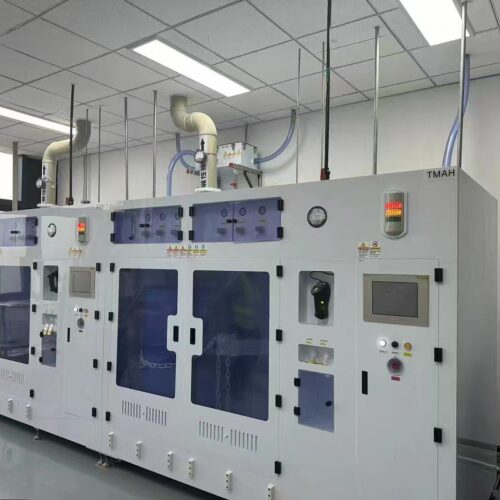
Liquid Bulk Chemical Delivery System with Automatic Chemical Dispense Unit (CDU) Featuring 316L Electropolished Stainless Steel Piping Components
-
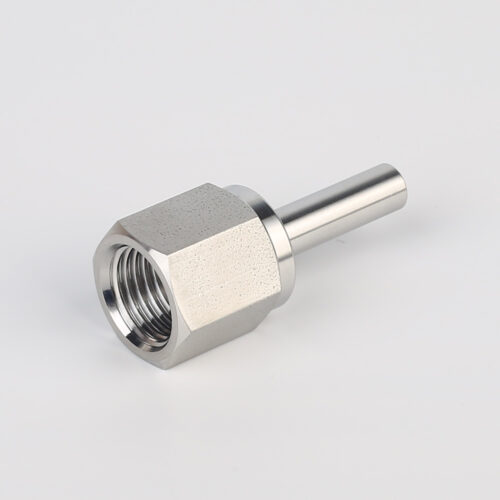
739LF High Purity Female Adapter Tube To Pipe Fittings And Connectors
-
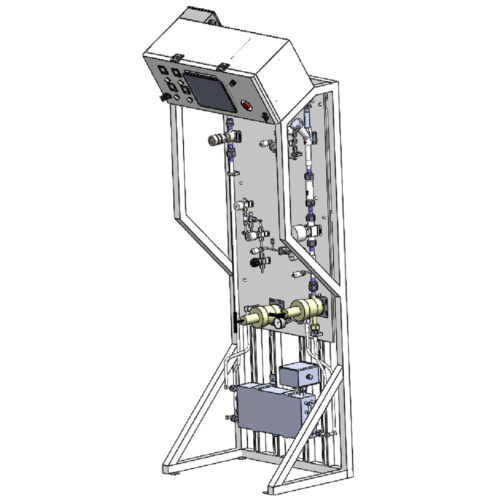
High Purity High Pressure Specialty Gas Bottle Gas Cylinder Storage Cabinet And Gas Pressure Regulating Cabinet For Semiconductor
-
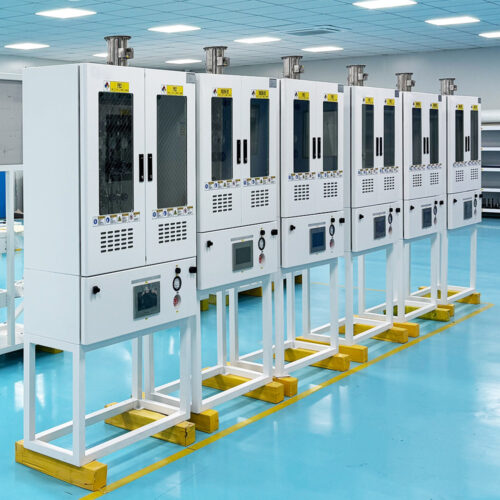
Precision Stainless Steel Valve Manifold Panel for Inert Gas Distribution in Cleanroom Manufacturing Environments
-
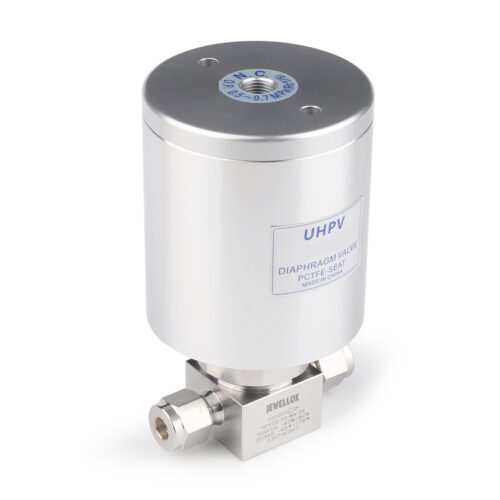
High Pressure High Temperature Pneumatic Ultrahigh Purity Stainless Steel Diaphragm Valves
-
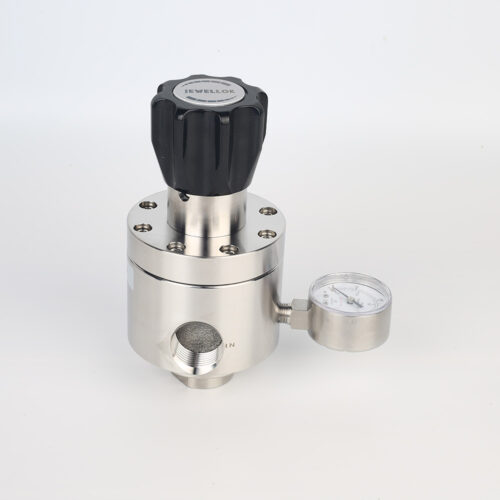
Low Pressure High Flow Line Pressure Regulators And Control Valves JSR-4L Series For Laboratory Pressure Control
-
Ultra High Purity Gas Delivery Systems And Liquid Chemical Delivery Systems JW-300-LDS