
Regulator Manufacturer Tel: +86 13380377051
Regulator Manufacturer Tel: +86 13380377051
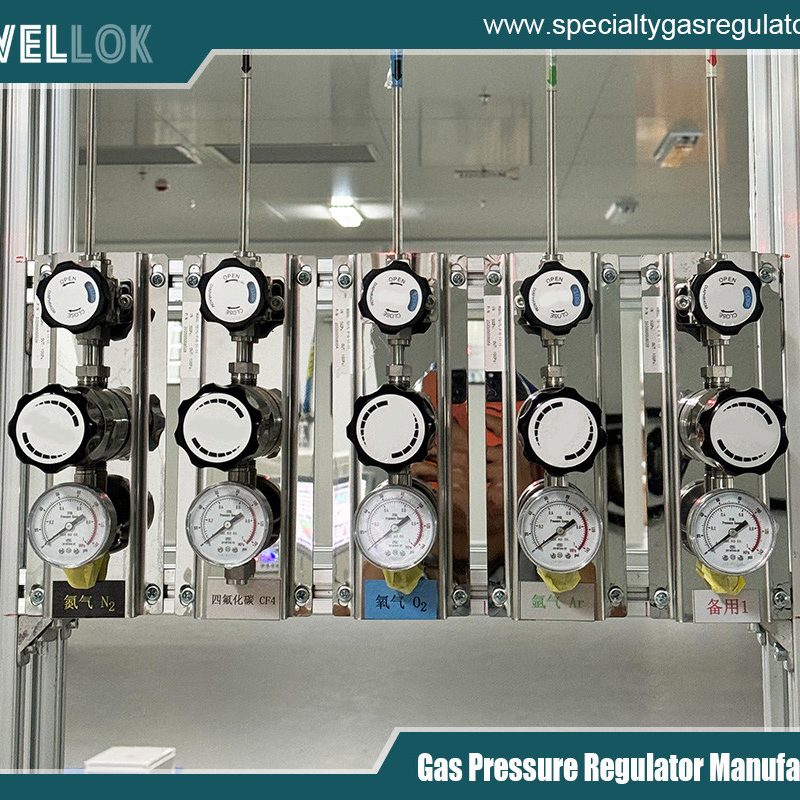
How Does a Two-Stage Gas Regulator Work?
Gas regulators are essential components in systems that handle pressurized gases, such as propane, natural gas, or compressed air. They ensure that the gas is delivered at a consistent and safe pressure to downstream appliances or equipment. Among various types, the two-stage gas regulator stands out for its ability to provide precise pressure control, especially in applications where inlet pressure fluctuates significantly. This article delves into the mechanics of a two-stage gas regulator, explaining its design, operation, and benefits in a technical context.
A single-stage regulator reduces pressure in one step, which can lead to variations in outlet pressure due to changes in inlet pressure or demand. In contrast, a two-stage regulator performs this reduction in two sequential steps, offering greater stability and safety. Commonly used in residential, commercial, and industrial settings—like propane tanks for grills, heating systems, or welding operations—these regulators are designed to handle high inlet pressures (up to 250 psi or more) and deliver low, stable outlet pressures (typically 11 inches water column for propane).
Understanding how a two-stage regulator works requires knowledge of fluid dynamics, mechanical engineering principles, and safety standards. We’ll break it down step by step, starting with the fundamental concepts.
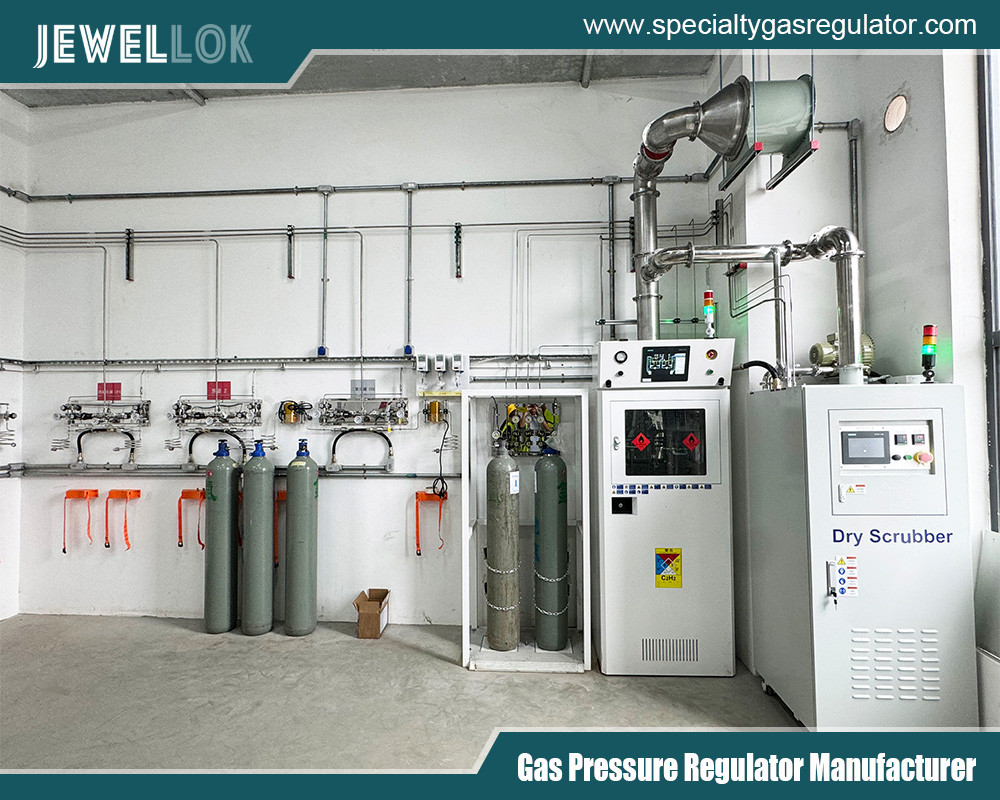
Basic Principles of Gas Pressure Regulation
At its core, a gas regulator operates on the principle of balancing forces to maintain a set pressure. Gas enters the regulator at high pressure and exits at a lower, controlled pressure. This is achieved through a combination of springs, diaphragms, and valves that respond to pressure differences.
The key equation governing this is derived from Boyle’s Law and the ideal gas law, but practically, it’s about force equilibrium. The outlet pressure (P_out) is determined by the spring force (F_spring) acting on a diaphragm, opposed by the gas pressure force (F_gas = P_out * A_diaphragm, where A is the diaphragm area). When demand increases, pressure drops slightly, allowing the spring to open the valve more, increasing flow until equilibrium is restored.
In a two-stage system, this process is divided: the first stage handles the bulk reduction from high to intermediate pressure, while the second stage fine-tunes it to the final outlet pressure. This division minimizes the impact of inlet pressure variations on the outlet, as the second stage sees a relatively stable input.
Components of a Two-Stage Gas Regulator
A typical two-stage regulator consists of two interconnected regulator bodies, often housed in a single unit for compactness. Key components include:
– Inlet Connection: A high-pressure port that connects to the gas source, such as a cylinder or pipeline. It includes filters to prevent debris entry.
– First-Stage Regulator: Comprises a high-pressure diaphragm, a strong spring, a poppet valve, and an orifice. The spring is calibrated for higher pressures.
– Intermediate Chamber: A passage or tube connecting the first and second stages, where gas is at an intermediate pressure (usually 5-10 psi for propane systems).
– Second-Stage Regulator: Similar to the first but with a larger diaphragm and weaker spring for low-pressure sensitivity. It includes a vent for overpressure relief.
– Outlet Connection: Delivers gas at the regulated pressure to the appliance line.
– Adjustment Mechanisms: Screws or knobs to set the outlet pressure, though many are factory-preset.
– Safety Features: Relief valves, overpressure shut-off (OPSO), and underpressure shut-off (UPSO) to prevent hazards like leaks or explosions.
Materials are typically brass, stainless steel, or die-cast zinc for corrosion resistance and durability. Seals use elastomers like nitrile or Viton, compatible with the gas type.
Operation of the First Stage
The first stage is engineered to withstand and reduce extremely high inlet pressures. Gas enters through the inlet at, say, 100-250 psi from a propane tank. It encounters the first-stage valve, which is normally closed by the spring force.
As gas demand starts (e.g., an appliance is turned on), the downstream pressure drops, creating a pressure differential. This differential acts on the diaphragm, compressing the spring and lifting the poppet valve off its seat. Gas flows through the orifice into the intermediate chamber.
The first stage maintains an intermediate pressure by balancing the inlet pressure’s force against the spring and diaphragm. If inlet pressure rises (due to temperature changes in the tank), the valve closes slightly to compensate, preventing overpressure downstream. Conversely, if inlet drops, it opens more.
Technically, the first stage operates as a direct-acting regulator, where the sensing element (diaphragm) directly controls the valve. The pressure drop across the first stage is significant, often from 250 psi to 10 psi, reducing the load on the second stage.
Operation of the Second Stage
The second stage receives gas at the intermediate pressure and further reduces it to the usable level, such as 0.4 psi (11 inches water column) for household appliances. Its design is more sensitive, with a larger diaphragm area to detect minute pressure changes.
Similar to the first stage, the second-stage diaphragm responds to outlet pressure. When demand increases, the diaphragm flexes, compressing its spring and opening the valve to allow more gas from the intermediate chamber. This stage acts as a buffer, isolating the outlet from inlet fluctuations.
A key advantage is the “lock-up” feature: when there’s no flow, the valve seats tightly, preventing creep (gradual pressure rise). The vent port allows safe release of excess pressure if the diaphragm fails, directing gas away from ignition sources.
In mathematical terms, the overall pressure regulation can be modeled as a cascaded control system. The gain of the first stage (pressure reduction ratio) multiplies with the second, providing high precision. For instance, if the first stage varies by 10% due to inlet changes, the second stage might amplify stability, resulting in outlet variation of less than 1%.
Advantages and Applications
Two-stage regulators excel in scenarios with variable inlet pressures or long supply lines, where pressure drop (due to friction) could affect performance. They provide:
– Stability: Outlet pressure remains consistent, crucial for efficient combustion in burners or precise control in industrial processes.
– Safety: Reduced risk of overpressurization, with built-in reliefs complying with standards like ANSI Z21.18 or CSA 6.3.
– Efficiency: Lower energy loss and better flow capacity compared to single-stage units.
Applications include RV propane systems, where tank pressure varies with temperature; commercial kitchens for steady gas supply to multiple appliances; and welding setups for oxygen or acetylene, ensuring safe torch operation.
In industrial contexts, they integrate with SCADA systems for monitoring, using pressure transducers to log data.
Maintenance and Safety Considerations
Proper maintenance ensures longevity and safety. Regular inspections for leaks (using soapy water), diaphragm wear, or corrosion are vital. Replace regulators every 10-15 years or per manufacturer guidelines.
Installation must follow codes: mount vertically, protect from weather, and use compatible fittings. Never bypass safety features.
In case of malfunction, symptoms like fluctuating flame height indicate issues. Troubleshooting involves checking inlet pressure, cleaning filters, or adjusting springs—tasks for qualified technicians.
In summary, the two-stage gas regulator’s dual-reduction mechanism provides reliable, safe gas delivery. By dividing the pressure drop, it mitigates variables that plague single-stage designs, making it indispensable in modern gas systems.
For more about How does a two stage gas regulator work, you can pay a visit to Jewellok at https://www.specialtygasregulator.com/product-category/ultra-high-purity-gas-regulators/double-stage-pressure-regulators/ for more info.
-
T-BOX JW-TB-C Special Gas Delivery System Gas Valve Manifold Boxes
-
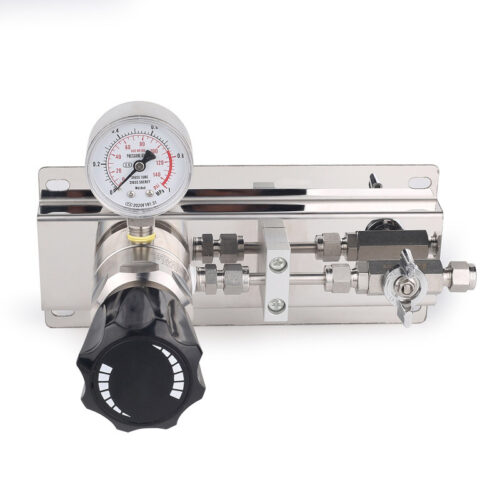
High Purity Gas Cylinder Semi Automatic Changeover Manifold Regulator Panel 3000psig Stainless Steel Gas Control Panel 1/8 Npt With Gauge
-
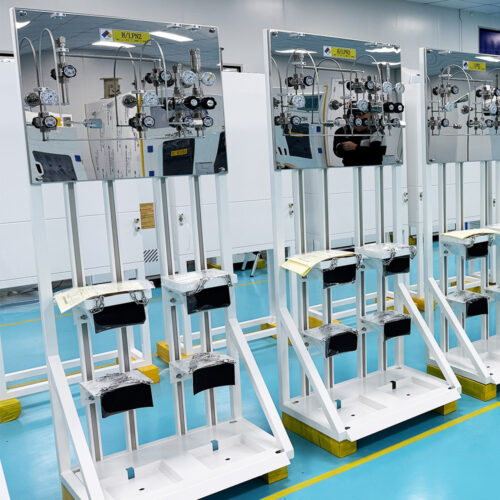
Manual Gas Rack High Purity Gas Delivery Systems JW-100-GR
-
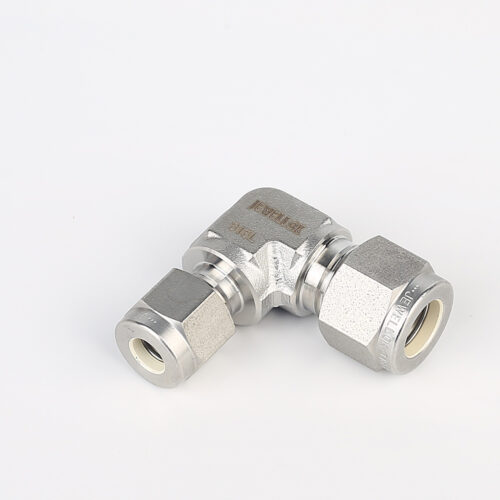
765LR Reducing Tee | Stainless Steel 316 High Purity Butt Weld Fittings Metal Face Seal For Welding Pipe Fitting Reducing Tee
-
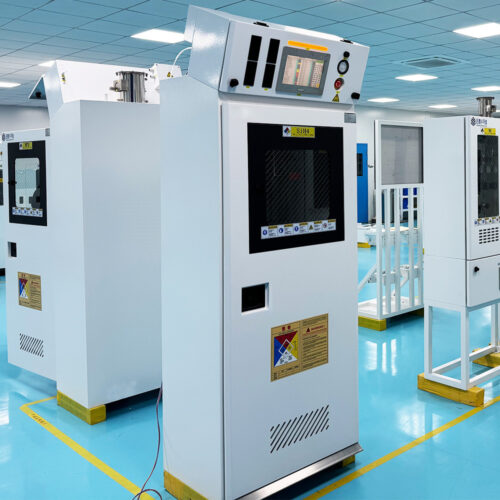
Advanced Bulk Specialty Gas Systems BSGS Gas Cabinet for Safe Handling of Toxic and Flammable Process Gases
-
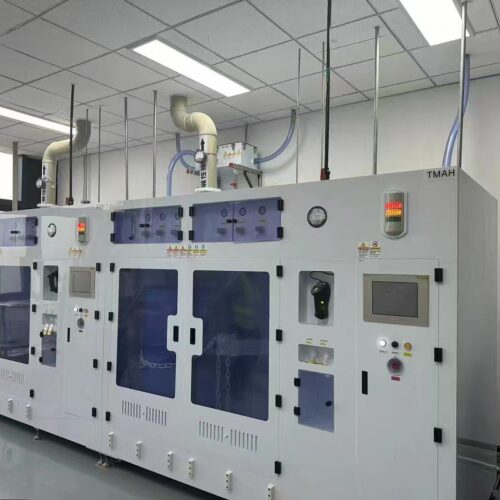
Vertical Laminar Flow Workstation (VLF) With Chemical Concentration Monitor
-
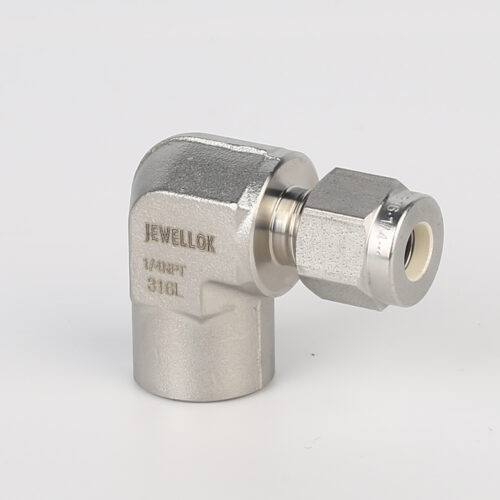
770L Female Elbow | Stainless Steel High Purity Weld Fittings Female Micro Elbow Fittings
-
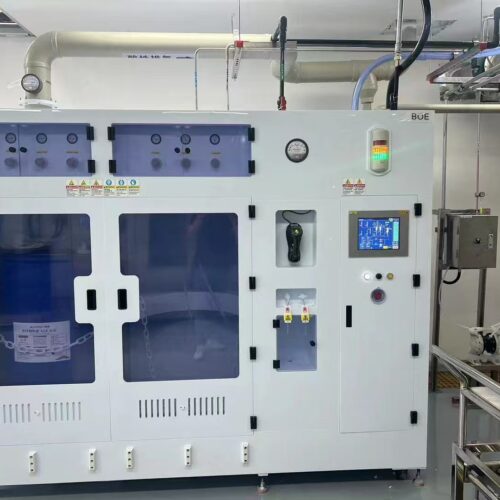
UHP Liquid Chemical Delivery Systems for Semiconductor Fabrication and Photovoltaic Manufacturing Processes