
Regulator Manufacturer Tel: +86 13380377051
Regulator Manufacturer Tel: +86 13380377051
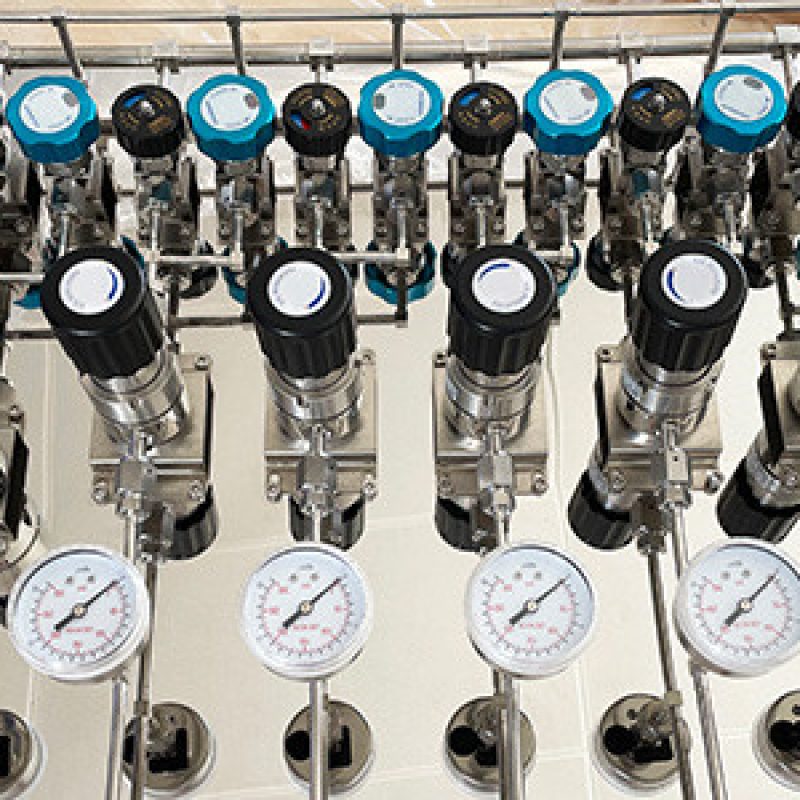
How Semiconductor Etch Gas Panels Improve Process Stability and Yield
In modern semiconductor manufacturing, precision is everything. As device geometries shrink to nanometer scales and process complexity continues to increase, maintaining stable and repeatable process conditions has become a critical challenge. Among the many subsystems that support fabrication, etch gas panels play a pivotal role in ensuring consistent gas delivery, process integrity, and ultimately, high device yield.
Semiconductor etching processes—whether plasma etching, reactive ion etching (RIE), or deep reactive ion etching (DRIE)—rely heavily on precise gas flow, pressure, and purity control. Even minor fluctuations can lead to defects such as line edge roughness, etch non-uniformity, or incomplete feature formation. This is where advanced etch gas panel systems make a measurable difference.
This article explores how semiconductor etch gas panels improve process stability and yield, focusing on system design, key technologies, and their direct impact on manufacturing performance.

What Is a Semiconductor Etch Gas Panel?
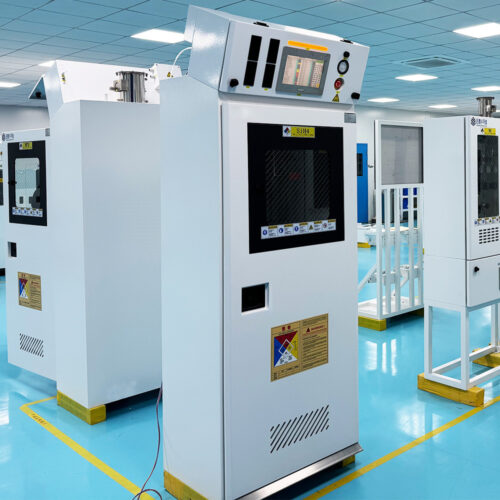
A semiconductor etch gas panel is a highly engineered gas delivery system designed to supply process gases from bulk sources (gas cabinets or bulk gas systems) to etching equipment with extreme precision and purity.
These panels typically include:
- Pressure regulators
- Mass flow controllers (MFCs)
- High-purity valves (e.g., diaphragm valves)
- Filters and purifiers
- Pressure transducers and sensors
- Automated control systems
They are responsible for delivering gases such as fluorine-based compounds (e.g., CF₄, SF₆), chlorine gases (Cl₂, BCl₃), oxygen (O₂), and inert gases (Ar, N₂) under tightly controlled conditions.
The Importance of Process Stability in Etching
Process stability refers to the ability to maintain consistent process parameters over time. In semiconductor etching, critical parameters include:
- Gas flow rate
- Chamber pressure
- Gas composition
- Temperature
- Plasma density
Any instability in gas delivery can directly affect:
- Etch rate consistency
- Profile control (anisotropy vs isotropy)
- Selectivity between materials
- Critical dimension (CD) control
For advanced nodes (e.g., 7nm, 5nm, and below), tolerances are extremely tight. Even a small deviation in gas flow (±1%) can result in unacceptable variation across wafers or lots.
Key Ways Etch Gas Panels Improve Process Stability
1. Precision Gas Flow Control
Modern etch gas panels use high-performance mass flow controllers (MFCs) capable of delivering gases with exceptional accuracy and repeatability.
Benefits:
- Stable plasma chemistry
- Consistent etch rates
- Reduced wafer-to-wafer variation
Advanced MFCs also feature fast response times, enabling rapid adjustments during dynamic process steps.
2. Ultra-High Purity Gas Delivery
Contaminants such as moisture, oxygen, or particles can severely impact etching processes, leading to defects or yield loss.
Etch gas panels incorporate:
- Ultra-high purity (UHP) components
- Electropolished stainless steel (e.g., 316L)
- High-efficiency gas filters
- Purifiers for moisture and oxygen removal
Impact on yield:
- Reduced particle contamination
- Improved film integrity
- Lower defect density
3. Stable Pressure Regulation
Maintaining consistent gas pressure is essential for stable plasma conditions.
Gas panels utilize:
- Multi-stage pressure regulators
- High-precision pressure transducers
- Closed-loop control systems
Advantages:
- Minimizes pressure fluctuations
- Ensures uniform gas distribution in the chamber
- Improves repeatability across process runs
4. Fast Switching and Response
Modern etching processes often require rapid gas switching between different chemistries.
High-performance gas panels enable:
- Millisecond-level valve switching
- Minimal dead volume design
- Optimized gas line routing
Result:
- Reduced transition times
- Improved process control in multi-step etching
- Enhanced throughput without compromising quality
5. Advanced Automation and Control Integration
Etch gas panels are fully integrated with fab automation systems through PLCs or advanced control software.
Features include:
- Real-time monitoring
- Automated fault detection
- Recipe-based gas control
- Data logging for traceability
Impact:
- Reduced human error
- Improved process reproducibility
- Faster troubleshooting and root cause analysis
Enhancing Yield Through Gas Panel Optimization
Yield—the percentage of functional chips per wafer—is directly tied to process control. Etch gas panels influence yield in several critical ways.
1. Reduction of Process Variability
Variability is the enemy of yield. Gas panels minimize variations in:
- Gas flow rates
- Pressure stability
- Gas composition
This leads to:
- Consistent feature dimensions
- Reduced edge roughness
- Uniform etch profiles
2. Defect Reduction
Particles and chemical contaminants are major sources of defects.
Optimized gas panels help reduce:
- Particle generation from valves and fittings
- Contaminant ingress from leaks or outgassing
Outcome:
- Lower defect density
- Higher die yield per wafer
3. Improved Critical Dimension (CD) Control
As feature sizes shrink, controlling critical dimensions becomes increasingly challenging.
Stable gas delivery ensures:
- Predictable etch rates
- Uniform material removal
- Tight CD distribution across wafers
4. Increased Equipment Uptime
Reliable gas panels reduce system failures and maintenance needs.
Key contributions:
- Leak-tight design
- High durability components
- Predictive maintenance capabilities
Result:
- Less downtime
- Higher throughput
- Better overall fab efficiency
Design Considerations for High-Performance Etch Gas Panels
To achieve optimal performance, several design factors must be considered:
1. Material Selection
- 316L stainless steel with electropolishing
- Low outgassing materials
- Corrosion-resistant components for reactive gases
2. Dead Volume Minimization
Reducing internal volume prevents gas mixing and improves response time.
3. Leak Integrity
Helium leak testing ensures leak rates as low as 1×10⁻⁹ mbar·L/s.
4. Modular Design
Allows easy maintenance, scalability, and customization for different processes.
5. Safety Features
Handling toxic and corrosive gases requires:
- Automatic shut-off valves
- Gas detection integration
- Purge systems (e.g., N₂ purge)
Emerging Trends in Etch Gas Panel Technology
1. Smart Gas Panels (Industry 4.0)
Integration with IoT and AI enables:
- Predictive maintenance
- Real-time optimization
- Data-driven process control
2. Advanced Materials for UHP Systems
New coatings and surface treatments further reduce contamination risks.
3. Compact and High-Density Designs
As fabs aim to maximize space efficiency, gas panels are becoming more compact without sacrificing performance.
4. Enhanced Compatibility with Advanced Nodes
Gas panels are evolving to support:
- Atomic layer etching (ALE)
- Extreme aspect ratio etching
- Advanced logic and memory devices
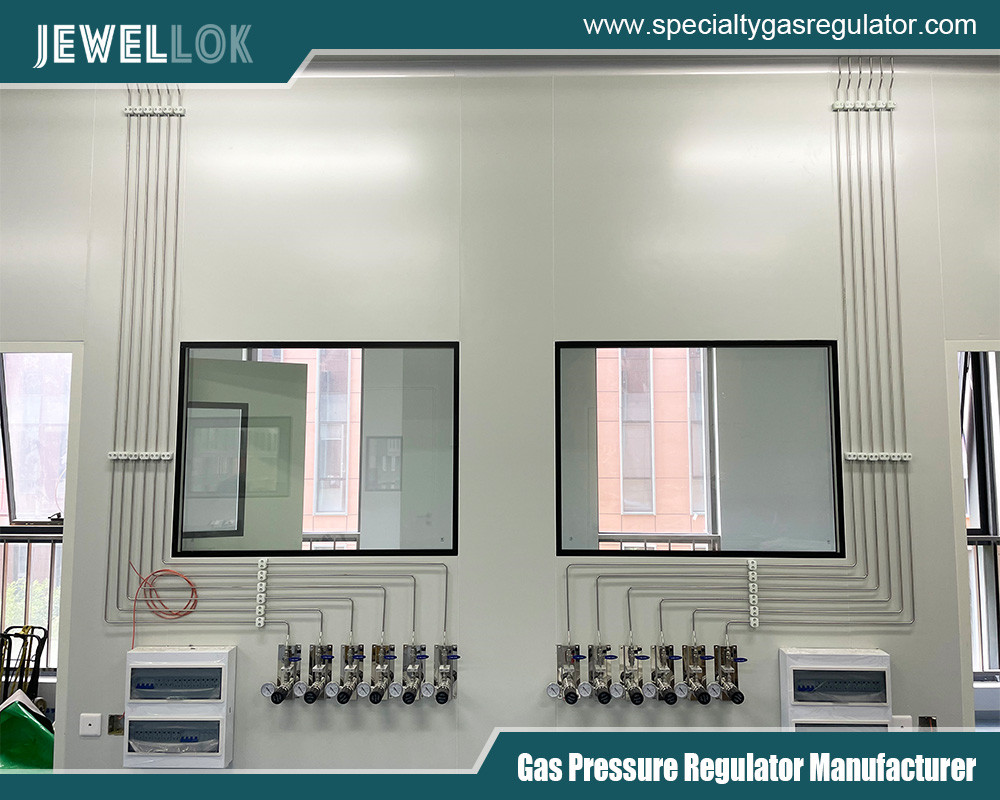
Conclusion
Semiconductor etch gas panels are far more than simple gas delivery systems—they are critical enablers of process stability and yield optimization. By ensuring precise control over gas flow, pressure, purity, and timing, these systems directly influence the success of etching processes at every stage of fabrication.
As semiconductor technologies continue to advance, the demand for higher precision, reliability, and automation in gas delivery systems will only increase. Investing in high-performance etch gas panels is therefore essential for fabs aiming to maintain competitiveness, improve yield, and achieve consistent process outcomes.
For manufacturers and engineers, understanding and optimizing gas panel design is not just a technical necessity—it is a strategic advantage in the pursuit of next-generation semiconductor innovation.
For more about how semiconductor etch panels improve process stability and yield, you can pay a visit to Jewellok at https://www.specialtygasregulator.com/product-category/specialty-gas-cabinet/ for more info.
-
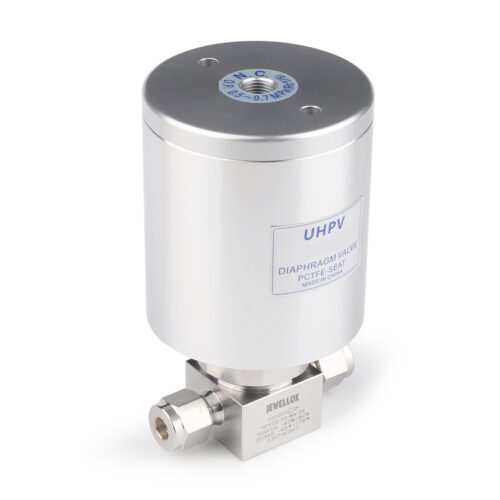
High Pressure High Temperature Pneumatic Ultrahigh Purity Stainless Steel Diaphragm Valves
-
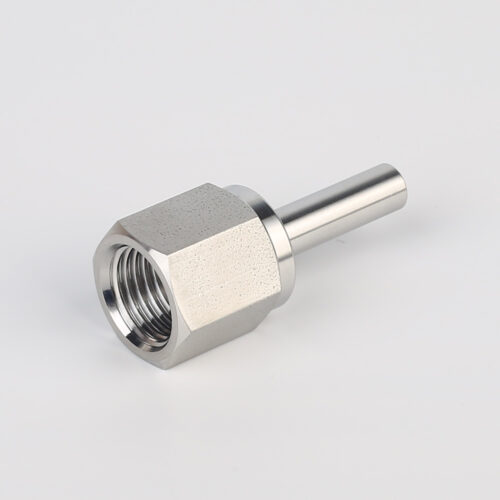
739LF High Purity Female Adapter Tube To Pipe Fittings And Connectors
-
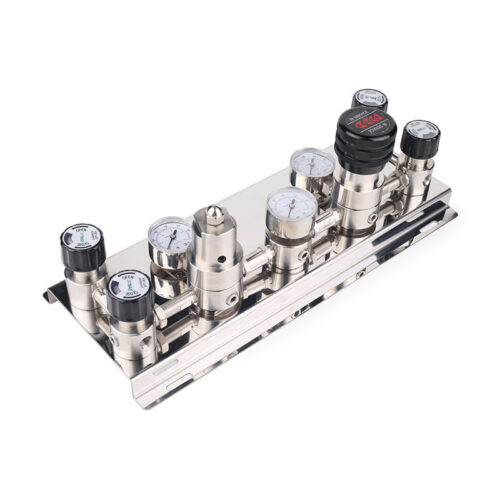
Stainless Steel High Pressure Specialty Gas Changeover Manifold For High Purity Oxygen Nitrogen Argon Helium Hydrogen Co2
-
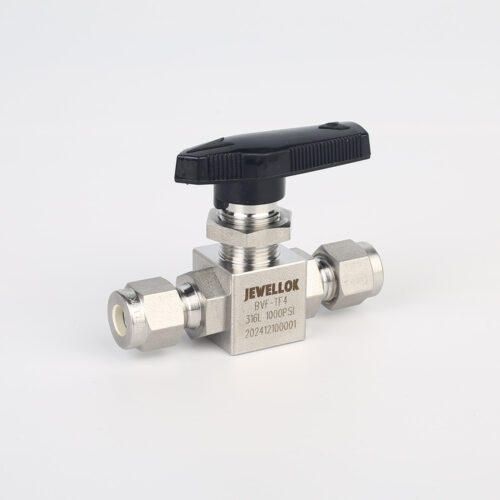
Stainless Steel High Purity High Temperature Pneumatic Actuated Ball Valves JBV2 Series
-
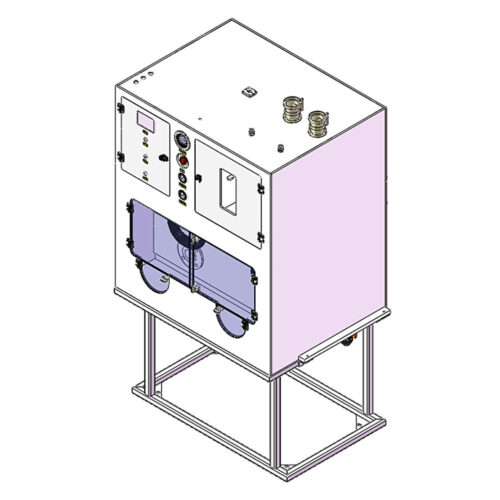
Clean Connection Cabinet JW-300-CCB Valve Manifold Box And Control Valve Box
-
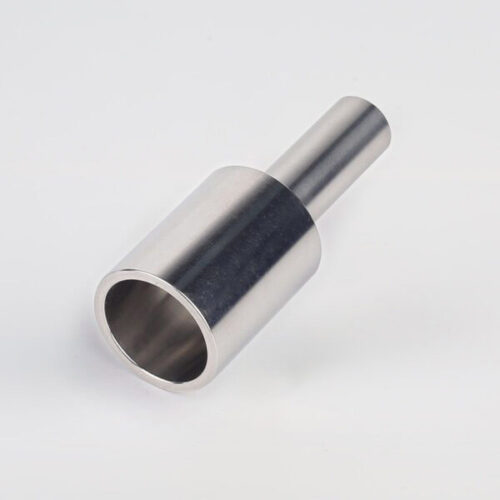
316L Stainless Steel Tube Butt Weld Reducing Fittings Union Reducer RW Series Ultrahigh Purity Process
-
High Purity Bulk Specialty Gas Pressure Control And Filtration Bulk Gas Skid Systems JW-300-BSGS
-
Semi Automatic Oxygen Nitrogen Helium Argon Gas Changeover Manifold Manual Gas Changeover Manifold Panel For Gas Cylinders