
Regulator Manufacturer Tel: +86 13380377051
Regulator Manufacturer Tel: +86 13380377051
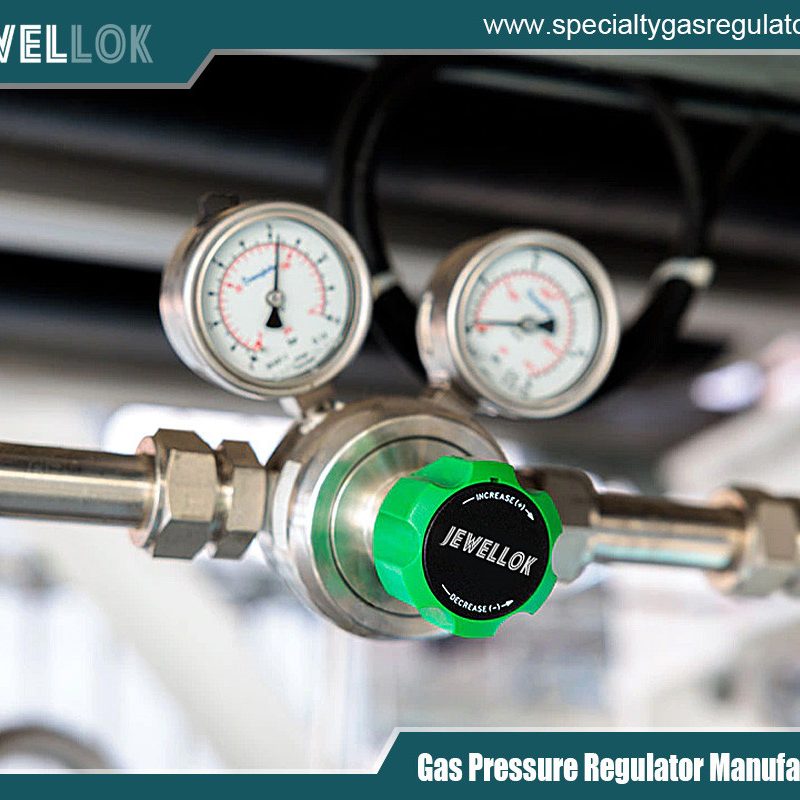
Stainless Steel vs. Brass Specialty Gas Regulators: Material Selection Tips
In industrial, laboratory, and high-purity gas applications, the choice of a gas regulator is a critical decision that impacts safety, performance, and cost. At the heart of this choice lies the material of construction. While regulators are complex assemblies with various elastomers and internal components, the body material—most commonly stainless steel or brass—plays a defining role. Selecting between stainless steel and brass isn’t merely a matter of preference; it’s a technical decision dictated by the gas being handled, the operating environment, the required purity, and long-term operational economics.
This article delves into the properties, advantages, and limitations of stainless steel and brass specialty gas regulators, providing a comprehensive guide to informed material selection.
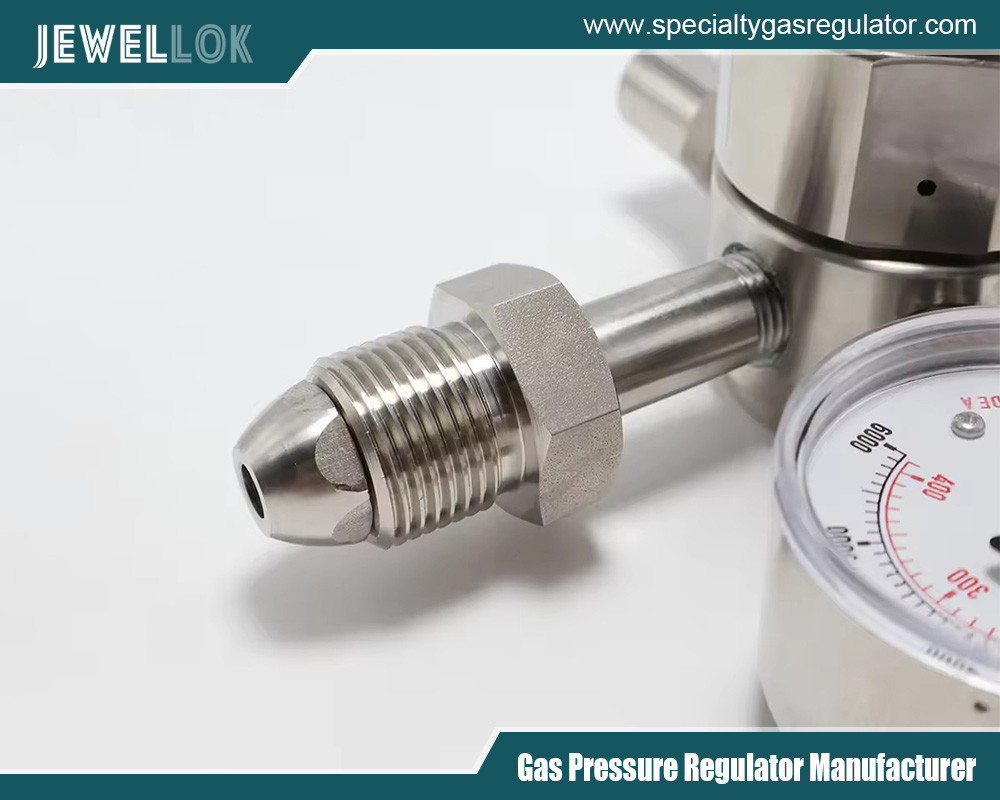
Part 1: Understanding the Contenders
Brass: The Traditional Workhorse
Brass, an alloy of copper and zinc, has been the traditional material for brass specialty gas regulators for decades. Its popularity stems from an excellent combination of properties:
- Machinability: Brass is easy to machine into complex shapes, allowing for intricate internal passages and contributing to lower manufacturing costs.
- Corrosion Resistance: It offers good resistance to corrosion from many common gases and atmospheric conditions, particularly in non-marine environments.
- Durability & Strength: It provides sufficient mechanical strength for most standard industrial pressure ranges (e.g., up to 6000 psi inlet).
- Cost-Effectiveness: Historically, brass regulators have been significantly less expensive than their stainless steel counterparts, both in initial purchase and sometimes in service parts.
Stainless Steel: The High-Performance Specialist
Stainless steel, primarily grades 316 or 316L (the “L” denotes low carbon for improved weldability and corrosion resistance), is the go-to material for demanding applications. Its key attributes include:
- Superior Corrosion Resistance: 316 stainless steel exhibits exceptional resistance to a wide range of corrosive media, including oxidizers, acids, chlorides, and salt spray. This is due to its protective chromium oxide layer.
- High Strength: It maintains its structural integrity at much higher pressures and temperatures than brass, making it suitable for high-pressure cylinders and severe service.
- Cleanliness & Purity: Stainless steel has a hard, non-porous surface that can be electropolished to a mirror finish (Ra <20 µin), minimizing particle generation and adsorption sites. This is critical for ultra-high purity (UHP) and semiconductor applications.
- Non-Reactivity: It is inert to a broader spectrum of gases, including those that can form explosive acetylides with copper (present in brass).
Part 2: Head-to-Head Comparison
| Property/Application | Brass Regulators | Stainless Steel Regulators |
| Primary Cost | Lower initial purchase cost. | Higher initial investment. |
| Corrosion Resistance | Good for dry gases, hydrocarbons, inert gases. Poor for ammonia, chlorides, acids, moist CO₂, and marine environments. | Excellent and broad-spectrum. Resists acids, chlorides, oxidizers, and marine atmospheres. |
| Gas Compatibility | Not compatible with acetylene (risk of explosive copper acetylide), ammonia (stress corrosion cracking), chlorine, methyl bromide, or any gas that attacks copper alloys. | Compatible with virtually all specialty, corrosive, and high-purity gases, including those incompatible with brass. |
| Hygiene & Cleanliness | Surface is more prone to oxidation and can shed particles. Not suitable for high-purity or analytical applications. | Superior. Can be electropolished for a ultra-smooth, passive surface ideal for UHP, semiconductor, and food/beverage (CIP/SIP) processes. |
| Mechanical Strength | Suitable for most standard industrial pressures. May creep or degrade under sustained high stress or temperature. | Higher tensile and yield strength. Suitable for very high pressures (10,000 psi+) and wider temperature ranges. |
| Weight | Heavier than aluminum but generally lighter than stainless steel. | Typically heavier than brass, a consideration for portability. |
| Typical Applications | Industrial welding (Ar, CO₂, O₂, N₂), fuel gases, general lab use with non-corrosive gases, compressed air. | Semiconductor manufacturing, analytical instrumentation (GC, ICP-MS), pharmaceutical & biotech, corrosive gases (HCl, H₂S, Cl₂), high-pressure research, marine/offshore, food & beverage (beverage carbonation). |
Part 3: Material Selection Tips – A Decision Framework
Choosing the right material is a systematic process. Ask these critical questions:
- What is the Gas Service?
This is the most crucial factor.
- Choose Stainless Steel if: The gas is corrosive (e.g., hydrogen sulfide, chlorine, hydrogen chloride, sulfur dioxide), an oxidizer (e.g., high-purity oxygen, nitrous oxide), or ammonia. Stainless steel is mandatory for gases that react with copper alloys. It is also the standard for Ultra-High Purity (UHP) and carrier gases in analytics to prevent contamination.
- Brass can be considered if: The gas is inert (argon, helium, nitrogen), a fuel gas (natural gas, propane), or non-corrosive common gases like carbon dioxide (if dry) and air. Always consult compatibility charts (e.g., from CGA or regulator manufacturers) before finalizing.
- What is the Required Purity Level?
- For Critical Purity (Semiconductor, Pharma, Analytical): Stainless Steel is non-negotiable. Electropolished 316L stainless steel with diaphragm seals ensures the lowest outgassing and particle generation. Brass can leach zinc or copper ions and its oxidized surface can trap moisture and contaminants.
- For Industrial Grade Purity: Brass is often perfectly adequate. For example, shielding gas for MIG welding does not require the purity levels of a gas chromatography carrier line.
- What is the Operating Environment?
- Harsh Environments: In offshore, marine, coastal, or chemical plant environments where salt spray, high humidity, or ambient corrosive fumes are present, stainless steel’s superior atmospheric corrosion resistance makes it the only reliable choice. Brass will corrode rapidly (“dezincification”).
- Clean, Controlled Environments: In a dry lab or workshop, environmental factors are less critical, allowing brass to be a viable, cost-effective option.
- What are the Pressure and Temperature Requirements?
- High Pressure (>6000 psi) or Extreme Temperatures: Stainless steel’s higher mechanical strength and stability make it the safer and often required choice.
- Standard Pressures and Temperatures: Brass regulators are routinely rated for pressures up to 6000 psi and perform reliably within standard temperature ranges.
- What is the Total Cost of Ownership (TCO)?
Look beyond the price tag.
- Initial Cost: Brass wins.
- Lifetime Cost: Stainless steel may win in corrosive or critical service. A brass regulator exposed to an incompatible gas or environment may fail prematurely, causing unsafe conditions, costly downtime, gas loss, and frequent replacement. The superior durability and minimal maintenance of a stainless steel regulator in the right application can offer a lower TCO despite its higher upfront cost.
- Cleaning & Validation Costs: In industries like food or pharmaceuticals, clean-in-place (CIP) capability and validation are easier with stainless steel, potentially saving significant labor and compliance costs.
- Are there Industry Standards or Regulations?
Certain industries have codified requirements.
- Oxygen Service: For high-pressure oxygen (>500 psi), stainless steel is often required to prevent combustion risks from adiabatic compression. For lower pressures, specially cleaned and certified brass “oxygen-service” regulators are used.
- Beverage (Brewing/Carbonation): Sanitary standards and resistance to cleaning chemicals make stainless steel (often with a bright finish) the industry standard.
- Acetylene: Never use brass or any copper alloy with acetylene due to the risk of forming explosive copper acetylide. Regulators for acetylene use a special stainless steel or Monel inner construction with a brass shell that is strictly isolated from the gas stream.
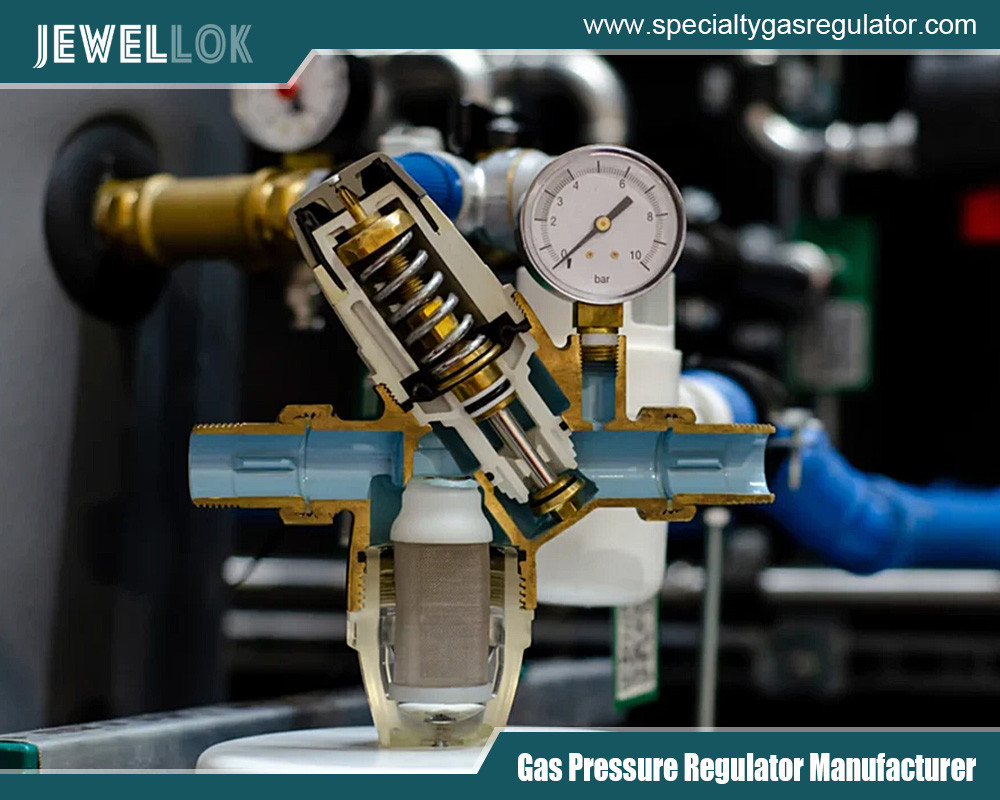
Conclusion
The debate between stainless steel and brass specialty gas regulators is not about finding a universal winner, but about applying the correct material science to the specific application.
Choose Brass when you need a reliable, cost-effective solution for non-corrosive, non-ammonia, non-acetylene gases in a benign environment, where ultra-high purity is not a concern. It remains the efficient workhorse for vast swaths of general industry and fabrication.
Choose Stainless Steel when handling corrosive, ultra-pure, or reactive gases, operating in harsh or marine environments, servicing high-pressure or critical analytical systems, or where long-term hygiene and durability are paramount. It is the investment that safeguards process integrity, safety, and product quality.
Ultimately, the most critical selection tip is this: Let the gas and the application dictate the material. By rigorously evaluating the gas compatibility, environmental conditions, purity needs, and total cost implications, you can make a selection that ensures safety, optimizes performance, and delivers value over the entire lifecycle of the regulator. When in doubt, or for mixed or uncertain service, consulting with a reputable regulator manufacturer or gas safety specialist is always the wisest course of action.
For more about stainless steel vs. brass specialty gas regulators: material selection tips, you can pay a visit to Jewellok at https://www.specialtygasregulator.com/how-does-a-integrated-gas-supply-system-work/ for more info.
-
Automatic Chemical Delivery Module (CDM) and Chemical Delivery System (CDS) for Precise Point of Use Blending and Dilution
-
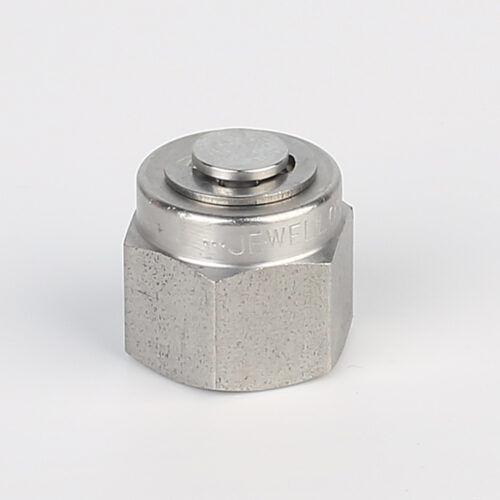
7121L Plug High Purity Plug Fitting And Blanking Plug
-
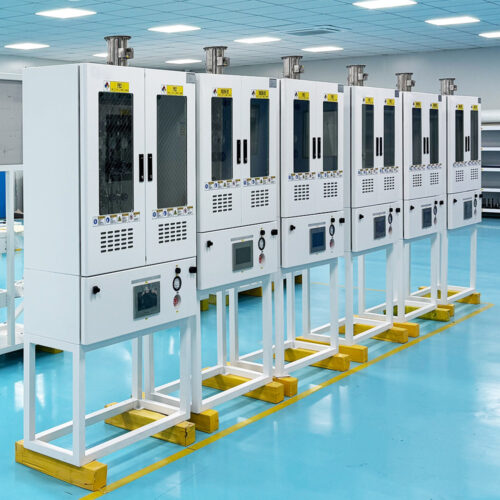
High Purity VMB Valve Manifold Box for Semiconductor Gas Distribution and Specialty Chemical Delivery Systems
-
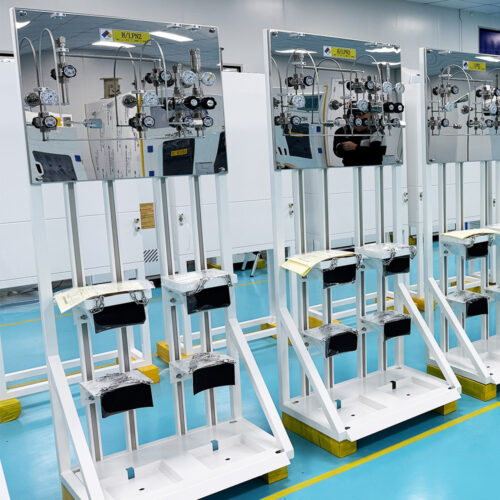
Semi Automatic Gas Cabinet Systems for Handling Toxic and Flammable Process Specialty Gases in High Tech
-
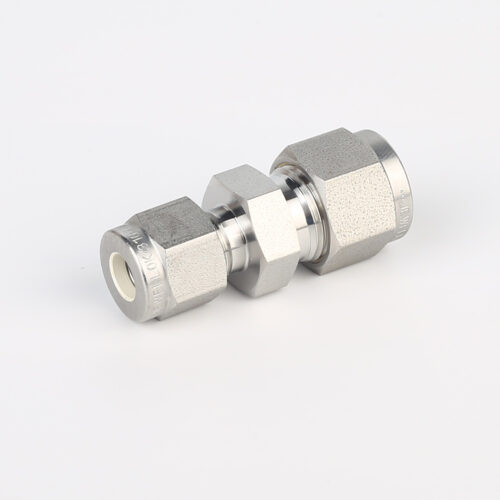
763L Stainless Steel High Purity Pressure Reducing Union Fittings And Tubing Pressure Reducing Valve Adjustment
-
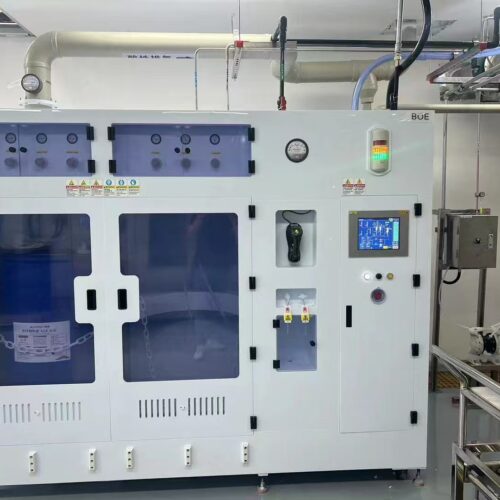
UHP Liquid Chemical Delivery Systems for Semiconductor Fabrication and Photovoltaic Manufacturing Processes
-
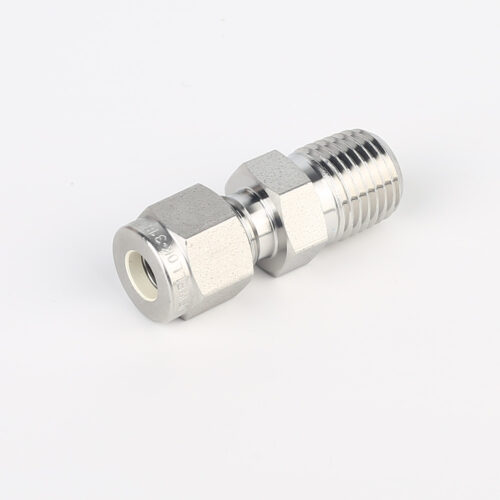
768L Stainless Steel Male Tube Butt Weld Connector | Clean Weld Fittings And Ultra-High Purity Fittings
-
Semi-Automatic VMB Gas Cabinet Gas Changeover Manifold With Semiconductor Valve Manifold Box Diaphragm Valves And Gas Pressure Regulators