
Regulator Manufacturer Tel: +86 13380377051
Regulator Manufacturer Tel: +86 13380377051
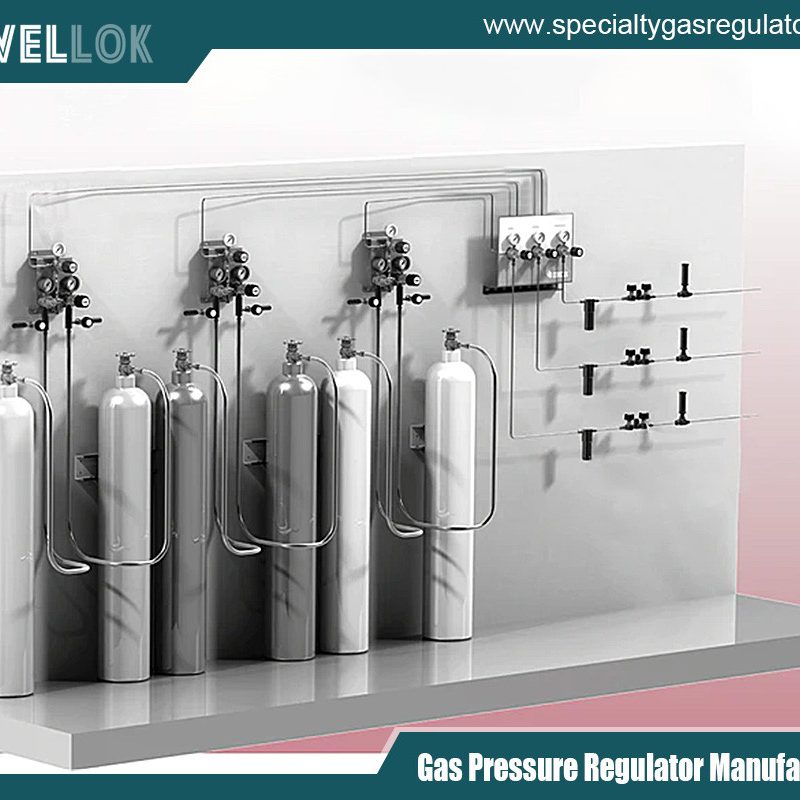
Ultra High Purity Nitrogen Pressure Regulators: Precision Control for Critical Applications
In the realm of industrial gases and high-tech manufacturing, maintaining the purity of process gases is paramount. Ultra high purity (UHP) nitrogen pressure regulators stand as essential components in systems where even trace contaminants can compromise product quality, safety, or performance. These specialized devices are engineered to deliver nitrogen gas at controlled pressures while preserving its ultra-pure state, typically exceeding 99.999% purity levels. As industries like semiconductors, pharmaceuticals, and aerospace push the boundaries of precision, the demand for reliable UHP nitrogen pressure regulators continues to grow.
Nitrogen, an inert gas, is widely used for blanketing, purging, and carrier applications due to its non-reactive nature. However, in UHP environments, the regulator must prevent any introduction of impurities from materials, leaks, or operational mechanisms. This article delves into the technical aspects of UHP nitrogen pressure regulators, exploring their design, functionality, applications, and best practices for implementation. By understanding these regulators, engineers and technicians can optimize systems for efficiency and reliability.
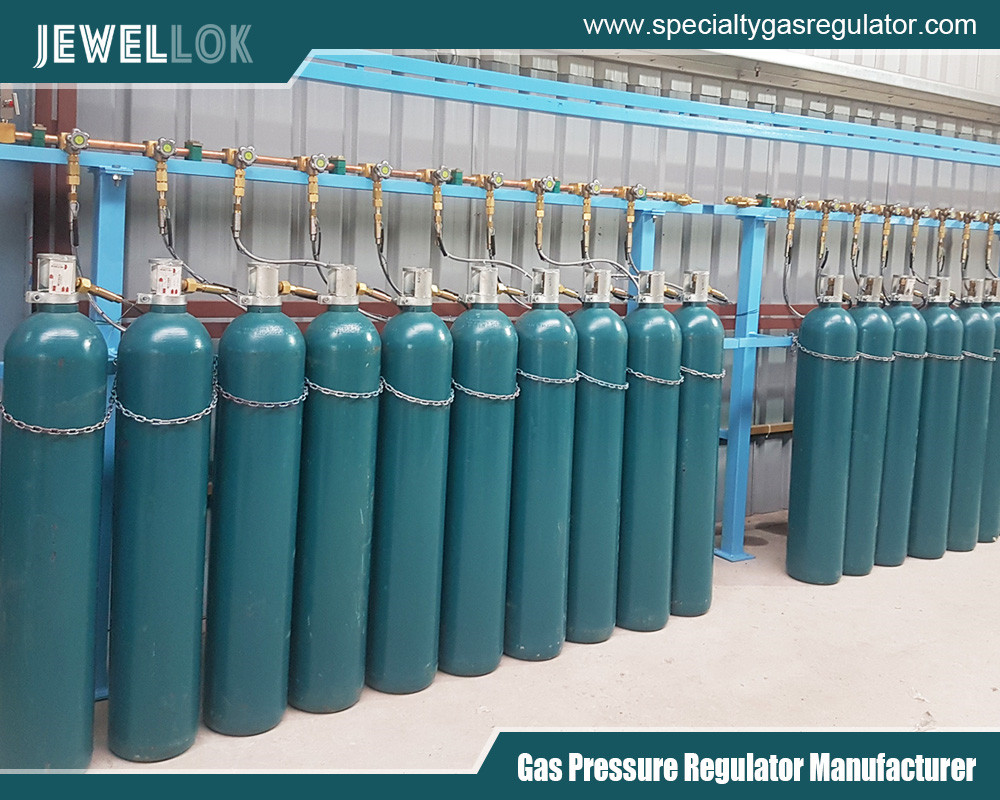
Understanding Ultra High Purity Systems
Ultra high purity refers to gas systems where contaminants are minimized to parts per billion (ppb) or even parts per trillion (ppt) levels. In nitrogen applications, UHP standards ensure that oxygen, moisture, hydrocarbons, and particulates are virtually eliminated. Pressure regulators in these systems play a dual role: reducing high inlet pressures from storage cylinders or bulk supplies to usable outlet pressures, and safeguarding purity throughout the process.
Traditional pressure regulators might suffice for standard industrial uses, but UHP variants are distinguished by their construction materials and sealing technologies. For instance, stainless steel bodies with electropolished surfaces reduce outgassing and particle shedding. Elastomeric seals are often replaced with metal-to-metal or advanced polymer seals to avoid permeation of contaminants. The purity level is critical because in semiconductor fabrication, a single impurity can ruin an entire wafer batch, leading to significant financial losses.
The evolution of UHP regulators has been driven by advancements in materials science and manufacturing techniques. Early regulators relied on basic diaphragm designs, but modern UHP models incorporate tied-diaphragm or piston-sensing mechanisms for enhanced sensitivity and stability. These improvements allow for precise pressure control across a wide range, typically from vacuum to several thousand psi, while maintaining flow rates suitable for high-volume processes.
Design and Construction of UHP Nitrogen Pressure Regulators
The design of UHP nitrogen pressure regulators emphasizes contamination control and durability. Key components include the body, bonnet, diaphragm or piston, springs, seats, and ports. The body is usually machined from 316L stainless steel, known for its corrosion resistance and low carbon content, which prevents carbide precipitation during welding.
Electropolishing is a standard finishing process that smooths the internal surfaces to a roughness average (Ra) of less than 10 microinches. This minimizes adhesion sites for particles and facilitates easy cleaning. For even higher purity, some regulators feature vacuum arc remelted (VAR) stainless steel, which reduces inclusions and improves material homogeneity.
The sensing element is crucial for pressure regulation. Diaphragm-type regulators use a thin, flexible membrane to isolate the process gas from the spring mechanism, preventing contamination. In UHP designs, diaphragms are often made from Hastelloy or other nickel alloys for superior chemical resistance. Piston-type regulators, on the other hand, employ a sliding piston for direct pressure sensing, offering higher pressure capabilities but requiring precise machining to avoid leaks.
Seals and O-rings in UHP regulators must be compatible with nitrogen and free from volatile compounds. Materials like PTFE, Kalrez, or metal gaskets are preferred over traditional rubber to prevent outgassing. Inlet and outlet ports are typically fitted with VCJ (vacuum coupling radiation) or face-seal fittings, which provide leak-tight connections without dead volumes where gases could stagnate and contaminate.
Safety features are integrated, such as pressure relief valves to prevent over-pressurization and burst discs for catastrophic failure protection. Some advanced models include integral filters with sub-micron ratings to capture any upstream particulates, further enhancing purity.
Working Principles
UHP nitrogen pressure regulators operate on the principle of force balance. In a single-stage regulator, high-pressure nitrogen enters the inlet port and acts on the sensing element (diaphragm or piston). The opposing force from an adjustable spring determines the outlet pressure. When the outlet pressure drops due to downstream demand, the sensing element moves to open the poppet valve, allowing more gas to flow until equilibrium is restored.
For applications requiring extreme stability, two-stage regulators are employed. The first stage reduces the inlet pressure to an intermediate level, and the second stage fine-tunes it to the desired outlet pressure. This design minimizes supply pressure effects (SPE), where fluctuations in inlet pressure could affect outlet stability. In UHP systems, SPE is particularly critical, as even minor variations can introduce impurities through micro-leaks or material stress.
Flow characteristics are another key aspect. Regulators are rated by their Cv (flow coefficient), which indicates the volume of gas they can handle at a given pressure drop. For nitrogen, Cv values range from 0.02 for low-flow precision applications to over 1.0 for high-capacity lines. Droop, or the decrease in outlet pressure with increasing flow, is minimized in UHP designs through optimized valve geometries and high-gain sensing mechanisms.
Temperature compensation is often incorporated, as nitrogen’s density changes with temperature, affecting pressure readings. Some regulators use bimetallic elements or electronic controls to maintain accuracy across -40°C to 150°C operating ranges.
Key Features and Specifications
When specifying UHP nitrogen pressure regulators, several parameters must be considered:
– Pressure Range: Inlet pressures up to 6000 psi, outlet from 0-500 psi, with accuracy better than ±1%.
– Purity Certification: Regulators should comply with standards like SEMI F1 or ASTM G93, ensuring helium leak rates below 1×10^-9 scc/sec.
– Materials Compatibility: All wetted parts must be inert to nitrogen and potential trace gases.
– Cleanliness: Assembled in ISO Class 5 cleanrooms, with particle counts below 100 per cubic foot.
– Options: Gauge ports for monitoring, panel-mounting for integration, or dome-loaded versions for remote pressure control.
Advanced features include electronic pressure transducers for real-time monitoring and integration with SCADA systems. Some models offer self-relieving designs to vent excess pressure without contaminating the environment.
Applications in Various Industries
UHP nitrogen pressure regulators find extensive use across multiple sectors:
In semiconductor manufacturing, they supply nitrogen for photolithography tools, where purity prevents defects in microchip patterns. Regulators maintain stable pressures in gas delivery manifolds, ensuring consistent flow to deposition chambers.
The pharmaceutical industry relies on them for inerting during drug synthesis and packaging. Nitrogen blankets prevent oxidation of sensitive compounds, and UHP regulators ensure no contaminants enter sterile environments.
In aerospace and defense, these regulators control nitrogen in fuel systems and environmental testing chambers. High-altitude simulations require precise pressure control to mimic vacuum conditions without introducing moisture.
Analytical instrumentation, such as gas chromatography and mass spectrometry, uses UHP nitrogen as a carrier gas. Regulators provide low-noise pressure delivery, enhancing signal-to-noise ratios in detections.
Emerging applications include **additive manufacturing**, where nitrogen inerting prevents metal powder oxidation during 3D printing, and **food and beverage** for modified atmosphere packaging to extend shelf life.
Selection and Maintenance Tips
Selecting the right UHP nitrogen pressure regulator involves assessing system requirements: flow rate, pressure drop, purity needs, and environmental conditions. Consult flow curves and compatibility charts from manufacturers to match the regulator to the application.
Maintenance is vital for longevity and performance. Regular inspections for leaks using helium mass spectrometry are recommended. Cleaning protocols involve purging with dry nitrogen and avoiding solvents that could leave residues. Diaphragms and seats should be replaced periodically, following manufacturer intervals.
Troubleshooting common issues like creep (slow pressure rise) or chatter (vibration) often points to improper installation or contaminants. Ensure regulators are mounted vertically to prevent particle accumulation and use upstream filters for protection.

Conclusion
Ultra high purity nitrogen pressure regulators represent the pinnacle of gas control technology, enabling advancements in high-stakes industries. Their sophisticated design and rigorous construction ensure that nitrogen remains uncontaminated, supporting processes that demand the utmost precision. As technology evolves, these regulators will continue to adapt, incorporating smart sensors and IoT connectivity for predictive maintenance. For engineers designing UHP systems, investing in quality regulators is not just a choice but a necessity for operational excellence.
For more about ultra high purity nitrogen pressure regulators, you can pay a visit to Jewellok at https://www.specialtygasregulator.com/product-category/ultra-high-purity-gas-regulators/ for more info.
-
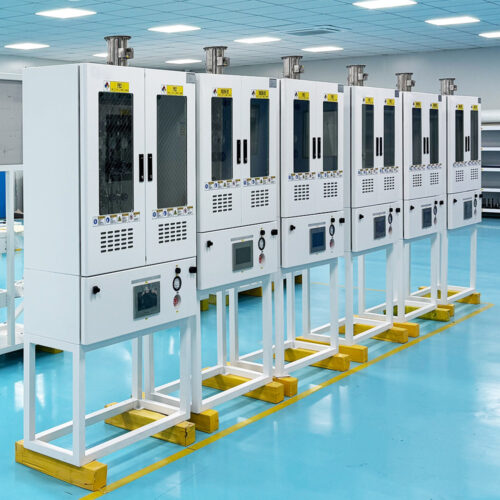
Integrated Gas Cabinets and Exhaust Gas Scrubber System for Ammonia and Hydrogen Chloride Industrial Emission Control
-
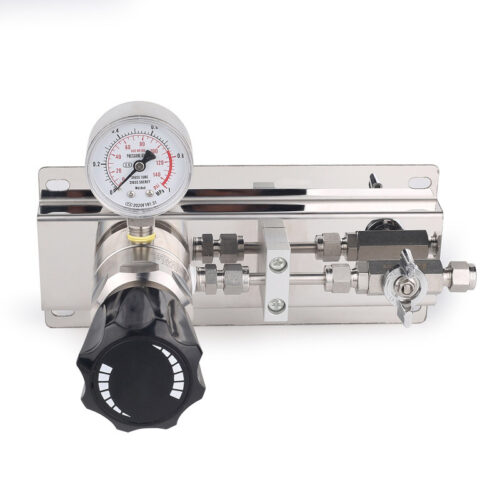
High Purity Gas Cylinder Semi Automatic Changeover Manifold Regulator Panel 3000psig Stainless Steel Gas Control Panel 1/8 Npt With Gauge
-
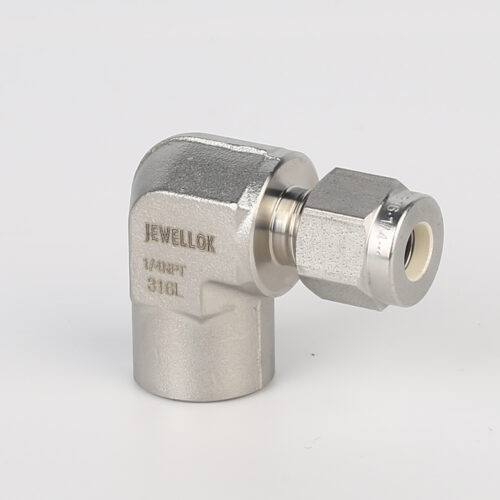
770L Female Elbow | Stainless Steel High Purity Weld Fittings Female Micro Elbow Fittings
-
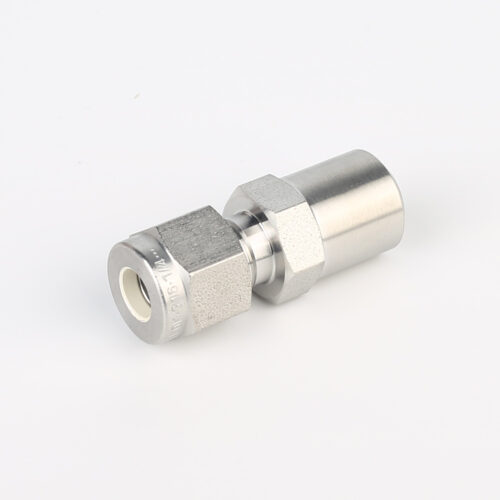
768LN Stainless Steel Male Pipe Tube Butt Weld Connector And Tube Fittings Supplier
-
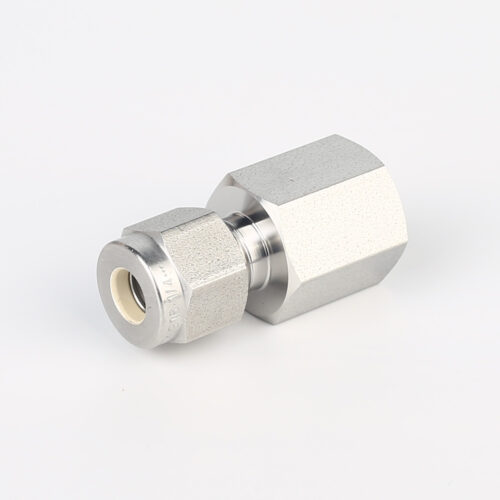
766L High Purity Female Connector UHP Fitting Female Connector
-
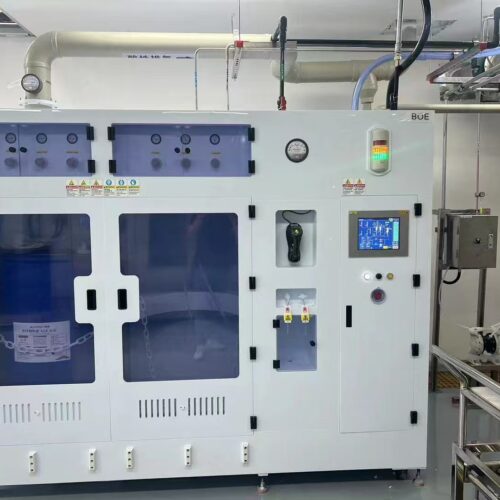
UHP Liquid Chemical Delivery Systems for Semiconductor Fabrication and Photovoltaic Manufacturing Processes
-
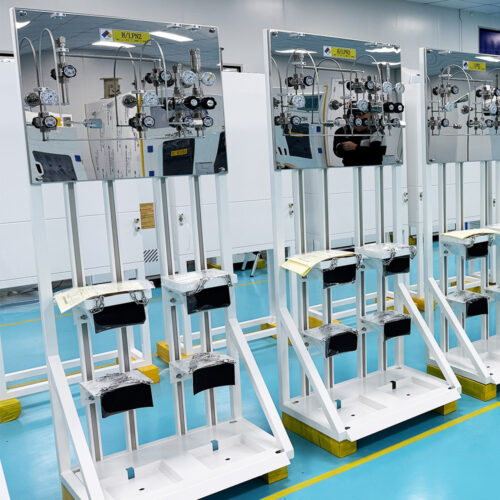
Semi-Automatic VMB Gas Cabinet Gas Changeover Manifold With Semiconductor Valve Manifold Box Diaphragm Valves And Gas Pressure Regulators
-
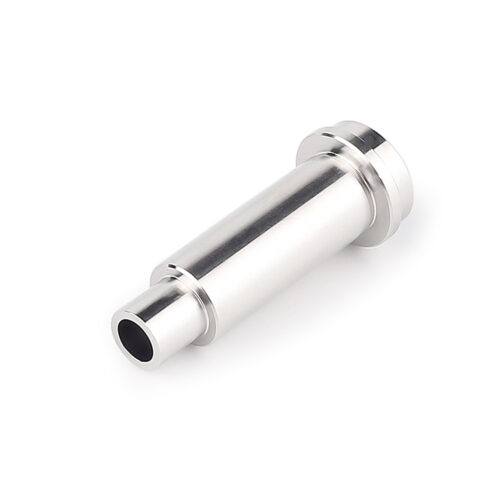
UHP Metal Gasket Face Seal Fittings Vacuum Coupling Metal Face Seal Join Long Gland And Short Gland