
Regulator Manufacturer Tel: +86 13380377051
Regulator Manufacturer Tel: +86 13380377051

Critical Technical Parameters for Specialty Gas Regulators in Semiconductor Manufacturing
The Precision Gateway to Chip Fabrication
In the ultra-demanding environment of semiconductor manufacturing, where processes operate at the atomic scale, the gases used are the lifeblood of fabrication. These high-purity specialty gases—whether inert carriers, reactive etchants like chlorine trifluoride, or delicate dopants like arsine—must be delivered with flawless consistency. The pressure regulator valve is the critical control point in this delivery system. A device chosen incorrectly can become a source of catastrophic contamination, process drift, or safety incidents. This article examines the key technical parameters that determine whether a specialty gas regulator is suitable for the world’s most exacting manufacturing environment, where part-per-trillion impurities are unacceptable and reliability is non-negotiable.

- Pressure and Flow Performance: The Foundations of Control
The primary function of any specialty gas regulator is to reduce a high, variable inlet pressure from a cylinder or source to a stable, usable delivery pressure. In semiconductor tools, this stability is paramount.
- Inlet Pressure (P1) Rating: This must comfortably exceed the maximum supply pressure of the gas cylinder or bulk source. For high-pressure gases (like silane mixtures at 2000+ psig), a robust 3000 or 4000 psig inlet rating is standard. The regulator body and components must be designed for these pressures with a significant safety margin.
- Outlet Pressure (P2) Range & Stability: The required delivery pressure range is dictated by the process tool. A regulator must provide precise control across this range, from perhaps 5 psig for a low-pressure CVD process to 100 psig for some etch applications. More critical than the range itself is stability, often defined as droop or lock-up. Superior regulators minimize droop—the slight decay in outlet pressure as flow increases—ensuring consistent process conditions.
- Flow Capacity (Cv): The regulator must supply the maximum required flow rate of the tool without becoming a bottleneck or losing control. The flow coefficient (Cv) quantifies this capacity. Undersizing leads to pressure drop and flow starvation; oversizing can make precise control at low flows difficult. Engineers must match the regulator’s Cv curve to the tool’s peak and average demand.
- Gas Specific Design: Importantly, flow and pressure performance are gas-dependent. The regulator’s spring and orifice are typically calibrated for specific gas families (e.g., inert, corrosive, toxic). Using a regulator calibrated for nitrogen on a dense gas like tungsten hexafluoride will yield inaccurate delivery.
- Materials of Construction and Contamination Control
This is the most critical differentiator for semiconductor-grade regulators. Every material that contacts the gas stream—known as “wetted” materials—must be ultra-inert, non-porous, and smooth to prevent contamination.
- Metallurgy:
- 316L Stainless Steel: The industry standard. The “L” denotes low carbon, preventing chromium carbide precipitation at weld zones, which can become corrosion sites and particle generators.
- Electropolishing (EP): A mandatory surface treatment for high-purity service. Electropolishing removes microscopic peaks, creating a smooth, passivated surface that minimizes gas adsorption, reduces surface area for reactions, and makes the interior easier to purge and clean.
- Specialty Alloys: For the most aggressive gases (e.g., hydrogen bromide, wet chlorine), Hastelloy C-22 or Monel may be required for superior corrosion resistance, preventing metallic contamination.
- Elastomers and Non-Metallics:
- The rule is simple: eliminate them from the gas stream wherever possible. Traditional elastomer seals (Viton, EPDM) can outgas hydrocarbons, permeate gases, and degrade, releasing particles.
- Metal Diaphragms: A semiconductor-grade regulator uses a stainless steel diaphragm to isolate the process gas from the spring chamber. This is essential for purity and safety, especially with toxics.
- Metal Seals: For the ultimate in purity, face-seal or conical metal gaskets (e.g., nickel or stainless steel) replace elastomer O-rings at all critical connections (CGA connections, bonnet seals). They offer zero outgassing and superior leak integrity.
- Polymer Seats: When required, high-purity PTFE (Teflon) or PCTFE (Kel-F) are used for valve seats due to their broad chemical inertness and low particle generation.
- Cleanliness and Particle Performance: The regulator must be assembled in a Class 100 or better cleanroom and cleaned to rigorous standards (e.g., SEMI PV1 or PV2 protocols). It is then bagged in particle-free, vacuum-sealed packaging with a nitrogen purge. Performance is quantified by measuring particles per cubic foot of gas flow at specified sizes (e.g., >0.1 µm, >0.2 µm).
- Semiconductor-Specific Design Features
Beyond basic regulator function, specialized features address the unique needs of fab operations.
- Purge and Vacuum Design: To safely introduce a hazardous gas or prevent atmospheric contamination during cylinder changeouts, regulators feature integrated purge ports. These allow the system to be evacuated and purged with an inert gas repeatedly—a process called “pressure-purge cycling”—to remove traces of air or previous gases. Some designs are optimized for high vacuum pumping.
- Leak Integrity: Helium mass spectrometer leak testing is performed on every unit to an exceptionally tight standard, often < 1 x 10⁻⁹ atm cc/sec He. This prevents toxic gas exfiltration and, crucially, atmospheric in-leakage, which introduces moisture and oxygen—poisons for many processes.
- Dead Volume: The internal volume where gas can stagnate must be minimized. High dead volume makes purging inefficient and allows for the undesirable mixing of gases during changeovers, leading to long stabilization times and potential reactive hazards.
- Surface Finish: The interior surface roughness is measured in micro-inches (µin) Ra. A typical specification for high-purity service is < 15 µin Ra, with electropolishing achieving values below 10 µin. A smoother finish reduces particle adhesion and adsorption sites for moisture.
- The Critical Factor: Gas Service Compatibility
The regulator must be engineered and certified for the specific gas service. This is the ultimate synthesis of all the above parameters.
- Corrosive/Toxic Gas Service: Regulators for gases like HCl, HBr, or ClF₃ use corrosion-resistant alloys, 100% metal sealing, and special packaging. They often have painted or marked bodies (yellow for corrosives) for clear identification.
- Pyrophoric/Hydride Service: Gases like silane (SiH₄) or dichlorosilane (DCS) ignite spontaneously in air. Regulators for these services emphasize ultimate leak integrity, metal-to-metal seals, and sometimes monolithic component designs to eliminate potential leak paths from threaded assemblies.
- High-Purity Inert/Mass Flow Controller (MFC) Supply: For carrier gases like nitrogen or argon feeding sensitive MFCs, the focus is on near-zero particle generation, ultra-low outgassing, and exceptional stability to prevent MFC noise.
Verification and Selection Protocol
Selecting the correct regulator is a systematic process:
- Define the Application: Identify the exact gas, required purity (e.g., 99.999% or “6N”), inlet pressure, delivery pressure range, and flow rate.
- Establish Material Compatibility: Using manufacturer charts, verify that all wetted materials are chemically inert to the gas. Obtain a written statement of compatibility.
- Specify Purity & Cleanliness Requirements: Define required cleanliness class (e.g., SEMI PV2), particle counts, and surface finish. Request certified test data from the manufacturer.
- Mandatory Certifications & Documentation: Require documentation of helium leak test results, cleanroom assembly certification, material traceability (Mill Test Reports), and compliance with relevant CGA and SEMI standards.
- Implement Rigorous Handling Procedures: Even a perfect regulator can be contaminated by improper installation. Use proper cleanroom techniques, correct torquing procedures, and validated purge cycles.
Conclusion
In semiconductor manufacturing, the specialty gas regulator is far more than a simple pressure-reducing valve. It is a precision-engineered, contamination-critical component whose technical parameters directly influence yield, safety, and process innovation. The synergistic combination of stable pressure performance, ultra-high-purity materials of construction, semiconductor-specific design features, and explicit gas service compatibility defines its applicability. As chip geometries continue to shrink toward atomic dimensions, the tolerances for these parameters will only become more stringent, demanding continual advancement in regulator technology to serve as the reliable, invisible guardian of process integrity.
For more about critical technical parameters for specialty gas regulators in semiconductor manufacturing, you can pay a visit to Jewellok at https://www.specialtygasregulator.com/about/ for more info.
-
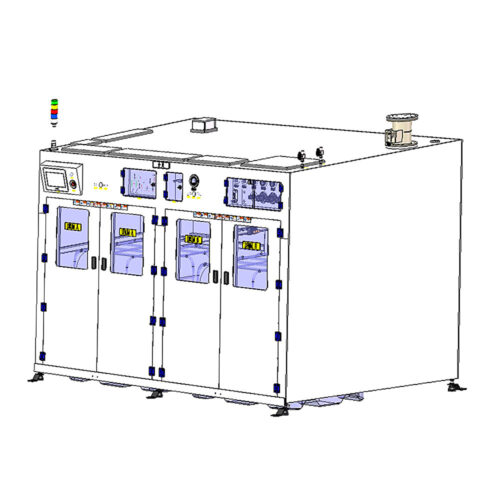
High Purity Chemical Dispense System & Packing System For Semiconductors JW-200L-CDM & JW-1000L-CDM
-
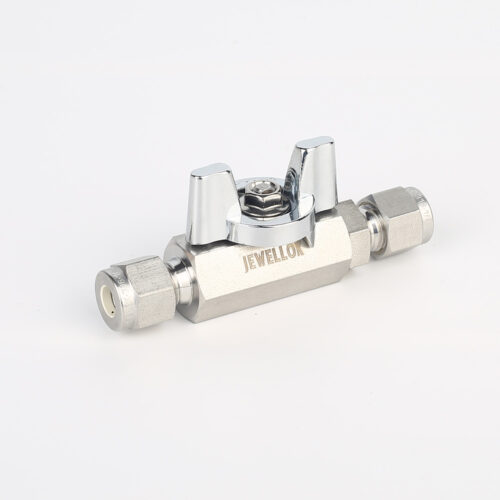
Stainless Steel High-Purity High Temperature Metal Seated Ball Valves JBV3 Series
-
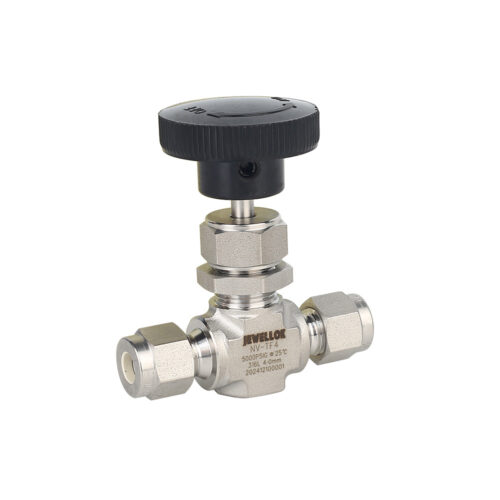
High Purity High Pressure Stainless Steel Needle Valve Natural Gas Flow Control Valve JNV Series
-
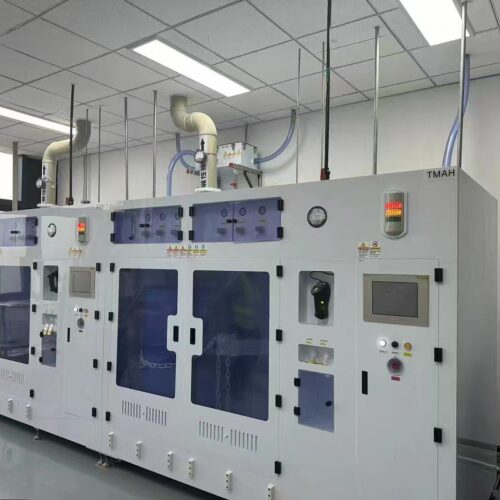
Liquid Bulk Chemical Delivery System with Automatic Chemical Dispense Unit (CDU) Featuring 316L Electropolished Stainless Steel Piping Components
-
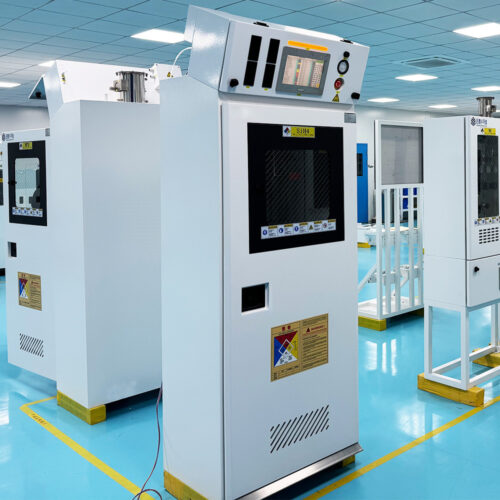
Integrated Scrubber Tail Gas Treatment Cabinet for Safe Bulk Specialty Gas System Exhaust Management
-
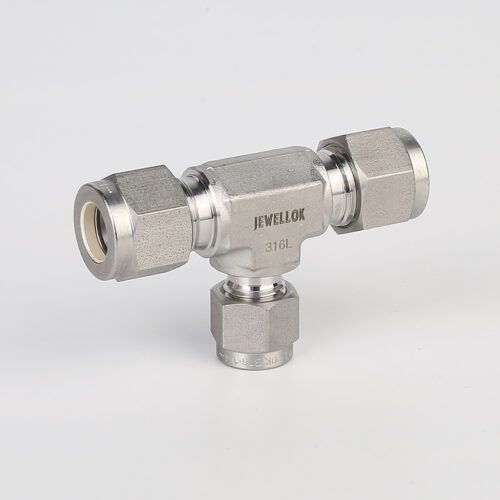
764LR Stainless Steel 316 Reducing Tee UHP Fitting Automatic Buttweld Reducing Tee
-

Semi Automatic Gas Changeover Manifold System Manual Changeover Manifold Panel Single Stage Automatic Switchover Board
-
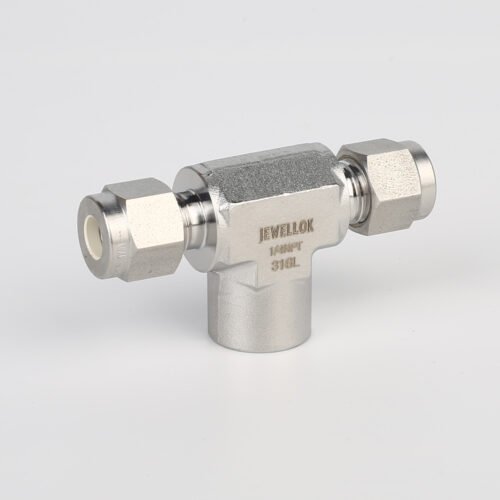
772 LF Female Branch Tee | Stainless Steel Tube Fitting Female Branch Tee 1/2 in. Tube OD x 1/2 in. Tube OD x 3/8 in. Female NPT