
Regulator Manufacturer Tel: +86 13380377051
Regulator Manufacturer Tel: +86 13380377051
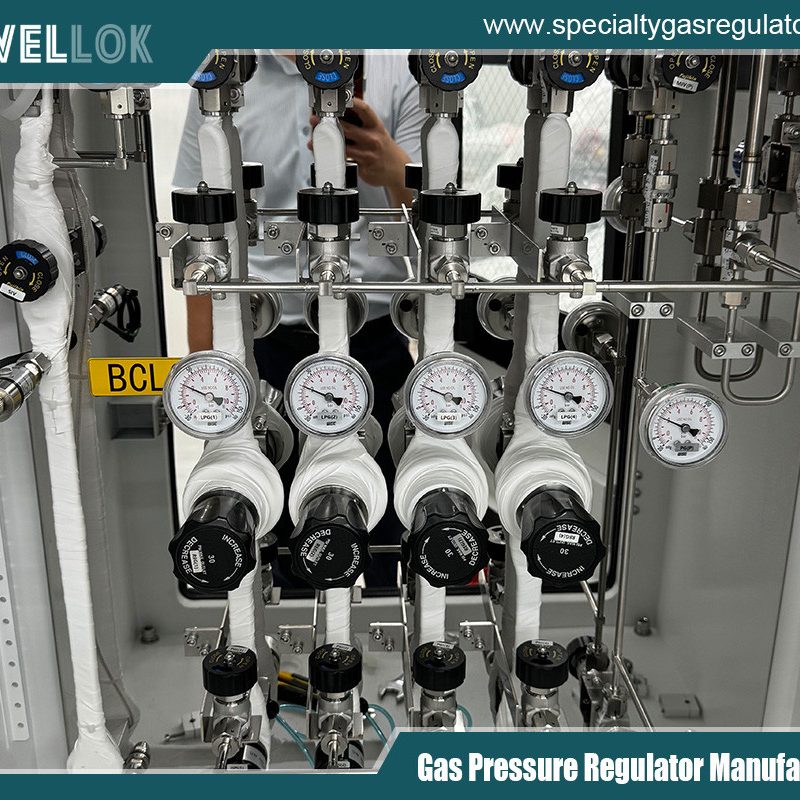
The Critical Role of Diaphragm Valves in Semiconductor Gas Cabinets: A Technical Guide to Ultra-High Purity Gas Control
In the high-stakes world of semiconductor manufacturing, the difference between a high-yielding production run and a total loss often comes down to the management of gases at the molecular level. Semiconductor fabrication plants (fabs) rely on a complex network of gas delivery systems, at the heart of which sit the gas cabinets. These cabinets serve as the primary interface between bulk gas storage and the process tools where wafer fabrication occurs. Within these cabinets, the most critical component for maintaining purity and safety is the diaphragm valve.
This technical article explores the engineering principles, material requirements, and operational significance of diaphragm valves in semiconductor gas cabinets.
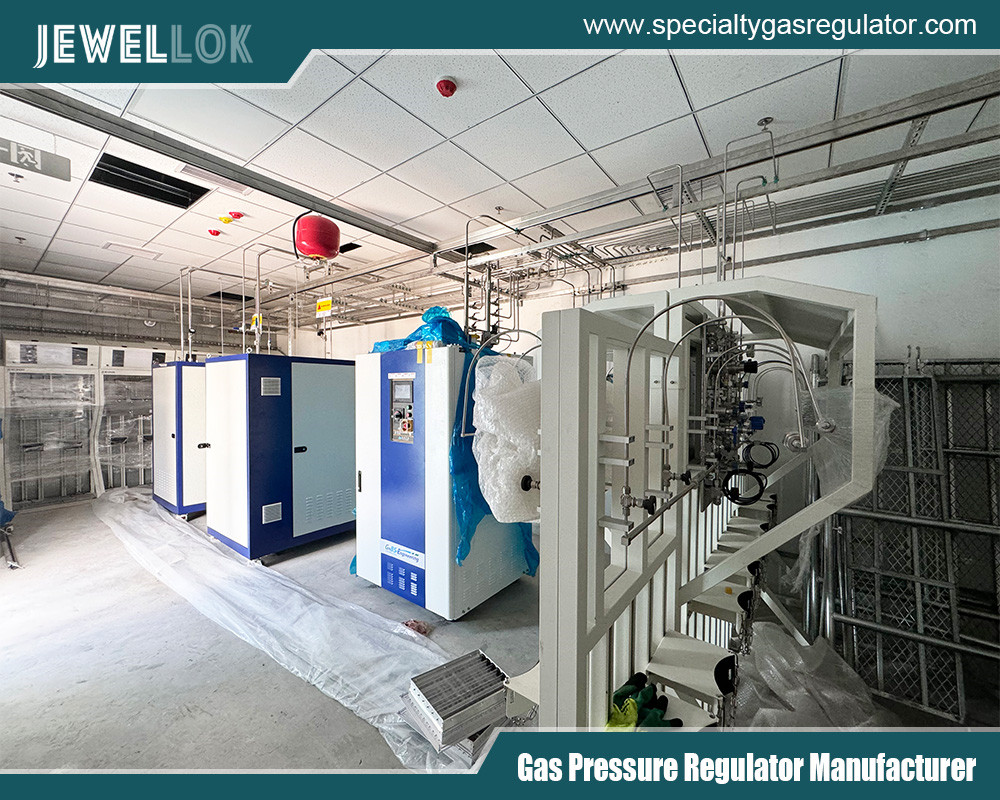
- Introduction to Gas Cabinet Architecture
A gas cabinet is an enclosed, ventilated metallic structure designed to house gas cylinders and the associated manifold systems for the safe distribution of hazardous, toxic, or pyrophoric gases. In modern fabs, these cabinets are tasked with more than just storage; they provide automated purging, pressure regulation, and emergency shut-off capabilities.
Because the gases used—such as silane, phosphine, and various fluorinated compounds—are often highly reactive or toxic, the components inside the cabinet must meet “Ultra-High Purity” (UHP) standards. Any leak, particle generation, or outgassing from a valve can contaminate the gas stream, leading to defects in the semiconductor lattice.
- Why Diaphragm Valves? The Design Advantage
While many valve types exist (ball, globe, needle), the diaphragm valve is the industry standard for semiconductor gas cabinets due to its unique “seal-to-atmosphere” design.
Isolation of Moving Parts
In a standard valve, the stem moves through a packing material to actuate the seal. This movement creates friction, which inevitably generates metallic or polymer particles. In a diaphragm valve, a flexible metal or polymer membrane (the diaphragm) separates the “wetted” area (where the gas flows) from the “non-wetted” area (the actuator and stem). This ensures that no lubricants or particles from the actuator can enter the gas stream.
Minimal Dead Space
“Dead space” refers to pockets within a valve where gas can remain trapped after the valve is closed or during a purge cycle. In semiconductor processes, trapped reactive gas can cause “crosstalk” between different process steps or lead to corrosion. Diaphragm valves are engineered with a “springless” and “dead-space-free” design, allowing for rapid and complete purging of the system.
- Material Science: Withstanding Extremes
The materials used in semiconductor diaphragm valves must be chemically inert, mechanically durable, and capable of achieving an ultra-smooth surface finish.
316L Stainless Steel and VAR
The valve body is typically constructed from 316L Stainless Steel. To further enhance purity, many manufacturers use Vacuum Arc Remelt (VAR) or Double Vacuum Melt (DVM) steel. These processes remove impurities and inclusions from the metal, resulting in a cleaner material that can be electropolished to a mirror-like finish (often below 10 Ra).
High-Performance Diaphragms
The diaphragm itself is the most stressed component. It must withstand millions of cycles without cracking (fatigue) while maintaining a leak-tight seal.
- Metallic Diaphragms:Usually made of Elgiloy, Hastelloy C-22, or 316L SS, these are used for the highest purity applications and high-pressure service. They offer exceptional leak integrity (often tested to 10^-9 atm-cc/sec of Helium).
- Polymer Diaphragms:PTFE or PCTFE are common for lower-pressure applications or where extreme chemical resistance is required.
- Actuation and Automation
In a gas cabinet, valves are rarely operated manually. Instead, they are integrated into the facility’s control system.
Pneumatic Actuation
Most gas cabinet valves are pneumatically actuated. This allows for “Fail-Safe” configurations:
- Normally Closed (NC):The valve requires air pressure to open. In the event of a power or air failure, the valve automatically snaps shut, stopping the flow of hazardous gas.
- Normally Open (NO):Often used for purge lines to ensure the system remains under a protective inert gas blanket if power is lost.
Smart Integration
Advanced valves now feature electronic position sensors. These sensors feed data back to the Gas Management System (GMS), providing real-time verification that a valve has reached its intended state (open or closed). This is critical for automated purge sequences where the timing of gas flows must be precise to within milliseconds.
- Safety and Compliance Standards
The semiconductor industry adheres to strict SEMI (Semiconductor Equipment and Materials International) standards. Diaphragm valves used in gas cabinets must comply with:
- SEMI S2:Safety guidelines for semiconductor manufacturing equipment.
- SEMI F20:Specifications for 316L stainless steel for gas distribution systems.
- SEMI F19:Standards for the surface finish of wetted components.
Every valve is typically subjected to a “Helium Leak Test” and a “Particle Count Test” in a Class 10 or Class 100 cleanroom environment before it is ever installed in a fab.
- Maintenance and Lifecycle Management
Despite their robust design, the diaphragms in these valves are considered “wear parts.” Predictive maintenance is essential in a high-volume fab. Manufacturers often provide a “cycle life” rating (e.g., 10 million cycles). By tracking the number of actuations through the cabinet’s PLC, maintenance teams can replace valves before a fatigue failure occurs, avoiding unscheduled downtime.
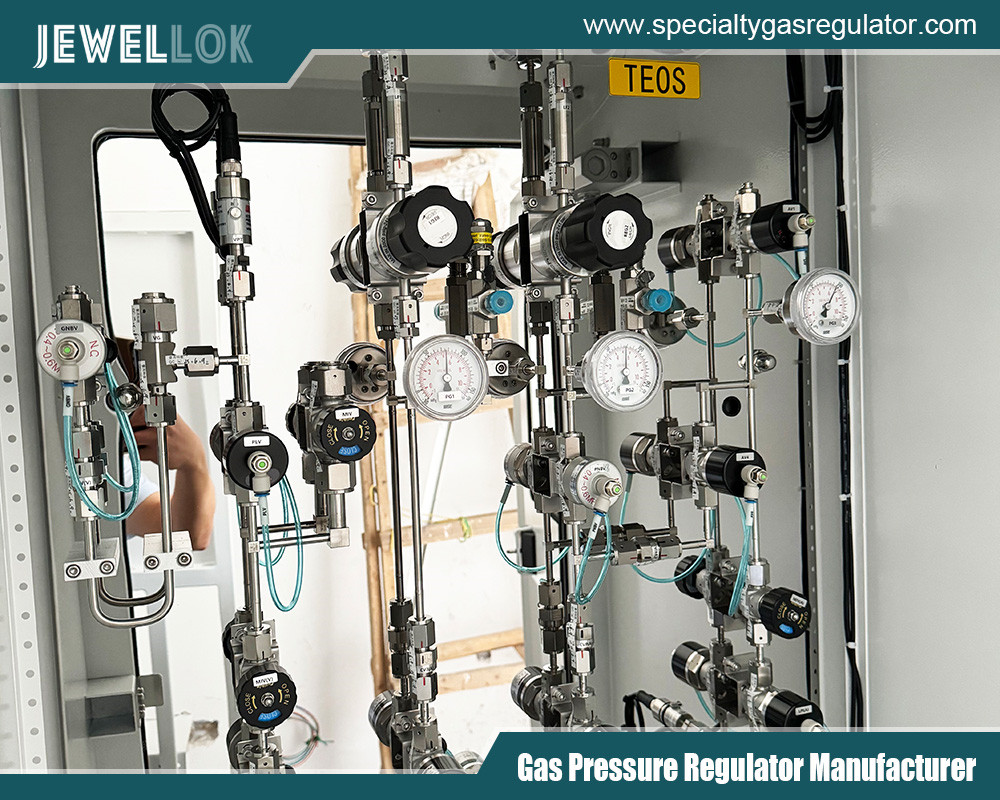
- Conclusion
The semiconductor gas cabinet diaphragm valve is a masterpiece of precision engineering. It bridges the gap between the volatile nature of specialty gases and the extreme purity required for modern microchip production. As the industry moves toward 2nm and 3nm nodes, the requirements for these valves will only intensify, driving further innovations in material coatings and smart diagnostic capabilities.
For more about the critical role of diaphragm valves in semiconductor gas cabinets: a technical guide to ultra-high purity gas control, you can pay a visit to Jewellok at https://www.specialtygasregulator.com/product-category/ultra-high-purity-diaphragm-valves/ for more info.
-
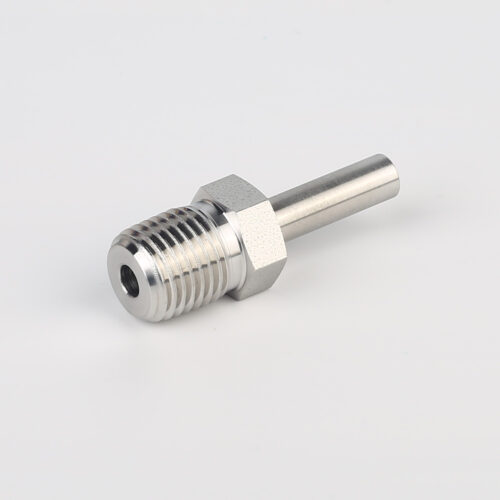
739 High Purity LMR Male Adapter Tube To Pipe Fittings And Adapters
-
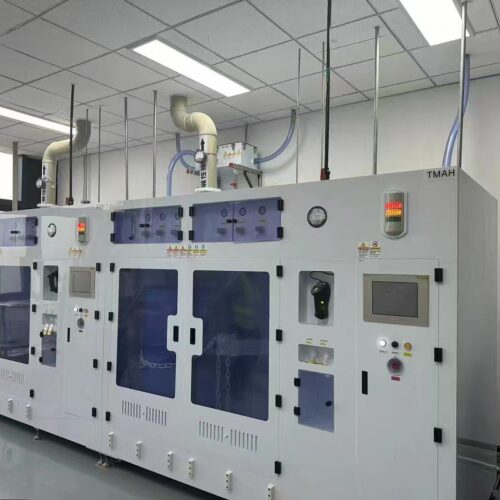
Integrated Bulk Chemical Delivery System and Automatic CDU Solutions for Safe Hazardous Chemical Fluid Handling
-
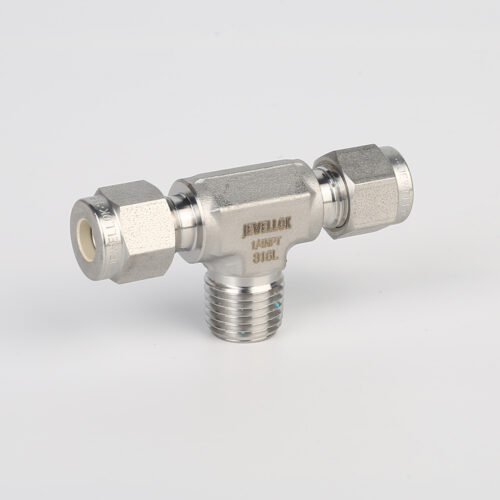
772L Male Branch Tee | Stainless Steel High-Purity Tube Fitting Male Branch Tee
-
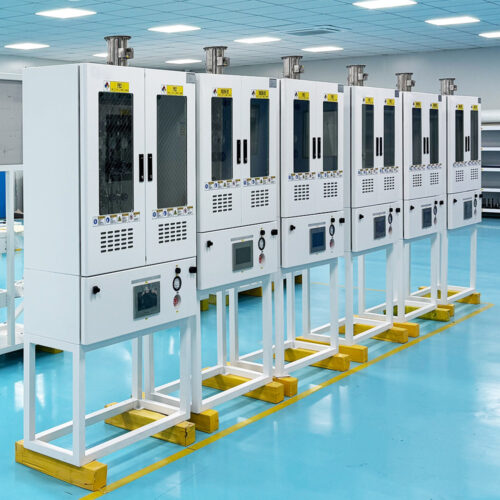
Integrated Gas Delivery Solutions with VMB Valve Manifold Box and Automatic Gas Switchover Systems for Industrial
-

Semi Automatic Gas Changeover Manifold System Manual Changeover Manifold Panel Single Stage Automatic Switchover Board
-
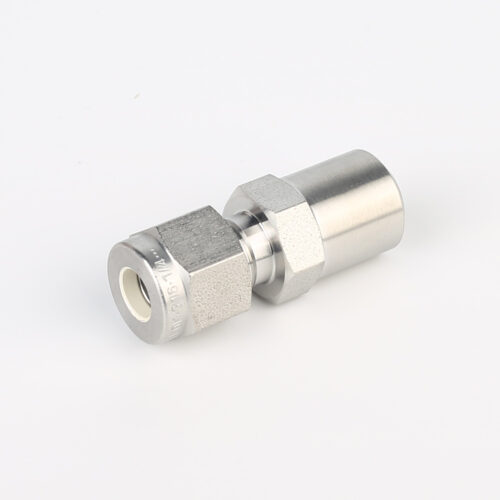
768LN Stainless Steel Male Pipe Tube Butt Weld Connector And Tube Fittings Supplier
-
UHP Liquid Chemical Delivery Systems for Semiconductor Fabrication and Photovoltaic Manufacturing Processes
-
Stainless Steel High-Purity High Temperature Metal Seated Ball Valves JBV3 Series