
Regulator Manufacturer Tel: +86 13380377051
Regulator Manufacturer Tel: +86 13380377051
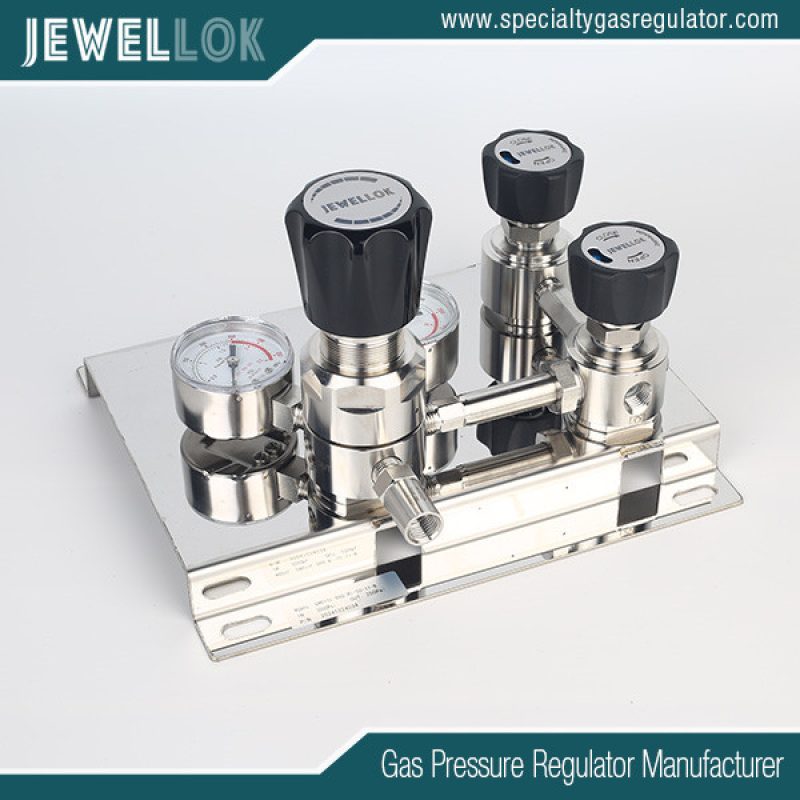
Medical Gas Safety: The Critical Role of Valve Design in Preventing Cross-Connection and Misconnection
1. The Invisible Lifeline, Fatal Risks of Intolerance
In the modern healthcare system, the medical gas network is aptly called the hospital’s “lifeline.” From anesthetic gases in operating theaters, oxygen for ventilators in ICUs, to the power for suction units in general wards, medical gases are directly involved in and sustain patient life support. However, if this lifeline suffers a misconnection—connecting an outlet for one gas to the source of another—it can lead to catastrophic clinical outcomes, ranging from equipment malfunction to patient asphyxiation, fire, or even death .
History is replete with tragic accidents caused by confused medical gas pipelines or interfaces. For instance, in 1983, a hospital incident occurred where, after maintenance crews replaced a valve without independently testing the line, a pipeline intended to deliver oxygen to an operating room was filled with 100% nitrous oxide, resulting in a patient’s death . It is precisely these hard-learned lessons that have driven the standardization of global medical gas safety technologies. In the technical designed to prevent such cross-connection and misconnection, valve design plays the most critical role. This article will explore in detail how medical gas valves, through physical structure, connection logic, and system integration, fundamentally eliminate the possibility of connection errors at the source.

2. The First Line of Defense at the Source: Non-Interchangeable Physical Interfaces
The first barrier against misconnection begins at the most fundamental source of gas—the cylinder. At the outlet of high-pressure gas cylinders, valve design must ensure that each gas has its own unique “key.”
2.1 Pin Index Safety System
For smaller cylinders (such as E-size cylinders) commonly used in anesthesia machines and portable equipment, the classic safety design is the Pin Index Safety System (PISS) . The working principle involves a specific pattern of holes drilled into the face of the cylinder valve outlet. The corresponding yoke (connection fitting) on the equipment side has protruding pins arranged in a specific pattern . A secure mechanical connection and seal can only be established if the pin arrangement exactly matches the hole pattern; otherwise, the connection is physically impossible.
International standards like those from the ISO and the Compressed Gas Association (CGA) strictly define the pin positions for different medical gases. Examples include:
-
Medical Oxygen: Pin positions 2 and 5
-
Nitrous Oxide: Pin positions 3 and 5
-
Medical Air: Pin positions 1 and 5
-
Carbon Dioxide: Pin positions 1 and 6
This geometry-based differentiation minimizes the risk of human error to its physical limit, effectively thwarting any attempts to force a connection by filing down pins or using excessive force.
2.2 Diameter Index Safety System
In lower pressure, high-flow scenarios, the pin system is not suitable. Instead, the Diameter Index Safety System (DISS) is employed. This system prevents the interchange of connections for different gases by specifying unique combinations of internal and external diameters, thread sizes, and sealing surface angles for the mating parts . For example, the quick-connect socket for oxygen might have a slightly larger or smaller diameter than that for nitrogen, combined with a specific sealing profile, thereby preventing a nitrogen hose from being accidentally connected to oxygen equipment in an operating room.
3. Layered Defense in Piping Networks and Outlets: From Zone Valves to Bedside Terminals
After gas leaves the cylinder bank or liquid oxygen tank and is distributed through the piping network to various wards, valves must not only control flow but also possess identification capabilities to prevent errors during installation or maintenance.
3.1 Zone Valve Boxes and Mandatory Labeling Standards
According to medical gas engineering technical specifications (such as China’s GB 50751 or international standards like ISO 7396), medical gas pipelines must be equipped with zone valve boxes when passing through different areas. These valves are used for sectional isolation, and their design mandates clear, indelible markings indicating the specific gas they control . Furthermore, the valve handwheel or actuator is typically designed as a “tamper-resistant” type, often requiring a special tool for operation, thereby preventing unauthorized personnel from accidentally switching gases.
3.2 Terminal Unit Specificity and Misconnection-Prevention Structures
The final point of contact with the patient or medical device is the gas terminal unit, commonly known as the “bedside outlet” . This represents the last physical barrier against misconnection.
According to standards like YY 0801.1 (corresponding to ISO 9170-1), medical gas terminal units must be gas-specific . This entails:
-
Mechanical Coding: Terminal sockets and probes (plugs) for different gases have distinct mechanical configurations. For example, the shape and size of the holes in an oxygen socket are such that an oxygen probe can only be inserted into an oxygen socket, and cannot fit into an air or vacuum socket.
-
Non-Interchangeable Insertion Logic: Some designs achieve error-proofing through different latch positions or keyways requiring a “push-to-connect” or “rotate-to-lock” action. Standards require that the connection between the base and the socket incorporate a misconnection-prevention structure, ensuring that even with significant force, an incorrect connection or seal cannot be achieved .
-
Color and Labeling: While color coding is a secondary aid (typically white for oxygen, blue for air, yellow for vacuum, etc.), standards mandate that terminal units have permanent, non-removable markings displaying the gas name or chemical symbol, providing a dual verification method for clinical staff .
4. The Ultimate Verification Post-Installation: Cross-Connection Testing
While physical error-proofing is foundational, ensuring the safety of an entire installed system requires rigorous “cross-connection testing” to validate the correctness of every valve .
According to clause 11.2.3 of GB 50751-2012, installers must perform verification tests on each medical gas system to prevent pipeline cross-connections . The core procedure involves:
-
Pressurization: The pipeline being tested (e.g., oxygen) is pressurized to a specific level (e.g., 0.4 MPa), while all other gas pipelines (e.g., air, vacuum) must remain at atmospheric pressure .
-
Individual Verification: Technicians use gas-specific probes and insert them one by one into every terminal unit throughout the ward area .
-
Result Determination: When the oxygen probe is inserted, only outlets labeled for oxygen should deliver gas. When the air probe is inserted, the oxygen outlets must deliver no gas and should not allow a functional connection to be made.
This process verifies not only the specificity of the terminal units themselves but also confirms the integrity of the entire piping network from the source, through the various valves, to the bedside, ensuring each valve precisely controls its intended gas medium .
5. The Safety Philosophy Behind Valve Design: Ergonomics and Redundancy
Reviewing the design principles behind medical gas valves reveals two core safety philosophies:
-
Passive Safety Over Active Safety: Designers assume that “humans can and will make mistakes.” Therefore, the design logic is “to make it impossible to make a mistake, even if one tries.” The Pin Index and Diameter Index Safety Systems are classic examples of passive safety. They do not rely on the vigilance of healthcare workers or adherence to procedures, but prevent errors purely through physical geometric constraints.
-
Multi-Layered Redundancy: From the pin system on cylinder valves, to strict labeling of pipeline valves, to anti-misconnection structures on terminal units, and finally to the cross-connection testing upon project completion, medical gas safety is built on a multi-layered “defense-in-depth” system. Even if one layer is breached (e.g., a cylinder valve label is incorrect), the subsequent layers (e.g., the Pin Index System) still provide protection .
6. Conclusion
Medical gas safety is paramount. In medical gas systems, valves have long transcended their simple “on/off” function, evolving into critical components imbued with complex safety logic. Through intricate designs like Pin Index, Diameter Index Safety Systems, and terminal unit anti-misconnection features, valves create a series of robust physical barriers, fundamentally eliminating the risk of cross-connection and misconnection.
For hospital administrators, construction engineers, and clinical staff alike, a deep understanding of the design principles behind these valves, coupled with strict adherence to installation and testing standards, is not merely respect for technical regulations but a solemn safeguard for every precious human life. As historical lessons demonstrate, the safe delivery of medical gases depends on the pinpoint accuracy of every single interface and every single valve.
For more about the medical gas safety: the critical role of valve design in preventing cross-connection and misconnection, you can pay a visit to Jewellok at https://www.specialtygasregulator.com/ for more info.
-
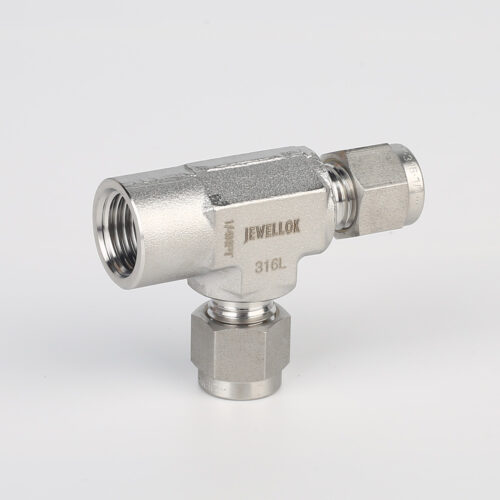
771LF Female Run Tee | Stainless Steel Tube Fitting Compression Fittings 1/4 In 3-Way Tee Female Run Tee
-
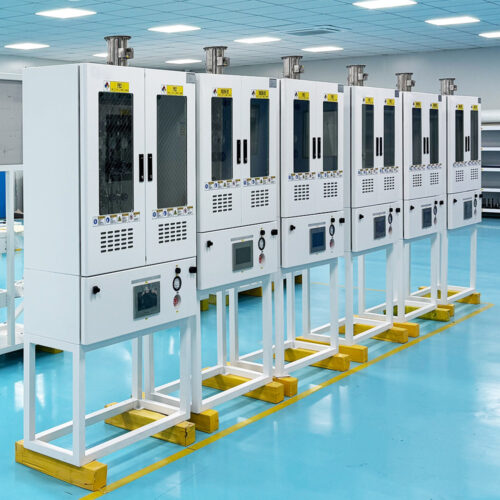
Custom Wet and Dry Exhaust Gas Scrubber System Technology for Effective Acid Gas Neutralization
-
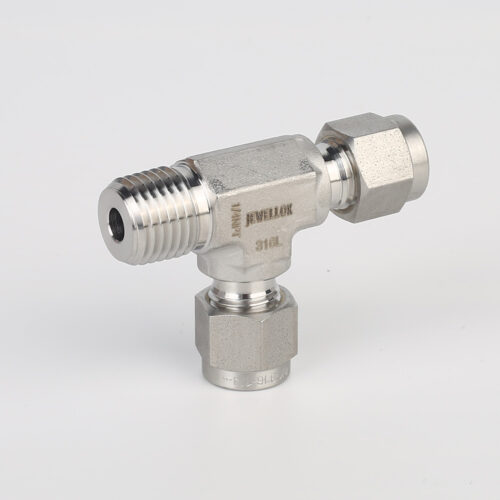
771L Male Run Tee | Stainless Steel High Quality High Purity Male Run Tee Branch Tee Pipe Fittings
-
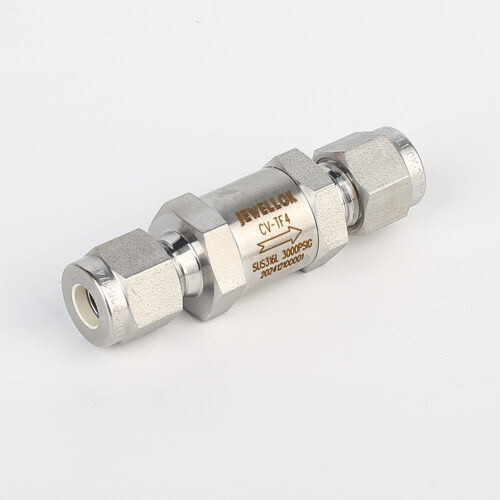
High Pressure High-Purity Welded Check Valves And Low Cracking Pressure Check Valve JCV1 Series
-
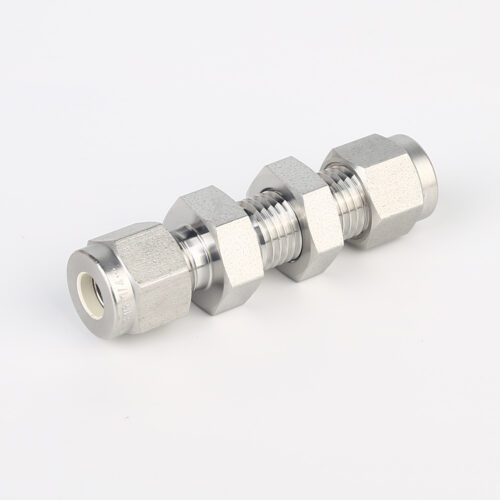
774L Stainless Steel UHP Fittings Butt Weld Bulkhead Union For High Flow Special Gas Fluid
-
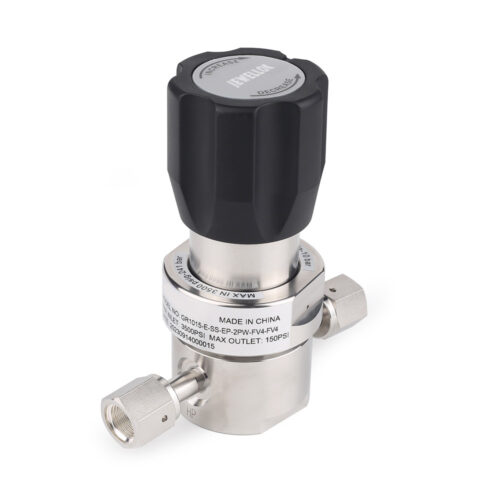
JR1000 Series UHP Ultra High Purity Single Stage Pressure Reducing Regulator And Low To Intermediate Flow
-
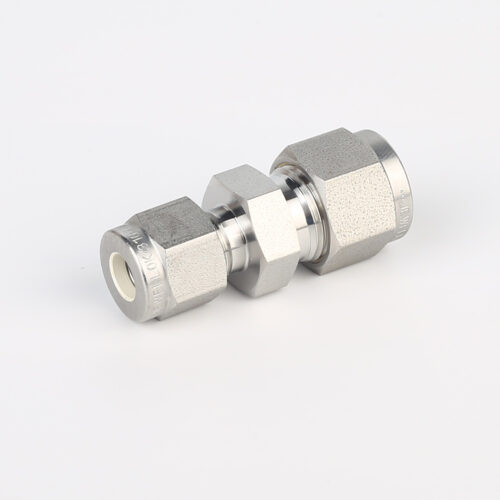
763L Stainless Steel High Purity Pressure Reducing Union Fittings And Tubing Pressure Reducing Valve Adjustment
-
Corrosion Resistant 316L Stainless Steel Exhaust Gas Scrubber System for Harsh Chemical Process Environments