
Regulator Manufacturer Tel: +86 13380377051
Regulator Manufacturer Tel: +86 13380377051
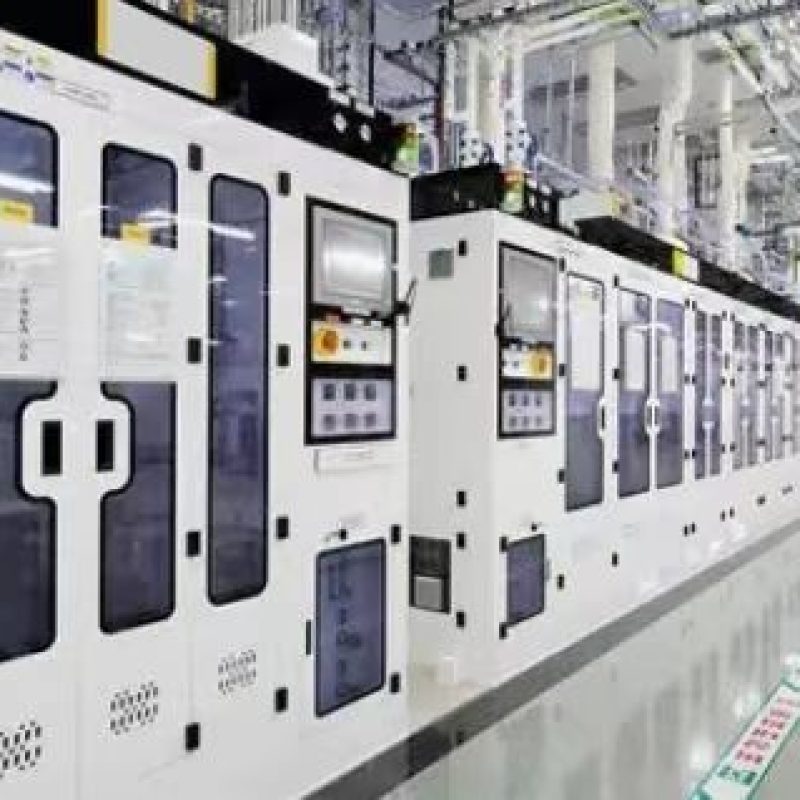
How Automatic Chemical Dispense Unit (CDU) Supports Bulk Chemical Distribution
In modern industrial environments—particularly in semiconductor manufacturing, pharmaceuticals, chemical processing, and advanced materials production—the safe, accurate, and efficient handling of bulk chemicals is critical. As production scales increase and process precision requirements become more stringent, manual chemical handling methods are no longer sufficient. This is where the Automatic Chemical Dispense Unit (CDU) plays a vital role.
A CDU is an integrated system designed to store, monitor, and precisely dispense chemicals from bulk containers to point-of-use (POU) systems. By automating chemical distribution, CDUs significantly enhance operational efficiency, safety, and process consistency. This article explores how CDUs support bulk chemical distribution, focusing on their design, working principles, key technologies, and advantages across industrial applications.
Overview of Bulk Chemical Distribution Challenges
Bulk chemical distribution involves transferring large volumes of chemicals—such as acids, solvents, bases, and specialty fluids—from storage tanks to various process tools. This process presents several challenges:
- Safety Risks: Many chemicals are hazardous, corrosive, or toxic, requiring controlled handling.
- Contamination Control: Even trace contamination can compromise product quality, especially in semiconductor fabrication.
- Precision Requirements: Advanced manufacturing processes demand highly accurate chemical dosing.
- Operational Efficiency: Manual handling leads to inconsistencies, downtime, and labor-intensive workflows.
- Regulatory Compliance: Strict environmental and safety regulations must be met.
Traditional systems often rely on manual intervention or semi-automated setups, which increase the risk of human error and inefficiency. CDUs address these challenges through automation and system integration.
What is an Automatic Chemical Dispense Unit (CDU)?
An Automatic Chemical Dispense Unit is a centralized system that automates the transfer and dispensing of chemicals from bulk storage to downstream processes. It typically includes:
- Chemical storage tanks or bulk containers
- Pumps and flow control systems
- Valves and piping networks
- Sensors and instrumentation
- Control systems (PLC/SCADA)
- Safety and containment features
CDUs are designed to handle a wide range of chemicals, including high-purity fluids used in cleanroom environments. They are often integrated into facility-wide chemical distribution systems.
Working Principle of a CDU
The operation of a CDU can be broken down into several stages:
1. Chemical Storage and Supply
Chemicals are stored in bulk containers such as drums, intermediate bulk containers (IBCs), or large storage tanks. These containers are connected to the CDU via secure piping systems.
2. Transfer and Pressurization
Using pumps or pressurized gas systems (e.g., nitrogen), the CDU transfers chemicals from storage to the distribution lines. The system ensures stable pressure and flow conditions.
3. Flow Measurement and Control
Flow meters and control valves regulate the exact amount of chemical being dispensed. Advanced CDUs use mass flow controllers or Coriolis flow meters for high precision.
4. Distribution to Point-of-Use
Chemicals are delivered through a network of pipelines to various process tools or sub-systems. The CDU ensures consistent supply without fluctuations.
5. Monitoring and Feedback
Sensors continuously monitor parameters such as:
- Flow rate
- Pressure
- Temperature
- Chemical levels
The control system adjusts operations in real time to maintain optimal conditions.
Key Technologies in CDU Systems
1. Precision Flow Control
Accurate dispensing is achieved through advanced flow control technologies:
- Mass Flow Controllers (MFCs): Provide high-precision flow regulation.
- Coriolis Flow Meters: Measure mass flow directly, independent of fluid properties.
- Ultrasonic Flow Sensors: Non-invasive and suitable for high-purity applications.
These technologies ensure consistent chemical delivery, which is crucial for process repeatability.
2. Automated Control Systems
Modern CDUs are equipped with programmable logic controllers (PLCs) and supervisory control and data acquisition (SCADA) systems. These systems enable:
- Automated operation sequences
- Remote monitoring and control
- Data logging and analytics
- Alarm management
Integration with factory automation systems allows seamless coordination with production processes.
3. Chemical Compatibility and Material Selection
CDUs are constructed using materials compatible with aggressive chemicals, such as:
- PTFE (Polytetrafluoroethylene)
- PVDF (Polyvinylidene fluoride)
- Stainless steel (for certain applications)
Proper material selection prevents corrosion, contamination, and system failure.
4. Safety Systems
Safety is a core feature of CDU design. Key safety components include:
- Leak detection systems
- Pressure relief valves
- Emergency shut-off valves
- Secondary containment structures
These features minimize the risk of chemical exposure and environmental hazards.
5. Filtration and Purification
In high-purity applications, CDUs incorporate filtration systems to remove particles and impurities. This is especially important in semiconductor manufacturing, where contamination control is critical.
Advantages of Using CDU in Bulk Chemical Distribution
1. Enhanced Safety
By minimizing human interaction with hazardous chemicals, CDUs significantly reduce the risk of accidents, spills, and exposure. Automated systems handle the transfer and dispensing processes within enclosed environments.
2. Improved Accuracy and Consistency
CDUs deliver precise chemical volumes with minimal variation. This ensures consistent process conditions, leading to higher product quality and reduced defects.
3. Increased Operational Efficiency
Automation reduces manual labor and speeds up chemical handling processes. Continuous operation capabilities eliminate downtime associated with manual refilling and monitoring.
4. Reduced Chemical Waste
Accurate dispensing and real-time monitoring prevent overuse and spillage, leading to better resource utilization and cost savings.
5. Scalability
CDUs can be designed to support large-scale operations and can be expanded as production requirements grow. Modular designs allow easy integration of additional units.
6. Regulatory Compliance
Automated monitoring and data logging help facilities comply with environmental and safety regulations. Documentation and traceability are improved through digital records.
Applications of CDU Systems
1. Semiconductor Manufacturing
In semiconductor fabs, ultra-high-purity chemicals are used in processes such as etching, cleaning, and deposition. CDUs ensure contamination-free delivery and precise dosing.
2. Pharmaceutical Industry
Pharmaceutical production requires strict control over chemical handling to maintain product integrity. CDUs support accurate formulation and reduce contamination risks.
3. Chemical Processing Plants
Bulk chemicals are commonly used in large-scale chemical manufacturing. CDUs streamline distribution and improve process efficiency.
4. Electronics and Display Manufacturing
Processes such as PCB fabrication and LCD production rely on precise chemical usage. CDUs enhance consistency and reduce defects.
5. Water Treatment Facilities
CDUs are used to dispense treatment chemicals such as chlorine, acids, and coagulants, ensuring accurate dosing for effective water purification.
Design Considerations for CDU Implementation
When implementing a CDU system, several factors must be considered:
1. Chemical Properties
The physical and chemical characteristics of the fluid—such as viscosity, corrosiveness, and reactivity—determine system design and material selection.
2. Flow Rate Requirements
The system must be designed to handle the required flow rates while maintaining precision and stability.
3. Facility Layout
The placement of storage tanks, CDU units, and distribution lines affects system efficiency and maintenance accessibility.
4. Redundancy and Reliability
Critical processes require backup systems to ensure uninterrupted operation. Redundant pumps and control systems are often included.
5. Maintenance and Serviceability
Ease of maintenance is essential for long-term operation. Modular components and accessible design improve service efficiency.
Future Trends in CDU Technology
As industries continue to evolve, CDU systems are incorporating advanced technologies:
1. Smart Monitoring and IoT Integration
Real-time data collection and cloud connectivity enable predictive maintenance and performance optimization.
2. AI-Driven Process Optimization
Artificial intelligence can analyze operational data to improve efficiency, detect anomalies, and optimize chemical usage.
3. Sustainability Enhancements
CDUs are being designed to reduce energy consumption and minimize environmental impact through improved efficiency and waste reduction.
4. Miniaturization and Modularization
Compact and modular CDU designs allow flexible deployment in space-constrained environments.
Conclusion
The Automatic Chemical Dispense Unit (CDU) is a cornerstone technology in modern bulk chemical distribution systems. By automating the storage, transfer, and dispensing of chemicals, CDUs address key challenges related to safety, accuracy, efficiency, and compliance.
From semiconductor manufacturing to water treatment, CDUs enable industries to maintain high standards of quality and reliability while optimizing operational performance. As technology advances, the integration of smart systems, AI, and sustainable design will further enhance the capabilities of CDU systems.
In an era where precision and safety are paramount, the adoption of CDU technology is not just an operational upgrade—it is a strategic necessity for industries handling bulk chemicals.
For more about how automatic chemical dispense unit (CDU) supports bulk chemical distribution, you can pay a vis it to Jewellok at https://www.specialtygasregulator.com/product-category/specialty-gas-pressure-regulators/ for more info.
-
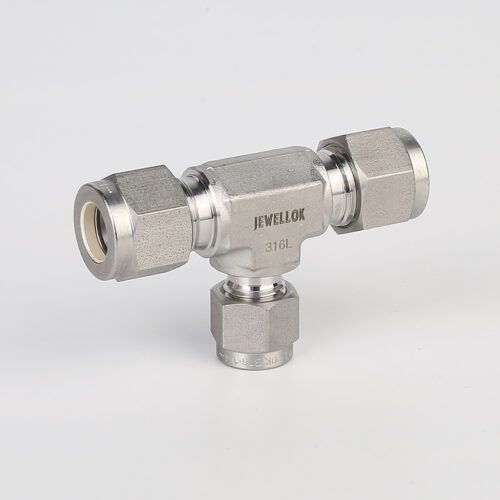
764LR Stainless Steel 316 Reducing Tee UHP Fitting Automatic Buttweld Reducing Tee
-
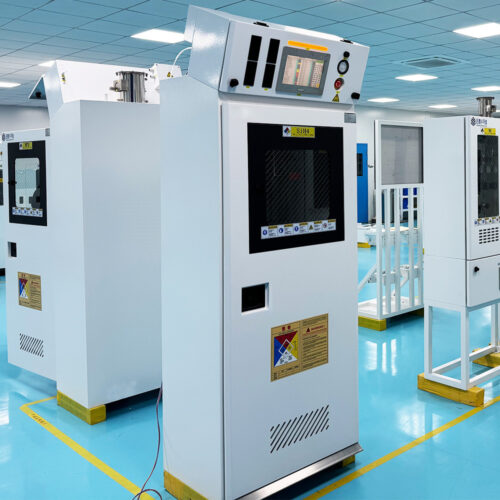
Advanced Exhaust Gas Scrubber System Design for 99% Removal Efficiency of Industrial Toxic Gases
-
Fully Automated Gas Cabinet For Precise UHP Gas Delivery And High Purity Gas Delivery Systems JW-300-GC
-
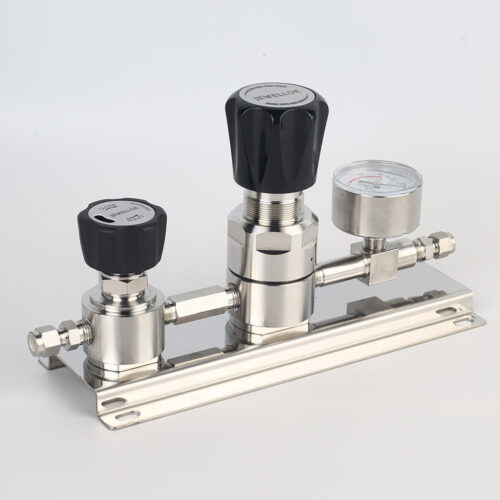
High Purity High Flow Pressure Control Regulators & Valves Gas Stick Assemblies JSR-2TG Series
-
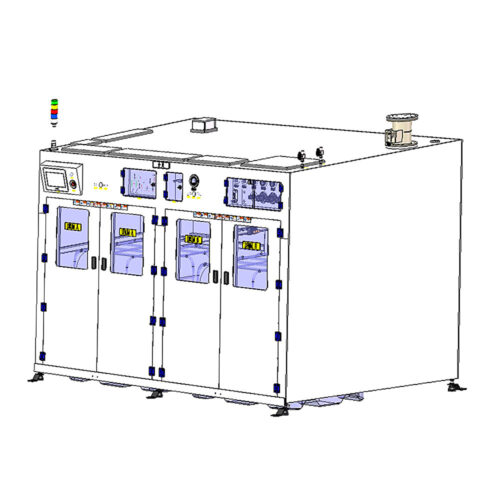
High Purity Chemical Dispense System & Packing System For Semiconductors JW-200L-CDM & JW-1000L-CDM
-
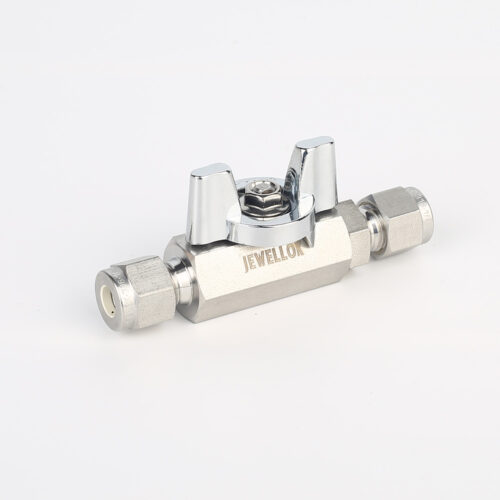
Stainless Steel High-Purity High Temperature Metal Seated Ball Valves JBV3 Series
-
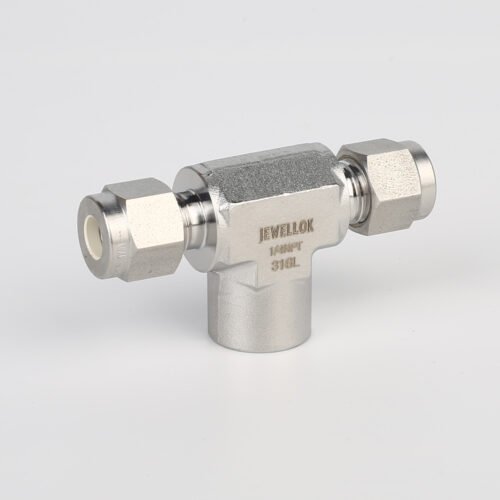
772 LF Female Branch Tee | Stainless Steel Tube Fitting Female Branch Tee 1/2 in. Tube OD x 1/2 in. Tube OD x 3/8 in. Female NPT
-
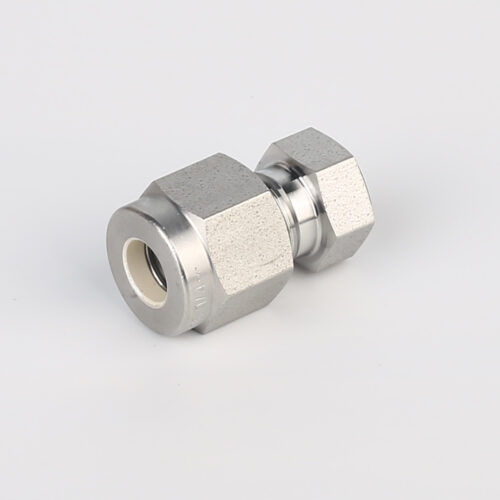
7108L Cylinder Cap Connectors For Ultra High Purity Gases