
Regulator Manufacturer Tel: +86 13380377051
Regulator Manufacturer Tel: +86 13380377051
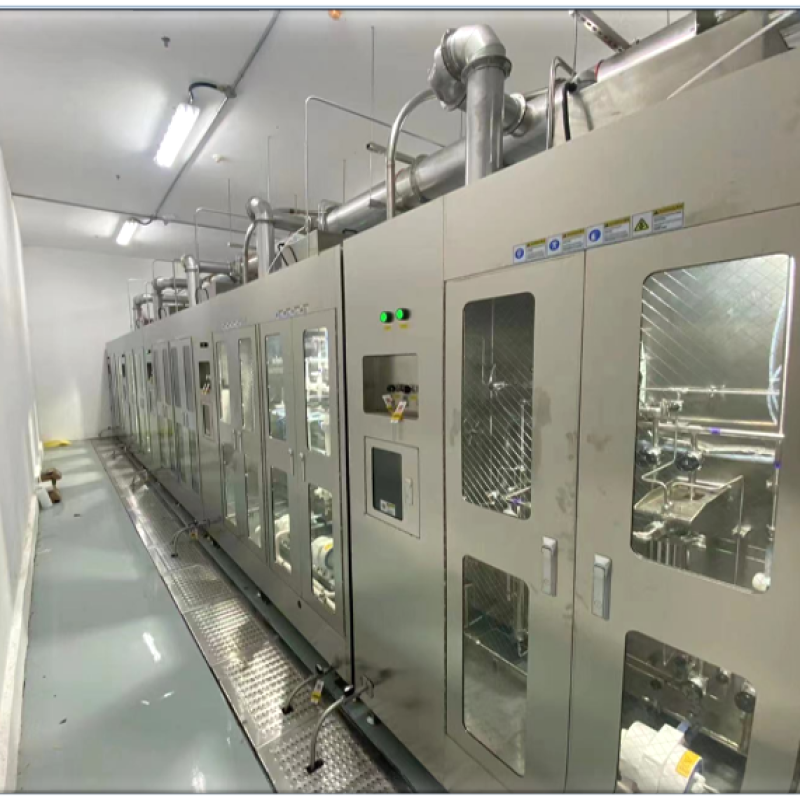
Advanced Gas Scrubbing Technology for Hazardous Gas Treatment
The rapid expansion of industrial processes—particularly in semiconductor manufacturing, chemical processing, pharmaceuticals, and energy production—has significantly increased the generation of hazardous gases. Effective treatment of these gases is critical for environmental compliance, worker safety, and sustainable operations. Advanced gas scrubbing technologies have evolved to address increasingly complex emission streams, offering high removal efficiency, adaptability, and reduced operational costs. This article provides a comprehensive overview of modern gas scrubbing systems, including their working principles, classifications, materials, performance optimization, and emerging trends.
1. Introduction
Hazardous gases such as hydrogen chloride (HCl), hydrogen fluoride (HF), sulfur dioxide (SO₂), ammonia (NH₃), and volatile organic compounds (VOCs) are common byproducts in industrial processes. If not properly treated, these gases can pose severe risks to human health and the environment, contributing to air pollution, acid rain, and regulatory violations.
Gas scrubbing technology plays a central role in mitigating these risks by removing harmful components from exhaust streams before they are released into the atmosphere. Traditional scrubbing systems, while effective for basic applications, often fall short in handling high concentrations, mixed gases, or ultra-pure industrial environments. This has led to the development of advanced gas scrubbing technologies that offer improved efficiency, automation, and reliability.
2. Fundamentals of Gas Scrubbing
Gas scrubbing is a mass transfer process in which contaminants are removed from a gas stream by contact with a liquid (wet scrubbing) or solid medium (dry scrubbing). The effectiveness of a scrubber depends on factors such as:
- Gas solubility
- Chemical reactivity
- Contact surface area
- Residence time
- Temperature and pressure conditions
The primary mechanisms involved include absorption, adsorption, chemical reaction, and particulate capture.
3. Classification of Advanced Gas Scrubbing Systems
3.1 Wet Scrubbers
Wet scrubbers use a liquid—typically water or a chemical solution—to absorb and neutralize hazardous gases. Advanced designs include:
a. Packed Bed Scrubbers
These systems utilize structured or random packing materials to maximize gas-liquid contact. Modern improvements include high-efficiency packing materials with low pressure drop and corrosion-resistant coatings.
b. Venturi Scrubbers
Designed for high particulate and gas removal efficiency, venturi scrubbers accelerate the gas stream through a narrow throat, enhancing atomization and mixing. Advanced models incorporate adjustable throat designs and real-time flow control.
c. Spray Tower Scrubbers
These systems distribute scrubbing liquid through nozzles, creating fine droplets that interact with the gas stream. Advanced versions use optimized nozzle geometry and droplet size control for improved performance.
3.2 Dry and Semi-Dry Scrubbers
Dry scrubbers use solid sorbents to capture contaminants, while semi-dry systems use a slurry that dries during operation.
a. Dry Sorbent Injection (DSI)
Fine powders such as lime or sodium bicarbonate are injected into the gas stream. Advanced systems include precise dosing controls and enhanced mixing chambers.
b. Spray Dryer Absorbers (SDA)
These systems atomize a liquid sorbent into hot gas, allowing rapid evaporation and reaction. Modern SDAs feature high-efficiency atomizers and improved thermal management.
3.3 Plasma and Thermal Scrubbing Technologies
a. Plasma Scrubbers
Utilize high-energy plasma to break down hazardous gases into less harmful components. These systems are particularly effective for treating perfluorinated compounds (PFCs) in semiconductor manufacturing.
b. Thermal Oxidizers
Operate at high temperatures to oxidize organic pollutants. Regenerative thermal oxidizers (RTOs) improve energy efficiency by recovering heat from exhaust gases.
3.4 Hybrid Scrubbing Systems
Hybrid systems combine multiple technologies—such as wet scrubbing with plasma or thermal treatment—to achieve higher removal efficiencies for complex gas mixtures. These systems are increasingly used in industries with stringent emission requirements.
4. Materials and Construction
Advanced gas scrubbers must withstand highly corrosive and reactive environments. Common materials include:
- Fluoropolymers (e.g., PTFE, PVDF): Excellent chemical resistance and durability
- FRP (Fiber Reinforced Plastic): Lightweight and corrosion-resistant
- Stainless Steel (high-grade alloys): Suitable for high-temperature applications
- Ceramic components: Used in extreme conditions
Material selection is critical for ensuring long-term reliability and minimizing maintenance costs.
5. Key Performance Parameters
5.1 Removal Efficiency
Modern scrubbers can achieve removal efficiencies exceeding 99.9% for many hazardous gases. Efficiency depends on system design, operating conditions, and maintenance.
5.2 Pressure Drop
Lower pressure drop reduces energy consumption. Advanced designs optimize airflow and packing structure to balance efficiency and energy use.
5.3 Chemical Consumption
Efficient chemical dosing systems minimize reagent usage while maintaining performance.
5.4 Water Usage and Waste Management
Advanced systems incorporate water recycling and waste minimization strategies to reduce environmental impact.
6. Automation and Smart Control Systems
The integration of automation has significantly enhanced scrubber performance. Key features include:
- Real-time monitoring of gas concentrations
- Automated pH and chemical dosing control
- Remote diagnostics and predictive maintenance
- Integration with plant-wide control systems (SCADA)
Artificial intelligence and data analytics are increasingly used to optimize system performance and reduce operational costs.
7. Applications Across Industries
7.1 Semiconductor Manufacturing
Processes such as chemical vapor deposition (CVD) and etching generate highly toxic gases like silane (SiH₄) and ammonia. Advanced scrubbers ensure ultra-high purity environments and compliance with strict regulations.
7.2 Chemical and Petrochemical Industries
Handling a wide range of corrosive and toxic gases, these industries rely on robust and adaptable scrubbing systems.
7.3 Pharmaceutical Production
Scrubbers are used to control emissions of solvents and reactive gases, ensuring safe and clean production environments.
7.4 Energy and Power Generation
Flue gas desulfurization (FGD) systems are a form of large-scale scrubbing used to remove sulfur compounds from exhaust gases.
8. Environmental and Regulatory Considerations
Governments worldwide have implemented stringent emission standards to control air pollution. Advanced gas scrubbing systems help industries comply with regulations such as:
- Limits on VOC emissions
- Acid gas discharge standards
- Greenhouse gas reduction targets
Environmental sustainability is also driving the adoption of energy-efficient and low-waste technologies.
9. Challenges and Limitations
Despite their advantages, advanced gas scrubbing systems face several challenges:
- High initial capital investment
- Complex system integration
- Maintenance requirements in harsh environments
- Handling of secondary waste streams
Continuous innovation is needed to address these limitations and improve overall system performance.
10. Future Trends and Innovations
10.1 Digitalization and AI Integration
The use of machine learning algorithms for predictive maintenance and process optimization is expected to grow significantly.
10.2 Modular and Compact Designs
Space-saving designs are increasingly important, especially in semiconductor fabs and urban industrial facilities.
10.3 Sustainable Scrubbing Solutions
Development of eco-friendly reagents and closed-loop systems to minimize environmental impact.
10.4 Advanced Materials
New materials with enhanced corrosion resistance and longer service life will further improve system durability.
11. Conclusion
Advanced gas scrubbing technology has become an indispensable component of modern industrial operations. By combining high efficiency, adaptability, and intelligent control, these systems effectively mitigate the risks associated with hazardous gas emissions. As industries continue to evolve and environmental regulations become more stringent, the demand for innovative and sustainable gas treatment solutions will only increase.
Future developments in digitalization, materials science, and system integration will further enhance the capabilities of gas scrubbing technologies, ensuring safer workplaces and a cleaner environment for generations to come.
For more about advanced gas scrubbing technology for hazardous gas treatment, you can pay a visit to Jewellok at https://www.specialtygasregulator.com/product-category/uhp-liquid-delivery-system/ for more info.
-
High Purity Stainless Steel Mini Tube Butt Weld Fittings For Semiconductor
-
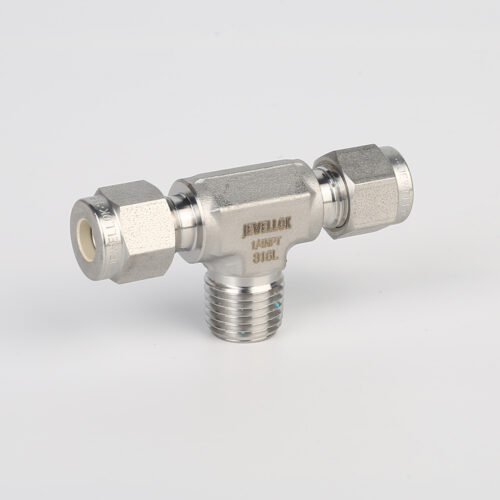
772L Male Branch Tee | Stainless Steel High-Purity Tube Fitting Male Branch Tee
-
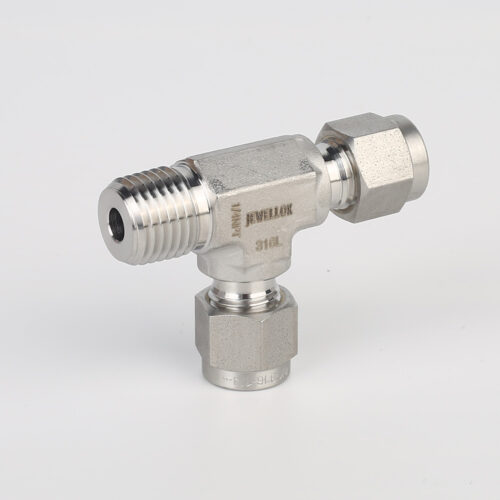
771L Male Run Tee | Stainless Steel High Quality High Purity Male Run Tee Branch Tee Pipe Fittings
-
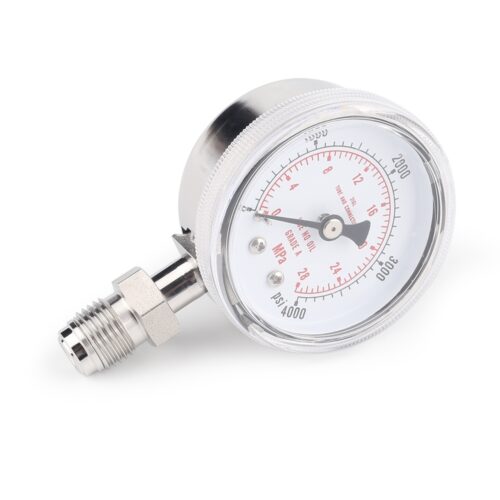
Ultra High Purity Oxygen Pressure Gauge For Semiconductor Gases JG Series Pressure Instruments For Semiconductor Manufacturing
-
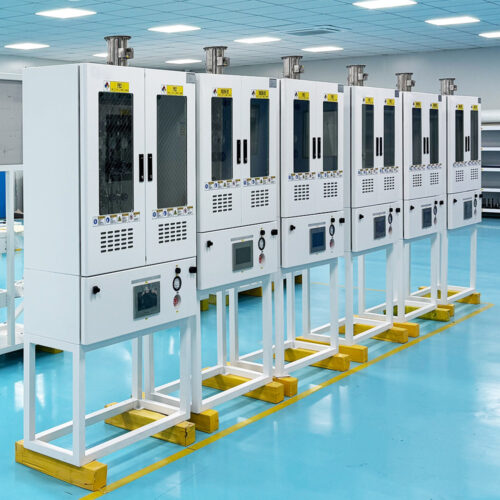
Automated Valve Manifold Box with Leak Detection for Toxic and Flammable Semiconductor Process Gases
-
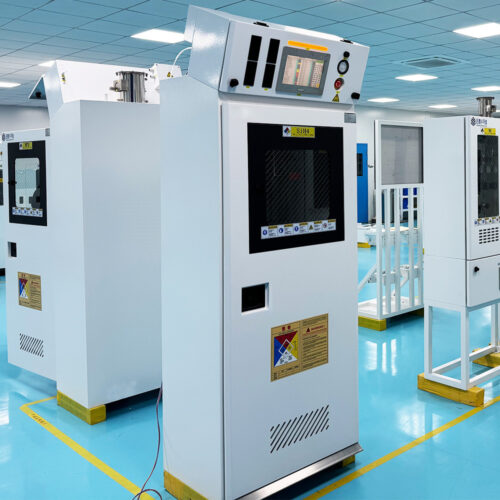
High Purity Bulk Gas Delivery Systems for Semiconductor Manufacturing and Advanced Chemical Distribution Infrastructure
-
Fully Automated Gas Cabinet For Precise UHP Gas Delivery And High Purity Gas Delivery Systems JW-300-GC
-

Semi Automatic Gas Changeover Manifold System Manual Changeover Manifold Panel Single Stage Automatic Switchover Board