
Regulator Manufacturer Tel: +86 13380377051
Regulator Manufacturer Tel: +86 13380377051
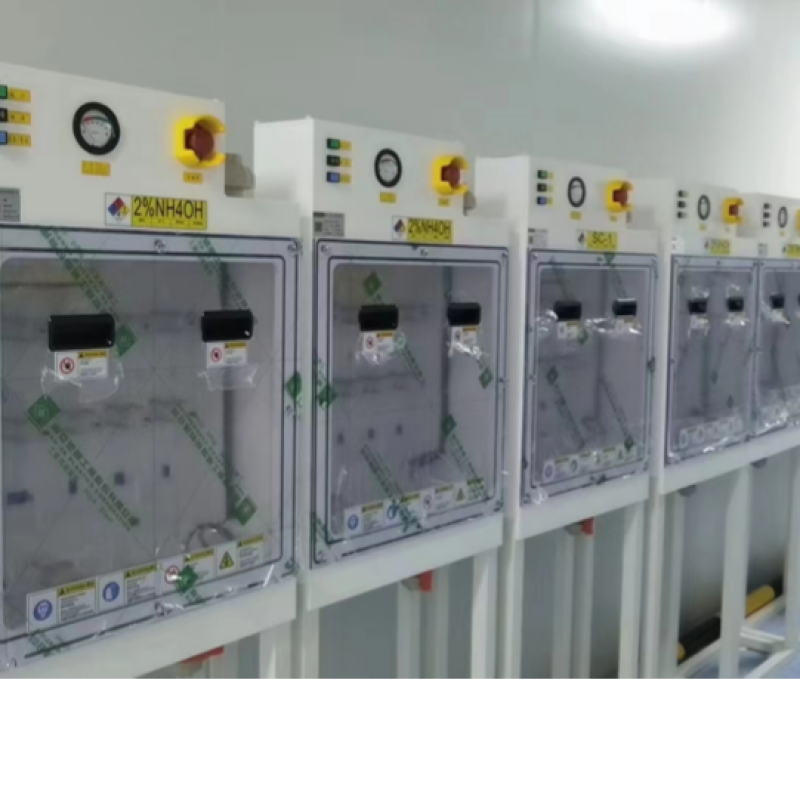
How Automatic Chemical Dispense Unit (CDU) Systems Enhance Chemical Handling Safety in Cleanrooms
In advanced manufacturing environments such as semiconductor fabrication, pharmaceutical production, and high-purity chemical processing, cleanrooms serve as critical spaces where contamination control and operational safety are paramount. Among the many subsystems that support these environments, the Automatic Chemical Dispense Unit (CDU) plays a vital role in ensuring precise, consistent, and safe chemical handling. As industries increasingly demand higher levels of purity, repeatability, and worker protection, CDU systems have evolved into sophisticated, automated platforms that significantly enhance safety within cleanroom operations.
This article explores how Automatic CDU systems improve chemical handling safety through design innovation, automation, monitoring capabilities, and integration with cleanroom infrastructure.
1. Overview of Automatic Chemical Dispense Unit (CDU)
A Chemical Dispense Unit (CDU) is an integrated system designed to store, manage, and dispense chemicals used in industrial processes. These chemicals may include acids, solvents, bases, photoresists, and specialty reagents that are often hazardous, corrosive, or toxic.
An automatic CDU system typically consists of:
- Chemical storage tanks or containers
- Precision pumps and valves
- Flow meters and sensors
- Control systems (PLC or SCADA)
- Filtration and purification modules
- Safety containment and leak detection systems
Unlike manual or semi-automated setups, automatic CDUs minimize human interaction by controlling the entire dispensing process—from chemical delivery to point-of-use distribution—through programmable logic and real-time monitoring.
2. Reduction of Human Exposure to Hazardous Chemicals
One of the most significant safety improvements provided by automatic CDU systems is the reduction of direct human contact with hazardous chemicals.
2.1 Elimination of Manual Handling
Traditional chemical handling often involves manual transfer of liquids, which increases the risk of spills, splashes, and inhalation of harmful vapors. Automatic CDU systems eliminate or drastically reduce these risks by:
- Using closed-loop piping systems
- Automating chemical transfer and dosing
- Integrating sealed connections and quick-connect fittings
This ensures that operators are not directly exposed to chemicals during routine operations.
2.2 Controlled Dispensing Processes
Automatic systems ensure that chemicals are dispensed in controlled quantities with high precision. This reduces the likelihood of overfilling, accidental mixing, or incorrect dosing, all of which can lead to hazardous situations.
3. Advanced Leak Detection and Containment
Chemical leaks pose a serious threat in cleanroom environments, not only due to safety concerns but also because they can compromise product quality.
3.1 Real-Time Leak Detection
Modern CDU systems incorporate multiple layers of leak detection, including:
- Conductivity sensors for liquid detection
- Pressure monitoring for pipeline integrity
- Gas sensors for volatile chemical detection
These systems provide real-time alerts, enabling immediate response to potential hazards.
3.2 Secondary Containment Design
Automatic CDUs are typically designed with secondary containment features such as:
- Double-walled piping
- Leak trays and bunding systems
- Drainage and neutralization systems
These features ensure that any leaked chemicals are contained and managed safely, preventing spread within the cleanroom.
4. Precision Control and Process Consistency
Safety in chemical handling is closely tied to process accuracy and repeatability. Variations in chemical concentration or flow can lead to unsafe reactions or defective products.
4.1 High-Accuracy Flow Control
Automatic CDUs use advanced flow control technologies such as:
- Mass flow controllers
- Coriolis flow meters
- Diaphragm pumps with feedback loops
These components ensure precise chemical delivery, reducing the risk of process deviations.
4.2 Recipe-Based Automation
Many CDU systems operate based on predefined “recipes” that specify:
- Chemical type
- Dispense volume
- Flow rate
- Sequence of operations
This eliminates human error and ensures consistent, repeatable processes, enhancing both safety and product quality.
5. Integration with Cleanroom Environmental Controls
Cleanrooms require strict control over airborne particles, temperature, humidity, and airflow. CDU systems are designed to integrate seamlessly into these environments.
5.1 Enclosed and Purged Systems
Automatic CDUs often feature enclosed designs with inert gas purging (e.g., nitrogen) to:
- Prevent oxidation or contamination
- Reduce the risk of chemical vapor release
- Maintain chemical purity
5.2 Compatibility with Cleanroom Standards
Materials used in CDU construction, such as high-purity fluoropolymers (e.g., PTFE, PFA), are selected to minimize particle generation and chemical reactivity. This ensures compliance with cleanroom classifications such as ISO 14644.
6. Intelligent Monitoring and Data Logging
Digitalization plays a key role in enhancing safety through visibility and traceability.
6.1 Real-Time Monitoring Systems
Automatic CDUs are equipped with sensors and control systems that continuously monitor:
- Flow rates
- Pressure levels
- Temperature
- Chemical levels
Operators can access this data through human-machine interfaces (HMIs) or centralized control systems.
6.2 Alarm and Interlock Systems
Safety interlocks are programmed to automatically shut down operations in case of abnormal conditions, such as:
- Overpressure
- Flow irregularities
- Leak detection
- Tank depletion
These automated responses prevent accidents before they escalate.
6.3 Data Logging and Traceability
All operational data is logged for:
- Compliance with safety regulations
- Process optimization
- Incident investigation
This traceability is essential in industries like semiconductors and pharmaceuticals, where documentation is critical.
7. Reduction of Cross-Contamination Risks
Cross-contamination between chemicals can lead to dangerous reactions and compromised product integrity.
7.1 Dedicated Chemical Lines
Automatic CDU systems often use dedicated pipelines for each chemical, eliminating the risk of mixing incompatible substances.
7.2 Automated Flushing and Purging
Where shared lines are necessary, automated flushing systems ensure that residual chemicals are completely removed before introducing a new substance.
8. Ergonomic and Operational Safety Improvements
Beyond chemical exposure, CDU systems also improve overall workplace safety.
8.1 Reduced Physical Strain
Manual handling of chemical containers can lead to injuries. Automated systems eliminate the need for lifting, pouring, and transporting heavy containers.
8.2 Simplified Maintenance Procedures
Modern CDU designs include:
- Modular components
- Easy-access maintenance panels
- Quick-disconnect fittings
These features reduce downtime and minimize the risk of accidental exposure during maintenance.
9. Compliance with Safety Regulations and Standards
Automatic CDU systems help facilities comply with stringent safety and environmental regulations, including:
- OSHA (Occupational Safety and Health Administration) requirements
- SEMI standards (e.g., SEMI S2 for semiconductor equipment safety)
- Environmental regulations for hazardous waste handling
Built-in safety features and documentation capabilities make regulatory compliance more manageable and reliable.
10. Future Trends: Smart and Sustainable CDU Systems
As Industry 4.0 technologies continue to evolve, CDU systems are becoming even more advanced.
10.1 Integration with IoT and AI
Future CDU systems may incorporate:
- Predictive maintenance using AI algorithms
- Remote monitoring via cloud platforms
- Smart diagnostics for early fault detection
10.2 Sustainability Enhancements
Efforts to reduce environmental impact include:
- Chemical recycling and reclaim systems
- Reduced waste generation
- Energy-efficient components
These innovations not only improve safety but also support sustainable manufacturing practices.
Conclusion
Automatic Chemical Dispense Unit (CDU) systems have become indispensable in modern cleanroom environments, offering a comprehensive solution for safe and efficient chemical handling. By minimizing human exposure, enhancing process precision, integrating advanced monitoring systems, and ensuring compliance with stringent safety standards, CDUs significantly reduce operational risks.
As industries continue to demand higher levels of safety, purity, and efficiency, the role of automated CDU systems will only grow in importance. Investing in advanced CDU technology is not merely a matter of operational improvement—it is a critical step toward creating safer, smarter, and more sustainable cleanroom environments.
For more about how automatic chemical dispense unit (CDU) systems enhance chemical handling safety in cleanrooms, you can pay a visit to Jewellok at https://www.specialtygasregulator.com/product-category/specialty-gas-cabinet/ for more info.
-
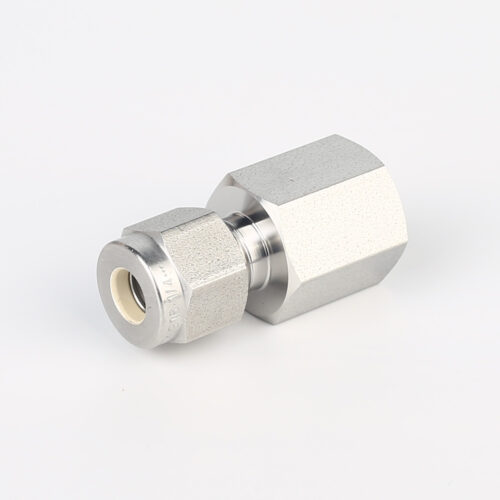
766L High Purity Female Connector UHP Fitting Female Connector
-
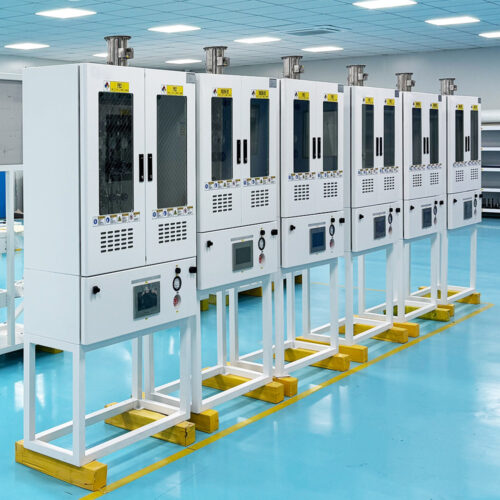
Ultra High Purity Diaphragm Valves and Pressure Regulators for Reliable Ultra High Purity Liquid Chemical Handling Systems
-
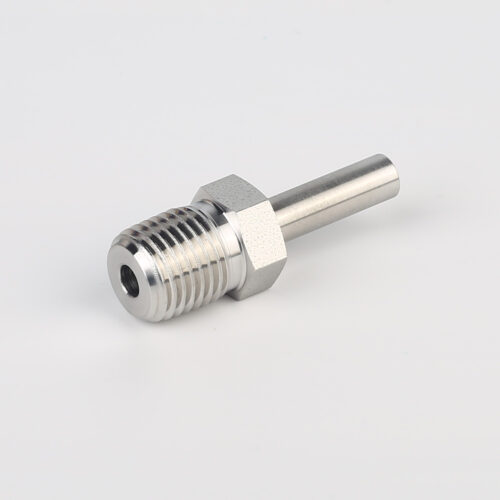
739 High Purity LMR Male Adapter Tube To Pipe Fittings And Adapters
-
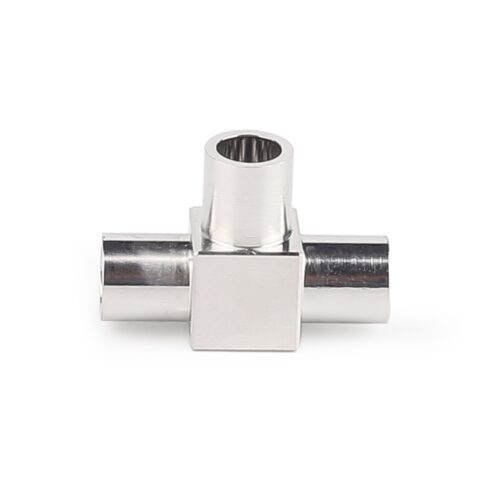
Stainless Steel Ultra High Purity Mini Butt Weld Mini Tee Reducer MTRW Series Fittings
-
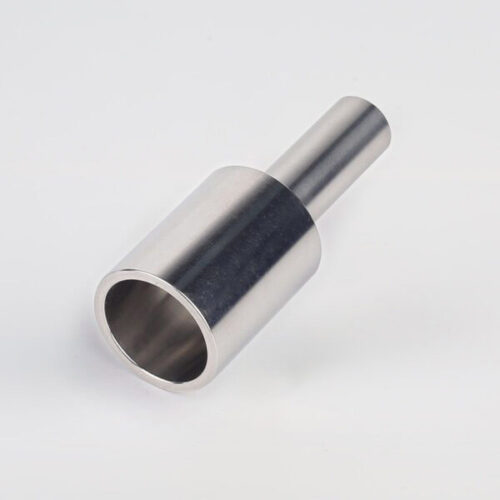
316L Stainless Steel Tube Butt Weld Reducing Fittings Union Reducer RW Series Ultrahigh Purity Process
-
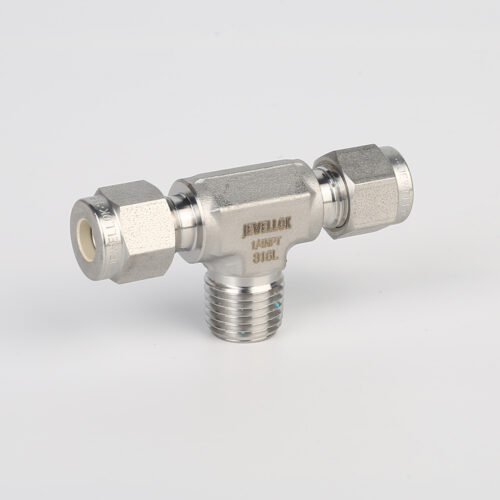
772L Male Branch Tee | Stainless Steel High-Purity Tube Fitting Male Branch Tee
-
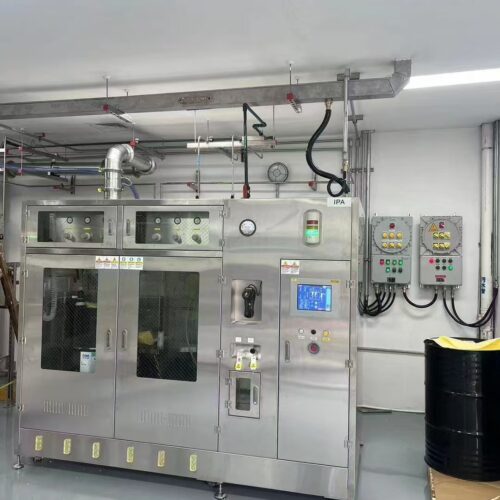
Ultra High Purity CDS Solutions Featuring 316L Electropolished Stainless Steel for Superior Chemical Integrity and Safety
-
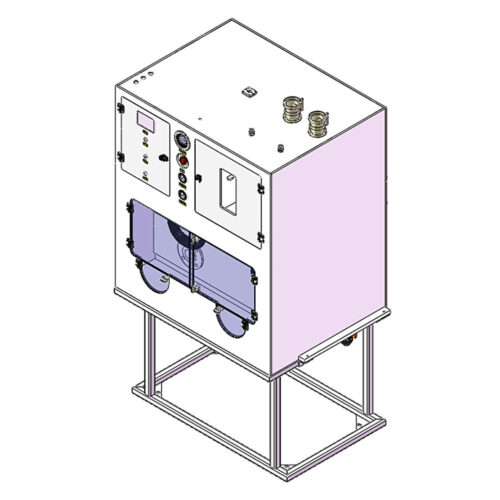
Clean Connection Cabinet JW-300-CCB Valve Manifold Box And Control Valve Box