
Regulator Manufacturer Tel: +86 13380377051
Regulator Manufacturer Tel: +86 13380377051
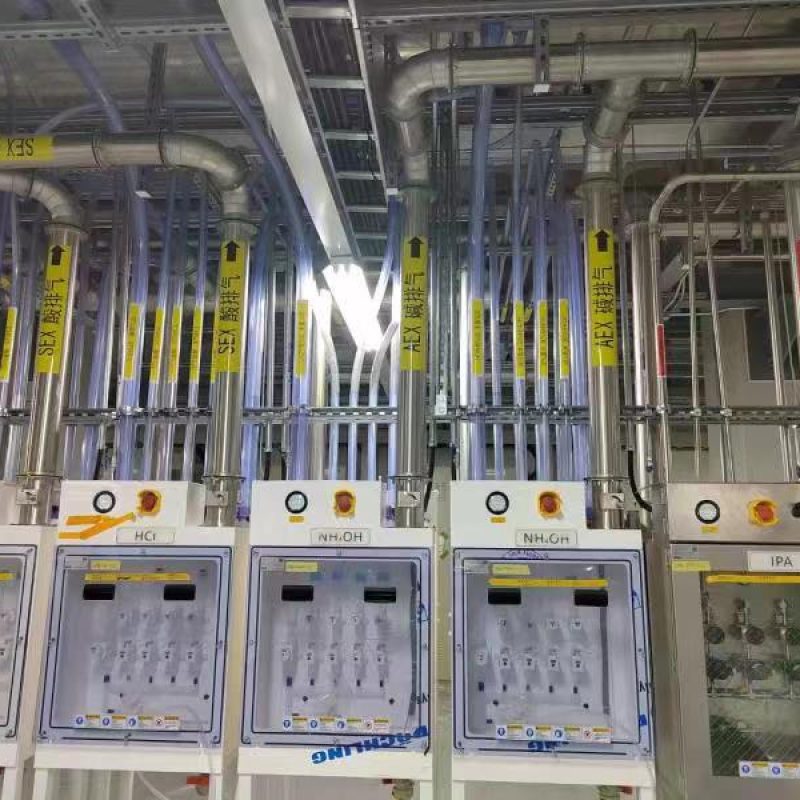
Performance Optimization of Chemical Delivery Modules (CDM) in High-Purity Environments
Introduction
As semiconductor manufacturing continues to advance toward smaller technology nodes, higher wafer yields, and increasingly complex process integration, the demand for ultra-high purity (UHP) chemical delivery systems has never been greater. Modern fabrication processes such as photolithography, wet cleaning, chemical mechanical planarization (CMP), atomic layer deposition (ALD), and advanced packaging all rely on precise chemical delivery to ensure consistent process performance.
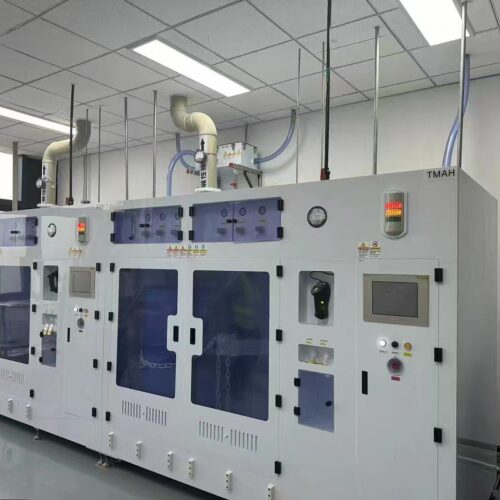
At the heart of these systems is the Chemical Delivery Module (CDM), a highly engineered subsystem responsible for storing, filtering, monitoring, controlling, and delivering high-purity chemicals from bulk supply to process tools. Even the slightest contamination, pressure fluctuation, or flow instability can negatively affect wafer quality, reduce production yield, and increase manufacturing costs.
Optimizing CDM performance in high-purity environments is therefore a critical objective for semiconductor fabs, chemical suppliers, and equipment manufacturers. This article explores the design principles, engineering challenges, optimization strategies, and future trends that enable Chemical Delivery Modules to achieve maximum reliability, cleanliness, precision, and operational efficiency.
What Is a Chemical Delivery Module (CDM)?
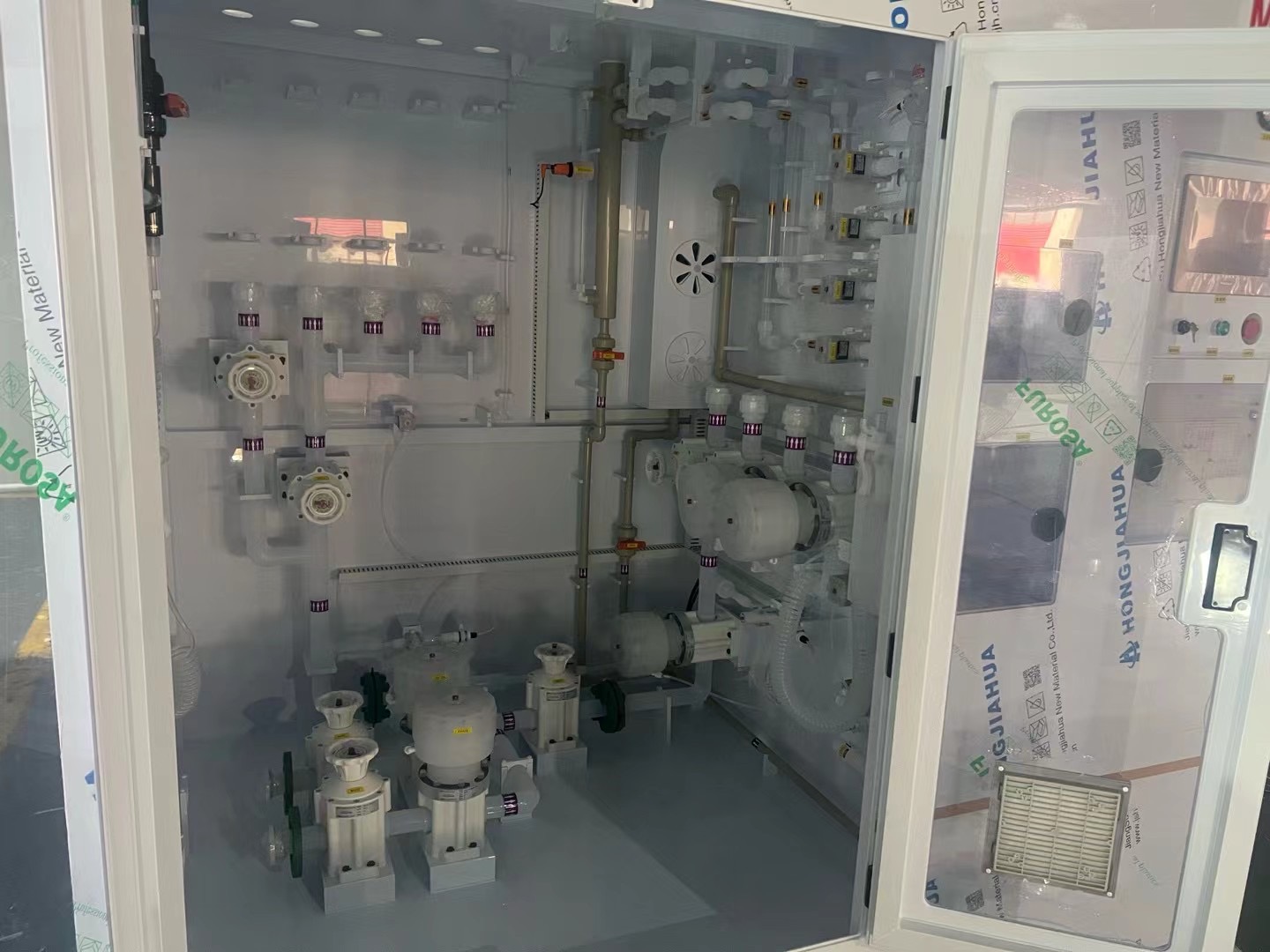
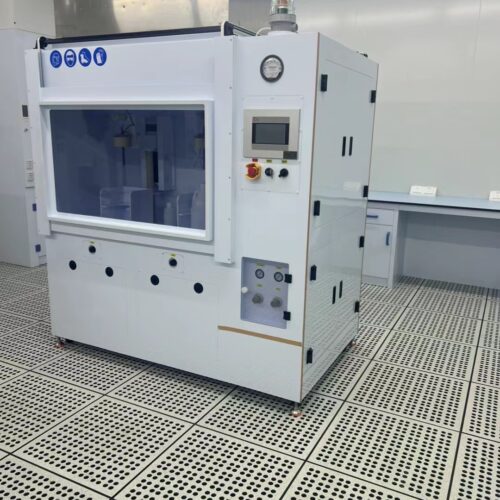
A Chemical Delivery Module is an integrated chemical management system designed to safely transfer ultra-high purity liquid chemicals from storage containers to semiconductor processing equipment.
A complete CDM typically includes:
- Chemical storage vessels
- Precision pumps
- High-purity diaphragm valves
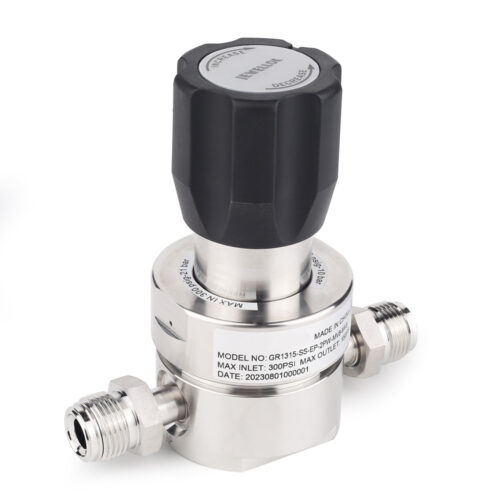
- Pressure regulators
- Flow controllers
- Particle filters
- Leak detection sensors
- Temperature control units
- Pressure monitoring devices
- PLC or industrial PC control systems
- Human-machine interface (HMI)
- Safety interlock systems
The primary objectives of a CDM are:
- Maintain chemical purity
- Deliver precise chemical volumes
- Prevent contamination
- Ensure operator safety
- Minimize chemical waste
- Provide continuous production support
High-performance CDMs are widely used in semiconductor fabs, photovoltaic manufacturing, LCD production, MEMS fabrication, and advanced packaging facilities.
Why High-Purity Environments Demand Better CDM Performance
Semiconductor chemicals are highly sensitive to contamination.
Typical process chemicals include:
- Sulfuric acid (H₂SO₄)
- Hydrofluoric acid (HF)
- Hydrochloric acid (HCl)
- Nitric acid (HNO₃)
- Ammonium hydroxide (NH₄OH)
- Hydrogen peroxide (H₂O₂)
- Tetramethylammonium hydroxide (TMAH)
- Isopropyl alcohol (IPA)
- Photoresist chemicals
- Developers
- Solvents
Even microscopic contaminants can create serious manufacturing defects.
Common contamination sources include:
- Metallic ions
- Airborne particles
- Moisture
- Organic residues
- Outgassing materials
- Dead legs inside piping
- Improper welding
- Seal degradation
As semiconductor technology advances toward 5 nm, 3 nm, and beyond, process windows become increasingly narrow, making CDM optimization essential for maintaining ultra-clean chemical delivery.
Material Selection for Maximum Purity
Material selection forms the foundation of CDM performance.
Different chemicals require different wetted materials, but all must exhibit excellent corrosion resistance, chemical compatibility, and extremely low particle generation.
Common materials include:
High-Purity PFA
Perfluoroalkoxy (PFA) tubing offers:
- Excellent chemical resistance
- Smooth internal surfaces
- Low particle shedding
- High purity
- Long service life
PFA is commonly used for acid and solvent delivery.
PVDF Components
Polyvinylidene fluoride (PVDF) provides:
- High mechanical strength
- Good chemical resistance
- Low extractables
- Stable long-term performance
316L Stainless Steel
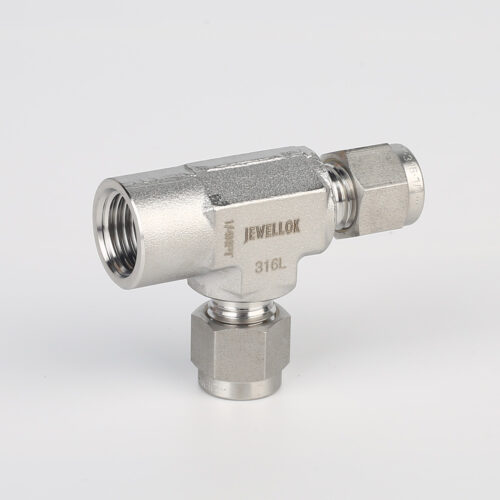
For compatible chemicals, electropolished 316L stainless steel offers:
- Excellent corrosion resistance
- Mirror-like internal finish
- Low particle adhesion
- High pressure capability
Electropolishing significantly reduces surface roughness, minimizing contamination risks.
Optimizing Flow Stability
Consistent chemical flow is essential for process repeatability.
Flow instability can result from:
- Pump pulsation
- Pressure variation
- Air bubbles
- Temperature changes
- Improper valve sizing
Optimization strategies include:
- Precision diaphragm pumps
- Pulse dampeners
- Closed-loop flow control
- Electronic pressure regulators
- High-resolution flow meters
Real-time monitoring allows the controller to continuously adjust operating parameters, maintaining stable chemical delivery even during varying process conditions.
Pressure Control Optimization
Pressure stability directly influences dispensing accuracy.
A properly optimized CDM maintains:
- Constant outlet pressure
- Fast pressure response
- Minimal pressure overshoot
- Stable chemical transfer
Modern systems integrate:
- Digital pressure transmitters
- Precision pressure regulators
- PID control algorithms
- Automatic pressure compensation
These technologies ensure consistent chemical flow across multiple process tools.
Eliminating Dead Legs and Particle Traps
One of the most important design considerations is minimizing dead volume.
Dead legs allow chemicals to stagnate, resulting in:
- Particle formation
- Chemical degradation
- Bacterial growth (for DI water systems)
- Cross-contamination
Optimization methods include:
- Compact manifold design
- Orbital welded tubing
- Short fluid paths
- Zero dead-volume valves
- Optimized fitting geometry
Computational fluid dynamics (CFD) simulation is increasingly used to optimize internal flow paths before manufacturing.
Advanced Filtration Technologies
Ultra-clean filtration significantly improves chemical purity.
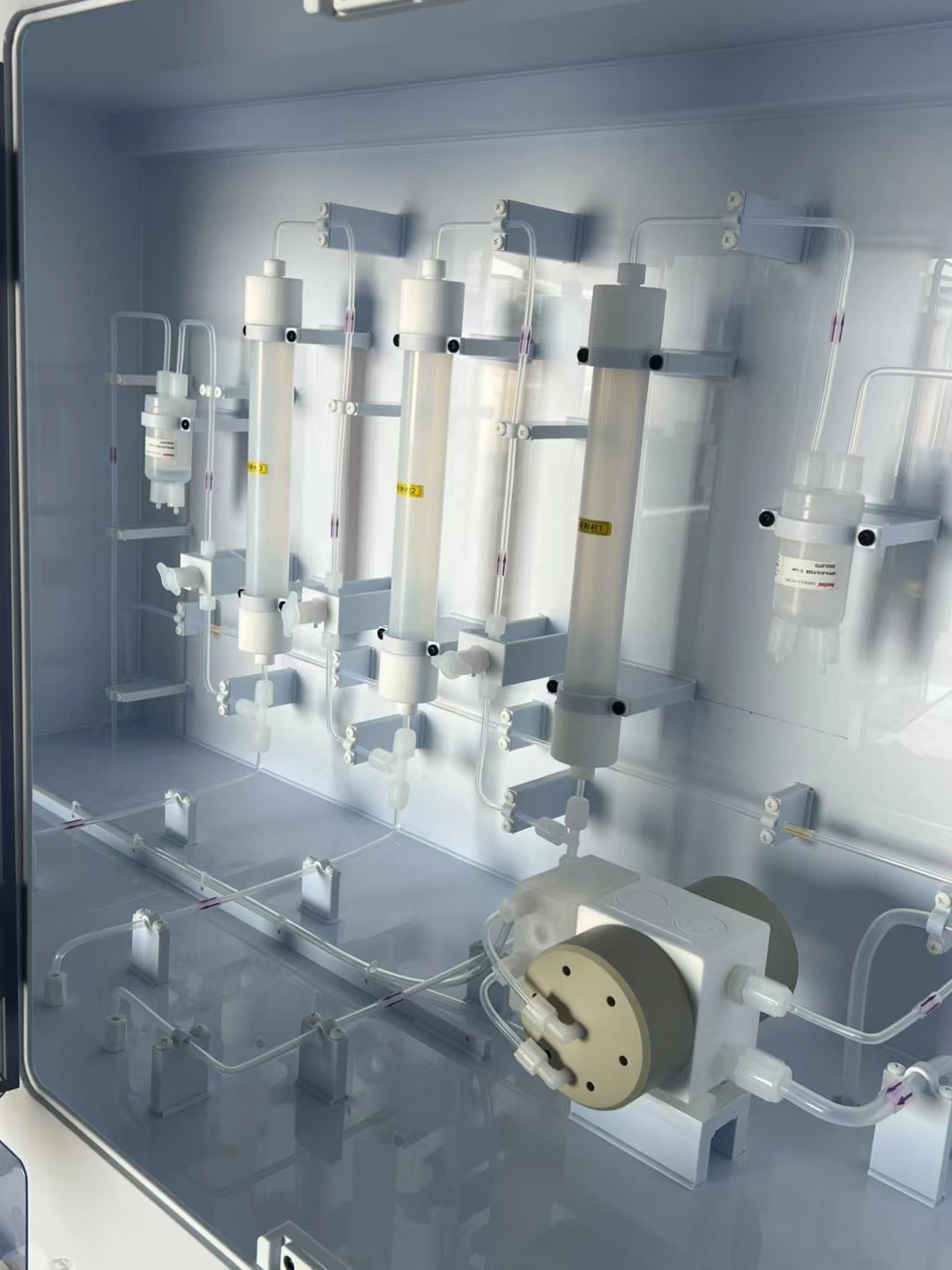
Modern CDMs often employ multiple filtration stages.
Typical filtration configuration includes:
- Bulk filtration
- Fine filtration
- Final point-of-use filtration
Filter ratings may include:
- 1 μm
- 0.2 μm
- 0.05 μm
- 0.01 μm
High-performance membrane filters remove:
- Metallic particles
- Polymer debris
- Crystals
- Process contaminants
Proper filter sizing minimizes pressure loss while maximizing filtration efficiency.
Intelligent Leak Detection Systems
Chemical leakage poses serious risks to personnel, equipment, and production.
Modern CDMs incorporate multiple leak detection technologies:
- Conductivity sensors
- Optical sensors
- Chemical vapor detectors
- Pressure decay monitoring
- Flow imbalance detection
When leakage is detected, the system can automatically:
- Close isolation valves
- Stop pumps
- Trigger alarms
- Activate exhaust systems
- Notify factory control systems
Rapid response significantly improves operational safety.
Temperature Management
Many semiconductor chemicals exhibit temperature-dependent properties.
Temperature influences:
- Viscosity
- Flow rate
- Chemical stability
- Vapor pressure
- Reaction performance
Advanced CDMs integrate:
- Chemical heaters
- Cooling systems
- Heat exchangers
- Temperature sensors
- PID temperature control
Maintaining stable temperature improves process consistency while extending chemical shelf life.
Automation and Smart Process Control
Today’s semiconductor fabs increasingly rely on fully automated chemical management.
Advanced CDMs integrate:
- PLC control systems
- SCADA platforms
- Industrial Ethernet
- Remote diagnostics
- Recipe management
- Data logging
Automation provides numerous advantages:
- Reduced human error
- Improved repeatability
- Predictive maintenance
- Faster troubleshooting
- Better process traceability
Intelligent software continuously analyzes system data to optimize pump operation, pressure regulation, and chemical consumption.
Real-Time Monitoring and Predictive Maintenance
Industry 4.0 technologies are transforming CDM maintenance.
Critical monitoring parameters include:
- Pressure
- Flow rate
- Temperature
- Pump cycles
- Valve operation
- Filter differential pressure
- Tank level
- Chemical consumption
Predictive maintenance algorithms identify abnormal operating conditions before equipment failure occurs.
Benefits include:
- Reduced downtime
- Lower maintenance costs
- Improved equipment utilization
- Higher production efficiency
Cloud-based analytics further enhance long-term performance optimization.
Clean Assembly and Manufacturing Practices
Even the best-designed CDM cannot perform properly without contamination-free manufacturing.
Leading manufacturers adopt strict cleanroom assembly procedures.
Typical requirements include:
- ISO Class 5 or ISO Class 6 cleanrooms
- Ultrasonic cleaning
- DI water rinsing
- Particle-free packaging
- Nitrogen drying
- Cleanroom-compatible assembly tools
Each completed system undergoes rigorous cleaning before shipment.
Comprehensive Testing and Validation
Performance optimization requires extensive factory acceptance testing (FAT).
Common validation procedures include:
Helium Leak Testing
Detects microscopic leaks with extremely high sensitivity.
Particle Testing
Measures particle generation during chemical circulation.
Pressure Testing
Verifies system integrity under operating conditions.
Functional Testing
Confirms valve sequencing, pump operation, sensor calibration, and control logic.
Chemical Compatibility Testing
Ensures long-term resistance to process chemicals.
Flow Calibration
Verifies dispensing accuracy across the operating range.
These validation procedures ensure reliable field performance.
Energy Efficiency and Sustainability
Environmental responsibility has become an important consideration in CDM design.
Optimization measures include:
- Variable-speed pumps
- Energy-efficient motors
- Smart standby modes
- Reduced chemical waste
- Optimized flushing cycles
- Recyclable materials
Lower resource consumption supports both sustainability initiatives and operating cost reduction.
Future Development Trends
As semiconductor manufacturing evolves, Chemical Delivery Modules will continue becoming smarter, cleaner, and more automated.
Future innovations are expected to include:
- AI-based process optimization
- Digital twin technology
- Self-diagnosing systems
- Autonomous maintenance scheduling
- Advanced contamination prediction
- Machine learning process control
- Edge computing integration
- Fully connected smart factories
These technologies will enable real-time optimization while maximizing production yield and equipment availability.
Choosing the Right CDM Supplier
Selecting an experienced Chemical Delivery Module manufacturer is critical for long-term operational success.
Important evaluation criteria include:
- Semiconductor industry experience
- UHP design expertise
- Cleanroom manufacturing capability
- High-quality component sourcing
- Custom engineering services
- International safety compliance
- Comprehensive testing procedures
- Global technical support
An experienced supplier can tailor CDM configurations to meet the specific requirements of wet process tools, chemical types, cleanroom classifications, and production capacities.
Conclusion
The Chemical Delivery Module has become one of the most important subsystems supporting advanced semiconductor manufacturing. In ultra-high purity environments, every aspect of CDM design—from material selection and flow control to filtration, automation, leak detection, and predictive maintenance—directly influences process stability, product quality, and manufacturing efficiency.
Through optimized fluid dynamics, precision pressure regulation, contamination control, intelligent monitoring, and clean manufacturing practices, modern Chemical Delivery Modules deliver exceptional reliability while meeting the increasingly demanding requirements of next-generation semiconductor fabrication.
As Industry 4.0, artificial intelligence, and smart factory technologies continue to mature, future CDMs will evolve into highly intelligent, self-optimizing systems capable of delivering unprecedented levels of precision, safety, sustainability, and operational efficiency. Manufacturers investing in advanced CDM technologies will be better positioned to improve wafer yield, reduce operating costs, and maintain a competitive advantage in the rapidly evolving global semiconductor industry.
For more about performance optimization of chemical delivery modules (CDM) in high-purity environments, you can pay a visit to Jewellok at https://www.specialtygasregulator.com/product-category/specialty-gas-cabinet/ for more info.
-
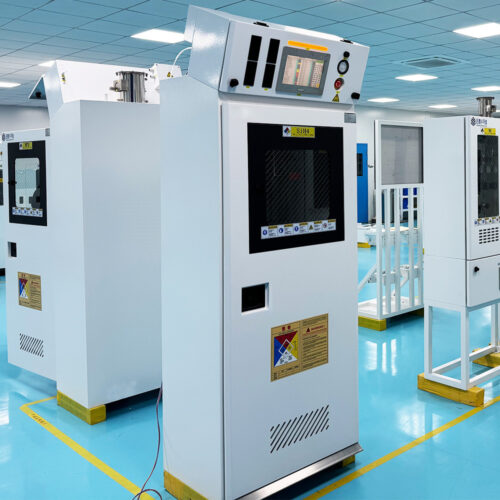
Fully Automated Gas Cabinet For Precise UHP Gas Delivery And High Purity Gas Delivery Systems JW-300-GC
-
Vertical Laminar Flow Workstation (VLF) With Chemical Concentration Monitor
-
JR1300 Series Ultra High Purity Single Stage Regulator High Flow Line Regulator For Ultra High Purity Intermediate Flow
-
Custom VMB Valve Manifold Boxes for Enhanced Tool Isolation and Maximum Uptime in Complex Chemical Distribution Networks
-
771LF Female Run Tee | Stainless Steel Tube Fitting Compression Fittings 1/4 In 3-Way Tee Female Run Tee
-
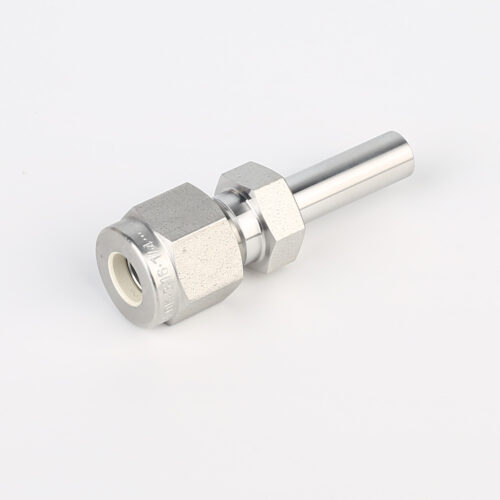
767LT Reducer Pressure Reducing Valve Adjustment High purity Pressure Reducing Union Fittings And Tubing
-
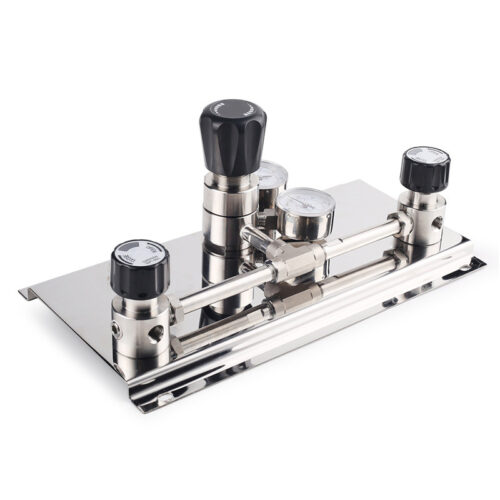
High Purity Semi-Auto Stainless Steel Changeover Manifold System, Nitrogen High Pressure Control Panel With Semiconductor Valve Manifold Box Diaphragm Valves
-
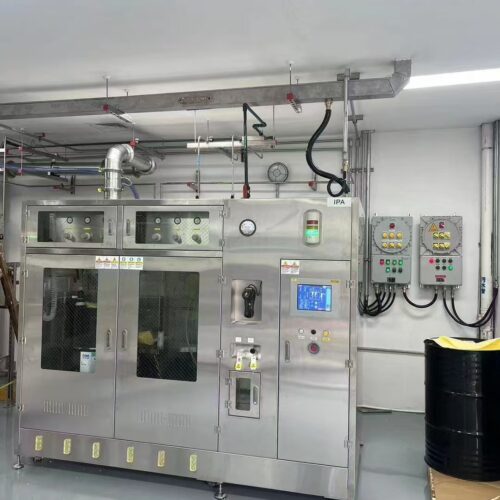
Ultra High Purity CDS Solutions Featuring 316L Electropolished Stainless Steel for Superior Chemical Integrity and Safety