
Regulator Manufacturer Tel: +86 13380377051
Regulator Manufacturer Tel: +86 13380377051
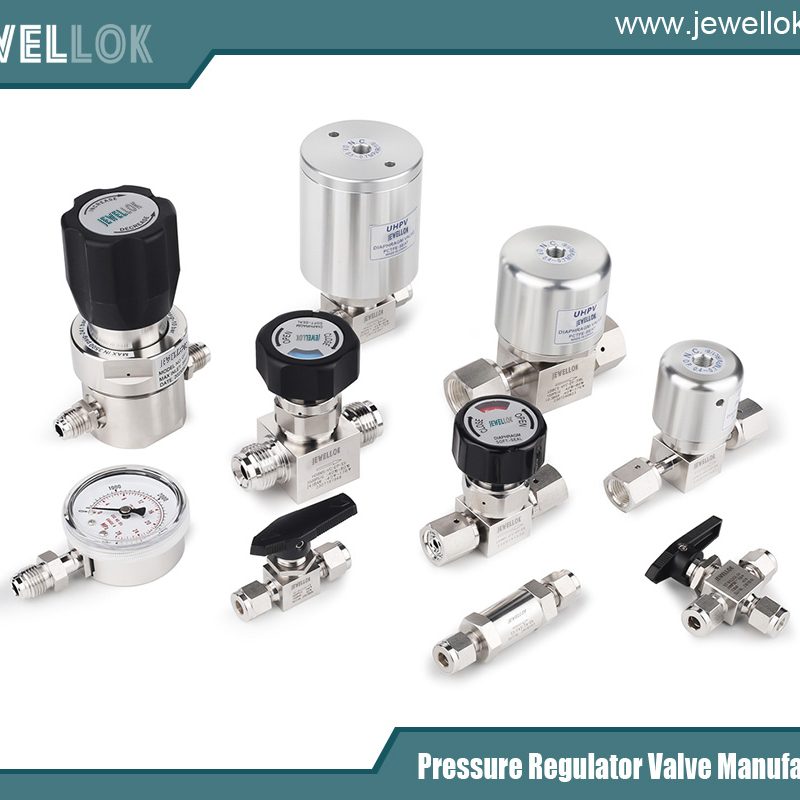
How to Select an Ultra High Purity Diaphragm Valve for Corrosive Gas Delivery
In semiconductor manufacturing, photovoltaic production, compound semiconductor fabrication, pharmaceutical processing, and other high-tech industries, corrosive gases must be delivered safely, consistently, and with extremely low contamination. The valve is one of the most critical components in the gas delivery system because it directly controls gas isolation, flow paths, pressure stability, and process integrity.
For corrosive and ultra high purity (UHP) gases, selecting a conventional industrial valve is rarely sufficient. Valve materials, diaphragm construction, internal surface finish, dead volume, leak performance, connection type, and manufacturing cleanliness must all be evaluated together. A properly selected ultra high purity diaphragm valve can improve process reliability, reduce contamination risks, extend service life, and support stable semiconductor process performance.
This article explains the key factors engineers should consider when selecting a UHP diaphragm valve for corrosive gas delivery systems.
1. Understand the Gas and Process Conditions First
The first step is to identify the actual gas service conditions before choosing a valve. Different corrosive gases can have significantly different chemical properties and compatibility requirements.
Common corrosive or reactive gases used in semiconductor and advanced manufacturing applications include chlorine (Cl₂), hydrogen chloride (HCl), hydrogen bromide (HBr), sulfur hexafluoride (SF₆), nitrogen trifluoride (NF₃), boron trichloride (BCl₃), and other process gases.
The selection process should consider:
- Gas composition and concentration
- Operating pressure
- Maximum pressure
- Operating temperature
- Flow rate
- Gas phase and chemical reactivity
- Frequency of valve cycling
- Required valve lifetime
- Purity requirements
- Process safety requirements
For example, a valve designed for high-purity nitrogen may not be appropriate for highly reactive halogen-based gases. Chemical compatibility should therefore be verified for every wetted component rather than evaluated only from the valve’s external material.
2. Choose Materials Compatible with Corrosive Gases
Material compatibility is one of the most important considerations when selecting a diaphragm valve for corrosive gas delivery.
High-quality UHP gas valves commonly use stainless steel for the valve body and wetted metallic components. 316L stainless steel is widely used because of its corrosion resistance, mechanical strength, and suitability for high-purity gas applications.
For demanding semiconductor applications, engineers may specify higher-grade 316L stainless steel manufactured using controlled processes such as vacuum induction melting (VIM) and vacuum arc remelting (VAR). These processes can help provide improved material consistency and reduced impurity levels.
However, the body material is only one part of the equation. The diaphragm, seat, seals, stem components, and other wetted materials must also be chemically compatible with the process gas.
For highly corrosive gases, special diaphragm alloys or corrosion-resistant materials may be required. A cobalt-based superalloy diaphragm, for example, can provide excellent mechanical durability and corrosion resistance in demanding gas applications.
Material selection should therefore be based on the complete wetted path rather than the valve body alone.
3. Evaluate Diaphragm Design Carefully
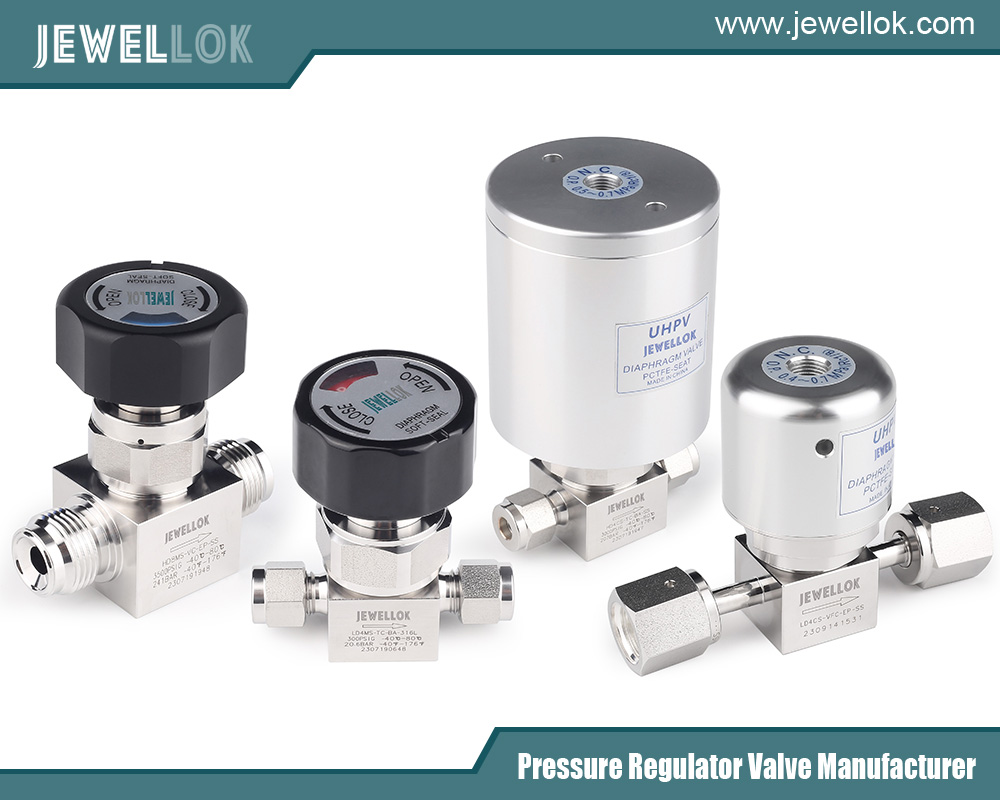
The diaphragm is the defining component of a diaphragm valve. Unlike conventional valves that may use sliding stems or packing systems exposed to the process environment, a diaphragm valve uses a flexible metal diaphragm to isolate the actuator mechanism from the gas.
This design offers several advantages for UHP gas delivery.
First, the diaphragm can provide highly reliable isolation between the process gas and the external operating mechanism. Second, there is no conventional stem packing directly exposed to the process gas, which helps reduce potential contamination and leakage pathways. Third, the diaphragm can support precise shutoff and repeatable operation.
For corrosive gas applications, diaphragm thickness, material, forming method, welding quality, and fatigue resistance are all important.
The valve should be capable of maintaining reliable performance after repeated opening and closing cycles. A poorly designed diaphragm may experience fatigue, deformation, or premature failure, especially under high cycling frequency or pressure fluctuations.
When comparing valves, ask the manufacturer for information about diaphragm material, cycle-life testing, pressure rating, and applicable gas compatibility.
4. Consider Internal Surface Finish and Cleanliness
Ultra high purity gas systems are highly sensitive to contamination. Even when the valve is manufactured from an appropriate alloy, poor internal surface quality can negatively affect gas purity.
The internal wetted surfaces should therefore have a controlled surface finish. Electropolishing is commonly used in UHP gas components because it can produce a smoother and cleaner surface while reducing microscopic surface irregularities.
A smooth internal surface can help reduce particle retention, improve cleanability, and minimize sites where moisture or contaminants could accumulate.
The surface roughness specification should be evaluated together with the intended gas purity and system requirements. For demanding semiconductor applications, manufacturers may provide controlled Ra values and documented cleaning procedures.
Cleaning is equally important. UHP valves should be cleaned, assembled, and packaged under controlled conditions to prevent particles, hydrocarbons, moisture, and other contaminants from entering the gas system.
5. Minimize Dead Volume
Dead volume refers to areas within the valve where process gas can become trapped instead of flowing directly through the primary gas path.
Large dead volumes can create several problems. Trapped gas may increase purge requirements, slow gas replacement, and potentially contribute to cross-contamination when the process gas changes.
A low-dead-volume diaphragm valve is therefore preferred for many semiconductor gas delivery applications.
When evaluating valve designs, engineers should examine the internal flow path rather than simply looking at the external valve dimensions. A compact valve does not necessarily have the lowest internal dead volume.
Low internal volume is particularly valuable in applications involving expensive specialty gases, frequent gas switching, or highly sensitive process recipes.
6. Check Helium Leak Rate and Sealing Performance
Leak performance is another critical selection criterion.
A UHP diaphragm valve should provide reliable sealing under the specified pressure and temperature conditions. Helium leak testing is widely used to verify the integrity of high-purity gas components because helium can detect extremely small leakage paths.
Depending on the application, specifications may include extremely low external and internal leakage limits, sometimes in the range of 10⁻⁹ mbar·L/s or equivalent units.
However, engineers should not compare leak specifications without checking the testing conditions. The test pressure, test method, acceptance criteria, and whether the specification applies to external or seat leakage should all be clearly defined.
For hazardous or corrosive gases, reliable leak integrity is particularly important because even a small leak can create safety, environmental, and process-control concerns.
7. Select the Correct Connection Type
Connection configuration affects installation reliability, cleanliness, and maintenance.
Common connection options for UHP gas delivery systems include VCR-type face-seal connections, butt-welded connections, tube connections, and other high-purity fittings.
VCR face-seal connections are widely used where equipment flexibility and maintenance are important. They provide a metal-to-metal sealing arrangement and can support high-purity gas service when correctly installed.
Welded connections can reduce the number of mechanical joints and are often selected for permanent gas distribution systems. However, welding requires appropriate procedures, equipment, inspection, and post-weld cleaning.
The connection type should therefore be selected according to system architecture, maintenance requirements, pressure rating, installation space, and purity specifications.
8. Consider Actuation and Automation Requirements
A diaphragm valve can be manually operated or integrated into an automated gas delivery system.
Manual valves may be suitable for simple isolation applications, maintenance points, or low-frequency operation. Automated pneumatic diaphragm valves are often preferred in semiconductor gas cabinets, gas panels, chemical delivery systems, and process equipment where remote operation is required.
For automated systems, engineers should evaluate:
- Actuation pressure
- Response time
- Normally open or normally closed configuration
- Valve position feedback
- Cycle life
- Control signal compatibility
- Fail-safe requirements
- Integration with PLC or process control systems
The actuator should be matched to the valve’s operating requirements. In safety-critical systems, the fail position should be selected according to the consequences of loss of power, instrument air, or control signal.
9. Verify Pressure and Temperature Ratings
The valve’s pressure rating must exceed the actual operating conditions with an appropriate engineering margin.
Both inlet pressure and differential pressure should be considered. Some valves may have different performance limitations depending on whether they are being opened against pressure or operated under balanced pressure conditions.
Temperature is also important because diaphragm materials, seals, actuator components, and other materials can have different operating limits.
For corrosive gas delivery, engineers should verify the complete operating envelope rather than relying only on a general catalog pressure rating.
10. Look for UHP Manufacturing and Quality Control
A technically suitable valve can still cause problems if it is not manufactured under appropriate cleanliness and quality-control procedures.
A qualified UHP valve manufacturer should have controlled processes covering material traceability, machining, cleaning, assembly, testing, and packaging.
Important quality documentation may include:
- Material certificates
- Leak-test reports
- Surface-finish specifications
- Cleaning certificates
- Dimensional inspection records
- Pressure-test records
- Diaphragm cycle testing
- Product traceability documentation
For semiconductor applications, traceability can be particularly valuable because engineers may need to identify the production batch and material history of individual components.
The manufacturing environment should also be appropriate for high-purity components. Controlled assembly and packaging can reduce the risk of particles and other contaminants being introduced after final cleaning.
11. Compare Total Cost Instead of Purchase Price Alone
The lowest-priced valve is not always the most economical choice.
For corrosive gas applications, premature diaphragm failure, leakage, contamination, unplanned maintenance, or process downtime can cost substantially more than the original valve purchase price.
Engineers should consider total cost of ownership, including:
- Initial purchase price
- Installation cost
- Maintenance frequency
- Expected service life
- Replacement parts
- Gas loss caused by leakage
- Production downtime
- Cleaning and replacement procedures
- Availability of technical support
A higher-quality UHP diaphragm valve can provide better long-term value if it improves reliability and reduces maintenance requirements.
12. Questions to Ask the Valve Manufacturer
Before placing an order, customers should request detailed technical information from the valve manufacturer.
Useful questions include:
- What materials are used for all wetted components?
- Is the diaphragm material compatible with the target corrosive gas?
- What is the internal surface roughness?
- Is the wetted surface electropolished?
- What is the external helium leak rate?
- What is the seat leakage specification?
- What is the internal dead volume?
- What is the rated pressure and temperature range?
- What is the expected diaphragm cycle life?
- How are the valves cleaned and packaged?
- Are material and test certificates available?
- Can the valve be customized for VCR or welded connections?
- Can the valve be integrated with pneumatic actuation and position feedback?
- Is product traceability available?
A manufacturer that can provide clear, documented answers is generally better positioned to support demanding UHP applications.
Conclusion
Selecting an ultra high purity diaphragm valve for corrosive gas delivery requires much more than choosing a valve based on size and pressure rating. Chemical compatibility, diaphragm material, internal surface finish, cleanliness, dead volume, leak performance, connection design, actuation, pressure rating, and manufacturing quality must all be considered together.
For semiconductor and other high-tech applications, 316L stainless steel construction, corrosion-resistant diaphragm materials, electropolished wetted surfaces, low dead volume, reliable metal sealing, and stringent helium leak testing can provide the foundation for a robust gas delivery system.
The best valve is ultimately the one that matches the complete process environment. By evaluating the gas chemistry, purity requirements, operating conditions, automation needs, and long-term reliability before purchasing, engineers can reduce contamination risks, improve system safety, and achieve more stable performance in corrosive UHP gas delivery applications.
For more about how to select an ultra high purity diaphragm valve for corrosive gas delivery, you can pay a visit to Jewellok at https://www.specialtygasregulator.com/product-category/specialty-gas-cabinet/ for more info.
-
Stainless Steel High Pressure Specialty Gas Changeover Manifold For High Purity Oxygen Nitrogen Argon Helium Hydrogen Co2
-
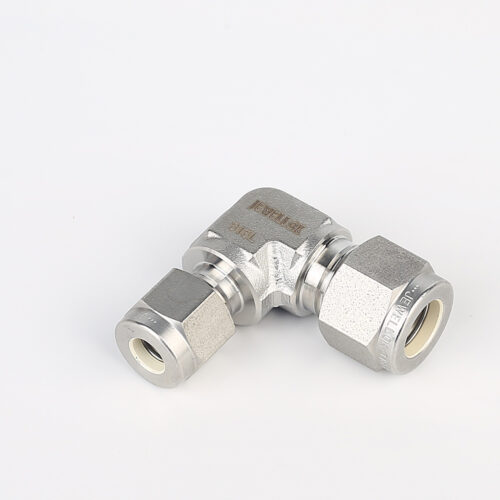
765LR Reducing Tee | Stainless Steel 316 High Purity Butt Weld Fittings Metal Face Seal For Welding Pipe Fitting Reducing Tee
-
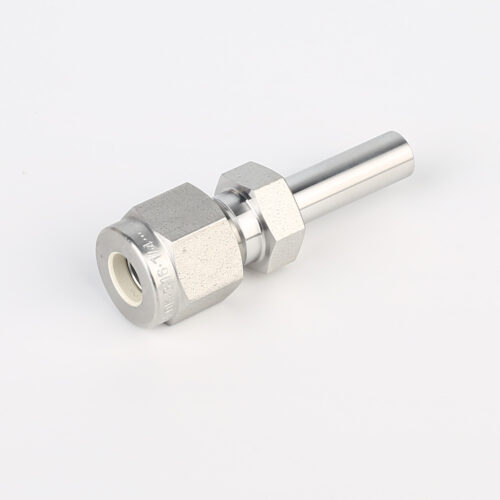
767LT Reducer Pressure Reducing Valve Adjustment High purity Pressure Reducing Union Fittings And Tubing
-
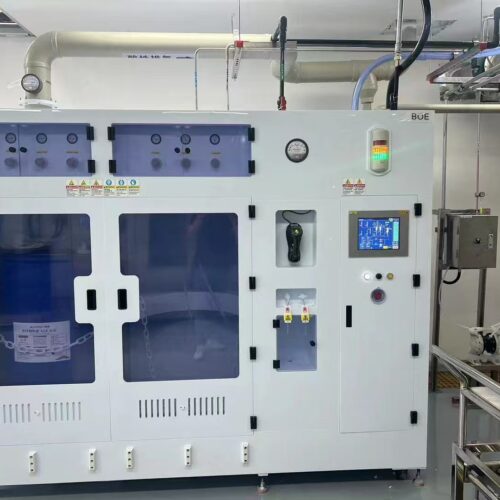
Chemical Delivery Modules for Automated Blending and Precise Dilution in Modern Wafer Cleaning Applications
-
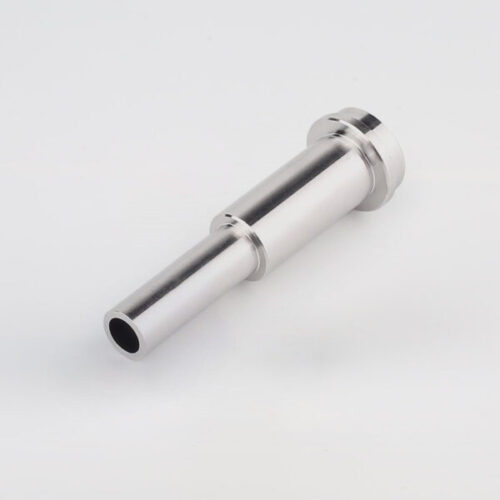
Long Gland LG Series For Ultra High Purity Gas And Chemical Delivery Systems
-
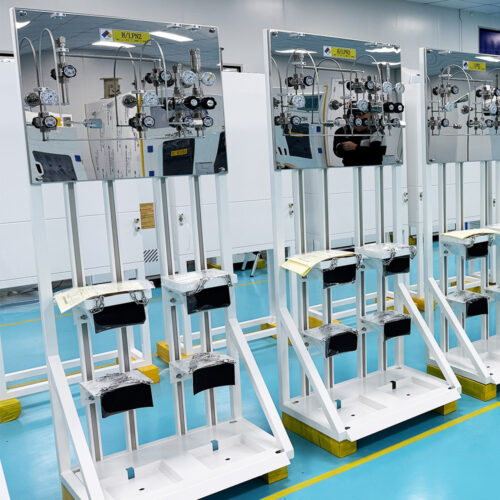
Semi Automatic Gas Cabinet Systems for Handling Toxic and Flammable Process Specialty Gases in High Tech
-
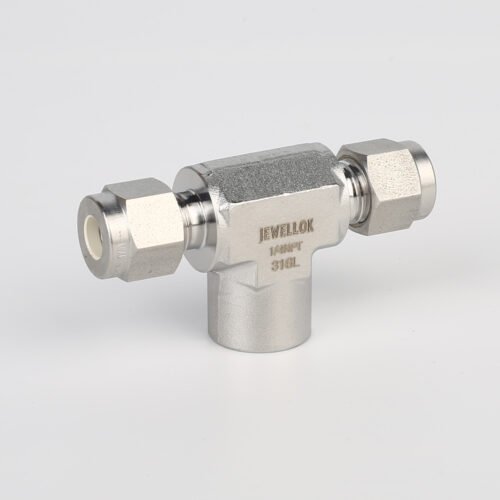
772 LF Female Branch Tee | Stainless Steel Tube Fitting Female Branch Tee 1/2 in. Tube OD x 1/2 in. Tube OD x 3/8 in. Female NPT
-
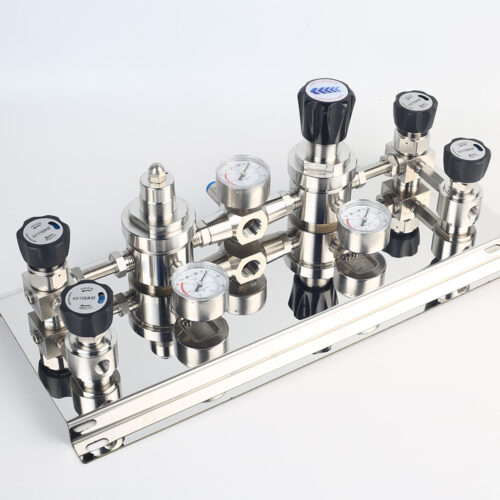
Stainless Steel Single Stage Semiconductor Grade Pressure Control Module Pressure Control Panels JSP-6A Series