
Regulator Manufacturer Tel: +86 13380377051
Regulator Manufacturer Tel: +86 13380377051
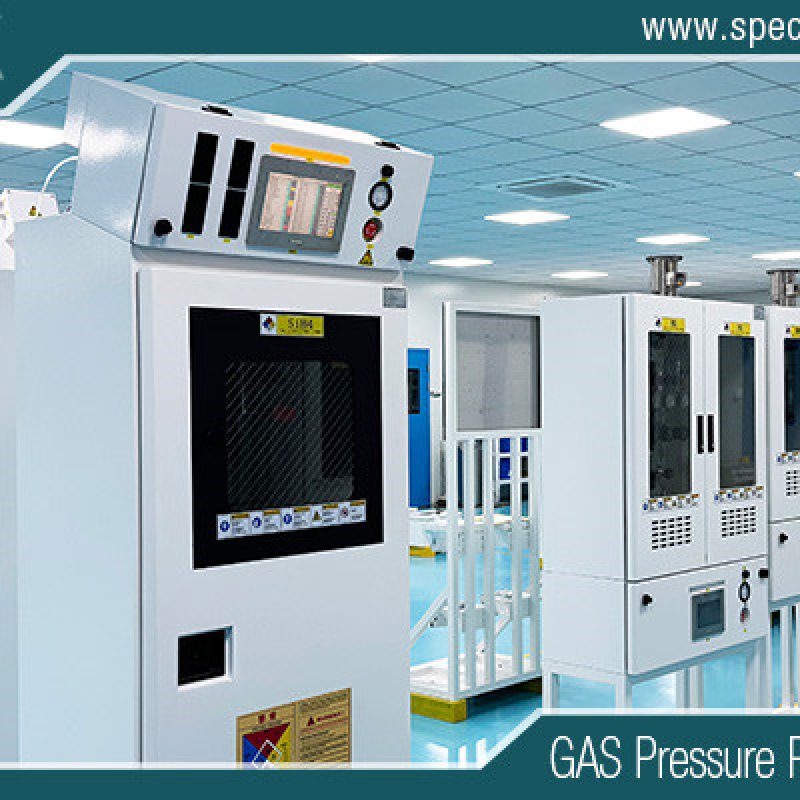
Industrial Flammable Gas Storage Cabinet for Compressed Gas Cylinders
The safe storage of compressed flammable gas cylinders is a critical requirement in semiconductor manufacturing, laboratories, chemical plants, pharmaceutical facilities, welding operations, and other industrial environments. Flammable gases such as hydrogen, methane, propane, acetylene, and certain specialty process gases can present significant fire, explosion, and exposure hazards if cylinders are improperly stored or handled. An Industrial Flammable Gas Storage Cabinet for Compressed Gas Cylinders provides a controlled and organized solution for storing gas cylinders while helping facilities improve fire safety, cylinder stability, ventilation, access control, and workplace management.
A properly engineered gas storage cabinet is more than a metal enclosure. It is a safety-oriented system designed around the characteristics of compressed gases, cylinder dimensions, ventilation requirements, fire protection strategies, and the operational needs of the facility. Selecting the correct cabinet therefore requires careful consideration of construction materials, ventilation, cylinder restraints, detection systems, access control, and applicable safety requirements.
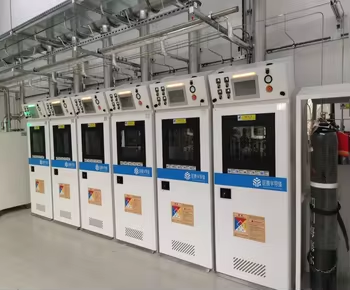
What Is an Industrial Flammable Gas Storage Cabinet?
An industrial flammable gas storage cabinet is a purpose-designed enclosure for storing compressed gas cylinders containing flammable gases. Unlike general-purpose storage cabinets, these cabinets are engineered to accommodate the physical dimensions and handling requirements of high-pressure gas cylinders.
The primary functions include:
- Securing compressed gas cylinders against tipping or accidental movement
- Separating flammable gas cylinders from general work areas
- Providing controlled ventilation
- Organizing multiple cylinders in a designated location
- Restricting unauthorized access
- Supporting gas detection and alarm systems
- Reducing the risk associated with cylinder damage or improper storage
- Improving housekeeping and cylinder management
Depending on the application, cabinets can be designed for one cylinder, several cylinders, or larger cylinder banks. Industrial configurations may also include automatic ventilation, gas detection, emergency shutoff, sprinkler interfaces, pressure monitoring, and connections to facility gas delivery systems.
Why Proper Storage of Flammable Gas Cylinders Matters
Compressed flammable gases combine two major hazards: high stored pressure and flammability. A damaged cylinder, leaking valve, incompatible storage arrangement, or inadequate ventilation can create a dangerous situation.
A small gas leak may result in the accumulation of a flammable atmosphere if the storage area does not provide adequate ventilation. The potential consequences can become more serious when an ignition source is present.
Cylinder stability is another important consideration. Gas cylinders are heavy and have a high center of gravity. If they fall, the cylinder valve or connection can be damaged. Therefore, cylinders should be properly restrained using engineered brackets, chains, straps, or other suitable retention systems.
A dedicated storage cabinet helps establish a clearly defined storage zone and supports consistent operating procedures.
Key Design Features
1. Robust Cabinet Construction
Industrial flammable gas cabinets are typically constructed from durable metal materials suitable for the operating environment. Carbon steel and stainless steel are common choices, with material selection depending on corrosion conditions, cleanliness requirements, and facility specifications.
A robust cabinet structure should be capable of supporting the weight of the stored cylinders without excessive deformation. Reinforced frames, shelves, mounting structures, and cylinder restraint systems can be incorporated into the design.
For corrosive industrial environments, coated steel or stainless steel construction may provide improved resistance to environmental degradation.
2. Cylinder Restraint System
Cylinder retention is one of the most important mechanical functions of a storage cabinet.
Each cylinder should be securely restrained to minimize the possibility of tipping or falling. Depending on cylinder size and cabinet configuration, restraint systems can include adjustable chains, metal straps, brackets, or dedicated cylinder racks.
A well-designed system should allow operators to load and unload cylinders efficiently while maintaining secure retention during normal operation.
The cabinet interior should also provide sufficient clearance around cylinders, valves, regulators, and connection components. Crowded arrangements can make inspection and cylinder replacement more difficult.
3. Controlled Ventilation
Ventilation is essential when storing flammable gases.
If gas escapes from a cylinder connection or valve, ventilation can help prevent the accumulation of hazardous concentrations inside the enclosure. Cabinet ventilation design should therefore consider the physical properties of the gas.
For example, lighter-than-air gases and heavier-than-air gases behave differently after release. Ventilation openings should be positioned and sized according to the specific gas, cabinet design, and applicable safety requirements.
In industrial applications, cabinets may be connected to a mechanical exhaust system. Continuous or automatically controlled ventilation can provide an additional layer of protection, particularly in facilities handling toxic, pyrophoric, or highly hazardous gases.
The ventilation system should be designed as part of the overall safety system rather than treated as a simple cabinet accessory.
Gas Detection and Alarm Systems
For facilities handling hazardous or flammable gases, gas detection can significantly improve emergency response.
A gas detection system can monitor the cabinet or surrounding area for a target gas concentration. When the concentration reaches a predefined alarm level, the system may activate audible and visual alarms and communicate with the facility control system.
Depending on the application, an industrial gas cabinet can integrate:
- Flammable gas detectors
- Toxic gas detectors
- Audible alarms
- Visual warning indicators
- Emergency ventilation
- Automatic gas shutoff valves
- Pressure monitoring
- PLC-based control systems
- Remote alarm outputs
- Facility management system interfaces
The exact configuration should be determined through a facility hazard assessment and the requirements applicable to the specific gas and installation.
Automatic Gas Shutoff
For higher-risk applications, automatic gas shutoff can be incorporated into the cabinet or associated gas delivery system.
If a gas detector identifies an abnormal condition, the control system can initiate a predefined safety sequence. This may include closing an automatic valve, activating an alarm, increasing ventilation, or sending a signal to the facility control system.
An emergency shutoff system should be engineered so that its operation is reliable, clearly understood, and compatible with the process equipment.
Importantly, automatic shutoff should not replace proper cylinder inspection, maintenance, ventilation, and operating procedures. It is one component of a layered safety strategy.
Fire-Resistant and Safety-Oriented Design
Fire protection is a major consideration for flammable gas storage.
Depending on the application and local regulations, cabinets may incorporate fire-resistant construction, suitable door configurations, ventilation provisions, warning labels, and interfaces with fire protection systems.
Some industrial installations may require fire detection or sprinkler protection. Other applications may have specific requirements concerning cabinet separation distances, indoor versus outdoor installation, or the quantity of flammable gas permitted in a particular location.
Because requirements vary by jurisdiction, gas type, cylinder quantity, and facility classification, the cabinet should be specified according to the applicable regulations and the facility’s fire protection strategy.
Door and Access Design
Cabinet doors should provide convenient access for authorized operators while helping prevent accidental or unauthorized access.
Common configurations include single-door and double-door designs. Double doors can be useful for cabinets storing multiple cylinders because they provide wider access during cylinder replacement.
Door construction should also consider:
- Mechanical strength
- Locking requirements
- Emergency access
- Operator visibility
- Maintenance access
- Door swing clearance
- Compatibility with the installation location
Warning labels should clearly identify the presence of flammable gas cylinders and any relevant hazards.
Integration With Gas Delivery Systems
In advanced industrial facilities, a storage cabinet may form part of a complete gas delivery system.
For example, cylinders can be connected to a gas panel or automatic changeover manifold inside or adjacent to the cabinet. The system can regulate cylinder pressure and distribute gas to downstream process equipment.
A typical configuration may include:
Gas Cylinder → Cylinder Valve → Flexible Connection or Pigtail → Isolation Valve → Regulator → Gas Panel → Process Gas Line
For semiconductor and advanced manufacturing applications, additional components may include high-purity regulators, diaphragm valves, pressure transmitters, filters, purge systems, and automated control valves.
The cabinet design should provide sufficient space for safe routing of tubing and connections while maintaining accessibility for inspection and maintenance.
Material Selection for Industrial Applications
Material selection should be based on the environment and the gases being stored.
For general industrial applications, coated carbon steel may provide a practical balance between mechanical strength, durability, and cost.
Stainless steel may be preferred where corrosion resistance or higher cleanliness is important. In semiconductor applications, material selection can become even more critical because contamination and outgassing may affect process performance.
Internal components should also be selected for compatibility with the gas and operating environment. Seals, tubing, regulators, valves, and fittings must be evaluated for pressure rating, temperature range, chemical compatibility, and service life.
Cabinet Capacity and Configuration
Storage cabinets can be customized according to cylinder size and quantity.
Typical considerations include:
- Cylinder diameter
- Cylinder height
- Number of cylinders
- Valve configuration
- Regulator dimensions
- Required service clearance
- Ventilation requirements
- Connection routing
- Cabinet footprint
- Indoor or outdoor installation
A cabinet designed for two small cylinders will have very different requirements from a multi-cylinder cabinet used in a semiconductor gas room.
Therefore, purchasing decisions should not be based only on external cabinet dimensions. The internal usable space and equipment arrangement are equally important.
Applications
Industrial flammable gas storage cabinets are used across many industries.
Semiconductor Manufacturing
Semiconductor fabs use specialty and process gases in deposition, etching, cleaning, doping, and other processes. Depending on the gas, storage and delivery systems may require advanced monitoring, ventilation, automatic shutoff, and high-purity components.
Chemical Processing
Chemical plants may use hydrogen, methane, propane, and other flammable gases in production processes. Industrial gas cabinets can provide a dedicated storage and connection area.
Laboratories
Research and testing laboratories often require smaller cylinder storage solutions while maintaining secure retention and controlled access.
Welding and Metal Fabrication
Flammable and fuel gases are commonly used in cutting, heating, and welding operations. Dedicated storage cabinets can improve cylinder organization and workplace safety.
Pharmaceutical and Advanced Manufacturing
Certain pharmaceutical and specialty manufacturing processes use compressed gases for processing, analysis, inerting, or specialized production operations. Storage cabinets can be integrated into controlled facility environments.
How to Select the Right Flammable Gas Cabinet
Before purchasing an industrial gas storage cabinet, users should evaluate several factors.
First, identify the gas. The cabinet requirements can vary significantly depending on whether the gas is flammable, toxic, oxidizing, corrosive, inert, or pyrophoric.
Second, determine cylinder quantity and size. Cabinet capacity should accommodate the cylinders without excessive crowding.
Third, evaluate ventilation requirements. Determine whether natural or mechanical ventilation is appropriate and whether the cabinet needs connection to a facility exhaust system.
Fourth, consider detection and automation. High-risk installations may require gas detection, alarms, automatic shutoff, or PLC control.
Fifth, check applicable standards and regulations. Local fire codes, occupational safety requirements, building regulations, and facility-specific standards should be reviewed before finalizing the design.
Finally, consider future expansion. If gas consumption is expected to increase, selecting a modular or scalable cabinet design can simplify future modifications.
Custom Industrial Gas Cabinet Solutions
A standard cabinet may be suitable for simple storage applications, but many industrial facilities require customized solutions.
Custom designs can incorporate specific cylinder dimensions, gas types, cabinet capacity, ventilation connections, detector locations, valve arrangements, electrical interfaces, and gas delivery components.
For automated facilities, PLC-based monitoring can provide centralized status information and alarm management. A customized system can also be integrated with an existing gas management or facility control platform.
The goal should be to create a system that combines mechanical protection, gas management, monitoring, and operational convenience.
Conclusion
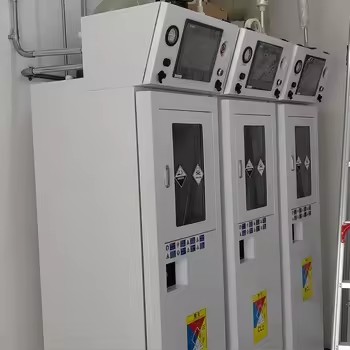
An Industrial Flammable Gas Storage Cabinet for Compressed Gas Cylinders is an important component of a comprehensive compressed-gas safety strategy. Proper cabinet design helps secure cylinders, organize hazardous gases, control ventilation, support gas detection, and facilitate safe connection to industrial gas delivery systems.
The most suitable cabinet depends on the gas characteristics, cylinder quantity, installation environment, ventilation strategy, required automation, and applicable safety regulations. For demanding applications such as semiconductor fabrication, chemical processing, laboratories, and advanced manufacturing, customized cabinets can provide significantly greater functionality than basic storage enclosures.
When selecting a supplier, buyers should look beyond cabinet appearance and evaluate structural design, cylinder restraint, ventilation, gas detection compatibility, material selection, control architecture, manufacturing quality, documentation, and after-sales technical support.
A well-engineered flammable gas storage cabinet is not simply a place to keep cylinders. It is a critical part of a controlled gas-handling environment designed to improve operational reliability and support safer industrial production.
For more about industrial flammable gas storage cabinet for compressed gas cylinders, you can pay a visit to Jewellok at https://www.specialtygasregulator.com/product-category/specialty-gas-cabinet/ for more info.
-
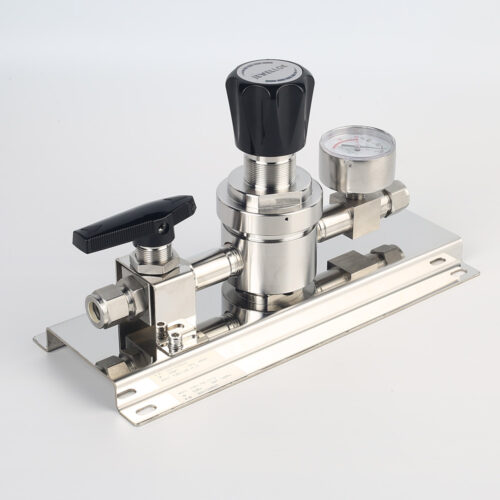
High Purity And Industria Gas Stick Assemblies Precise Pressure Control Gas Systems JSR-1ETG-BV Series
-
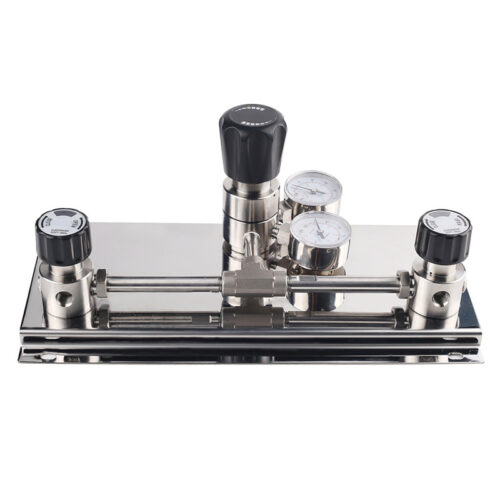
Semi Automatic Oxygen Nitrogen Helium Argon Gas Changeover Manifold Manual Gas Changeover Manifold Panel For Gas Cylinders
-
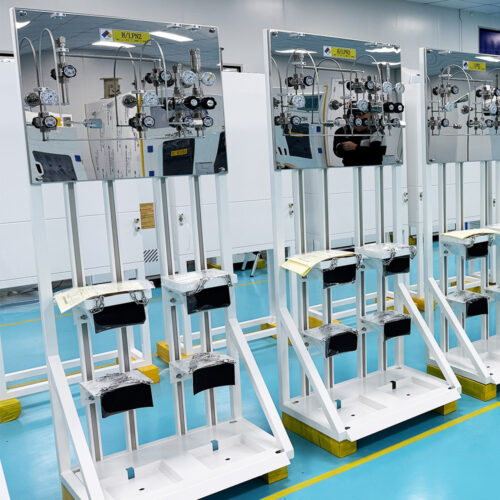
Fully Automated Gas Cabinet for Safe Ultra High Purity Specialty Gas Delivery in Semiconductor Manufacturing
-
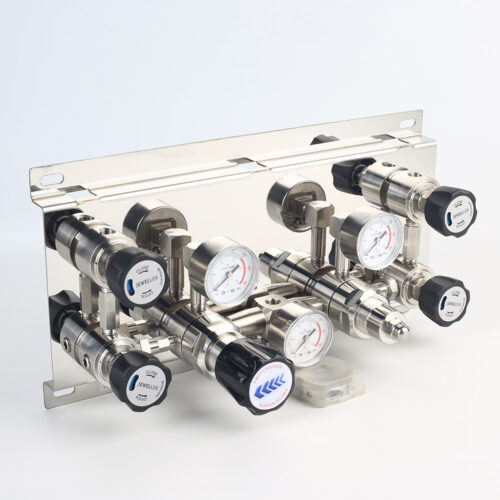
Pressure Control Panels For High Purity Gas Control System JSP-3AE Series From Pressure Control Panels Suppliers And Manufacturer
-
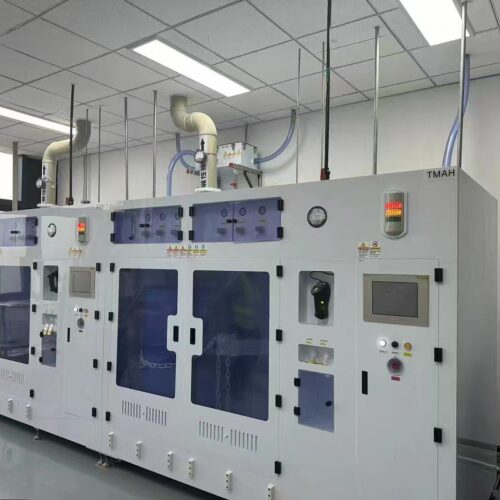
Automated Bulk Chemical Delivery System with Ultra High Purity CDU for Precise Industrial Fluid Control
-
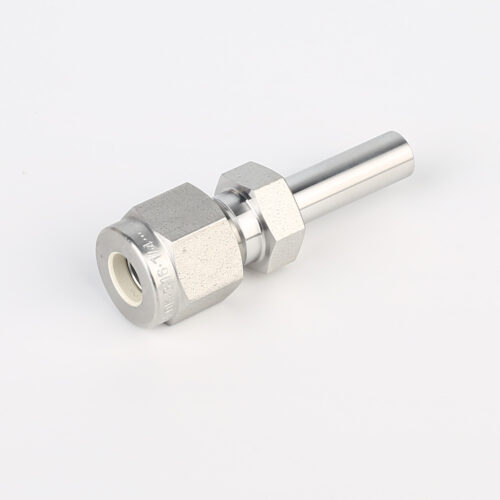
767LT Reducer Pressure Reducing Valve Adjustment High purity Pressure Reducing Union Fittings And Tubing
-
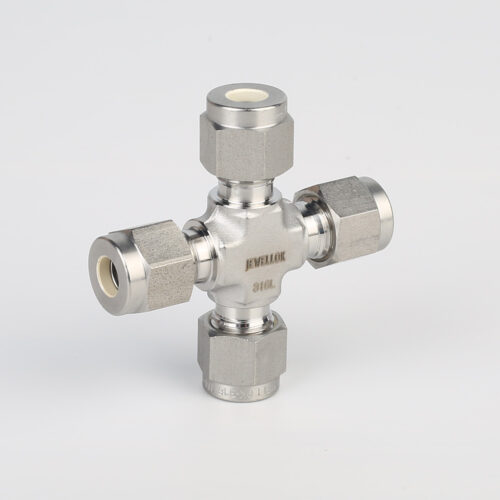
7102L Stainless Steel 316L SS Union Cross Ultra High Purity Long Arm Union Elbow Tee Cross Butt Weld Fittings
-
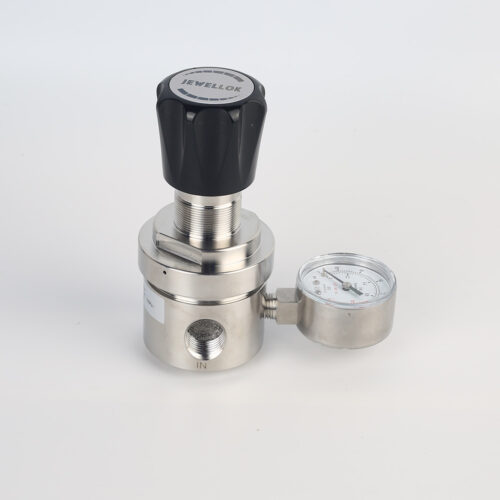
Line And Panel Mounting Adjustable Low Pressure Propane And Nitrogen Pressure Regulator JSR-3L & JSR-3LP Series