
Regulator Manufacturer Tel: +86 13380377051
Regulator Manufacturer Tel: +86 13380377051
What Is the Difference Between a Polypropylene Wet Scrubber and an FRP Scrubber?
Introduction
Industrial wet scrubbers are widely used in chemical processing plants, semiconductor manufacturing facilities, laboratories, pharmaceutical factories, metal processing industries, and other industrial environments to remove harmful gases, acidic fumes, and particulate contaminants from exhaust streams.
Among the various materials used to manufacture industrial wet scrubbers, polypropylene (PP) and fiber-reinforced plastic (FRP) are two popular choices. Both materials offer corrosion resistance, relatively low maintenance requirements, and flexibility in equipment design. However, they differ significantly in mechanical strength, temperature resistance, chemical compatibility, fabrication methods, structural performance, and overall project costs.
Choosing between a polypropylene wet scrubber and an FRP scrubber is not simply a matter of comparing material prices. The correct selection depends on the chemical composition of the exhaust gas, operating temperature, gas flow rate, installation environment, equipment dimensions, and long-term maintenance requirements.
For example, a PP wet scrubber may be an economical solution for treating many low-to-moderate-temperature corrosive exhaust streams, while an FRP scrubber may be more suitable for larger industrial installations requiring customized structural designs.
This article explains the differences between polypropylene wet scrubbers and FRP scrubbers, compares their technical characteristics, and provides practical guidance for selecting the right material for different industrial exhaust gas treatment applications.
1. What Is a Polypropylene Wet Scrubber?
A polypropylene wet scrubber is an exhaust gas treatment system manufactured primarily from polypropylene, a thermoplastic polymer known for its chemical resistance, relatively low density, and ease of fabrication.
PP wet scrubbers are commonly used to treat acidic and corrosive exhaust gases generated by chemical manufacturing, electroplating, laboratory operations, semiconductor production, and industrial cleaning processes.
The equipment typically consists of a PP tower body, liquid circulation tank, spray distribution system, packing bed, mist eliminator, circulation pump, and exhaust gas connections.
1.1 Working Principle
A polypropylene wet scrubber generally operates through gas-liquid contact and absorption.
Contaminated exhaust gas enters the scrubber and moves through the internal contact section. Meanwhile, a circulating liquid is sprayed over the packing or distributed through specially designed nozzles.
The packing creates a large contact surface between the gas and liquid phases, allowing soluble contaminants to transfer into the scrubbing solution.
When treating acidic gases, an alkaline solution such as sodium hydroxide (NaOH) may be used to neutralize pollutants.
For example, hydrogen chloride reacts with sodium hydroxide according to the following equation:
HCl + NaOH → NaCl + H₂O
After gas absorption and neutralization, the treated gas passes through a mist eliminator to remove entrained liquid droplets before being discharged through the exhaust outlet.
1.2 Key Characteristics of Polypropylene
Polypropylene offers several advantages for wet scrubber manufacturing:
- Good resistance to many acids and alkaline chemicals.
- Relatively low material weight.
- Good resistance to moisture and many corrosive environments.
- Easy thermoplastic welding and fabrication.
- Smooth internal surfaces that can facilitate cleaning.
- Generally lower initial material and fabrication costs than many specialized corrosion-resistant materials.
However, PP also has limitations. Its mechanical stiffness and temperature resistance are lower than those of many structural FRP systems. It may experience deformation under excessive heat or mechanical loading.
Therefore, PP scrubbers require careful consideration of operating temperature, tower dimensions, support structures, and equipment installation conditions.
2. What Is an FRP Wet Scrubber?
FRP stands for fiber-reinforced plastic, a composite material made by combining reinforcing fibers with a polymer resin matrix.
Common reinforcing materials include glass fiber, while resin systems may include vinyl ester, isophthalic polyester, or other specialized resins.
An FRP wet scrubber uses this composite structure to provide corrosion resistance and mechanical strength.
FRP scrubbers are widely applied in large industrial exhaust treatment systems, chemical plants, metal processing facilities, wastewater treatment plants, and other applications involving corrosive gases and liquids.
2.1 Working Principle
The operating principle of an FRP wet scrubber is fundamentally similar to that of a PP wet scrubber.
Contaminated gas enters the tower and contacts a circulating scrubbing liquid through spray nozzles or packed-bed internals.
The liquid absorbs or chemically neutralizes pollutants, while the treated gas passes through a mist eliminator before discharge.
The difference lies primarily in the construction material rather than the gas treatment mechanism.
FRP scrubbers can be manufactured with different internal configurations, including:
- Packed-bed absorption towers.
- Spray towers.
- Multi-stage wet scrubbers.
- Combined absorption and particulate removal systems.
- Customized chemical exhaust treatment towers.
2.2 Key Characteristics of FRP
The main characteristics of FRP include:
- High strength-to-weight ratio.
- Good corrosion resistance when the correct resin is selected.
- Greater structural design flexibility for large equipment.
- Good resistance to atmospheric moisture and many industrial environments.
- Ability to manufacture large customized tower structures.
- Potentially long service life under properly controlled operating conditions.
However, FRP performance depends heavily on fiber reinforcement, resin selection, laminate thickness, manufacturing quality, and chemical exposure.
Not all FRP materials have the same chemical resistance. For example, a polyester-based FRP system may not be suitable for an application that requires a properly selected vinyl ester resin.
3. Polypropylene Wet Scrubber vs. FRP Scrubber: Key Technical Differences
Although both materials are used in corrosive exhaust gas treatment systems, their engineering characteristics differ.
3.1 Chemical Resistance
Chemical resistance is one of the most important factors when selecting a wet scrubber material.
Polypropylene wet scrubber:
PP offers good resistance to many inorganic acids, alkalis, and aqueous chemical solutions. It is commonly used in applications involving hydrochloric acid fumes, alkaline scrubbing liquids, and various chemical exhaust streams.
However, compatibility depends on chemical concentration, temperature, exposure time, and the presence of mixed solvents or oxidizing chemicals.
FRP scrubber:
FRP chemical resistance depends primarily on the selected resin system and protective corrosion barrier.
Vinyl ester resin systems are frequently considered for demanding corrosive applications because they can provide resistance to a broader range of chemical environments than some general-purpose polyester systems.
The correct resin must be selected according to the actual process chemistry.
Which is better?
Neither material is universally superior. PP provides relatively predictable thermoplastic chemical resistance for many applications, while FRP offers greater flexibility through resin and laminate design.
A chemical compatibility assessment should always be completed before selecting either material.
3.2 Operating Temperature
Operating temperature is another major difference.
PP has a relatively low softening temperature compared with many structural FRP systems. Its allowable continuous operating temperature depends on the grade, applied stress, chemical exposure, wall thickness, and equipment design.
FRP can often be engineered for higher operating temperatures by selecting suitable resin systems and laminate structures.
However, the temperature rating of FRP must also consider resin heat distortion characteristics, chemical exposure, and mechanical loading.
For applications involving hot exhaust gases, thermal excursions, or significant temperature fluctuations, FRP may provide more design flexibility.
Nevertheless, the actual allowable operating temperature must be confirmed with the equipment manufacturer rather than relying on generic material ratings.
3.3 Mechanical Strength and Structural Stability
PP is relatively lightweight and easy to fabricate, but its stiffness and load-bearing capability are generally lower than those of properly designed FRP laminates.
For large-diameter scrubber towers, high wind loads, external piping loads, and other structural requirements, PP equipment may require additional reinforcement and support structures.
FRP combines reinforcing fibers with resin to provide high structural strength while maintaining relatively low weight.
This makes FRP attractive for large industrial towers and customized equipment.
However, FRP strength is directional and depends on fiber orientation, laminate thickness, manufacturing methods, and support design.
Both materials require appropriate engineering calculations for wind loading, seismic loading where applicable, liquid weight, nozzle loads, and transportation conditions.
3.4 Equipment Weight
Weight influences transportation, installation, lifting equipment requirements, and foundation design.
PP scrubbers are relatively lightweight because polypropylene has a low material density.
This can reduce transportation and installation costs, particularly for smaller and medium-sized equipment.
FRP is also relatively lightweight compared with many metal construction materials. However, the final weight depends on laminate thickness, reinforcement content, structural design, and equipment dimensions.
For large towers, the weight difference between PP and FRP should be evaluated using actual equipment drawings rather than general material properties.
3.5 Fabrication and Customization
PP is a thermoplastic material that can be processed through extrusion welding, sheet welding, and other thermoplastic fabrication methods.
This makes it suitable for manufacturing:
- Small and medium-sized scrubber towers.
- Chemical storage tanks.
- Liquid circulation tanks.
- Ductwork and exhaust connections.
- Custom spray distribution systems.
FRP is manufactured through processes such as hand lay-up, filament winding, spray-up, and other composite fabrication techniques.
It offers considerable flexibility for producing large-diameter towers, customized shapes, integrated structural sections, and complex equipment configurations.
The choice of manufacturing method affects laminate quality, dimensional accuracy, mechanical strength, and production costs.
3.6 Maintenance and Service Life
Both PP and FRP scrubbers can provide long service life when correctly designed, manufactured, installed, and operated.
PP surfaces are relatively smooth and can be easier to clean in certain applications. Thermoplastic welding also allows certain components to be repaired or replaced using compatible procedures.
FRP scrubbers require inspection of the internal corrosion barrier, resin condition, laminate integrity, and potential signs of cracking, blistering, or delamination.
Mechanical damage to FRP may require specialized composite repair procedures.
Actual service life depends on chemical exposure, operating temperature, maintenance quality, and the mechanical condition of the equipment.
4. Comparison Table: PP Wet Scrubber vs. FRP Scrubber
The following table summarizes the main engineering differences.
| Comparison item | PP wet scrubber | FRP scrubber |
|---|---|---|
| Main material | Polypropylene thermoplastic | Fiber-reinforced polymer composite |
| Chemical resistance | Good for many acids and alkalis | Depends on resin and corrosion barrier |
| Temperature resistance | Generally lower | Can be engineered for higher temperatures |
| Mechanical strength | Moderate | High when properly designed |
| Structural stiffness | Relatively low | Generally higher |
| Equipment weight | Lightweight | Lightweight to moderate |
| Fabrication | Thermoplastic welding | Composite molding and lamination |
| Large tower applications | Requires careful reinforcement | Often suitable for large customized towers |
| Surface condition | Smooth thermoplastic surface | Depends on internal resin-rich layer |
| Maintenance | Relatively straightforward | Requires composite-specific inspection |
| Initial investment | Often economical | Depends on resin and structural design |
| Typical applications | Chemical exhaust and laboratory scrubbers | Large industrial exhaust treatment systems |
The comparison represents general engineering characteristics. Actual performance depends on equipment design, material grade, manufacturing quality, and operating conditions.
5. Which Applications Are Better Suited to PP Wet Scrubbers?
Polypropylene wet scrubbers are particularly suitable for applications requiring good corrosion resistance, lightweight construction, and economical equipment manufacturing.
5.1 Laboratory Exhaust Gas Treatment
Laboratories often generate acidic fumes from chemical experiments, sample preparation, and analytical processes.
PP wet scrubbers are commonly used in laboratory exhaust treatment systems because they can provide suitable corrosion resistance for many aqueous acid and alkaline applications.
Their relatively lightweight construction also makes installation easier in certain building environments.
5.2 Semiconductor Manufacturing
Semiconductor manufacturing involves various corrosive process gases and chemical exhaust streams.
Applications may include the treatment of acidic exhaust generated by etching, cleaning, and other manufacturing processes.
PP may be suitable for selected low-temperature exhaust applications, provided the material is compatible with the actual chemical composition and operating conditions.
For highly aggressive gases, elevated temperatures, or complex mixed chemical streams, additional material evaluation may be necessary.
5.3 Chemical Processing Facilities
PP scrubbers can be used for treating compatible acid fumes from chemical storage, transfer, mixing, and production operations.
They are especially attractive when equipment size, operating temperature, and mechanical requirements fall within the material’s design limits.
6. Which Applications Are Better Suited to FRP Scrubbers?
FRP scrubbers are frequently selected for larger industrial installations where structural performance, customized dimensions, and resin-specific corrosion resistance are important.
6.1 Large Industrial Exhaust Treatment Systems
Industrial plants may generate substantial exhaust volumes requiring large-diameter absorption towers.
FRP offers engineering flexibility for manufacturing large towers with customized dimensions and structural reinforcement.
It can be used in chemical plants, metal processing facilities, and industrial ventilation systems.
6.2 High-Temperature Exhaust Applications
Where exhaust gas temperatures exceed the practical design limits of PP, appropriately engineered FRP may be a more suitable option.
However, the selected resin must be compatible with the chemical environment and operating temperature.
In some applications, gas cooling or quenching may still be required before the exhaust enters the scrubber.
6.3 Outdoor Industrial Installations
Outdoor scrubbers must withstand environmental exposure, wind loading, rain, and potential mechanical stresses.
FRP can provide good structural performance for large outdoor equipment when properly designed.
UV-resistant resin systems or suitable protective coatings may be necessary depending on the installation environment.
7. How to Choose Between a PP and FRP Wet Scrubber
Selecting the correct material requires evaluating the entire operating environment rather than focusing on only one technical parameter.
The following factors should be considered.
1. Exhaust gas composition
Identify all pollutants, including HCl, HF, SO₂, chlorine, and other corrosive substances. Consider possible chemical interactions and condensation products.
2. Operating temperature
Determine normal operating temperature, maximum temperature, startup conditions, and potential temperature fluctuations.
3. Chemical concentration
Evaluate the concentration of the scrubbing solution and the expected composition of the circulating liquid.
4. Gas flow rate
Calculate the required exhaust gas treatment capacity and determine the appropriate tower diameter and internal configuration.
5. Structural requirements
Consider tower height, diameter, wind loads, foundation conditions, transportation limitations, and installation location.
6. Maintenance requirements
Evaluate the availability of spare parts, local maintenance capabilities, inspection requirements, and expected cleaning frequency.
7. Total project cost
Compare not only the initial equipment price but also transportation, installation, operating costs, maintenance, and expected service life.
A lower initial investment does not necessarily mean a lower total cost of ownership.
8. Important Design Considerations for Both PP and FRP Wet Scrubbers
Regardless of the selected construction material, several engineering parameters determine the overall performance of a wet scrubber.
8.1 Gas-Liquid Contact Efficiency
The scrubber must provide sufficient contact between the exhaust gas and scrubbing liquid.
Packing type, packing height, gas velocity, liquid irrigation rate, and liquid distribution uniformity all influence mass-transfer performance.
8.2 Pressure Drop
Pressure drop affects exhaust fan energy consumption and overall system operating costs.
The scrubber should be designed to achieve the required pollutant removal efficiency without creating unnecessary resistance.
8.3 Liquid Circulation and Chemical Dosing
The circulation pump must provide sufficient flow and pressure to maintain effective liquid distribution.
For acid gas treatment, automatic pH monitoring and chemical dosing can help maintain suitable neutralization conditions.
8.4 Mist Elimination
Mist eliminators prevent liquid droplets from escaping with the treated exhaust gas.
Their design and maintenance are important for controlling liquid carryover and protecting downstream ducts and fans.
8.5 Corrosion Protection and Manufacturing Quality
For PP scrubbers, welding quality, sheet thickness, reinforcement, and connection integrity are critical.
For FRP scrubbers, resin selection, corrosion barrier thickness, fiber orientation, laminate quality, and curing conditions must be properly controlled.
A well-designed scrubber made from an unsuitable material may fail prematurely, while a correctly selected material with poor manufacturing quality may also create serious reliability problems.
Conclusion
Polypropylene wet scrubbers and FRP scrubbers are both widely used in industrial exhaust gas treatment, but they serve different engineering requirements.
PP wet scrubbers offer good chemical resistance for many acid and alkaline applications, lightweight construction, relatively simple fabrication, and economical initial investment. They are particularly suitable for many laboratory exhaust systems, chemical processing applications, and selected semiconductor exhaust treatment processes.
FRP scrubbers offer greater structural design flexibility, high strength-to-weight performance, and the ability to accommodate different resin systems for demanding industrial environments. They are often considered for large-diameter towers, customized industrial installations, and applications requiring additional structural performance.
There is no universally best material for every wet scrubber application. The final decision should be based on exhaust gas composition, chemical concentration, operating temperature, mechanical loading, equipment dimensions, and total lifecycle cost.
For industrial buyers and engineering contractors, working with an experienced wet scrubber manufacturer is essential. A professional manufacturer should evaluate the process conditions, recommend suitable PP or FRP construction, calculate the required gas treatment capacity, and provide appropriate material and structural specifications.
By selecting the right material and optimizing the scrubber design, industrial facilities can improve corrosion resistance, maintain stable gas absorption efficiency, reduce maintenance costs, and achieve reliable long-term exhaust gas treatment performance.
For more about what is the difference between a polypropylene wet scrubber and an FRP scrubber, you can pay a visit to Jewellok at https://www.specialtygasregulator.com/product-category/specialty-gas-cabinet/ for more info.
-
Stainless Steel High Purity High Temperature Pneumatic Actuated Ball Valves JBV2 Series
-
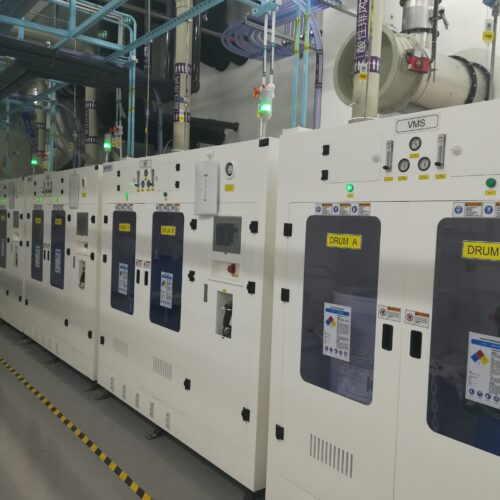
High Purity Liquid Chemical Delivery Systems Designed for Sub Micron Semiconductor Production
-
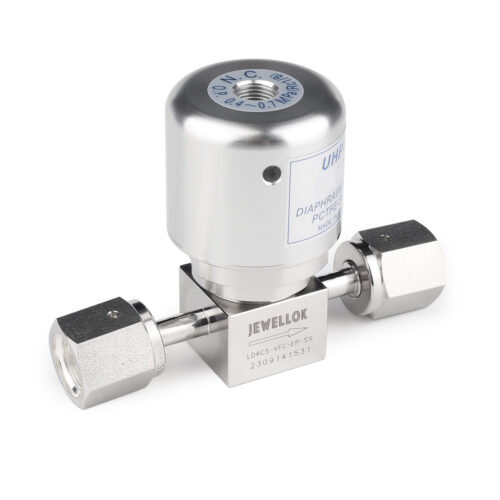
Stainless Steel Low Pressure Seal Pneumatic Diaphragm Control Valve For For HP & UHP Gases
-
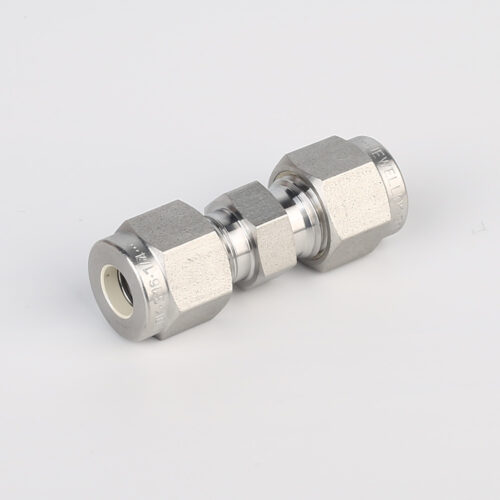
762L Stainless Steel High Purity Union High-Purity Gas System Fittings
-
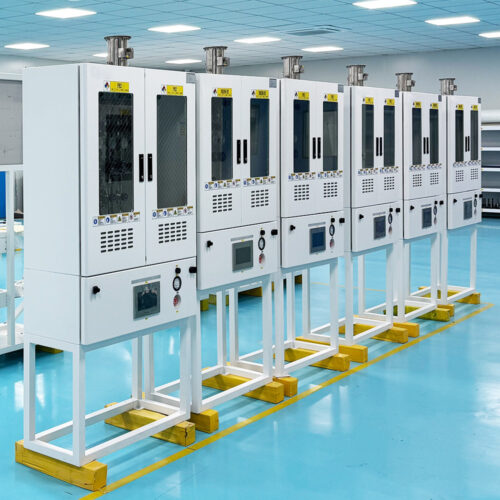
Precision Stainless Steel Valve Manifold Panel for Inert Gas Distribution in Cleanroom Manufacturing Environments
-
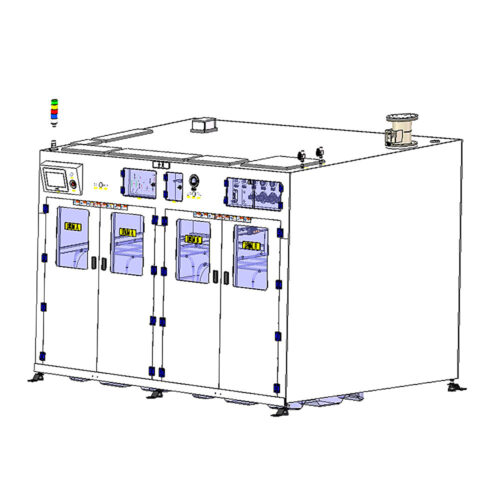
High Purity Chemical Dispense System & Packing System For Semiconductors JW-200L-CDM & JW-1000L-CDM
-
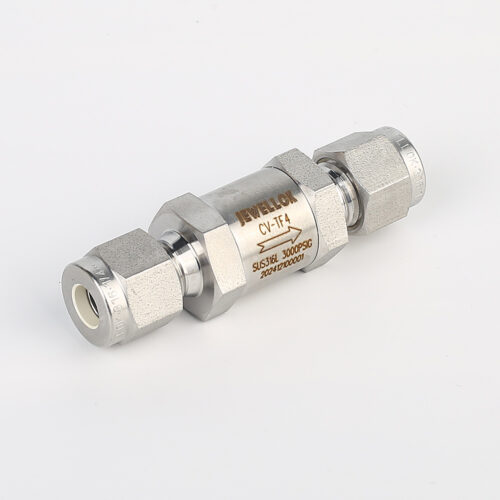
High Pressure High-Purity Welded Check Valves And Low Cracking Pressure Check Valve JCV1 Series
-
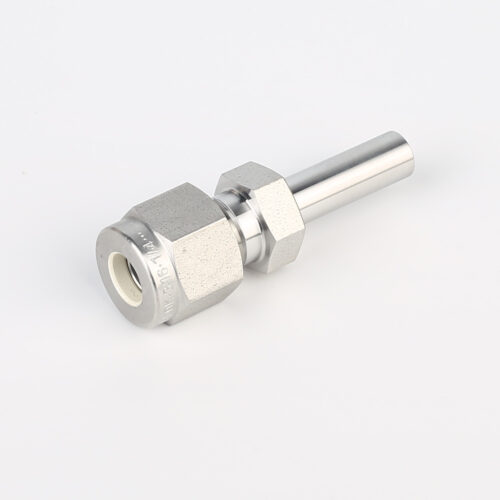
767LT Reducer Pressure Reducing Valve Adjustment High purity Pressure Reducing Union Fittings And Tubing