
Regulator Manufacturer Tel: +86 13380377051
Regulator Manufacturer Tel: +86 13380377051
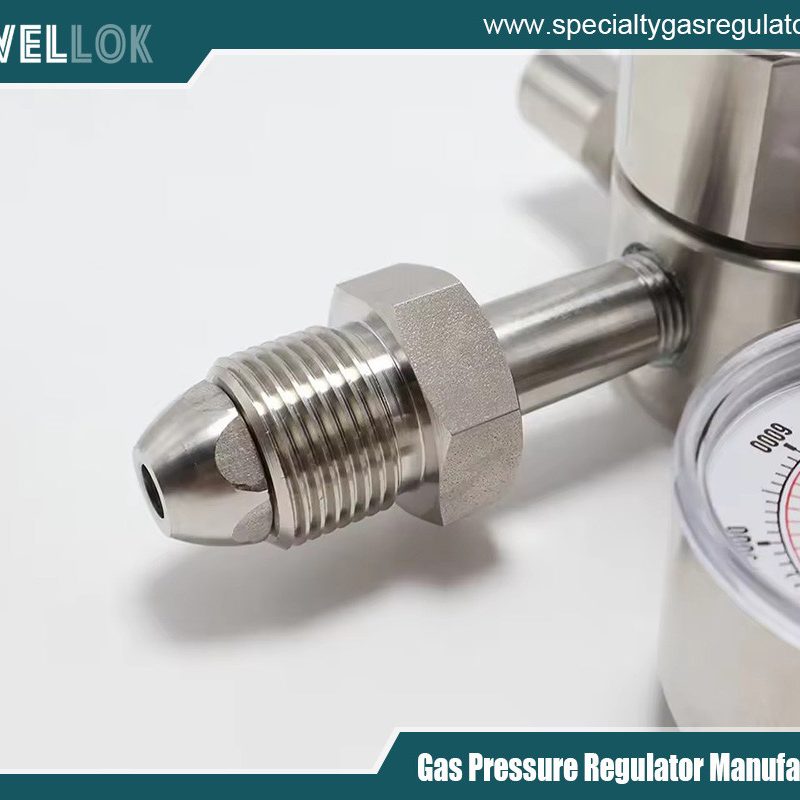
Difference Between Pressure Regulator and Pressure Reducing Valve
In fluid control systems, managing pressure is critical for ensuring safety, efficiency, and longevity of equipment. Two commonly used devices in this domain are the pressure regulator and the pressure reducing valve. At first glance, they may seem interchangeable since both aim to control or reduce pressure in pipelines or systems. However, they serve distinct roles based on the type of fluid they handle and the specific applications they are designed for.
A pressure regulator is typically employed in pneumatic systems to maintain a stable output pressure by reducing the inlet pressure from a compressor or source. It ensures consistent performance in tools and machinery that rely on compressed air or gases. On the other hand, a pressure reducing valve is more common in hydraulic systems, where it lowers the pressure of liquids like oil or water to protect downstream components from excessive force.
Understanding the differences between these devices is essential for engineers, technicians, and system designers. Misapplication can lead to inefficiencies, equipment damage, or safety hazards. This article explores their definitions, working principles, applications, and key distinctions, highlighting how their designs cater to gaseous versus liquid media. By the end, readers will grasp when to use each for optimal system performance.
What is a Pressure Regulator?
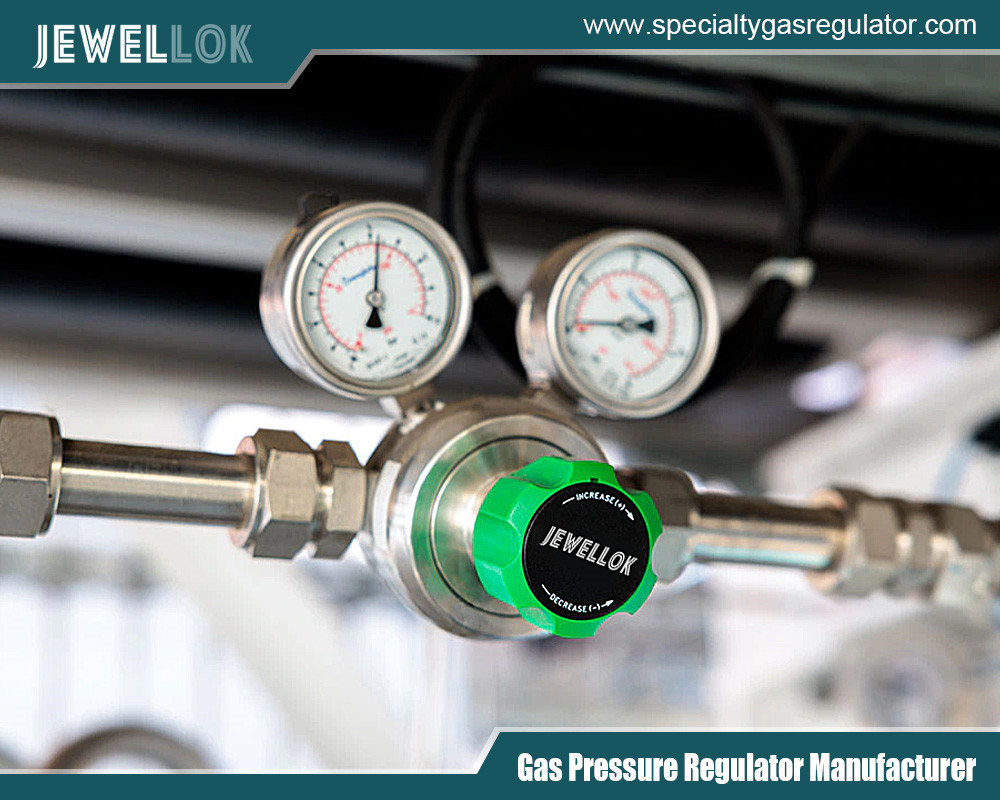
A pressure regulator is a control valve designed primarily for gaseous fluids in pneumatic systems. Its core function is to reduce high inlet pressure to a lower, stable outlet pressure, regardless of fluctuations in the supply or demand. This stability is achieved through a mechanical feedback mechanism that automatically adjusts the valve opening.
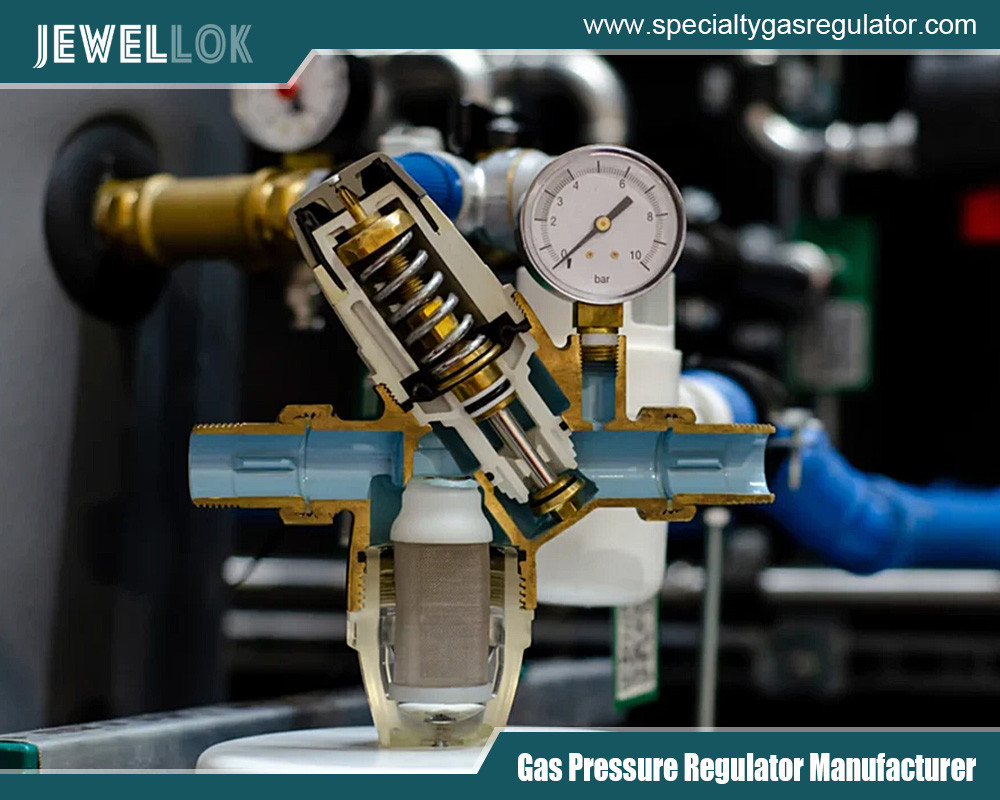
The basic components of a pressure regulator include a loading element (such as a spring), a sensing element (like a diaphragm or piston), and a restricting element (poppet or valve seat). When the inlet pressure enters, it acts against the diaphragm, which is balanced by the spring force. If the outlet pressure drops below the set point—due to increased downstream demand—the diaphragm moves to open the valve wider, allowing more gas to flow and restore the pressure. Conversely, if the outlet pressure rises, the diaphragm compresses the spring, closing the valve to reduce flow.
Pressure regulators come in various types. Single-stage regulators provide basic reduction for applications with stable inlet pressures, while two-stage regulators offer greater precision by performing reduction in two steps, minimizing droop (pressure drop under high flow). Relieving regulators incorporate a vent that releases excess pressure to the atmosphere if the outlet exceeds the setpoint, preventing buildup in non-flow conditions.
Applications of pressure regulators are widespread in industries like manufacturing, where they power pneumatic tools, control actuators in automation, and regulate gas supplies in laboratories. In HVAC systems, they maintain consistent air pressure for ventilation. Their design emphasizes precision for gases, where compressibility allows for easier control compared to incompressible liquids. Overall, pressure regulators enhance system reliability by providing consistent pressure, reducing energy waste from over-pressurization, and protecting sensitive components from surges.
What is a Pressure Reducing Valve?
A pressure reducing valve (PRV), also known as a pressure reducer, is a device used predominantly in hydraulic systems to lower the inlet pressure of liquids to a predetermined outlet level. Unlike regulators, which focus on gases, PRVs handle incompressible fluids such as water, oil, or chemicals, where pressure control must account for potential volume changes and higher forces.
The working principle of a PRV involves a direct or pilot-operated mechanism. In a direct-acting PRV, the inlet pressure acts on a diaphragm or piston opposed by a spring. When downstream pressure reaches the set value, the valve throttles the flow to maintain it, preventing overpressure in secondary circuits. Pilot-operated PRVs use a smaller pilot valve to control a larger main valve, offering better accuracy for high-flow or high-pressure applications. Many PRVs include a relieving function, which diverts excess fluid back to a reservoir or tank if downstream pressure builds up, such as from thermal expansion.
Types of PRVs vary by design: proportional PRVs adjust gradually for smooth control, while non-relieving ones trap fluid without release, suitable for hazardous liquids. Hydraulic PRVs often require an external drain line to handle bypassed fluid, ensuring the valve doesn’t lock up.
In applications, PRVs are vital in water distribution networks to reduce municipal supply pressure for residential use, preventing pipe bursts. In industrial hydraulics, they protect cylinders and motors in machinery like presses or injection molding equipment. They also appear in irrigation systems to maintain even water pressure across fields. The emphasis in PRVs is on durability against liquid forces, energy conservation by limiting pressure to necessary levels, and safety through overpressure relief.
Key Differences
While both devices reduce pressure, their distinctions lie in fluid compatibility, operational nuances, and symbolic representation in engineering diagrams.
First, the primary difference is the medium: pressure regulators are optimized for compressible gases in pneumatic setups, allowing for venting to atmosphere without significant loss. Pressure reducing valves target incompressible liquids in hydraulic systems, often requiring a return line to a tank to manage relieved fluid.
Symbolically, in P&ID (Piping and Instrumentation Diagrams), regulators are depicted with an outline arrowhead in the valve symbol, indicating gas flow. PRVs feature a filled arrowhead, denoting liquid handling. This visual cue helps engineers quickly identify the system type.
Functionally, regulators typically include a built-in relieving mechanism as standard, venting excess gas safely. PRVs may or may not be relieving; when they are, they direct fluid to a reservoir rather than venting, to avoid spills. Regulators suffer from “droop” under high flows, where outlet pressure drops, whereas PRVs are designed to minimize this in liquid circuits, often using pilot operation for stability.
In terms of pressure range, regulators handle lower pressures typical of pneumatics (up to 250 psi), while PRVs manage higher hydraulic pressures (up to 10,000 psi). Construction-wise, regulators use lighter materials like aluminum for portability, while PRVs employ robust steel or brass to withstand liquid abrasion and corrosion.
Applications further highlight differences: regulators in air tools and gas lines versus PRVs in oil circuits and water mains. Cost-wise, basic regulators are cheaper for simple pneumatic tasks, but high-end PRVs can be more expensive due to precision needs in hydraulics.
Similarities Between Pressure Regulator and Pressure Reducing Valve
Despite their differences, both devices share fundamental principles. They use spring-loaded mechanisms to balance forces and maintain set pressures. Both can be adjustable via screws or knobs to fine-tune the outlet. They prevent downstream overpressure, enhancing system safety and efficiency. In many contexts, the terms are used interchangeably, especially in general fluid control, where a PRV might be called a regulator in casual discussions.
Advantages and Disadvantages
Pressure regulators offer advantages like ease of installation in pneumatic lines and low maintenance due to gas’s forgiving nature. However, they can chatter at low flows and are less effective with liquids. PRVs excel in high-pressure hydraulic environments, providing robust protection, but require drain lines and are prone to clogging from contaminants.
Disadvantages include regulators’ sensitivity to inlet variations and PRVs’ higher complexity, which can increase failure points.
Conclusion
In summary, while pressure regulators and pressure reducing valves both manage pressure reduction, their specialization in gases versus liquids defines their use. Selecting the right one depends on the system’s fluid, pressure needs, and application. Proper understanding ensures reliable operations across industries.
For more about difference between pressure regulator and pressure reducing valve, you can pay a visit to Jewellok at https://www.specialtygasregulator.com/back-pressure-regulator-vs-pressure-reducing-regulator/ for more info.
-
7102L Stainless Steel 316L SS Union Cross Ultra High Purity Long Arm Union Elbow Tee Cross Butt Weld Fittings
-
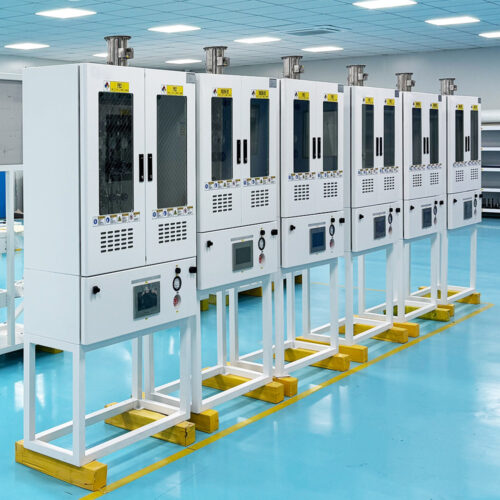
UHP Liquid Chemical Delivery Systems with Nitrogen Blanketing and Secondary Containment for Hazardous Industrial Chemical Processing
-
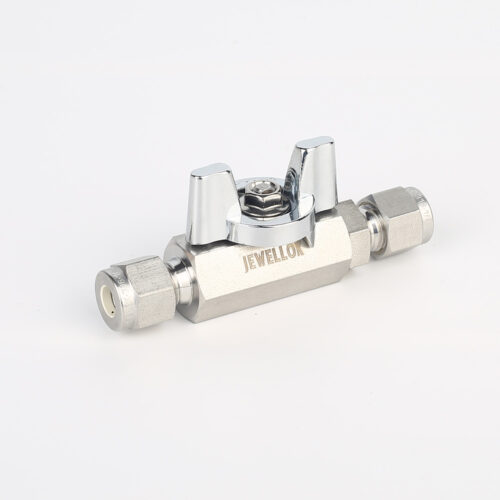
Stainless Steel High-Purity High Temperature Metal Seated Ball Valves JBV3 Series
-
Corrosion Resistant 316L Stainless Steel Exhaust Gas Scrubber System for Harsh Chemical Process Environments
-
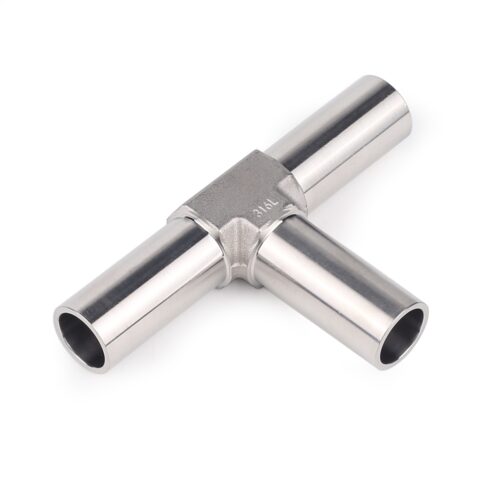
Stainless Steel Ultra Clean Welding Joint Fittings TW Series TRW Series & CW Series
-
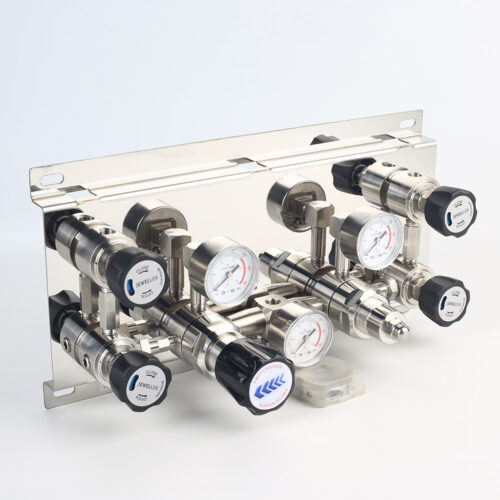
Pressure Control Panels For High Purity Gas Control System JSP-3AE Series From Pressure Control Panels Suppliers And Manufacturer
-
768L Stainless Steel Male Tube Butt Weld Connector | Clean Weld Fittings And Ultra-High Purity Fittings
-
High Purity High Flow Pressure Control Regulators & Valves Gas Stick Assemblies JSR-2TG Series