
Regulator Manufacturer Tel: +86 13380377051
Regulator Manufacturer Tel: +86 13380377051
Ensuring Uninterrupted Helium Supply with Auto Gas Changeover Manifolds
In critical applications ranging from magnetic resonance imaging (MRI) to semiconductor fabrication and advanced research, helium is an irreplaceable resource. Its unique properties, including inertness and ultra-low boiling point, make it essential, yet its supply chain is fragile, marked by scarcity and price volatility. Any interruption in helium supply can lead to catastrophic operational downtime, significant financial loss, and compromised safety. This article explores the pivotal role of automated gas changeover manifold systems in ensuring a continuous, reliable, and safe helium supply. We will delve into their operational principles, key components, benefits, and critical considerations for implementation, providing a technical blueprint for safeguarding helium-dependent operations.

- The Helium Imperative and the Continuity Challenge
Helium (He) is not merely another industrial gas; it is a non-renewable, strategic element. Extracted primarily from natural gas reserves, its global supply is geographically concentrated and subject to geopolitical and economic pressures. Beyond party balloons, its critical applications are numerous:
- Healthcare: Cooling the superconducting magnets in MRI scanners. A “quench” (loss of superconductivity) due to helium boil-off is a multi-million dollar emergency.
- High-Tech Manufacturing: Essential for creating inert atmospheres in fiber optic and semiconductor crystal growth (e.g., for silicon wafers), and as a carrier gas in chromatography.
- Analytical & Research: Used in gas chromatography (GC), gas chromatography-mass spectrometry (GC-MS), and as a cryogen in nuclear magnetic resonance (NMR) spectrometers and particle accelerators.
- Leak Detection: The industry standard for high-sensitivity leak testing due to its small atomic size.
The common thread across these applications is the demand for uninterrupted supply. A manual cylinder changeover introduces risk: human error, pressure fluctuations, and potential contamination from air ingress. For an MRI magnet, even brief exposure to air (containing oxygen and moisture) can degrade the superconducting coil. In a GC lab, a supply interruption can ruin long-running samples and require extensive system re-calibration.
This is where Auto Gas Changeover Manifolds transition from a convenience to a critical piece of infrastructure.
- System Architecture & Operational Principles
An auto changeover manifold is an intelligent system designed to automatically switch the gas supply from a primary (“in-use”) gas source to a secondary (“reserve”) source when the primary is depleted. For helium systems, these are typically configured for high-pressure cylinders (e.g., 200-300 bar) or liquid helium dewars with vaporizers.
2.1 Core Components:
- Dual Inlet Streams: Connected to the primary and secondary helium sources. Each inlet features a regulator to step down the high cylinder pressure to a consistent, usable system pressure (e.g., 10 bar).
- Pressure Transducers or Switches: The “brains” of the operation. These sensors continuously monitor the pressure in the primary supply line downstream of its regulator.
- Solenoid Valves: Electrically operated valves (normally open or normally closed) controlled by the system’s logic. They isolate or connect the primary and secondary supplies.
- Check Valves (Non-Return Valves): Crucial for preventing backflow of gas from the active supply into the depleted source or cross-contamination between the primary and secondary lines.
- Control Panel/Logic Controller: A solid-state or programmable logic controller (PLC) that receives signals from the pressure sensors. It is programmed with a changeover setpoint—a pressure threshold at which it initiates the switch.
- Alarm and Notification System: Visual (beacon lights) and audible alarms, plus increasingly common remote notifications (email, SMS, SNMP traps) to alert personnel of a changeover event and the need to replace the empty cylinder.
- Outlet Regulator & Purge Valve: Provides a final pressure adjustment to the end-use application. A manual purge valve is often included for system maintenance or purging after cylinder replacement.
2.2 The Changeover Sequence:
- Normal Operation: Helium flows from the primary cylinders, through its open solenoid valve, through the check valve, and to the application. The secondary solenoid valve is closed. The controller monitors the primary line pressure.
- Depletion Detection: As the primary cylinder empties, its pressure begins to drop. Once the pressure falls below the pre-defined changeover setpoint (carefully set above the minimum required inlet pressure for the application), the controller triggers an action.
- Automated Switch: The controller sends a signal to close the primary solenoid valve and simultaneously open the secondary solenoid valve. The check valves ensure flow only from the secondary source to the outlet. This transition occurs in milliseconds, maintaining system pressure without interruption.
- Alarm Activation: Immediately upon changeover, the system activates local alarms and sends remote alerts, signaling that the primary source is depleted and requires replacement.
- Cylinder Replacement & Reset: Personnel replace the empty primary cylinder. Once the new cylinder is connected, purged (if necessary), and its valve opened, the system pressure is restored. The manifold can then be manually or automatically reset, designating the fresh cylinder as the new primary or secondary source, depending on the system logic.
- Technical Advantages & Key Benefits
The implementation of an auto changeover system delivers profound operational, safety, and economic benefits.
- Zero Downtime & Process Integrity: The fundamental benefit. Analytical instruments continue running, MRI magnets remain stable, and manufacturing processes are unaffected by cylinder depletion. This protects sensitive experiments, production batches, and patient schedules.
- Enhanced Safety: By automating a routine but critical task, the system reduces the need for frequent manual handling of high-pressure cylinders, minimizing associated risks. It also prevents the dangerous situation of a system running to complete vacuum, which could draw in contaminants or air.
- Contamination Prevention: The fast, sealed switching action, combined with check valves, minimizes the risk of air or moisture back-diffusion into the gas lines, which is paramount for maintaining helium purity (often 99.999% or higher for Grade 5.0/5.5).
- Operational Efficiency & Labor Savings: Personnel are freed from constant pressure monitoring and urgent changeover tasks. Alerts allow for planned, efficient cylinder replacement during normal working hours rather than emergency call-outs.
- Pressure Stability & Data Quality: Eliminates the pressure dips and spikes associated with manual changeovers. For instruments like GC-MS, this ensures stable baseline signals and reproducible results.
- Supply Optimization: Facilitates the use of larger cylinder packs or liquid dewars as the primary source with cylinders as backup, optimizing delivery logistics and potentially improving gas cost per unit.
- Critical Design & Implementation Considerations
Designing and specifying a helium auto-changeover system requires careful attention to detail.
- Material Compatibility & Helium Integrity: All wetted materials (especially seals) must be compatible with high-pressure helium. Helium-specific seals (often made from materials like Kel-F/PCTFE) are mandatory, as standard elastomers can allow helium permeation, leading to slow leaks and purity loss.
- Purity Requirements: The manifold must be constructed of high-integrity, helium-leak-tight components (e.g., VCJ or face-seal fittings instead of tapered threads). For ultra-high purity (UHP) applications, the system should be electropolished, certified clean, and capable of being baked out.
- Changeover Setpoint Calibration: This is not arbitrary. It must be calculated based on the application’s minimum inlet pressure requirement, the regulator characteristics, and the pressure drop across the system. Setting it too low risks supply interruption; setting it too high wastes usable gas in the “heel” of the cylinder.
- Alarm Hierarchy & Integration: Systems should offer tiered alarms: a “pre-alarm” warning of impending depletion, a main “changeover alarm,” and a critical alarm if the secondary supply also falls low. Integration with Building Management Systems (BMS) or central monitoring platforms is a key feature for facility management.
- Fail-Safe Design: The system should default to a safe state in case of power loss (e.g., valves fail open or closed as per the application’s risk assessment). Redundant pressure sensors or a backup power supply may be warranted for mission-critical applications like MRI.
- Ventilation & Safety: Although helium is non-toxic, it is an asphyxiant. Manifolds, especially those in enclosed spaces, should be installed with adequate ventilation. Consider oxygen depletion monitors in the room.
- Advanced Configurations & Future Trends
Beyond the standard dual-supply system, more sophisticated configurations exist:
- Multi-Bank Manifolds: Using three or more banks of cylinders, with logic to rotate usage evenly, ensuring maximum gas extraction and extended supply between service visits.
- Liquid-to-Cylinder Backup: A primary supply from a large liquid helium dewar with evaporator, backed by a bank of high-pressure cylinders. This is common in large research facilities or hospitals with multiple MRIs.
- “Fully Automated” Gas Management: Integrating the manifold with inventory monitoring (via scale systems or pressure/flow algorithms) to automatically generate orders with gas suppliers, creating a truly hands-off supply chain.
- IoT & Predictive Analytics: Modern manifolds with digital connectivity can transmit performance data, allowing for predictive maintenance (e.g., detecting regulator drift) and deeper analysis of gas consumption patterns.
- Conclusion
In an era defined by the preciousness and indispensability of helium, leaving its supply to manual, intermittent processes is an untenable risk. Auto gas changeover manifolds represent a mature, robust, and intelligent engineering solution to the challenge of continuity. They are more than just plumbing; they are integrated safety and reliability systems that protect multimillion-dollar assets, ensure the integrity of sensitive processes, and optimize operational efficiency.
Investing in a properly specified, installed, and maintained auto-changeover system is not an optional extra for helium users—it is a fundamental component of responsible operational risk management. By guaranteeing that the gas is always on, these systems provide the uninterrupted foundation upon which critical healthcare, scientific, and industrial advancements reliably stand. As helium stewardship becomes increasingly paramount, the automated manifold stands as a first line of defense in preserving this valuable element and the vital work it enables.
For more about ensuring uninterrupted helium supply with auto gas changeover manifolds, you can pay a visit to Jewellok at https://www.specialtygasregulator.com/product-category/specialty-gas-cabinet/ for more info.
-
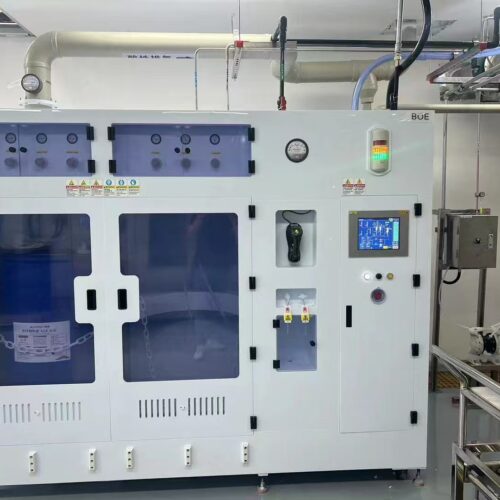
High Purity Bulk Chemical Delivery System and Automatic CDU for Advanced Semiconductor Manufacturing and Fabrication
-
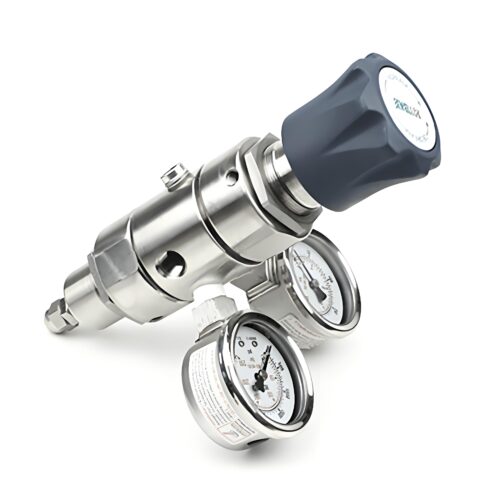
DPR1 Ultra High Purity Two Stage Dual Stage Pressure Reducing Regulator Semiconductor Grade Regulators
-
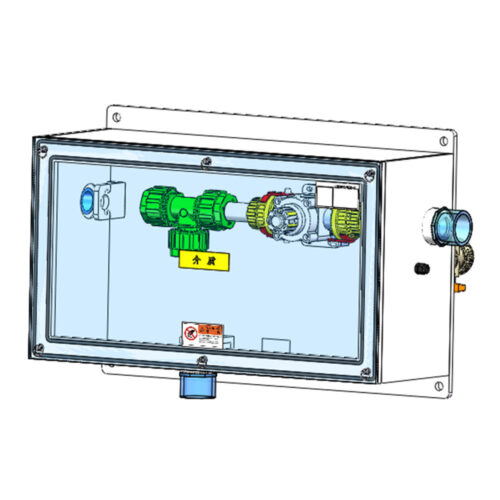
FT-BOX JW-FTB-C Valve Manifold Panels And Boxes With High Purity Configurable Systems
-
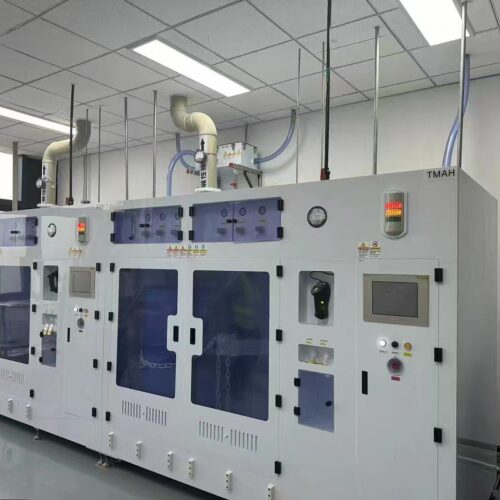
Automated Bulk Chemical Delivery System with Ultra High Purity CDU for Precise Industrial Fluid Control
-
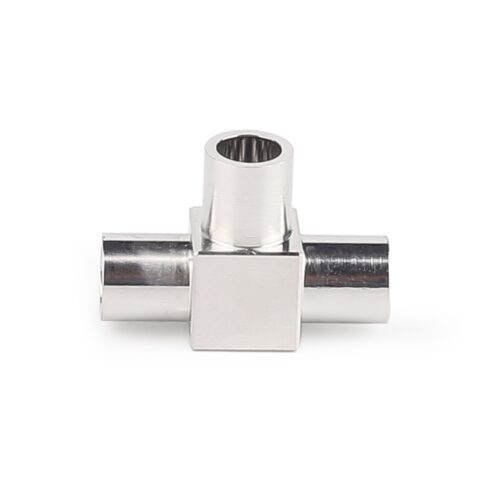
Stainless Steel Ultra High Purity Mini Butt Weld Mini Tee Reducer MTRW Series Fittings
-
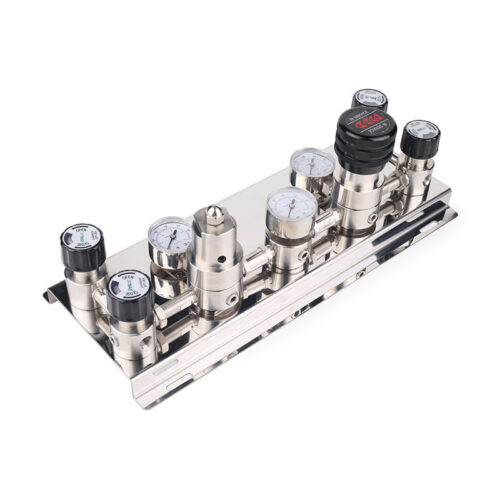
Stainless Steel High Pressure Specialty Gas Changeover Manifold For High Purity Oxygen Nitrogen Argon Helium Hydrogen Co2
-
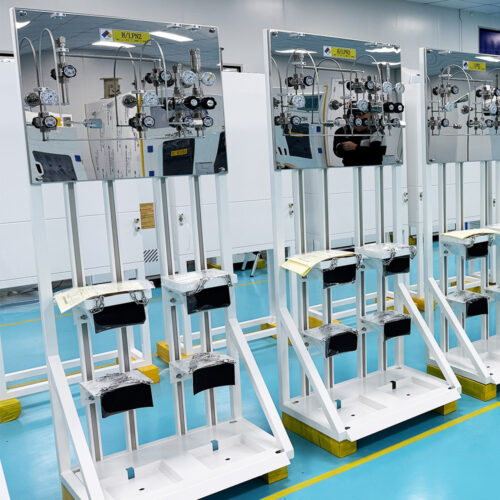
Manual Gas Rack High Purity Gas Delivery Systems JW-100-GR
-
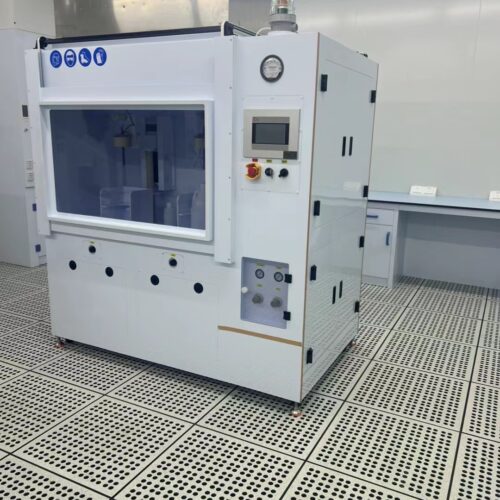
Custom VMB Valve Manifold Boxes for Enhanced Tool Isolation and Maximum Uptime in Complex Chemical Distribution Networks