
Regulator Manufacturer Tel: +86 13380377051
Regulator Manufacturer Tel: +86 13380377051
How to Choose a Suitable High-Pressure Special Gas Regulator: A Comprehensive Procurement Guide
In the demanding realms of semiconductor fabrication, aerospace testing, pharmaceutical research, and advanced chemical processing, the safe and precise handling of high-pressure special gases is not just an operational requirement—it is a fundamental pillar of safety, quality, and success. At the critical interface between a high-pressure gas source (often at 3,000 to 6,000 psi or more) and a sensitive process lies a single, vital component: the high-pressure special gas regulator. Selecting the wrong regulator can lead to catastrophic consequences, including toxic leaks, violent reactions, process contamination, or fatal equipment failure. Conversely, the right regulator ensures safety, purity, accuracy, and reliability.
This article serves as a comprehensive decision-making framework, guiding engineers, safety officers, and procurement specialists through the critical parameters for selecting a suitable high-pressure special gas regulator.
- Define the Application with Uncompromising Clarity
The selection process begins not with a product catalog, but with a detailed operational questionnaire.
- What is the exact process? Is it calibration of analytical instruments, supplying a chemical vapor deposition (CVD) reactor, fueling a test stand, or purging a high-pressure system? The stability, flow rate, and accuracy demands will vary dramatically.
- What is the system’s duty cycle? Will it be in continuous service, or used intermittently? Continuous service demands regulators with robust materials and designs that resist “fatigue creep.”
- What is the operating environment? Is it in a cleanroom, a corrosive fume hood, an outdoor setting, or a high-vibration test cell? Environmental factors dictate housing materials, filter needs, and mounting options.
- Identify and Classify the Gas: The Paramount Factor
The gas properties are the most critical determinant of regulator design. A regulator suitable for ultra-high-purity (UHP) argon will be dangerously inadequate for silane or hydrogen chloride.
- Gas Category: Precisely classify the gas. Common categories include:
- Inert & Noble Gases: UHP Nitrogen, Argon, Helium. Focus is on purity and minimal internal volume.
- Toxic Gases: Arsine, Phosphine, Chlorine. Demand absolute leak integrity, often with double containment (e.g., a diaphragm-sealed regulator inside a ventilated gas cabinet).
- Corrosive Gases: Hydrogen Chloride (HCl), Hydrogen Bromide (HBr), Tungsten Hexafluoride (WF₆). Require all-wetted parts made of exotic, corrosion-resistant alloys (Hastelloy C-276, Monel) with electropolished finishes.
- Pyrophoric Gases: Silane (SiH₄). Ignite spontaneously in air. Require specialized, leak-tight designs with dedicated safety protocols.
- High-Purity, Reactive Gases: High-purity Hydrogen, Oxygen, Ammonia. Hydrogen requires leak-preventative designs (left-hand threads in some regions are a historical safety feature); oxygen demands oil-free, contaminant-free (“oxygen service”) cleaning.
- Fluorinated Greenhouse Gases (F-Gases): Used in semiconductor etch; often have high global warming potential (GWP), requiring leak-tight designs for environmental compliance.
- Physical State: Is the gas a non-liquefying compressed gas (like helium) or a liquefied gas under pressure (like ammonia or CO₂)? For liquefied gases, the regulator must be designed to handle potential liquid slugging, which can cause pressure spikes and freeze-ups.
- Material Compatibility: The Foundation of Safety and Purity
The regulator’s internal materials must be wholly compatible with the gas to prevent corrosion, particle generation, and catastrophic failure.
- Body & Internal Components:
- Stainless Steel (316L): The standard for most high-purity and moderately corrosive applications. The “L” denotes low carbon, preventing “sensitization” and corrosion at welds.
- Hastelloy C-276 / Monel: Essential for highly corrosive halogens and acid gases. Hastelloy offers superior resistance to chlorides.
- Brass: Sometimes used for non-corrosive, non-specialty applications but is generally avoided for high-purity or corrosive special gases due to zinc leaching.
- Seals & Diaphragms: This is a potential failure point if mismatched.
- Elastomers (Viton®, Kalrez®, EPDM): Selected for specific gas compatibility and temperature ranges. Viton is common for hydrocarbons; Kalrez is used for aggressive chemistries.
- Metallic (Stainless Steel, Nickel): Used for diaphragm seals in ultra-high purity or highly reactive gas services, providing a hermetic barrier with zero permeability.
- PTFE (Teflon®): Excellent chemical inertness, used for seat materials and in some diaphragm designs.
- Surface Finish: For UHP applications, internal surfaces are electropolished (to a 10-15 Ra microinch or better) to create a smooth, passive surface that minimizes adsorption points for moisture and contaminants, and facilitates efficient purging.
- Pressure Ratings and Stages: Matching the Force
- Maximum Inlet Pressure (P1): This must exceed the highest possible source pressure. Standard high-pressure cylinders are at 2,200-2,600 psi, but some specialty and composite cylinders can be 3,000, 4,500, or even 6,000 psi. The regulator’s rated inlet pressure must be stamped and certified for this maximum.
- Outlet Pressure Range & Control (P2): Define the required delivery pressure and the level of control needed. Is it a fixed pressure or variable? High-pressure applications often require precise control at lower outlet pressures.
- Single vs. Two-Stage Regulation:
- Single-Stage: More economical, simpler. Output pressure will “droop” (decline) as the inlet pressure from the cylinder drops. Suitable for applications where a small pressure variation is acceptable.
- Two-Stage: Incorporates two regulating mechanisms in one housing. The first stage compensates for cylinder decay, providing a constant intermediate pressure to the second stage. This delivers a near-flat delivery pressure from full to empty cylinder. This is often essential for high-pressure special gas applications requiring process stability, such as in calibration or research.
- Flow Capacity (Cv) and Construction Type
- Flow Requirement: Calculate the required flow rate (in SCFH or SLPM) for your process. The regulator must have a Flow Coefficient (Cv) value sufficient to deliver this flow without causing a large, unstable pressure drop across the regulator. Undersizing causes instability; oversizing can make precise control at low flows difficult.
- Diaphragm vs. Piston Design:
- Diaphragm-Type: The preferred choice for specialty, toxic, and high-purity gases. The flexible diaphragm acts as a static, impermeable barrier between the process gas and the spring/ambient environment. It offers better sensitivity, lower internal volume (easier to purge), and if it fails, it typically fails to a safe state (stops flow).
- Piston-Type: Used for very high inlet pressures and high flow rates where robust construction is prioritized over ultra-high purity. Has dynamic seals which can wear and are less ideal for the most sensitive or hazardous gases.
- Safety Features: Non-Negotiable Protections
- Internal Pressure Relief Valve: A critical feature on the low-pressure (outlet) side. It protects downstream equipment if the regulator’s secondary seat fails, preventing dangerous over-pressurization.
- Rupture Disc (Burst Disc): A non-reclosing safety device on the high-pressure (inlet) side. It bursts at a pressure above the regulator’s rating but below the system’s weakest point, providing a final vent path in case of regulator body failure or fire.
- Filter: An integrated high-pressure particulate filter on the inlet protects the regulator’s delicate valve seats from contamination originating in the cylinder.
- Leak Integrity: For toxic and pyrophoric gases, specify regulators designed for helium leak-tight integrity (e.g., < 1 x 10⁻⁹ atm cc/sec). Designs may include welded diaphragm assemblies to eliminate potential leak paths.
- Connections and Certifications
- Inlet Connections: Must match the cylinder valve outlet. This is dictated by CGA (Compressed Gas Association) fittings in North America (e.g., CGA 350 for HCl, CGA 634 for Silane) or DIN/ISO fittings elsewhere. Using the correct, gas-specific fitting is a primary safety step to prevent dangerous cross-connections.
- Outlet Connections: Must be compatible with your system. For purity, metal-gasketed face seals are superior to tapered thread (NPT) connections.
- Certifications: The regulator must be certified for its intended pressure and service. Look for stamps/markings from ASME/ANSI, CE/PED (for Europe), and compliance with relevant industry standards (e.g., SEMI for semiconductor equipment).
- Supplier Reputation and Support
Choose a manufacturer or distributor with proven expertise in high-pressure special gas regulator handling.
- Do they provide detailed, gas-specific material compatibility charts?
- Can they supply documented traceability for materials and certifications?
- Do they offer technical support and validation services (like leak testing)?
- Is local expert service and parts availability accessible?
- Total Cost of Ownership (TCO) vs. Initial Price
The cheapest regulator is often the most expensive in the long run. Consider:
- Initial Cost vs. Lifecycle Cost: A high-quality regulator may last 10+ years with proper service, while a poor one may fail quickly, causing costly downtime or safety incidents.
- Service & Rebuild Kits: Availability and cost of maintenance parts.
- Process Yield Loss: The cost of a ruined semiconductor batch or inaccurate research data due to regulator instability or contamination is astronomical compared to the regulator’s price.
- Expert Consultation: The Final Step
Given the stakes, always consult with a qualified applications engineer from the regulator manufacturer or a specialized gas system integrator. Present them with your detailed application and gas data (Steps 1 & 2). Their expertise can validate your selection, suggest nuances you may have missed, and recommend specific models with proven performance in identical service.
Conclusion
Selecting a high-pressure special gas regulator is a systematic exercise in risk management and precision engineering. It moves far beyond commodity procurement into the domain of critical safety equipment specification. By rigorously defining the application, respecting the gas’s inherent hazards, demanding compatible materials and appropriate safety features, and valuing certified quality over initial cost, you secure more than just a piece of hardware.
You secure the integrity of your process, the safety of your personnel, the reliability of your data, and the protection of your capital investment. In the high-stakes world of special gases, the regulator is not a valve; it is the guardian at the gate. Choosing the right guardian is a fundamental responsibility for any organization operating at the forefront of technology and science.
For more about how to choose a suitable high-pressure special gas regulator: a comprehensive procurement guide, you can pay a visit to Jewellok at https://www.specialtygasregulator.com/about/ for more info.
-
High Pressure High-Purity Welded Check Valves And Low Cracking Pressure Check Valve JCV1 Series
-
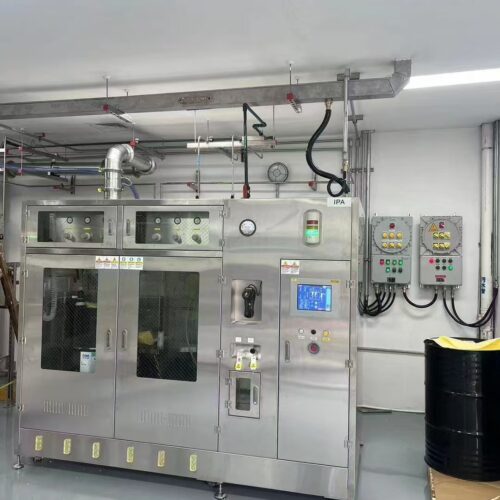
Ultra High Purity CDS Solutions Featuring 316L Electropolished Stainless Steel for Superior Chemical Integrity and Safety
-
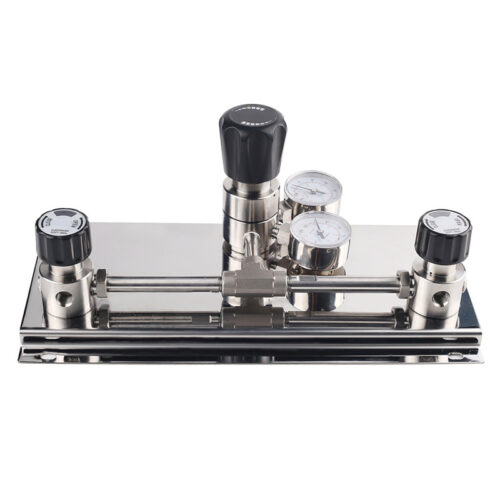
Semi Automatic Oxygen Nitrogen Helium Argon Gas Changeover Manifold Manual Gas Changeover Manifold Panel For Gas Cylinders
-
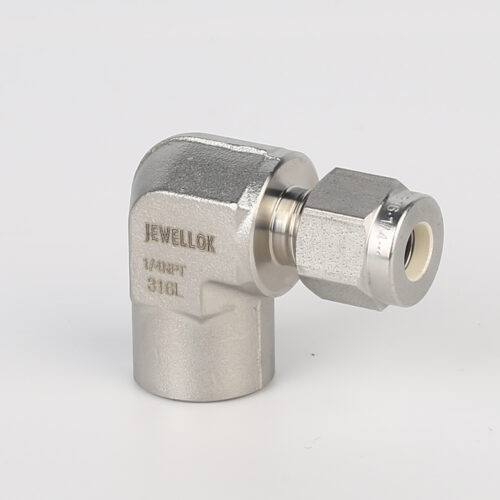
770L Female Elbow | Stainless Steel High Purity Weld Fittings Female Micro Elbow Fittings
-
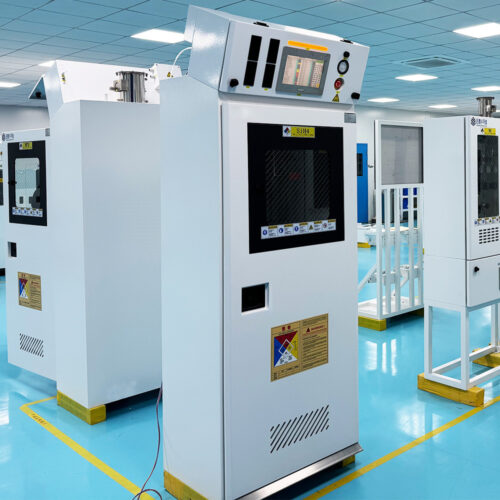
High Purity Bulk Specialty Gas Pressure Control And Filtration Bulk Gas Skid Systems JW-300-BSGS
-
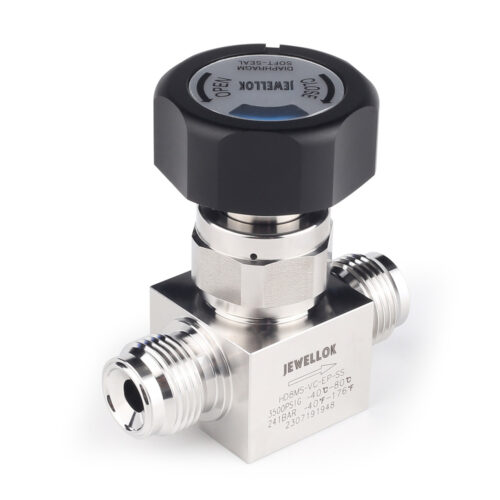
Stainless Steel Ultra High Purity (UHP) High Pressure Manual Diaphragm Valve
-
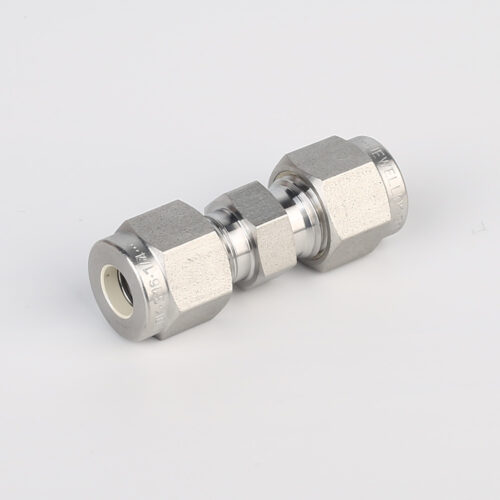
762L Stainless Steel High Purity Union High-Purity Gas System Fittings
-
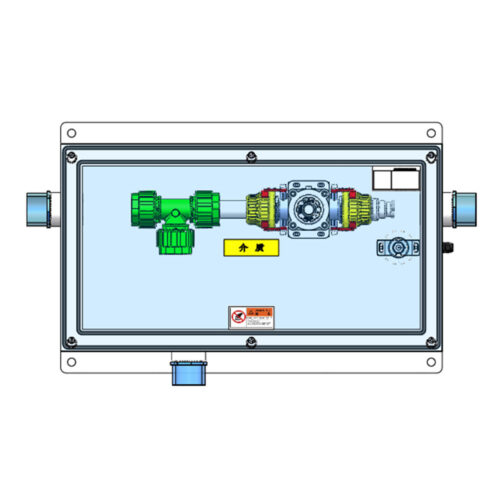
T-BOX JW-TB-C Special Gas Delivery System Gas Valve Manifold Boxes