
Regulator Manufacturer Tel: +86 13380377051
Regulator Manufacturer Tel: +86 13380377051
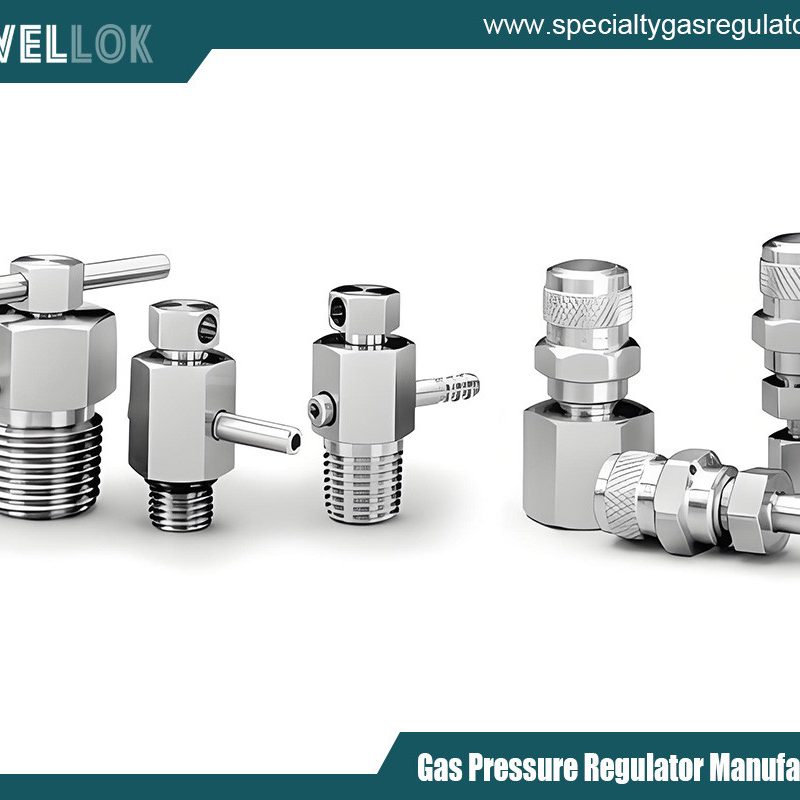
How to Troubleshoot Common Gas Cylinder Manifold System Problems
Gas cylinder manifold systems are the unsung heroes of many industrial, medical, and laboratory environments. They provide a continuous, reliable supply of gases like oxygen, nitrogen, argon, or specialty gases by linking multiple cylinders together. When functioning correctly, they ensure operational continuity and safety. However, like any complex mechanical system, manifolds are prone to specific failures that can disrupt workflows and, in worst-case scenarios, create hazardous conditions. Effective troubleshooting is not just a matter of convenience but a critical component of operational safety and efficiency.
This article provides a structured, practical guide to diagnosing and resolving the most common problems encountered with gas cylinder manifold systems. We will cover issues ranging from leaks and pressure irregularities to valve failures and contamination, offering step-by-step troubleshooting methodologies, essential safety protocols, and preventative maintenance strategies.
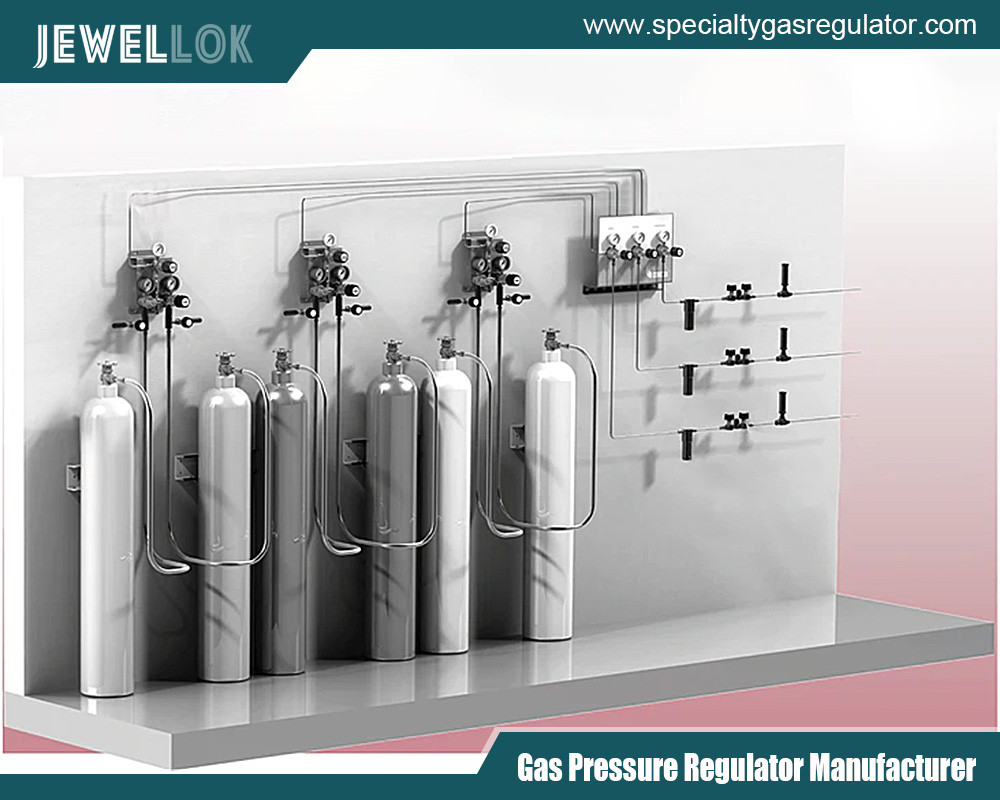
Section 1: Safety First – The Non-Negotiable Foundation
Before touching a single valve or gauge, safety must be the paramount concern.
- Personal Protective Equipment (PPE): Always wear appropriate PPE. This minimally includes safety glasses, gloves, and, depending on the gas, flame-resistant clothing or other specialized gear.
- Ventilation: Ensure the area is well-ventilated, especially when dealing with inert gases (which can cause asphyxiation) or flammable gases.
- Knowledge of the Gas: Understand the specific hazards of the gas in the system: Is it oxidizing, flammable, inert, toxic, or corrosive? Have the relevant Safety Data Sheets (SDS) on hand.
- System Knowledge: Be thoroughly familiar with the system’s schematic (P&ID – Piping and Instrumentation Diagram). Know the location of all emergency shut-off valves (ESVs) and main supply valves.
- Depressurization: For many repairs, the system must be safely isolated and depressurized. Follow a lock-out/tag-out (LOTO) procedure.
- When in Doubt, Evacuate and Call a Professional: If you suspect a major leak (especially with toxic or flammable gas), cannot identify the source, or lack the tools and training, evacuate the area and contact a qualified technician or gas supplier immediately.
Section 2: Common Problem #1 – Gas Cylinder Manifold System Leaks
Leaks are the most frequent and potentially dangerous issue. They can lead to gas loss, pressure drops, environmental hazards, and, with certain gases, fire or toxicity risks.
Symptoms:
- Gradual or sudden drop in system pressure.
- Audible hissing sound (not always present, especially with small leaks).
- Increased cylinder changeover frequency without increased usage.
- For inert gases in confined spaces: dizziness or oxygen deficiency alarms.
- For flammable gases: smell (if odorized) or gas detector alarms.
Troubleshooting Procedure:
Step 1: Preliminary Checks & Isolation
- Verify that the downstream equipment (e.g., analyzers, reactors) is not consuming gas unexpectedly.
- Close the main supply valve from the manifold to the facility. If the high-pressure gauge on the manifold continues to drop, the leak is upstream (in the manifold itself). If it stabilizes, the leak is downstream in the distribution piping.
Step 2: Identifying the Leak Source (Upstream Manifold)
Use a non-corrosive, commercial leak detection solution (e.g., Snoop) or a soapy water solution. Never use a flame.
- Primary Suspects:
- Cylinder Connections (Pigtails): The flexible hoses connecting cylinders to the manifold header are common failure points. Check the nut connections at both the cylinder valve (CGA nut) and the manifold inlet. Bubbles will form at the leak site.
- Check/Valve Seats: The internal seals of the changeover valve or check valves can degrade.
- Pressure Regulator Diaphragms & Seals: Apply solution to the regulator vent hole and all seams.
- Gauge Connections: The small connections where pressure gauges screw into the manifold.
- Threaded Fittings & Welds: Inspect all joints in the header piping.
Step 3: Resolution
- For loose connections: Use the correct wrench to tighten the fitting. Do not over-tighten, as this can damage seals or threads. Follow manufacturer torque specifications if available.
- For damaged components: If the leak is from a valve stem, regulator body, or a cracked pigtail, the component must be replaced. Depressurize the line completely before attempting replacement.
- For seal degradation: O-rings, gland packings, and diaphragm seals wear out. Replace them with the correct, gas-compatible material (e.g., Viton for many applications, but check compatibility charts).
Section 3: Common Problem #2 – Pressure Irregularities
This includes no pressure, low pressure, or fluctuating pressure at the outlet.
Symptoms:
- Downstream equipment fails or operates erratically.
- Pressure gauge readings are unstable or below the set point.
Troubleshooting Procedure:
Step 1: Check Supply Source
- “Auto-Changeover” Manifolds: Ensure the primary bank is not empty. The system may have failed to switch to the reserve bank. Manually operate the changeover valve if necessary.
- “Semi-Automatic” Manifolds: Verify that the correct bank is open and that cylinders are not empty.
- Cylinder Pressure: Check the pressure gauges on the individual cylinder regulators (if present) or the bank high-pressure gauge. An empty cylinder is the simplest explanation.
Step 2: Diagnose Regulator Failure
The pressure regulator is a key component. Failure can present in several ways:
- Creep (Pressure Rise): Outlet pressure slowly increases with no downstream flow. This is a critical failure, often caused by a damaged main valve seat. The regulator must be replaced immediately.
- Droop (Pressure Drop): Outlet pressure falls below setpoint when flow is initiated. This can be normal for high flow rates but indicates a weak spring or undersized regulator if severe.
- No Output Pressure: The regulator is blocked, the inlet filter is clogged, or the diaphragm is ruptured. Try a gentle tap on the body (hammer-tap) to unstick a valve. If no success, replace.
- Erratic Fluctuations: Could indicate contamination (see Problem #4) or a faulty internal component.
Step 3: Check for Blockages
- Inspect inlet filters on regulators. Particulate from cylinders can clog them.
- Check solenoid valves (if used for automated control) to ensure they are receiving power and are open.
Section 4: Common Problem #3 – Valve Malfunctions
Valves are the control points of the manifold.
Symptoms:
- Inability to isolate a bank or cylinder.
- Leakage through a valve when in the closed position.
- Stiff or seized valve operation.
Troubleshooting Procedure:
Step 1: Identify the Faulty Valve
- Use the leak detection method described above to see if a valve is passing gas when closed.
- Listen for flow through a valve that should be shut.
Step 2: Common Valve Issues & Fixes
- Stem Leak: For packable valves (with a gland nut), a slight tightening of the packing nut may stop a stem leak. If it persists, the packing must be replaced during a depressurized maintenance window.
- Internal Seat Leak: If gas passes through the valve body when closed, the seat (often PTFE or another soft material) is damaged. The valve must be repaired or replaced.
- Seized Valve: Do not force it. Apply a penetrating lubricant approved for oxygen service (if applicable) and allow it to soak. Gentle tapping with a soft mallet may help. Forcing can break the stem. If it remains seized, the valve must be replaced.
Section 5: Common Problem #4 – Gas Contamination/Purity Issues
Critical in labs, semiconductor fabrication, and medical applications where gas purity is paramount.
Symptoms:
- Degraded performance of sensitive instruments (e.g., GC-MS, reactors).
- Unusual odors or colors.
- Particulate in filters or downstream equipment.
Troubleshooting Procedure:
Step 1: Trace the Contamination Source
Contamination can be introduced at several points:
- Cylinder Source: The most common source. Always use gases with the correct purity grade for your application.
- During Cylinder Change: The procedure can introduce air or moisture. Always purge the cylinder connection before opening the main cylinder valve. Use the “crack, purge, connect” method.
- Internal Manifold Contamination: Moisture, oil, or particulates from poor initial cleaning, a damaged component, or backflow from downstream.
- Materials of Construction: Incompatible materials (e.g., standard brass with high-purity ammonia) can degrade and contaminate the stream.
Step 2: Resolution and Prevention
- Install Additional Filtration: Use in-line particulate filters (0.01 micron) and, if needed, purifiers or dryers specific to the contaminant (e.g., moisture, oxygen).
- Improve Purging Procedures: Implement strict SOPs for cylinder changes, ensuring proper evacuation or purging of the connection point.
- System Passivation: For ultra-high purity systems, the entire manifold and piping may need to be cleaned and passivated to remove internal contaminants.
Section 6: Proactive Maintenance – The Best Form of Troubleshooting
A robust preventative maintenance (PM) schedule prevents most problems.
Daily/Operational Checks:
- Visual inspection for physical damage, corrosion, or frost (indicating a leak).
- Logging of pressure readings to track usage and identify slow leaks.
Weekly/Monthly Checks:
- Leak check all connections with detection fluid.
- Verify operation of changeover systems and alarms.
Annual/Bi-Annual Professional Service:
- Complete system leak test.
- Calibration of pressure gauges and regulators.
- Inspection and replacement of wear items: valve packings, regulator seats, diaphragms, and filters.
- Function test of all safety relief devices and solenoid valves.
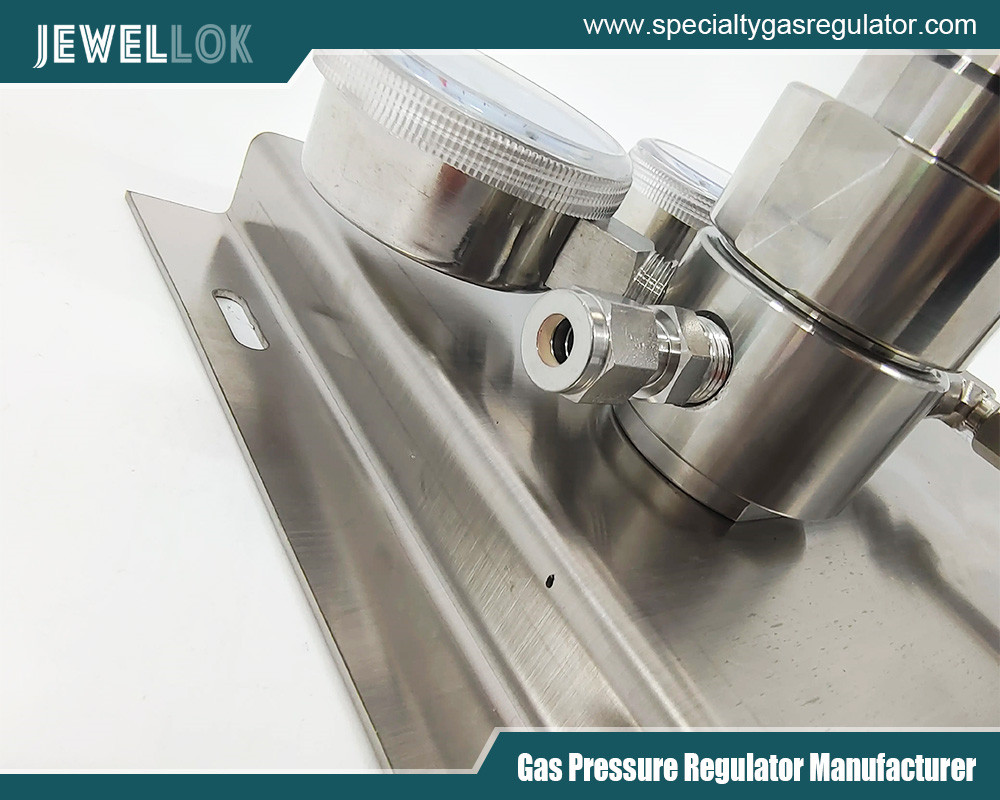
Conclusion
Troubleshooting a gas cylinder manifold system is a methodical process that blends systematic observation with a deep understanding of the system’s components. By starting with stringent safety protocols, you can then effectively diagnose the root cause of leaks, pressure issues, valve failures, and contamination. Remember, the goal of troubleshooting is not just to fix the immediate problem but to understand why it occurred, thereby preventing its recurrence.
The most powerful tool, however, is not the wrench or the leak detector, but a comprehensive and consistently executed preventative maintenance program. By investing in regular inspection, testing, and component replacement, you transform troubleshooting from a reactive emergency task into a minor, planned activity, ensuring the uninterrupted, safe, and reliable operation of your critical gas supply system.
For more about how to troubleshoot common gas cylinder manifold system problems, you can pay a visit to Jewellok at https://www.specialtygasregulator.com/product-category/specialty-gas-cabinet/ for more info.
-
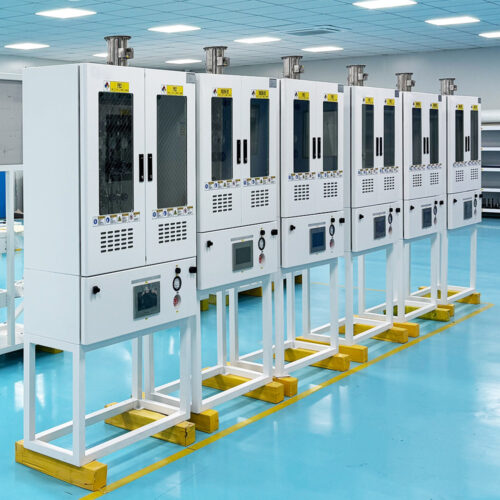
Automated Valve Manifold Box with Leak Detection for Toxic and Flammable Semiconductor Process Gases
-
Custom Wet and Dry Exhaust Gas Scrubber System Technology for Effective Acid Gas Neutralization
-
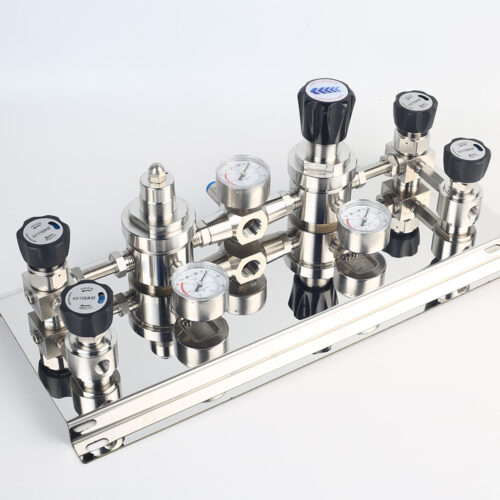
Stainless Steel Single Stage Semiconductor Grade Pressure Control Module Pressure Control Panels JSP-6A Series
-
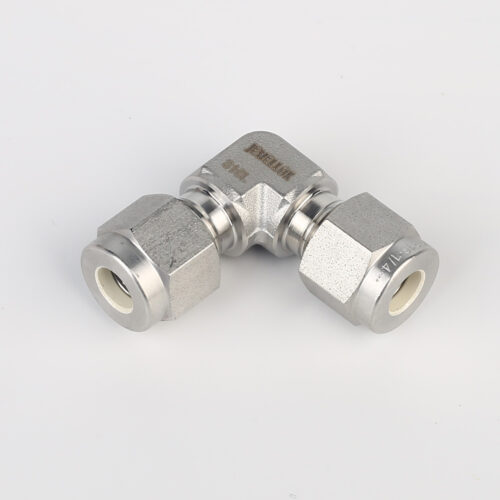
765L Stainless Steel Union Elbow Reducing High Purity Fitting Tubing Extension Tubing Connection
-
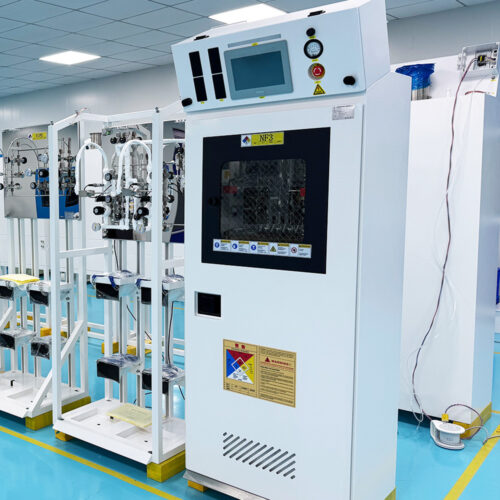
Semi Automatic Gas Cabinet Gas Panels High Purity Gas Delivery Systems JW-200-GC
-
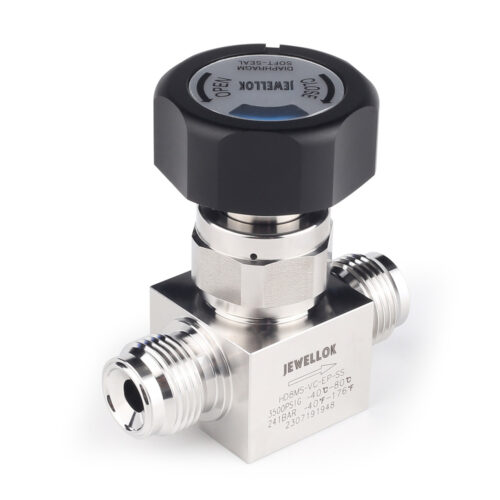
Stainless Steel Ultra High Purity (UHP) High Pressure Manual Diaphragm Valve
-
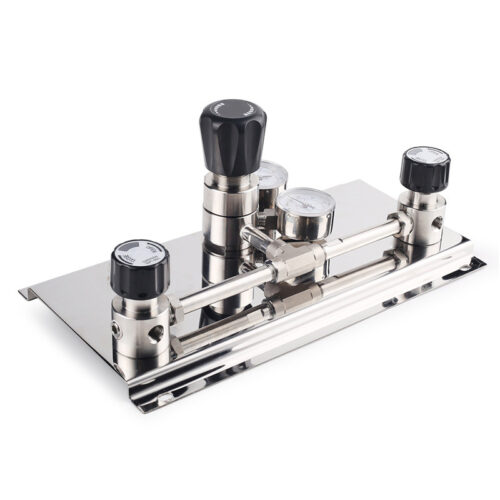
High Purity Semi-Auto Stainless Steel Changeover Manifold System, Nitrogen High Pressure Control Panel With Semiconductor Valve Manifold Box Diaphragm Valves
-
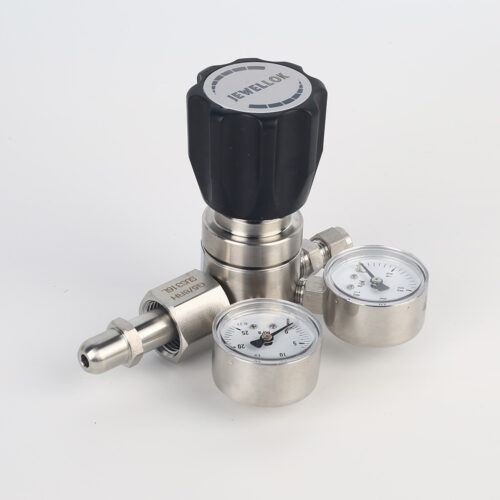
High Purity High Pressure Gas Cylinder Pressure Regulators Pressure Reducing Valve JSR-1E Series