
Regulator Manufacturer Tel: +86 13380377051
Regulator Manufacturer Tel: +86 13380377051
Key Applications of Ultra-High Purity Diaphragm Valves in the Pharmaceutical Industry
1. Introduction
In modern pharmaceutical manufacturing, process reliability, sterility, and contamination control are not optional requirements—they are fundamental regulatory obligations. From active pharmaceutical ingredient (API) synthesis to sterile injectable production and final filling operations, every fluid handling component must meet extremely strict hygiene and purity standards.
Among all fluid control components, the ultra-high purity (UHP) diaphragm valve plays a central role in ensuring contamination-free flow control. It is widely used in sterile process lines, purified water systems, clean steam networks, and high-purity chemical distribution systems.
This article provides a comprehensive technical overview of the structure, working principles, material selection, and critical applications of UHP diaphragm valves in pharmaceutical manufacturing.
2. What is an Ultra-High Purity Diaphragm Valve?
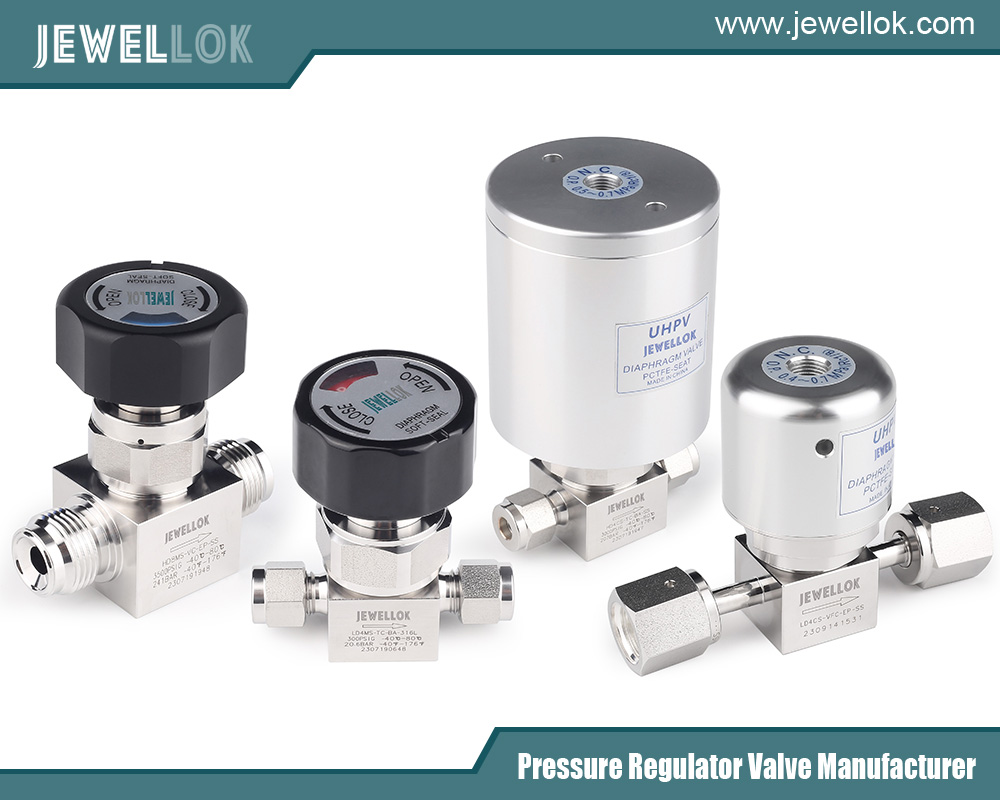
A diaphragm valve is a linear-motion valve that uses a flexible diaphragm to regulate flow. In ultra-high purity applications, the valve is specifically engineered to eliminate dead space, minimize particle generation, and ensure complete isolation between the process fluid and actuator mechanism.
2.1 Basic Structure
A typical UHP diaphragm valve consists of:
- Valve body (316L stainless steel or high-purity alloys)
- Flexible diaphragm (PTFE, EPDM, or advanced composite materials)
- Compressor / bonnet assembly
- Actuator (manual, pneumatic, or automated)
- Polished internal flow path
The diaphragm is the only wetted moving component, which significantly reduces contamination risk.
2.2 Working Principle
The valve operates by pressing the diaphragm downward onto a weir or seat inside the valve body:
- Open state: Diaphragm is lifted, allowing fluid flow.
- Closed state: Diaphragm is pressed against the seat, sealing the flow path.
This design ensures that the process fluid never contacts mechanical moving parts such as stems or springs.
3. Why Ultra-High Purity Matters in Pharmaceutical Systems
Pharmaceutical manufacturing requires strict compliance with standards such as:
- GMP (Good Manufacturing Practice)
- FDA regulations (21 CFR Part 210/211)
- ASME BPE (Bioprocessing Equipment standard)
- USP Class VI material requirements
Even microscopic contamination—particles, bacteria, metal ions, or extractables—can compromise product safety and lead to batch rejection.
UHP diaphragm valves are designed to address these risks by:
- Eliminating dead legs where bacteria can grow
- Ensuring smooth, crevice-free internal surfaces
- Preventing elastomer shedding into the process stream
- Supporting sterilization-in-place (SIP) and cleaning-in-place (CIP)
4. Key Material Selection for UHP Diaphragm Valves
Material selection is one of the most critical factors affecting valve performance in pharmaceutical systems.
4.1 Valve Body Materials
The most common materials include:
- 316L stainless steel
- Excellent corrosion resistance
- Low carbon content reduces carbide precipitation
- Suitable for WFI (Water for Injection) systems
- Electropolished stainless steel
- Surface roughness typically Ra ≤ 0.25 μm
- Reduces microbial adhesion
- Improves cleanability
4.2 Diaphragm Materials
The diaphragm must provide chemical resistance, flexibility, and long cycle life:
- PTFE (Polytetrafluoroethylene)
- High chemical inertness
- Ideal for aggressive solvents and acids
- Limited elasticity, often reinforced with EPDM backing
- EPDM (Ethylene Propylene Diene Monomer)
- Excellent steam and water resistance
- Common in sterile water systems
- High flexibility and fatigue resistance
- PTFE/EPDM composite diaphragms
- Combine chemical resistance with elasticity
- Widely used in critical pharmaceutical processes
5. Surface Finish and Cleanliness Requirements
Surface finish directly impacts microbial adhesion and cleaning efficiency.
Typical pharmaceutical requirements include:
- Internal surface roughness: Ra ≤ 0.5 μm (standard), Ra ≤ 0.25 μm (high purity systems)
- Electropolishing for improved corrosion resistance
- Passivation treatment to remove free iron
- Cleanroom assembly and packaging
A smoother surface reduces biofilm formation and enhances CIP/SIP performance.
6. Critical Applications in Pharmaceutical Industry
6.1 Water for Injection (WFI) Systems
WFI is one of the most critical utilities in pharmaceutical production. UHP diaphragm valves are used in:
- Distribution loops
- Storage tank outlet lines
- Recirculation systems
Key requirements include zero contamination risk and full sterilization capability.
6.2 Clean Steam Systems
Clean steam is used for sterilizing equipment and pipelines. Diaphragm valves must withstand:
- High temperature (121–135°C during sterilization cycles)
- Frequent thermal cycling
- Pressure fluctuations
EPDM-based diaphragms are commonly used due to their excellent steam resistance.
6.3 Sterile Processing Lines
In sterile drug manufacturing, diaphragm valves control:
- Buffer solutions
- Culture media
- Active pharmaceutical intermediates
Their zero-dead-leg design helps prevent microbial growth, which is critical in aseptic environments.
6.4 Biopharmaceutical Production
In biologics production (such as monoclonal antibodies, vaccines, and recombinant proteins), UHP diaphragm valves are essential in:
- Fermentation feed systems
- Chromatography buffer distribution
- Cell culture media transfer
They ensure gentle handling of sensitive biological materials while maintaining sterility.
6.5 CIP and SIP Systems
Clean-in-Place (CIP) and Sterilization-in-Place (SIP) systems rely heavily on diaphragm valves.
Functions include:
- Routing cleaning chemicals (NaOH, acids)
- Controlling hot water and steam flow
- Isolating sections of process lines
The valve must withstand repeated chemical and thermal cycles without degradation.
7. Advantages of UHP Diaphragm Valves in Pharmaceutical Applications
7.1 Zero Leakage and High Sealing Integrity
The diaphragm provides a tight seal, reducing the risk of cross-contamination and product loss.
7.2 No Dead Space Design
The internal geometry eliminates stagnant zones where bacteria or residues could accumulate.
7.3 High Sterility Assurance
Compatible with SIP and autoclave sterilization methods, ensuring compliance with aseptic processing requirements.
7.4 Easy Maintenance
The diaphragm is the only replaceable wetted part, making maintenance simple and cost-effective.
7.5 High Chemical Compatibility
Suitable for acids, bases, solvents, and high-purity water systems.
8. Engineering Design Considerations
8.1 Flow Path Optimization
Engineers design valve bodies with smooth transitions to:
- Reduce turbulence
- Minimize pressure drop
- Improve cleaning efficiency
8.2 Pressure and Temperature Ratings
Typical pharmaceutical diaphragm valves support:
- Pressure: up to 10–16 bar (depending on design)
- Temperature: up to 150°C (with EPDM diaphragms)
8.3 Actuation Systems
Valves can be operated via:
- Manual handwheel (lab-scale systems)
- Pneumatic actuators (industrial production)
- Automated control systems (PLC integration)
Automation is increasingly important for Industry 4.0 pharmaceutical plants.
9. Regulatory Compliance and Validation
Pharmaceutical equipment must undergo rigorous validation:
- IQ (Installation Qualification)
- OQ (Operational Qualification)
- PQ (Performance Qualification)
UHP diaphragm valves must also provide:
- Material certificates (3.1B certification)
- Surface roughness reports
- USP Class VI compliance
- FDA-compliant elastomer documentation
Traceability is essential throughout the supply chain.
10. Common Challenges and Solutions
10.1 Diaphragm Fatigue
Repeated cycling can cause diaphragm wear. Solution:
- Use reinforced PTFE/EPDM composites
- Implement preventive maintenance schedules
10.2 Chemical Compatibility Issues
Strong oxidizing agents may degrade elastomers. Solution:
- Select chemically resistant PTFE diaphragms
- Validate compatibility before process design
10.3 Particle Generation
Poor-quality machining can introduce particles. Solution:
- Electropolished internal surfaces
- Cleanroom manufacturing and assembly
11. Future Trends in UHP Diaphragm Valve Technology
The pharmaceutical industry is evolving rapidly, and diaphragm valve technology is advancing accordingly.
11.1 Smart Valve Integration
Future systems will integrate:
- Position sensors
- Flow monitoring
- Predictive maintenance analytics
11.2 Advanced Materials
New diaphragm materials are being developed with:
- Higher fatigue resistance
- Improved chemical stability
- Reduced extractables and leachables
11.3 Fully Automated Bioprocessing
As continuous manufacturing grows, diaphragm valves will play a key role in fully automated, closed-loop pharmaceutical production systems.
12. Conclusion
Ultra-high purity diaphragm valves are indispensable components in modern pharmaceutical manufacturing. Their unique design—featuring zero-dead space, high sterility assurance, and excellent chemical compatibility—makes them ideal for critical applications such as WFI systems, clean steam distribution, sterile processing, and biopharmaceutical production.
As regulatory standards become increasingly strict and production processes more automated, the importance of high-performance UHP diaphragm valves will continue to grow. Manufacturers that invest in advanced valve technology will benefit from improved product quality, higher process efficiency, and stronger compliance with global pharmaceutical standards.
For more about key applications of ultra-high purity diaphragm valves in the pharmaceutical industry, you can pay a visit to Jewellok at https://www.specialtygasregulator.com/product-category/specialty-gas-cabinet/ for more info.
-
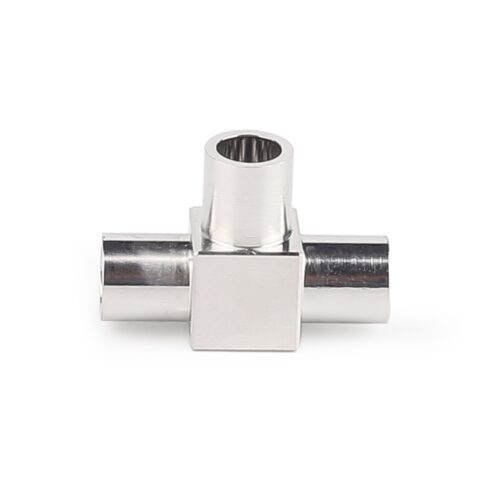
Stainless Steel Ultra High Purity Mini Butt Weld Mini Tee Reducer MTRW Series Fittings
-
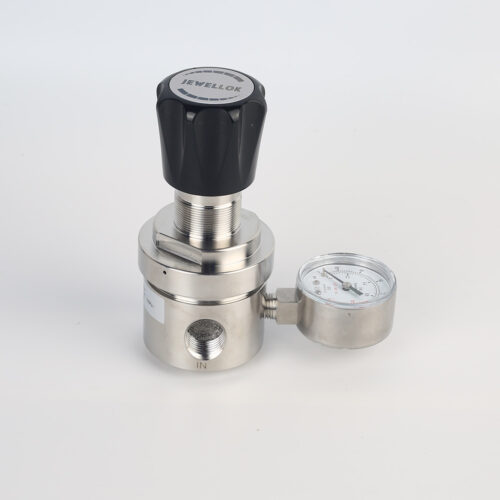
Line And Panel Mounting Adjustable Low Pressure Propane And Nitrogen Pressure Regulator JSR-3L & JSR-3LP Series
-
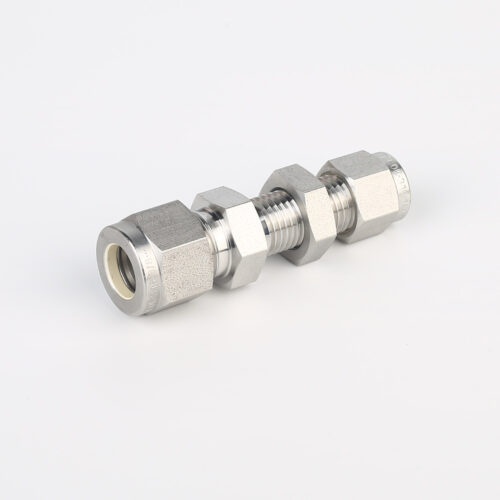
775L Bulkhead Reducing Union | Stainless Steel High Purity Double Ferrule Bulkhead Reducing Unions
-
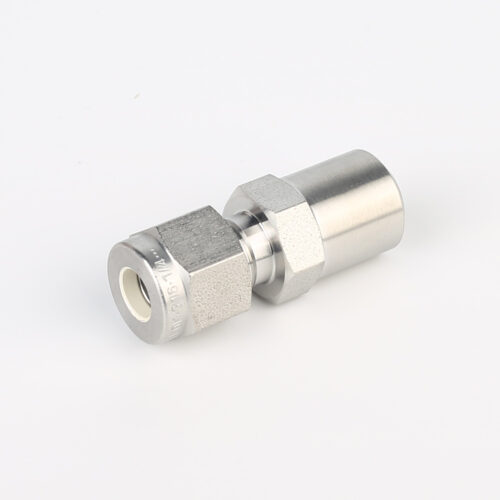
768LN Stainless Steel Male Pipe Tube Butt Weld Connector And Tube Fittings Supplier
-
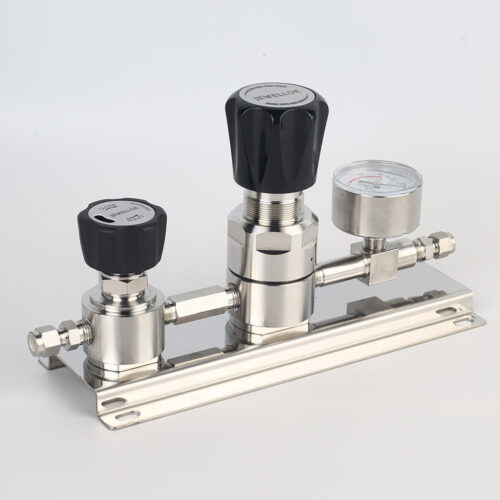
High Purity High Flow Pressure Control Regulators & Valves Gas Stick Assemblies JSR-2TG Series
-
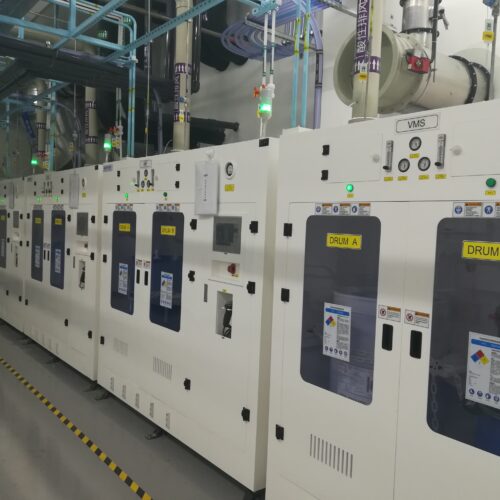
High Purity Liquid Chemical Delivery Systems Designed for Sub Micron Semiconductor Production
-
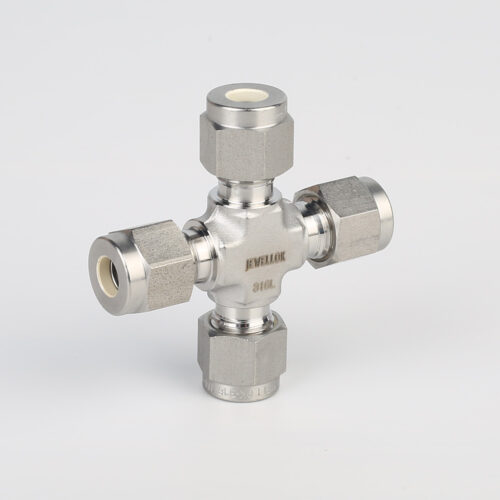
7102L Stainless Steel 316L SS Union Cross Ultra High Purity Long Arm Union Elbow Tee Cross Butt Weld Fittings
-
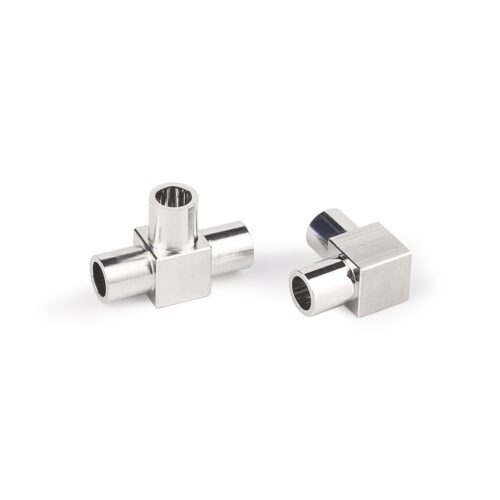
Stainless Steel Mini Elbow Mini Tee Mini Cross Mini Tribow Ultrahigh Purity Mini Butt Weld Fittings