
Regulator Manufacturer Tel: +86 13380377051
Regulator Manufacturer Tel: +86 13380377051
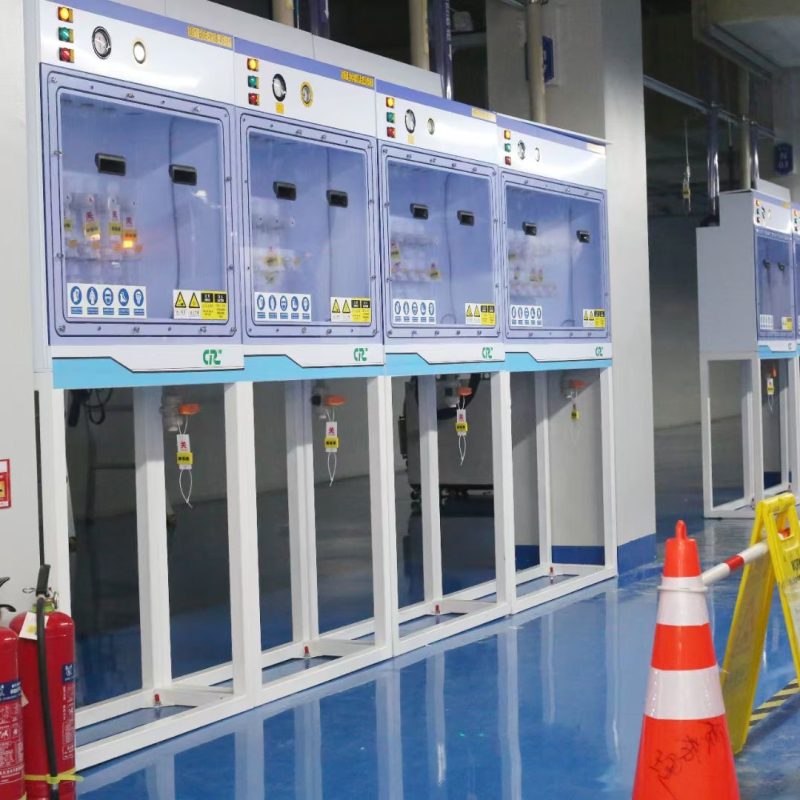
Top Factors to Consider When Buying Ultra High Purity Diaphragm Valves
Ultra High Purity (UHP) diaphragm valves are critical components in industries where even the slightest contamination can compromise product quality, safety, and performance. Sectors such as semiconductor manufacturing, pharmaceuticals, biotechnology, and high-purity gas delivery systems rely heavily on these valves to maintain stringent purity standards. Selecting the right UHP diaphragm valve is not simply a matter of choosing a reputable brand—it requires a deep understanding of materials, design, performance specifications, and application requirements.
This article explores the key factors engineers, procurement specialists, and system designers must consider when purchasing UHP diaphragm valves.
1. Material Selection and Purity Standards
Material composition is one of the most critical aspects of UHP diaphragm valves. These valves are typically manufactured from high-grade stainless steels such as 316L or specialized alloys. The internal surface must exhibit exceptional cleanliness and corrosion resistance to prevent particle generation and chemical interaction.
Electropolishing is commonly applied to enhance surface smoothness, reducing the risk of particle adhesion and microbial growth. Surface roughness values are typically measured in Ra (roughness average), and UHP applications often require Ra ≤ 0.25 µm or even finer.
Additionally, compliance with international standards such as SEMI (Semiconductor Equipment and Materials International) or ASTM specifications ensures that materials meet strict purity and performance benchmarks. When selecting a valve, always verify material certifications and traceability documentation.

2. Surface Finish and Cleanliness
In UHP systems, internal surface finish directly impacts contamination control. A smoother surface minimizes dead zones where particles, moisture, or chemicals can accumulate.
High-quality UHP diaphragm valves undergo advanced finishing processes such as:
- Electropolishing (EP)
- Mechanical polishing (MP)
- Passivation
Cleanroom manufacturing and packaging are also essential. Valves should be assembled, tested, and sealed in controlled environments to prevent contamination before installation.
Buyers should confirm that suppliers provide valves cleaned and packaged according to industry cleanliness standards, often including double-bagging and inert gas purging.
3. Diaphragm Material and Durability
The diaphragm is the core functional element of the valve, responsible for isolating the process fluid from the actuator mechanism. Its material must be carefully selected based on chemical compatibility, temperature range, and cycle life.
Common diaphragm materials include:
- PTFE (Polytetrafluoroethylene)
- Modified PTFE (for improved flexibility and durability)
- Elastomer-backed PTFE composites
A high-quality diaphragm should offer:
- Excellent chemical resistance
- Low permeability
- High fatigue life (often exceeding millions of cycles)
Frequent diaphragm failure can lead to contamination and costly downtime, so durability and proven performance data are essential considerations.
4. Valve Design and Flow Characteristics
UHP diaphragm valves are designed to minimize dead volume and ensure smooth, laminar flow. Poor valve geometry can create stagnation zones, increasing the risk of contamination.
Key design considerations include:
- Zero dead-leg configuration
- Optimized flow path
- Minimal internal crevices
There are different valve types, such as weir-type and straight-through designs. Straight-through valves are often preferred in UHP applications because they provide a more direct flow path, reducing turbulence and particle generation.
Engineers should evaluate flow coefficients (Cv values) to ensure the valve meets system flow requirements without causing excessive pressure drop.
5. Sealing Performance and Leak Integrity
Leak-tight performance is non-negotiable in UHP systems. Even microscopic leaks can introduce contaminants or compromise system integrity.
Key sealing performance indicators include:
- Helium leak rate (commonly ≤ 1×10⁻⁹ atm·cc/sec)
- Bubble-tight shutoff capability
- Long-term sealing reliability
Metal-to-metal sealing and advanced diaphragm sealing technologies are often used to achieve ultra-low leak rates. It is essential to verify that valves are tested using helium mass spectrometry or equivalent methods.
6. Actuation Method and Automation Compatibility
UHP diaphragm valves can be operated manually or automatically. The choice depends on the application’s complexity and control requirements.
Common actuation options include:
- Manual handwheel or lever operation
- Pneumatic actuators (most common in automated systems)
- Electric actuators (for precise control and integration)
In semiconductor and pharmaceutical facilities, automated systems are standard. Therefore, compatibility with control systems such as PLCs (Programmable Logic Controllers) and SCADA systems is crucial.
Response time, repeatability, and reliability of the actuator should also be evaluated.
7. Pressure and Temperature Ratings
Each UHP diaphragm valve is designed to operate within specific pressure and temperature limits. Exceeding these limits can result in diaphragm failure, leakage, or structural damage.
Buyers must ensure that the valve’s specifications match the operating conditions, including:
- Maximum and minimum pressure
- Operating temperature range
- Thermal cycling conditions
Special attention should be given to applications involving high-purity gases, aggressive chemicals, or extreme temperatures, as these conditions place additional stress on valve components.
8. Certification and Industry Compliance
Compliance with industry standards is essential for ensuring safety, reliability, and regulatory approval.
Important certifications may include:
- SEMI F20 / F57 (for semiconductor applications)
- FDA compliance (for pharmaceutical and food industries)
- ISO 9001 (quality management systems)
- CE marking (for European markets)
Documentation such as material test reports (MTRs), certificates of conformity (COC), and cleanroom validation reports should be readily available from the supplier.
9. Supplier Reputation and Technical Support
The reliability of UHP diaphragm valves is closely tied to the manufacturer’s expertise and quality control processes.
When evaluating suppliers, consider:
- Industry experience and specialization
- Proven track record in UHP applications
- Availability of technical support and customization
- Lead times and global supply capabilities
A reputable supplier should also offer engineering support for system design, valve selection, and troubleshooting.
10. Maintenance, Serviceability, and Lifecycle Cost
While initial purchase price is important, lifecycle cost is a more meaningful metric in UHP systems.
Factors affecting lifecycle cost include:
- Diaphragm replacement frequency
- Ease of maintenance and servicing
- Availability of spare parts
- Downtime associated with valve failure
Valves designed for easy diaphragm replacement and minimal maintenance can significantly reduce operational costs over time.
11. Compatibility with System Integration
UHP diaphragm valves must integrate seamlessly into the overall system. This includes compatibility with tubing, fittings, and other components.
Common connection types include:
- Orbital weld ends
- Tube fittings (e.g., compression fittings)
- Face seal fittings (such as VCR-type connections)
Proper compatibility ensures leak-free connections and simplifies installation.
12. Cost vs. Performance Balance
Finally, buyers must balance cost with performance. While lower-cost options may seem attractive, they often come with compromises in material quality, surface finish, or durability.
In UHP applications, the cost of contamination, downtime, or product failure far outweighs the initial savings from cheaper components.
Investing in high-quality valves from trusted manufacturers typically results in better long-term performance and reliability.

Conclusion
Selecting the right Ultra High Purity diaphragm valve requires careful consideration of multiple technical and operational factors. From material selection and surface finish to sealing performance and supplier reliability, each aspect plays a crucial role in maintaining system integrity and product purity.
By thoroughly evaluating these factors, engineers and procurement professionals can make informed decisions that enhance system performance, reduce risks, and ensure compliance with industry standards. In high-stakes industries where purity is paramount, choosing the right UHP diaphragm valve is not just a technical decision—it is a strategic investment in quality and reliability.
For more about top factors to consider when buying ultra high purity diaphragm valves, you can pay a visit to Jewellok at https://www.specialtygasregulator.com/product-category/uhp-liquid-delivery-system/ for more info.
-
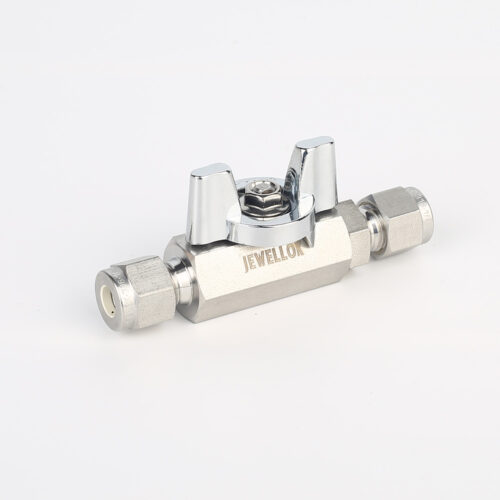
Stainless Steel High-Purity High Temperature Metal Seated Ball Valves JBV3 Series
-
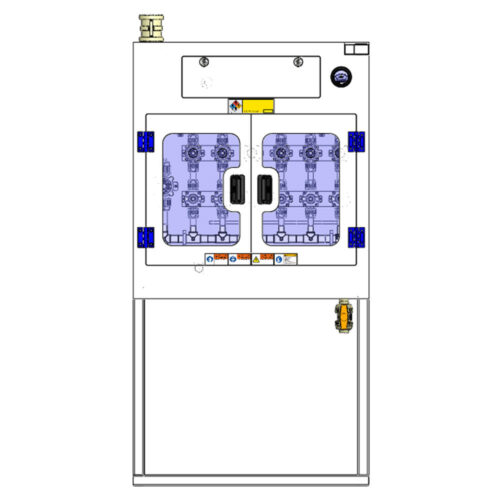
High Purity Configurable Systems VMB Valve Manifold Box JW-200-VMB-C & JW-100-VMB-C
-
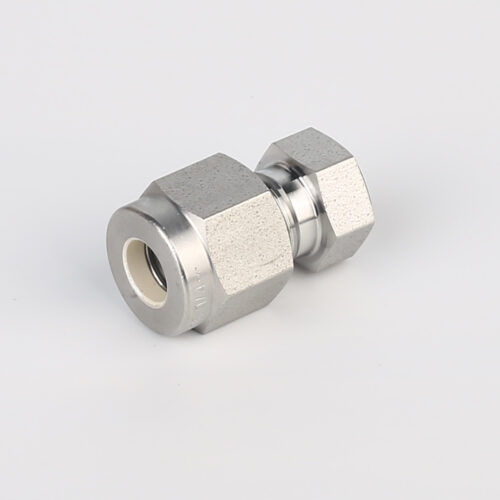
7108L Cylinder Cap Connectors For Ultra High Purity Gases
-
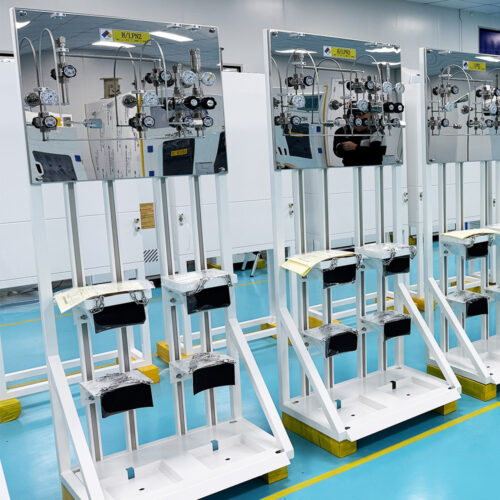
Manual Gas Rack High Purity Gas Delivery Systems JW-100-GR
-
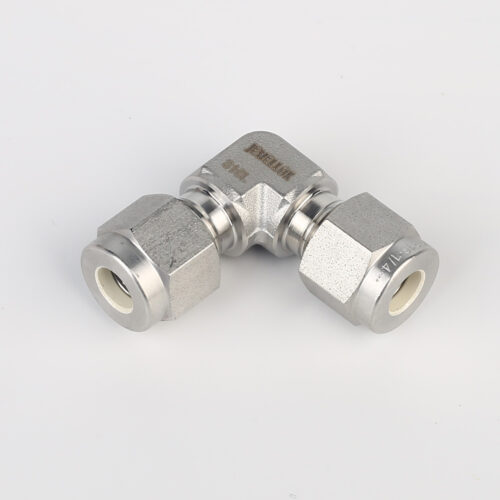
765L Stainless Steel Union Elbow Reducing High Purity Fitting Tubing Extension Tubing Connection
-
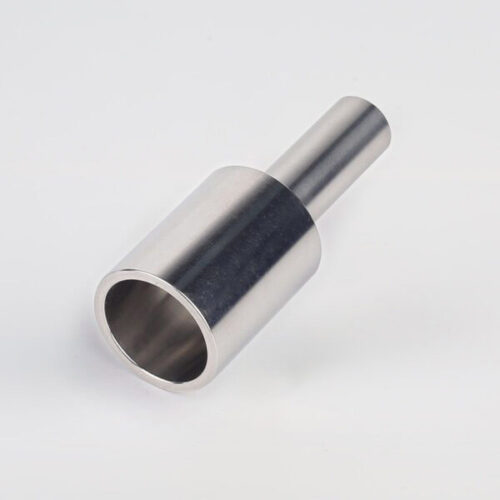
316L Stainless Steel Tube Butt Weld Reducing Fittings Union Reducer RW Series Ultrahigh Purity Process
-
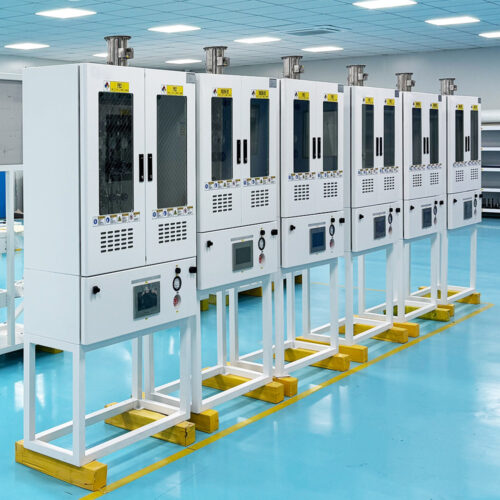
Ultra High Purity Diaphragm Valves and Pressure Regulators for Reliable Ultra High Purity Liquid Chemical Handling Systems
-
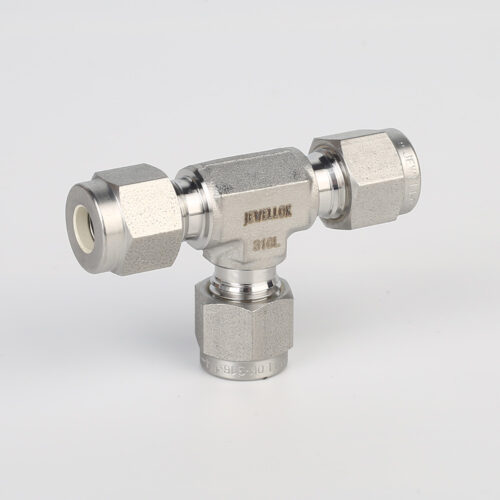
764L Stainless Steel Union Tee High Purity Fitting Union Tee Reducing Tubing Connection