
Regulator Manufacturer Tel: +86 13380377051
Regulator Manufacturer Tel: +86 13380377051
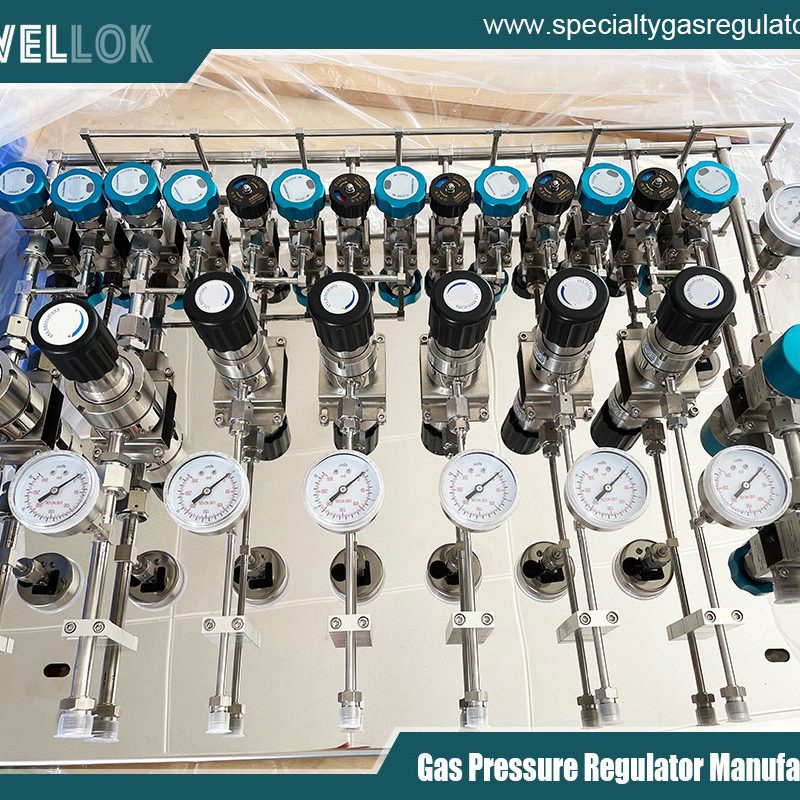
Specialty Gas Pressure Regulator Valve Accuracy and Safety: The Critical Nexus of Precision and Protection
In the intricate ecosystems of advanced manufacturing, cutting-edge research, and life-saving medical therapies, the margin for error is often measured in parts per million. At the heart of these delicate processes flows a critical class of materials: specialty gases. These are not commodity products; they are high-purity, often hazardous, and always expensive gases like semiconductor etchants (chlorine, tungsten hexafluoride), calibration mixtures, silane for solar cells, ultra-high purity carrier gases, and medical-grade helium or carbon dioxide. Their effective deployment hinges on a single, often underestimated component: the specialty gas pressure regulator valve. This device is the gatekeeper, tasked with an uncompromising dual mandate: unwavering accuracy in delivery and absolute safety in containment. The interplay between these two demands defines the engineering, selection, and operation of these vital instruments.
The Unique Demands of Specialty Gases
To understand the regulator’s role, one must first appreciate the nature of specialty gases. They present challenges far beyond those of industrial or fuel gases:
- Extreme Purity: Contamination is the enemy. A single introduction of moisture, oxygen, or particulates from internal regulator surfaces can ruin a multi-million dollar semiconductor wafer batch or invalidate critical analytical data.
- High Hazard Potential: Many are toxic (arsine, phosphine), pyrophoric (silane ignites on contact with air), corrosive (hydrogen chloride), or asphyxiant. Any leakage is unacceptable.
- Physical Properties: Some are liquid under pressure (like LPG, but at higher purities), others are supercritical. The regulator must handle phase changes and rapid pressure drops without freezing or erratic behavior.
- Cost: A cylinder of certain electronic-grade gases can cost tens of thousands of dollars. Inefficient use or regulator-induced waste represents a significant financial loss.
In this context, the regulator is not just a pressure-reducing tool; it is an integral part of the gas delivery system’s purity, safety, and economic equation.

The Anatomy of Accuracy: Engineering for Precision Control
Accuracy in a specialty gas pressure regulator valve refers to its ability to deliver a stable, repeatable outlet pressure (or flow, in the case of a mass flow controller) with minimal deviation from the set point. Several key design and performance factors contribute to this:
- Stability (Supply Pressure Effect):This measures how much the outlet pressure changes as the inlet pressure drops from a full to an empty cylinder. A high-accuracy regulator exhibits minimal “droop.” This is achieved through advanced designs:
* Dome-Loaded or Piston-Actuated Designs:These use a separate, controlled gas pressure (the “dome”) to act on a piston or large diaphragm, providing a counter-force that is independent of the spring variations found in standard regulators. This results in exceptional stability, often with a supply pressure effect of less than 0.01 psi per 100 psi change.
* Two-Stage Integration: For the ultimate in stability, two regulators are combined in one housing. The first stage provides a constant intermediate pressure, isolating the precision second stage from cylinder pressure decay.
- Sensitivity (Lock-Up & Cracking Pressure):A sensitive regulator will open precisely to meet demand and seal bubble-tight when downstream flow stops. Poor sensitivity leads to “creep”—a slow rise in outlet pressure after the downstream valve is closed—which is dangerous and wasteful. Precision-machined elastomeric or soft metal (e.g., Kel-F®) seals, combined with large, responsive diaphragms, ensure crisp lock-up.
- Hysteresis:This is the difference in outlet pressure when the set point is approached from a higher vs. a lower pressure. It’s caused by internal friction. High-accuracy regulators minimize hysteresis through polished stem guides, rolling diaphragms, and friction-free pistons, ensuring the set point is always precisely repeatable.
- Flow Coefficient (Cv) and Consistency:The regulator must provide the required flow without significant pressure drop. More importantly, the outlet pressure should remain constant across a range of flow rates (good “flow characteristic”). This is critical for processes with variable demand.
The Fortress of Safety: Engineering for Absolute Integrity
Safety is non-negotiable. A regulator on a toxic gas line is a primary containment device. Its safety features are multifaceted:
- Material Compatibility and Surface Finish:
* Metallurgy:Regulator bodies are typically 316L Stainless Steel (low carbon to prevent “sensitization” and corrosion), Hastelloy C-276, or Monel for extremely aggressive gases like hydrogen fluoride.
* Internal Finish:Surfaces are electropolished to a mirror finish (e.g., 10 Ra microinch or better). This minimizes surface area where contaminants can adsorb and facilitates efficient purging.
* Seal Materials: Diaphragms and seat materials are carefully chosen for gas compatibility and low permeability. Options include stainless steel, PTFE (Teflon®), Kalrez®, Viton®, and EPDM. A mismatch can lead to swelling, degradation, and catastrophic failure.
- Containment and Leak Integrity:
* Diaphragm vs. Piston:For ultrapure or hazardous gases, diaphragm-type regulators are preferred. The diaphragm acts as a static, hermetic seal, completely separating the process gas from the spring chamber and the ambient environment. Any leak from the diaphragm would be external and detectable. Piston designs have dynamic seals that could theoretically leak internally.
* Welded Diaphragm Seals: The highest integrity design involves welding the diaphragm to the regulator body, eliminating any gasket or threaded connection that could be a leak path.
* Leak Rate Performance: Specialty regulators are built and tested to achieve helium leak rates of less than 1 x 10⁻⁹ atm cc/sec, ensuring near-absolute containment.
- Pressure Management Safeguards:
* Internal Relief Valves:A critical feature on the outlet side. If the secondary seat fails and high pressure leaks into the low-pressure chamber, this relief valve opens at a safe, predetermined pressure to protect downstream equipment.
* Rupture Discs:A non-reclosing safety device on the inlet side that bursts at a pressure above the regulator’s maximum rated inlet pressure but below the cylinder’s burst pressure, providing a last line of defense against catastrophic over-pressurization.
- Purge and Vent Configurations:Specialty regulators often feature multiple ports (typically 1/4″ or 1/8″ NPT or VCJ fittings) for system purging. This allows the user to evacuate and backfill the regulator and downstream lines with an inert gas to remove atmospheric contaminants before introducing the expensive or reactive process gas.
The Regulator Ecosystem: Matching the Device to the Gas
Not all specialty gases are equal, and regulators are tailored accordingly:
- Ultra-High Purity (UHP) Inert Gases (e.g., 99.999% Nitrogen, Argon): Regulators focus on point-of-use purity. They use all-metal seals (metal diaphragms, face-seal fittings like VCJ, minimal internal volume, and extensive internal polishing. Spring chambers may be vented to prevent atmospheric ingress.
- Corrosive Gases (e.g., HCl, HBr, WF₆): Regulators are all-metal, diaphragm-sealed, and fully electropolished. They are often equipped with heated bodies to prevent condensation and subsequent liquid-phase corrosion. Materials like Hastelloy are standard.
- Toxic and Pyrophoric Gases (e.g., AsH₃, SiH₄): The paramount concern is leak-tight integrity. Double-walled, welded diaphragm designs are common. They are used within specialized gas cabinets with continuous exhaust and toxic gas monitoring. The regulators themselves may have welded fittings and no external adjustments.
- High-Pressure/High-Flow Applications (e.g., CVD Gases): Design emphasizes robust construction and stability under high flow. Piston designs with high Cv values may be used, but with careful attention to seal compatibility and safety overrides.
Selection, Installation, and Operation: A Protocol for Precision and Safety
Choosing and using the right regulator is a systematic process:
- Selection Criteria:
- Gas Type: The single most important factor dictating materials and design.
- Purity Requirement: Drives the need for UHP features like electropolishing and metal seals.
- Pressure Ranges: Inlet (cylinder) and required outlet pressure.
- Flow Requirement: Needed Cv value.
- Certifications: Compliance with relevant standards (SEMI, CGA, etc.).
- Installation Best Practices:
- Cleanliness: Install in a clean environment using proper gloves. Use only dedicated, clean tools.
- Fitting Technology: Use the appropriate high-integrity fittings (VCJ, Ultra-Seal™). Never use Teflon tape on tapered threads; use thread sealant compatible with the gas.
- Purging: Follow a strict purge procedure (Evacuate-Flush-Evacuate-Fill) to prepare the system.
- Leak Checking: Use a calibrated leak detector (for inerts/tracers) or bubble solution (for non-hazardous gases) on all connections before introducing hazardous gas.
- Operational Vigilance:
- Always open cylinder valves slowly.
- Set pressure with downstream valve closed to check for creep.
- Monitor performance for any signs of instability, which can indicate internal contamination or seal wear.
- Adhere to a strict re-certification and maintenance schedule as specified by the manufacturer or internal safety protocols.

Conclusion
The specialty gas pressure regulator valve stands at the critical crossroads where precision engineering meets rigorous safety science. It is far more than a simple mechanical valve; it is a meticulously crafted instrument whose design philosophy is shaped by the molecular properties of the gas it controls. Its accuracy ensures process repeatability, product yield, and data validity—foundations of technological and scientific progress. Its safety design forms an impregnable barrier, protecting personnel, facilities, and the environment from potentially devastating hazards.
In industries where a single undetected leak or a minute impurity can cascade into financial catastrophe or human tragedy, the investment in a correctly specified, properly installed, and meticulously maintained specialty gas regulator is not an equipment cost—it is an investment in foundational integrity. As technology pushes toward ever-smaller geometries in chips, more precise analyses in labs, and novel gas-based therapies in medicine, the demands on these humble guardians will only intensify, reinforcing their status as one of the most vital points of control in the entire chain of modern innovation.
For more about specialty gas pressure regulator valve accuracy and safety: the critical nexus of precision and protection, you can pay a visit to Jewellok at https://www.specialtygasregulator.com/about/ for more info.
-
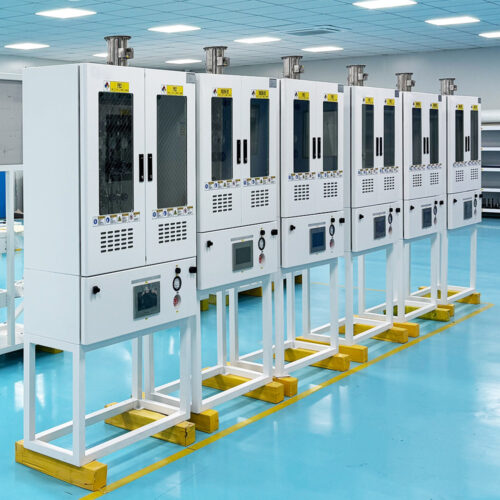
Corrosion Resistant 316L Stainless Steel Exhaust Gas Scrubber System for Harsh Chemical Process Environments
-
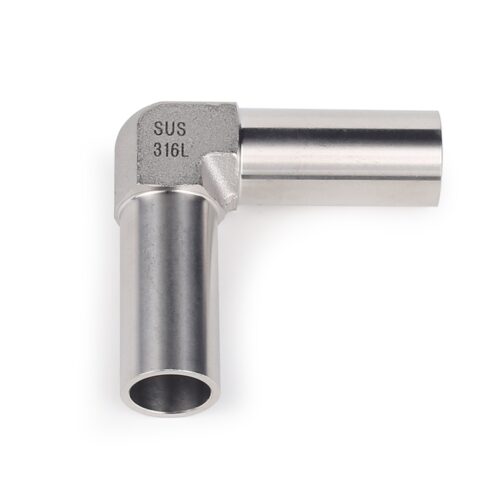
High Purity Stainless Steel Mini Tube Butt Weld Fittings For Semiconductor
-
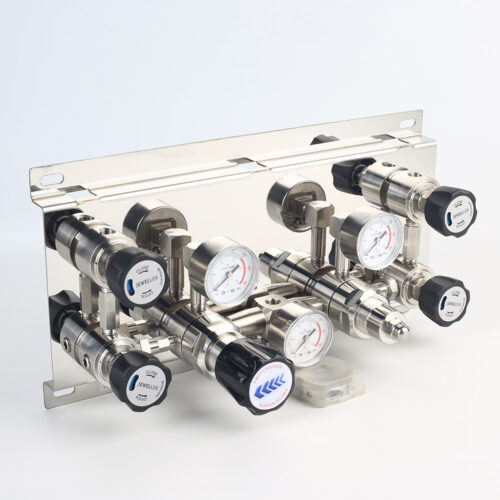
Pressure Control Panels For High Purity Gas Control System JSP-3AE Series From Pressure Control Panels Suppliers And Manufacturer
-
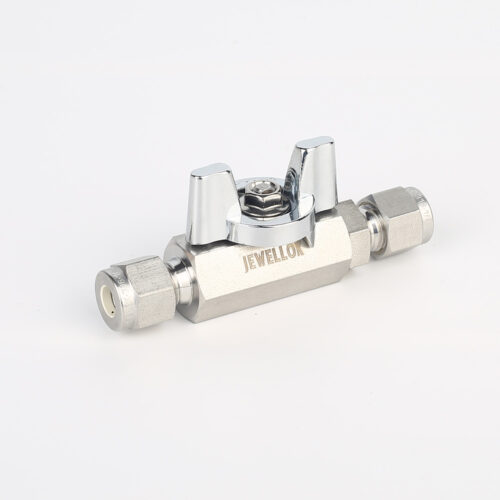
Stainless Steel High-Purity High Temperature Metal Seated Ball Valves JBV3 Series
-
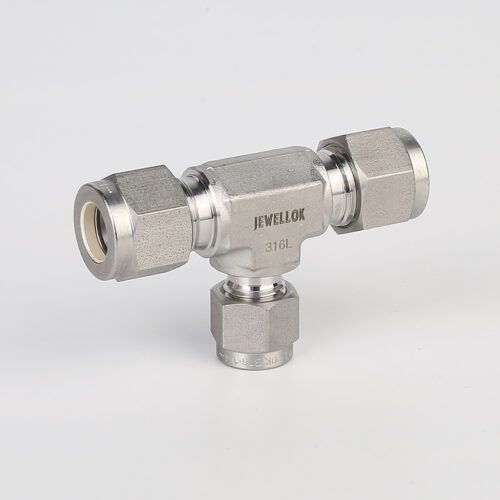
764LR Stainless Steel 316 Reducing Tee UHP Fitting Automatic Buttweld Reducing Tee
-
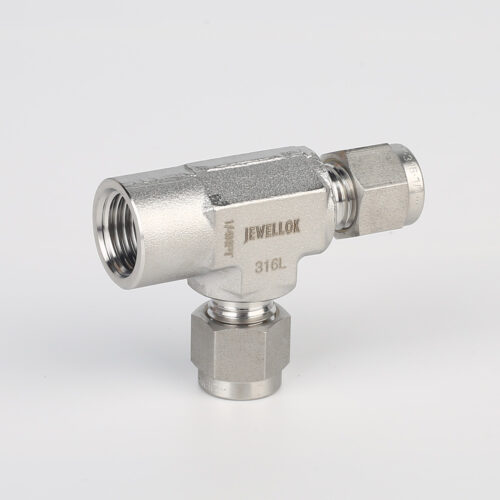
771LF Female Run Tee | Stainless Steel Tube Fitting Compression Fittings 1/4 In 3-Way Tee Female Run Tee
-
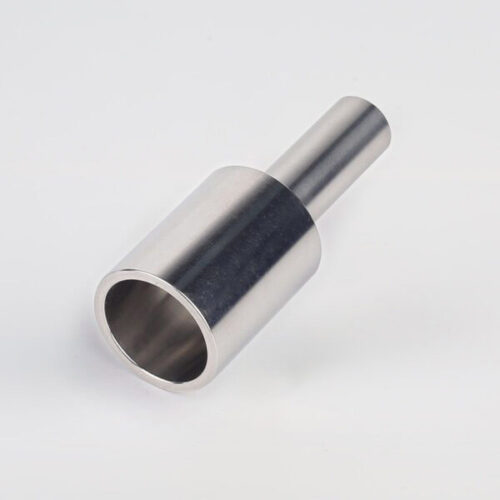
316L Stainless Steel Tube Butt Weld Reducing Fittings Union Reducer RW Series Ultrahigh Purity Process
-
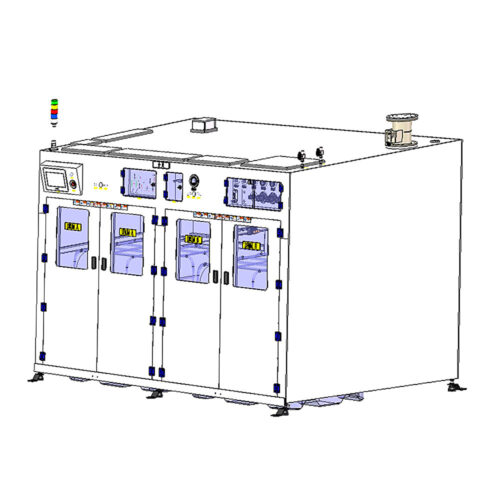
High Purity Chemical Dispense System & Packing System For Semiconductors JW-200L-CDM & JW-1000L-CDM