
Regulator Manufacturer Tel: +86 13380377051
Regulator Manufacturer Tel: +86 13380377051
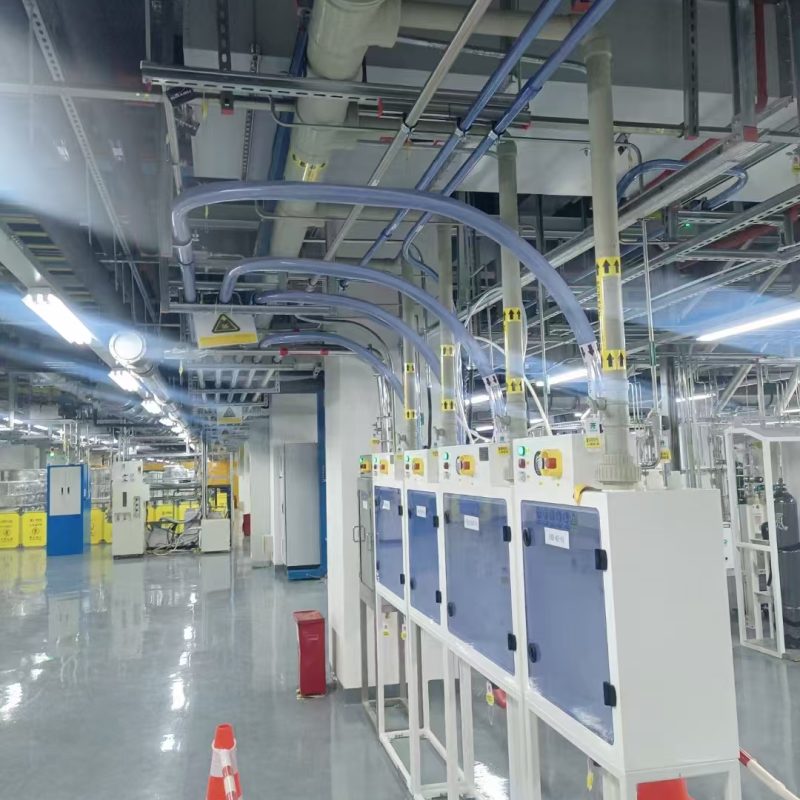
High Purity Semiconductor Gas Cabinet Solutions for Industrial Gas Control
In modern semiconductor manufacturing and advanced industrial processes, the precise handling and control of specialty gases are critical to ensuring product quality, operational safety, and regulatory compliance. High purity gases are widely used in applications such as chemical vapor deposition (CVD), etching, ion implantation, and epitaxy. These processes demand extremely clean, stable, and well-regulated gas delivery systems. Among the key components in such systems, high purity semiconductor gas cabinets play a central role.
Gas cabinets are engineered enclosures designed to safely house gas cylinders while providing controlled delivery of gases to process tools. When dealing with hazardous, toxic, corrosive, or pyrophoric gases, the design and performance of these cabinets become even more crucial. This article explores the design principles, key components, technological advancements, and future trends of high purity semiconductor gas cabinet solutions for industrial gas control.
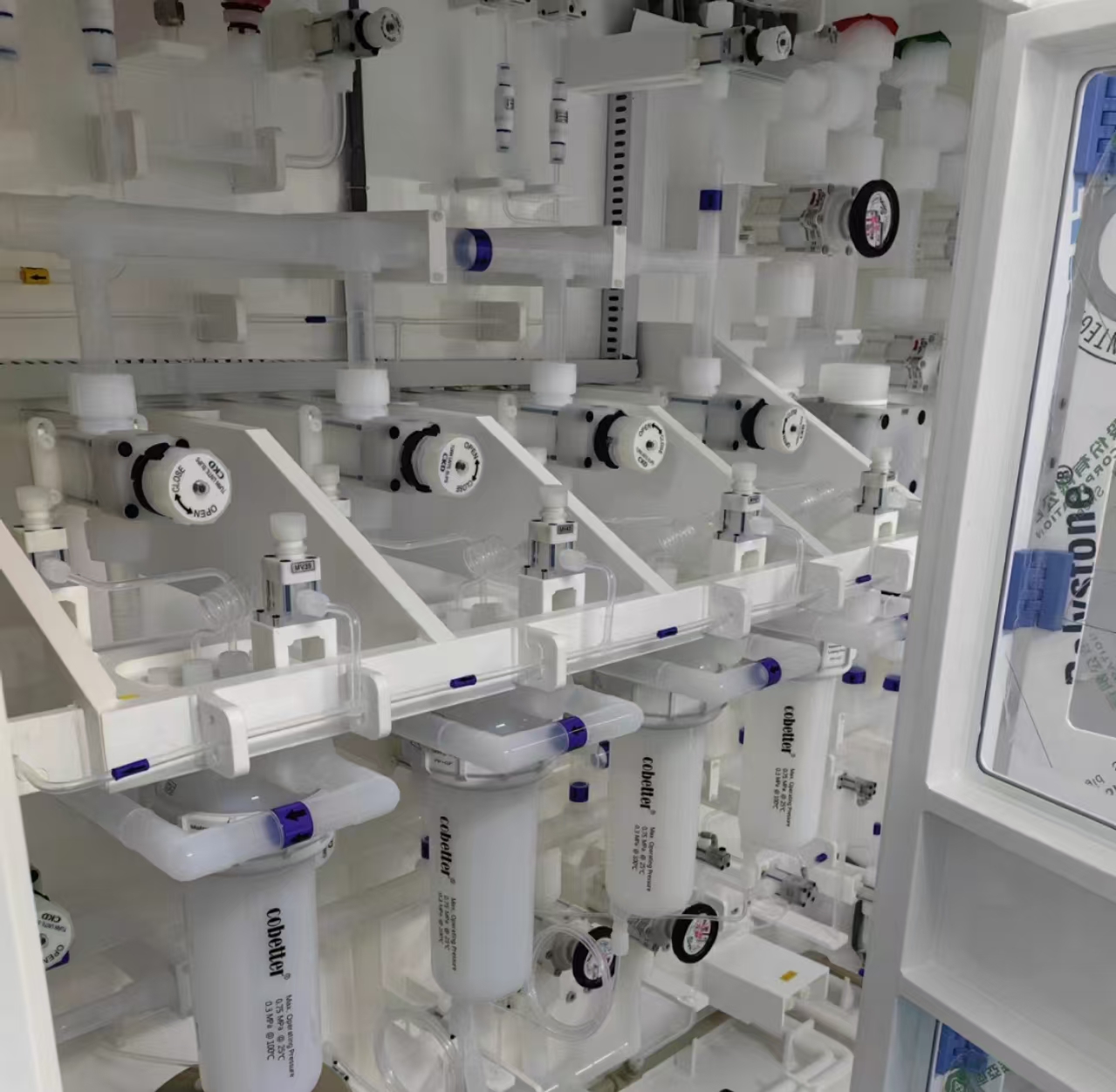
The Role of Gas Cabinets in Semiconductor Manufacturing
High purity semiconductor gas cabinets serve as the interface between bulk gas supply and process equipment. Their primary functions include:
- Safe storage of gas cylinders
- Pressure regulation and flow control
- Leak detection and emergency shutdown
- Purging and venting
- Contamination prevention
In semiconductor environments, even trace levels of impurities can significantly impact wafer yield and device performance. Therefore, gas cabinets must ensure ultra-high purity (UHP) gas delivery while maintaining strict safety standards.
Key Design Requirements for High Purity Gas Cabinets
1. Material Compatibility and Cleanliness
Materials used in gas cabinets must be compatible with the gases being handled. Common materials include electropolished stainless steel (typically 316L), which offers excellent corrosion resistance and low particle generation.
Surface finish is critical in UHP systems. Electropolishing reduces surface roughness, minimizing particle entrapment and outgassing. Additionally, components are often cleaned and assembled in cleanroom environments to prevent contamination.
2. Leak Integrity
Leak-tight construction is essential for both safety and purity. Gas cabinets are designed to meet stringent leak rate standards, often as low as 1 × 10⁻⁹ atm·cc/sec helium. Orbital welding is commonly used to eliminate potential leak points associated with threaded connections.
3. Pressure and Flow Control
Precise control of gas pressure and flow is necessary for consistent process results. Gas cabinets typically incorporate:
- High purity pressure regulators
- Mass flow controllers (MFCs)
- Pressure transducers
Advanced systems may include automatic pressure control (APC) and real-time monitoring for enhanced process stability.
4. Safety Systems
Handling hazardous gases requires multiple layers of safety protection. Standard safety features include:
- Gas leak detectors (toxic, flammable, or oxygen deficiency)
- Automatic shutoff valves
- Emergency stop (E-stop) systems
- Exhaust ventilation integration
- Fire detection and suppression systems
Compliance with international safety standards such as SEMI S2, NFPA 55, and local regulations is mandatory.
5. Purging and Venting Systems
To prevent cross-contamination and ensure safe maintenance, gas cabinets are equipped with purge systems, often using inert gases like nitrogen. These systems enable:
- Cylinder change purging
- Line purging
- Residual gas removal
Proper venting ensures that hazardous gases are safely exhausted through dedicated scrubber systems.
Types of High Purity Gas Cabinets
1. Single-Cylinder Gas Cabinets
Designed for applications requiring one gas source, these cabinets are compact and cost-effective. They are commonly used for specialty gases in research labs or low-volume production environments.
2. Dual-Cylinder Gas Cabinets
Dual-cylinder configurations provide continuous gas supply by allowing automatic switchover between cylinders. This minimizes downtime and ensures uninterrupted production.
3. Multi-Cylinder Gas Cabinets
Used in high-volume manufacturing, these systems can handle multiple cylinders simultaneously. They are often integrated with automated gas management systems for centralized control.
4. Specialty Gas Cabinets
These cabinets are specifically designed for highly hazardous gases such as silane (SiH₄), ammonia (NH₃), chlorine (Cl₂), and hydrogen fluoride (HF). They incorporate enhanced safety features and materials tailored to specific chemical properties.
Key Components of a High Purity Gas Cabinet
1. Gas Panel System
The gas panel includes regulators, valves, filters, and flow control devices. High purity diaphragm valves are commonly used due to their low dead volume and excellent sealing performance.
2. Control System
Modern gas cabinets are equipped with programmable logic controllers (PLCs) or microcontroller-based systems. These provide:
- Automated operation sequences
- Real-time monitoring
- Alarm management
- Communication with factory automation systems
Human-machine interfaces (HMIs) allow operators to easily control and monitor system parameters.
3. Gas Detection System
Integrated sensors continuously monitor for gas leaks. Depending on the application, detectors may include:
- Electrochemical sensors
- Infrared sensors
- Semiconductor sensors
These systems trigger alarms and automatic shutdown procedures in case of abnormal conditions.
4. Exhaust and Ventilation System
Proper airflow design ensures that any leaked gas is quickly diluted and removed. Cabinets are connected to facility exhaust systems with specified face velocities to maintain safe operating conditions.
Technological Advancements
1. Automation and Smart Control
The integration of Industry 4.0 technologies has transformed gas cabinet systems. Smart gas cabinets now feature:
- Remote monitoring via IoT platforms
- Predictive maintenance using data analytics
- Integration with manufacturing execution systems (MES)
These capabilities improve operational efficiency and reduce downtime.
2. Enhanced Purity Performance
Advancements in component design and manufacturing have significantly improved purity levels. Innovations include:
- Metal diaphragm regulators with minimal particle generation
- Advanced filtration systems (down to sub-micron levels)
- Improved sealing technologies
These developments support increasingly stringent semiconductor process requirements.
3. Modular Design
Modular gas cabinet systems allow for flexible configuration and easier maintenance. Components can be replaced or upgraded without extensive system downtime.
4. Energy Efficiency
Modern designs focus on reducing energy consumption by optimizing airflow, minimizing purge gas usage, and improving system efficiency.
Applications Beyond Semiconductors
While primarily associated with semiconductor fabrication, high purity gas cabinets are also used in:
- Pharmaceutical manufacturing
- Biotechnology and life sciences
- Flat panel display production
- Solar cell manufacturing
- Advanced materials processing
In all these industries, precise gas control and contamination prevention are essential.
Compliance and Standards
Gas cabinets must comply with various international standards, including:
- SEMI S2 (Environmental, Health, and Safety Guideline)
- SEMI F14 (Gas Safety)
- NFPA 55 (Compressed Gases and Cryogenic Fluids Code)
- ISO 14644 (Cleanroom Standards)
Adherence to these standards ensures safe operation and facilitates global deployment.
Challenges in Gas Cabinet Design
Despite technological advancements, several challenges remain:
1. Increasing Purity Requirements
As semiconductor nodes shrink, tolerance for impurities becomes even lower, requiring continuous improvement in system cleanliness.
2. Handling New Gas Chemistries
Emerging processes require new and often more hazardous gases, demanding innovative material and safety solutions.
3. Space Constraints
Modern fabs are highly space-optimized, requiring compact yet highly functional gas cabinet designs.
4. Cost vs. Performance Balance
Achieving ultra-high performance while maintaining cost efficiency is a constant challenge for manufacturers.
Future Trends
The future of high purity gas cabinet solutions is shaped by several key trends:
1. Digitalization
Increased use of digital twins, AI-driven monitoring, and cloud-based control systems will enhance system intelligence and responsiveness.
2. Sustainability
Efforts to reduce environmental impact will lead to:
- Lower gas consumption
- Improved waste gas treatment
- Energy-efficient designs
3. Advanced Materials
Development of new materials with superior corrosion resistance and lower outgassing will further improve system performance.
4. Integration with Smart Fabs
Gas cabinets will become more deeply integrated into fully automated semiconductor fabs, enabling seamless communication and control across all process systems.

Conclusion
High purity semiconductor gas cabinets are indispensable in modern industrial gas control systems. Their role extends beyond simple gas storage to encompass safety, precision control, and contamination prevention. As semiconductor manufacturing continues to evolve, the demand for more advanced, reliable, and intelligent gas cabinet solutions will only grow.
By combining robust engineering design, advanced materials, and cutting-edge automation technologies, manufacturers can deliver gas cabinet systems that meet the stringent requirements of today’s high-tech industries while preparing for the challenges of tomorrow.
For more about high purity semiconductor gas cabinet solutions for industrial gas control, you can pay a visit to Jewellok at https://www.specialtygasregulator.com/product-category/specialty-gas-cabinet/ for more info.
-
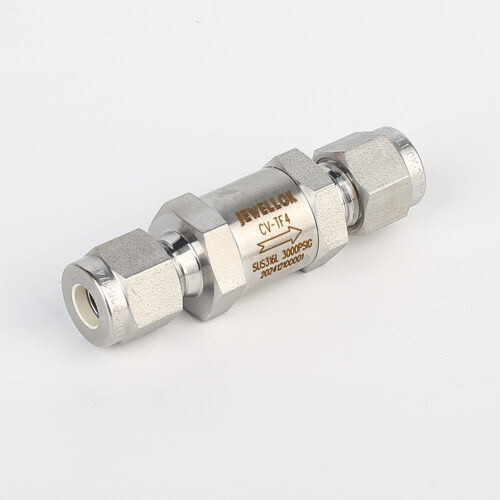
High Pressure High-Purity Welded Check Valves And Low Cracking Pressure Check Valve JCV1 Series
-
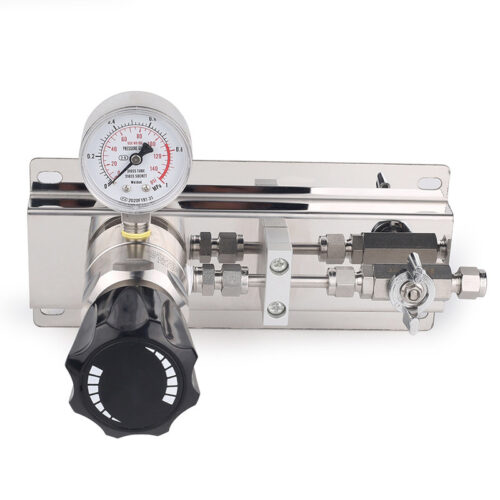
Medical Oxygen Single Stage Manual Gas Changeover Manifold Panel High-Purity Two-Stage Manual Gas Manifold Gas Pressure Control Panels
-
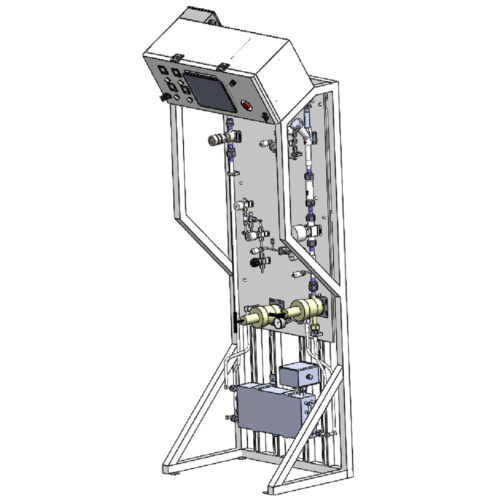
Fully Automated Gas Cabinet Gas Rack Gas Delivery Systems JW-300-GR
-
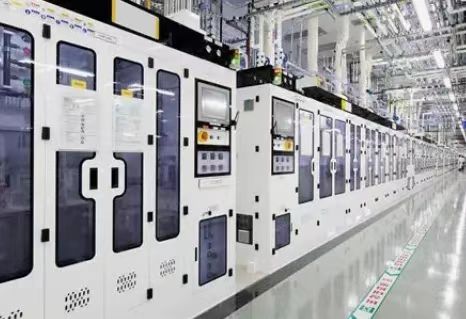
Automatic Chemical Delivery Module (CDM) and Chemical Delivery System (CDS) for Precise Point of Use Blending and Dilution
-
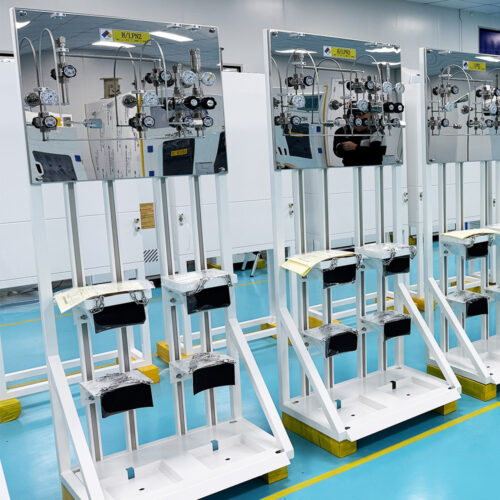
Manual Gas Rack High Purity Gas Delivery Systems JW-100-GR
-
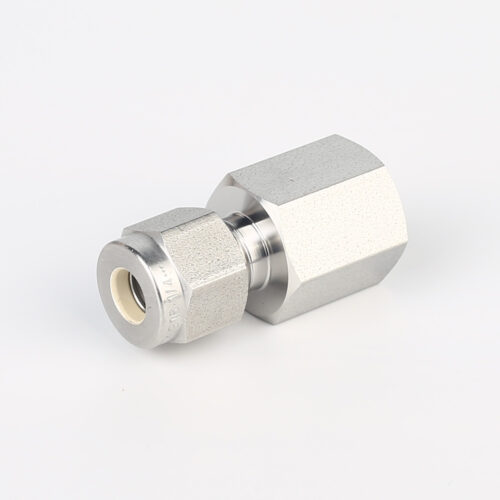
766L High Purity Female Connector UHP Fitting Female Connector
-
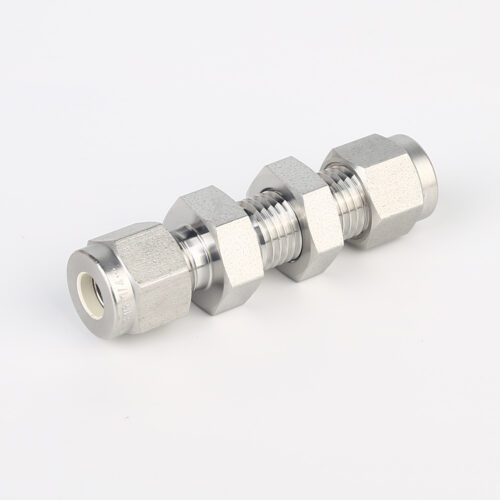
774L Stainless Steel UHP Fittings Butt Weld Bulkhead Union For High Flow Special Gas Fluid
-
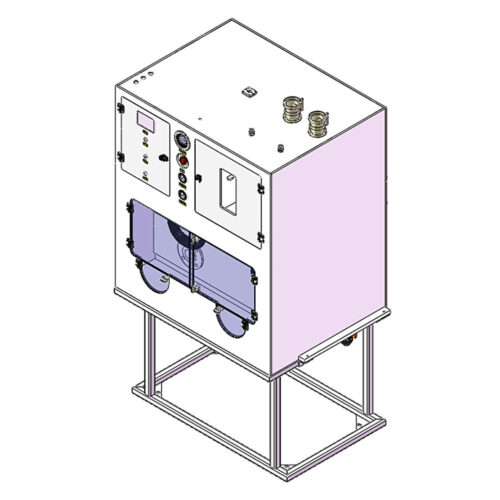
Clean Connection Cabinet JW-300-CCB Valve Manifold Box And Control Valve Box