
Regulator Manufacturer Tel: +86 13380377051
Regulator Manufacturer Tel: +86 13380377051
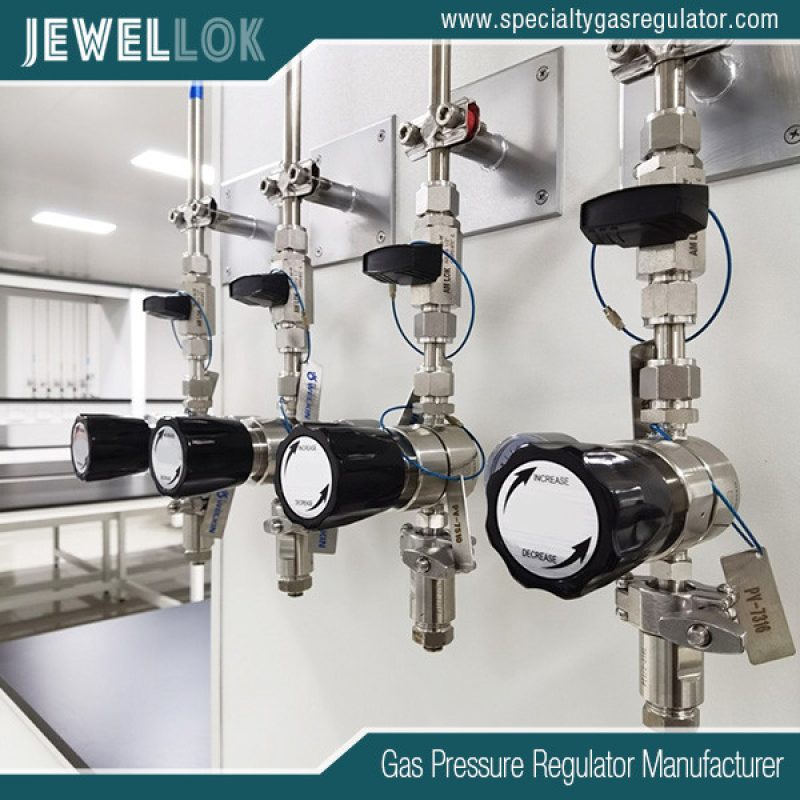
The Engineering and Implementation of Gas Cylinder Pressure Relief Valves (PRVs) in High-Purity Gas Systems
Abstract
Gas cylinder pressure relief valves (PRVs) serve as essential safety mechanisms in high-purity gas systems, preventing overpressurization that could lead to catastrophic failures. This technical article delves into the engineering principles, operational mechanics, material selections, system integrations, maintenance protocols, and regulatory compliance associated with PRVs. By expanding on fundamental concepts and providing in-depth analysis, this 2000-word exposition aims to equip engineers and technicians with comprehensive knowledge for designing, implementing, and maintaining robust gas management systems. The discussion emphasizes the critical role of PRVs in industries such as semiconductor manufacturing, chemical processing, and pharmaceutical production, where handling high-purity and hazardous gases demands unwavering reliability.
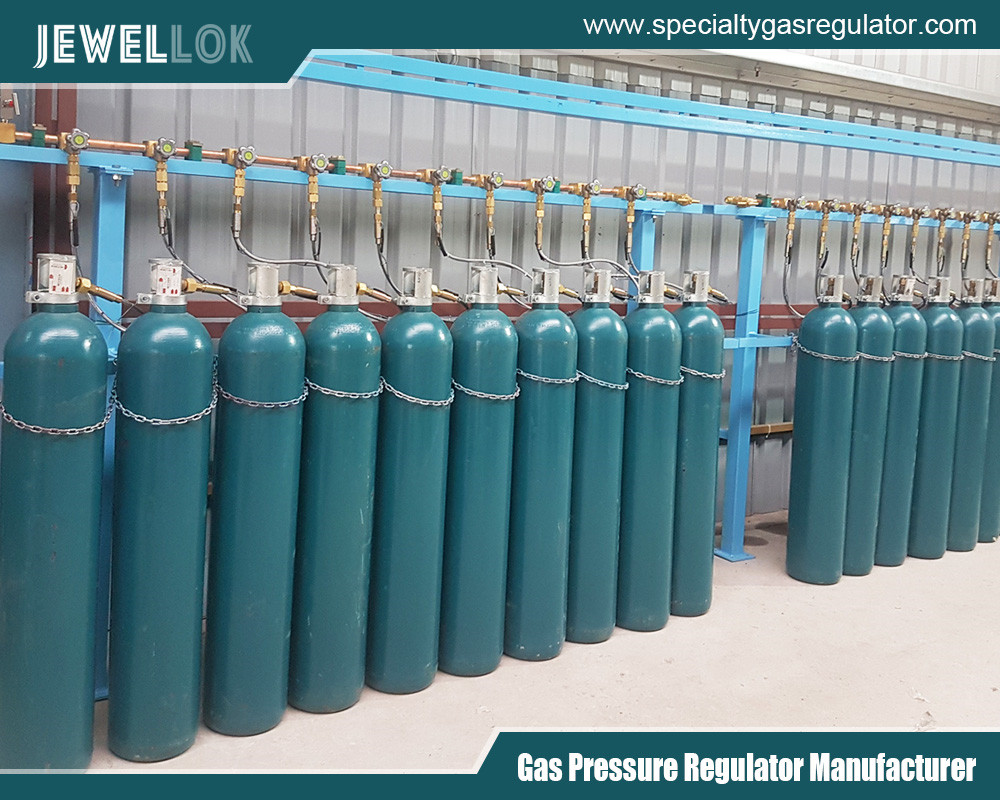
Introduction
In the intricate domain of industrial gas management, the gas cylinder pressure relief valve (PRV) emerges as a pivotal safeguard against potential disasters. These devices are engineered to automatically release excess pressure from gas cylinders, thereby averting ruptures, explosions, or leaks that could endanger personnel, equipment, and the environment. Whether dealing with inert gases like nitrogen or argon, or more reactive and hazardous substances such as silane or phosphine used in semiconductor fabrication, the PRV’s role transcends mere functionality—it embodies a fundamental safety imperative.
The evolution of PRVs traces back to the early 20th century, coinciding with the industrialization of gas storage and distribution. Initially simple mechanical contraptions, modern PRVs incorporate advanced materials and precision engineering to handle pressures exceeding 3000 psi in ultra-high purity (UHP) environments. In high-purity gas systems, where even trace contaminants can compromise product quality—such as in microelectronics where gas purity levels must exceed 99.9999%—PRVs must not only ensure safety but also maintain system integrity without introducing impurities.
This article provides a detailed technical analysis of PRVs, covering their operational mechanics, various types, material compatibility considerations, integration into broader gas management infrastructures, and essential maintenance and compliance practices. By understanding these elements, engineers can optimize system designs for efficiency, reliability, and safety. The discussion will highlight how PRVs mitigate risks in scenarios involving high-pressure storage, transportation, and usage, ultimately contributing to the advancement of industrial processes.
Key challenges in PRV implementation include balancing sensitivity to overpressure with resistance to false activations, ensuring compatibility with diverse gases, and adhering to stringent international standards. As industries push toward higher operating pressures and more volatile chemical precursors, the sophistication of PRV technology continues to evolve, incorporating smart sensors and predictive maintenance features.
Fundamental Mechanics: How PRVs Function
At the heart of a PRV’s operation lies its “fail-safe” design, which ensures passive protection without requiring external power or manual intervention. Unlike pressure regulators that actively control flow and pressure through modulation, PRVs remain dormant until a critical threshold is breached, at which point they activate to vent excess gas.
The core principle revolves around force equilibrium. In a typical PRV, internal gas pressure exerts an upward force on a sealing element, such as a disk or poppet, which is counteracted by a downward force from a pre-compressed spring or pilot mechanism. The set point, or cracking pressure, is the precise value at which the gas force overcomes the opposing force, initiating valve opening.
Typically, the set point is calibrated to 110% of the maximum allowable working pressure (MAWP) of the cylinder or system, ensuring activation well before the burst pressure—often 2.5 times the MAWP—is approached. For instance, in a standard DOT-3AA cylinder rated for 2400 psi service pressure, the PRV might be set at 2640 psi.
Once activated, the valve opens proportionally or fully, depending on the design. Full-lift valves achieve maximum discharge capacity quickly, while proportional valves modulate opening based on pressure excess.
A critical aspect is the reseating mechanism. After pressure relief, the valve must close reliably to prevent ongoing gas loss. The difference between opening and closing pressures, termed blowdown, is ideally minimized—often to 5-10% in high-quality valves. Excessive blowdown can lead to chattering, where the valve rapidly opens and closes, causing wear and inefficiency. Advanced designs incorporate damping elements or balanced bellows to control blowdown, ensuring smooth operation.
In high-purity systems, PRVs must also minimize dead space and turbulence to avoid particle generation or backflow contamination. Helium leak testing during manufacturing ensures leak rates below 1×10^{-9} atm-cc/sec, critical for UHP applications.
Types of Pressure Relief Devices
Pressure relief devices encompass a spectrum of technologies tailored to specific applications. While the term PRV often refers to reclosing valves, broader categories include non-reclosing options, each with unique advantages and limitations.
1. Spring-Loaded Relief Valves: These are the predominant choice for gas cylinders due to their reusability and adjustability. A helical spring compresses a poppet against a seat, creating a seal. Upon overpressure, the poppet lifts, allowing gas to escape through the discharge port. Pros include precise set points (adjustable via spring tension) and low blowdown. Cons involve potential spring fatigue over time, necessitating regular inspections. In semiconductor gas systems, these valves are often electropolished to Ra < 10 μin surface finish for purity.
2. Rupture Disks (Frangible Discs): Non-reclosing devices consisting of a thin metallic or composite membrane engineered to fail at a predetermined pressure. Burst tolerance is typically ±5%, making them highly reliable for one-time use. They are frequently installed upstream of PRVs as a backup, especially for toxic gases like arsine, where dual protection is mandated. Advantages include zero leakage prior to burst and compatibility with corrosive media. However, post-activation replacement is required, and fragments must be managed to avoid system contamination. Design considerations include scored vs. non-scored disks, with scored types offering controlled rupture patterns.
3. Fusible Plugs: Primarily for cylinders with liquefied gases like propane or ammonia, these devices respond to thermal overload rather than pressure. A low-melting alloy (e.g., eutectic with melting point around 165°F) plugs a vent hole; upon overheating, it melts, releasing contents to prevent BLEVE. While effective for fire scenarios, they are less common in high-purity systems due to limited pressure sensitivity. Hybrid designs combining fusible elements with pressure relief valve are emerging for enhanced safety.
Selection among these types depends on factors like gas volatility, system redundancy needs, and operational environment. For example, in pharmaceutical cleanrooms, spring-loaded PRVs with PTFE seats are preferred for their resealability and low extractables.
Material Science and Gas Compatibility
Material selection for PRVs is paramount, as incompatibility can lead to corrosion, embrittlement, or failure. The choice is governed by the gas’s chemical reactivity, temperature range, and purity requirements.
316L stainless steel is the benchmark for UHP and mildly corrosive applications. Its composition—16-18% Cr, 10-14% Ni, 2-3% Mo, and <0.03% C—provides excellent resistance to pitting and crevice corrosion. The low carbon content minimizes carbide precipitation during welding, ensuring structural integrity. In fabrication, valves undergo passivation to form a protective oxide layer.
For aggressive gases like chlorine or hydrogen fluoride, alloys such as Hastelloy C-276 (high Mo and W content) or Monel 400 (Ni-Cu alloy) are employed. Hastelloy resists uniform corrosion in acidic environments, with pitting resistance equivalent number (PREN) exceeding 45, far superior to 316L’s 25. Monel excels in fluoride service due to its resistance to hydrofluoric acid attack.
Sealing materials vary: Soft seats like PTFE (polytetrafluoroethylene) or PCTFE (polychlorotrifluoroethylene) offer bubble-tight seals at pressures up to 1000 psi, with low friction and broad chemical inertness. For high-pressure (>3000 psi) or high-temperature (>200°C) conditions, metal-to-metal seats (e.g., Stellite-coated) provide durability, though with higher leakage rates.
Compatibility testing, per standards like ASTM G63, evaluates materials under simulated conditions. For pyrophoric gases, non-sparking materials prevent ignition. Emerging trends include ceramic coatings for enhanced wear resistance in abrasive gas streams.
Integration in Gas Cabinets and Manifolds
PRVs are seldom standalone; they integrate into comprehensive gas delivery systems, such as cabinets and manifolds, to ensure controlled venting and redundancy.
In gas cabinets, PRVs connect to vent lines routed to scrubbers or flares, neutralizing hazardous discharges. For instance, in a semiconductor fab, a PRV on a silane cylinder vents to a wet scrubber absorbing toxic byproducts. Design incorporates flow restrictors to limit release rates, complying with NFPA 55 codes.
Manifold systems often feature automatic changeover configurations with dual PRVs, enabling seamless switching between cylinders without downtime. Sensors monitor pressure, triggering alarms or shutdowns via PLC integration. In high-stakes setups, like those in aerospace testing, triple-redundant PRVs mitigate single-point failures.
System engineering involves computational fluid dynamics (CFD) modeling to optimize vent paths, minimizing backpressure that could delay PRV activation. Piping materials match valve specs, with orbital welding ensuring leak-free joints.
Maintenance, Testing, and Compliance
Reliable PRV performance demands proactive maintenance. Visual inspections detect corrosion, debris, or seal tampering. Pop testing pressurizes the valve to verify set point accuracy, using calibrated gauges and nitrogen as a test medium.
Bench testing simulates operational conditions, measuring blowdown and capacity per API 526. Recertification intervals vary—annually for hazardous gases, biennially otherwise.
Compliance with ASME Section VIII, Division 1 (for boilers and pressure vessels) or ISO 4126 ensures design integrity. CE marking under PED 2014/68/EU is required in Europe. Documentation includes pressure-temperature ratings and flow coefficients (Cv).
Advanced maintenance employs predictive analytics, with vibration sensors detecting anomalies.
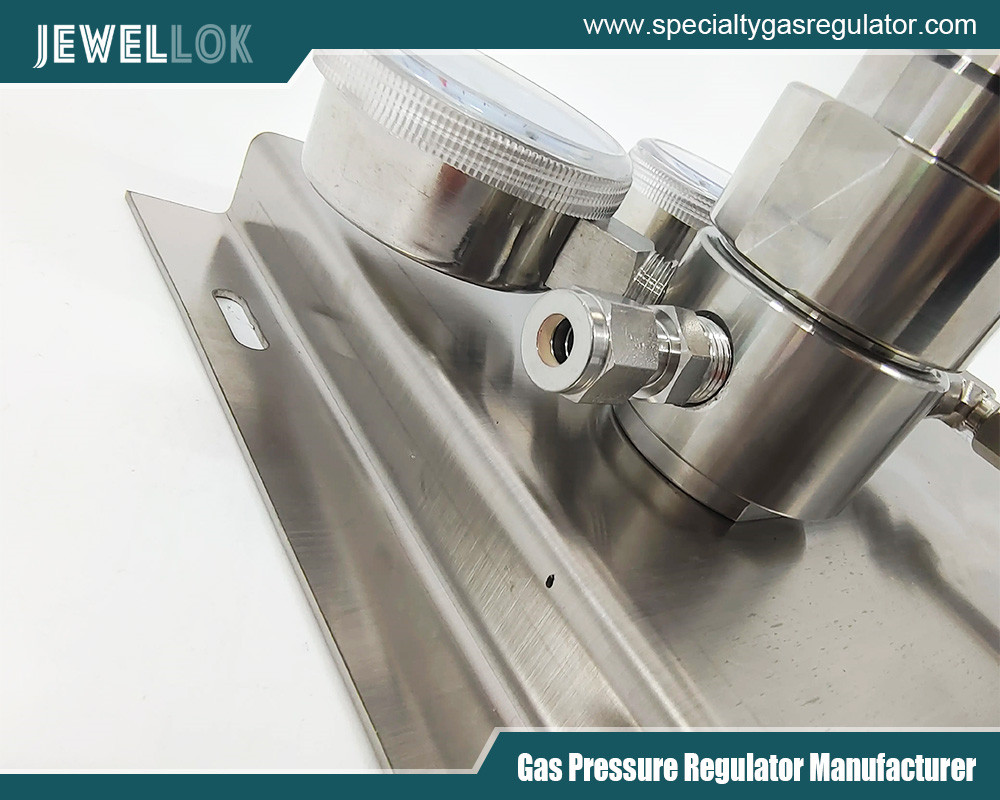
Conclusion
Gas cylinder PRVs represent a cornerstone of safety in high-purity gas systems, blending mechanical precision with material innovation. By mastering their mechanics, types, materials, integration, and maintenance, engineers foster resilient infrastructures. As industries advance toward extreme conditions, PRV evolution—incorporating IoT and adaptive controls—will drive further progress, safeguarding operations and lives.
For more about the engineering and implementation of gas cylinder pressure relief valves (prvs) in high-purity gas systems, you can pay a visit to Jewellok at https://www.specialtygasregulator.com/ for more info.
-
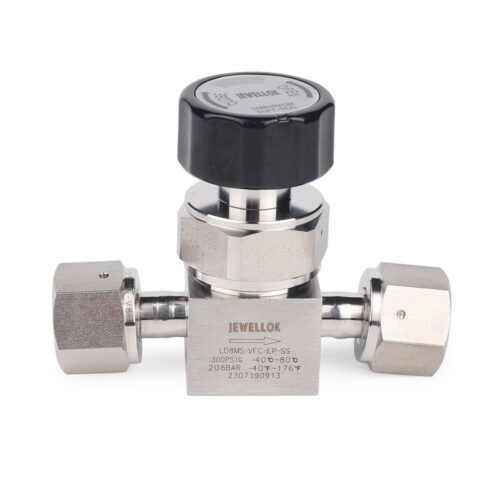
Flow Control Stainless Steel Low Pressure Manual Diaphragm Valve For High Purity And Ultra High Purity Gases
-
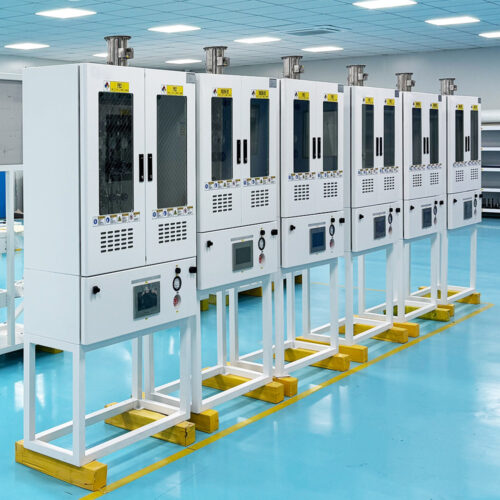
UHP Liquid Chemical Delivery Systems with Nitrogen Blanketing and Secondary Containment for Hazardous Industrial Chemical Processing
-
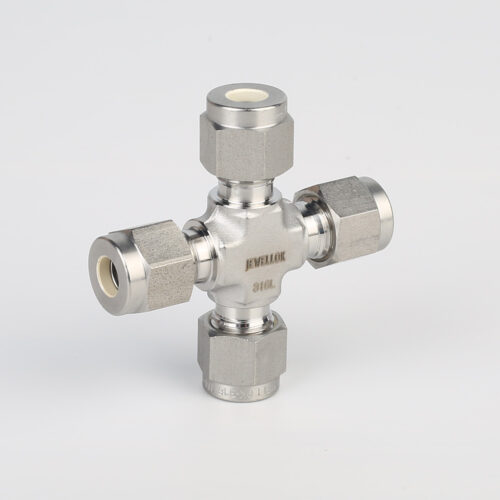
7102L Stainless Steel 316L SS Union Cross Ultra High Purity Long Arm Union Elbow Tee Cross Butt Weld Fittings
-
Ultra High Purity Gas Delivery Systems And Liquid Chemical Delivery Systems JW-300-LDS
-
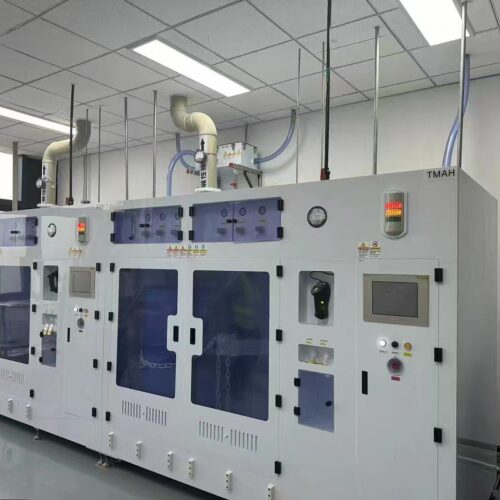
Integrated Bulk Chemical Delivery System and Automatic CDU Solutions for Safe Hazardous Chemical Fluid Handling
-
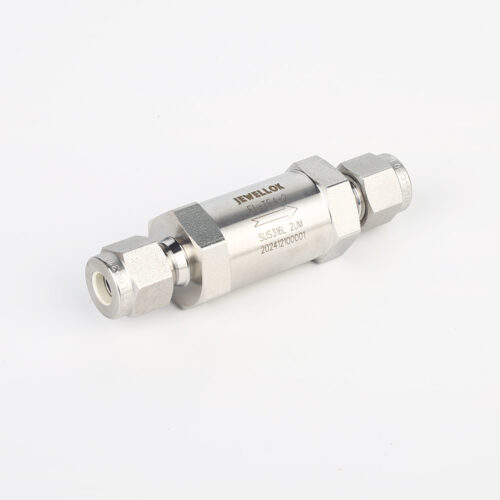
JF Series In-Line Gas Filters | High Purity High Precision High Flow Semiconductor Gas Filter Gas Filtration & Purification
-
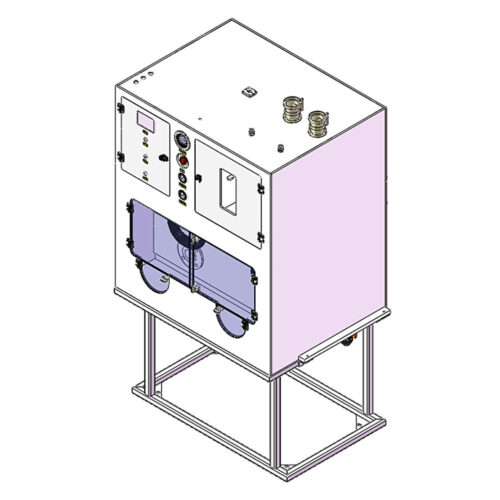
Clean Connection Cabinet JW-300-CCB Valve Manifold Box And Control Valve Box
-
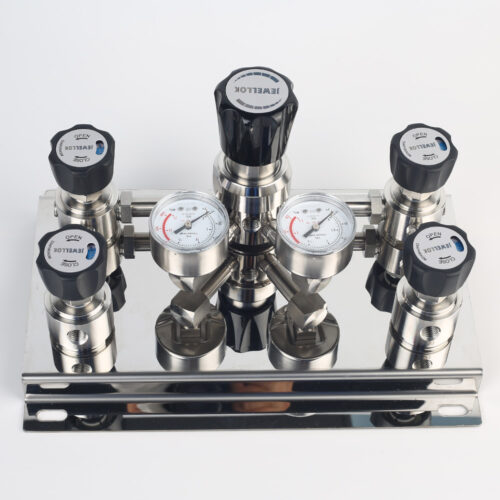
Single Stage Wall And Cabinet Mounting Pressure Control Panels JSP-2E Series For High Purity Gases