
Regulator Manufacturer Tel: +86 13380377051
Regulator Manufacturer Tel: +86 13380377051
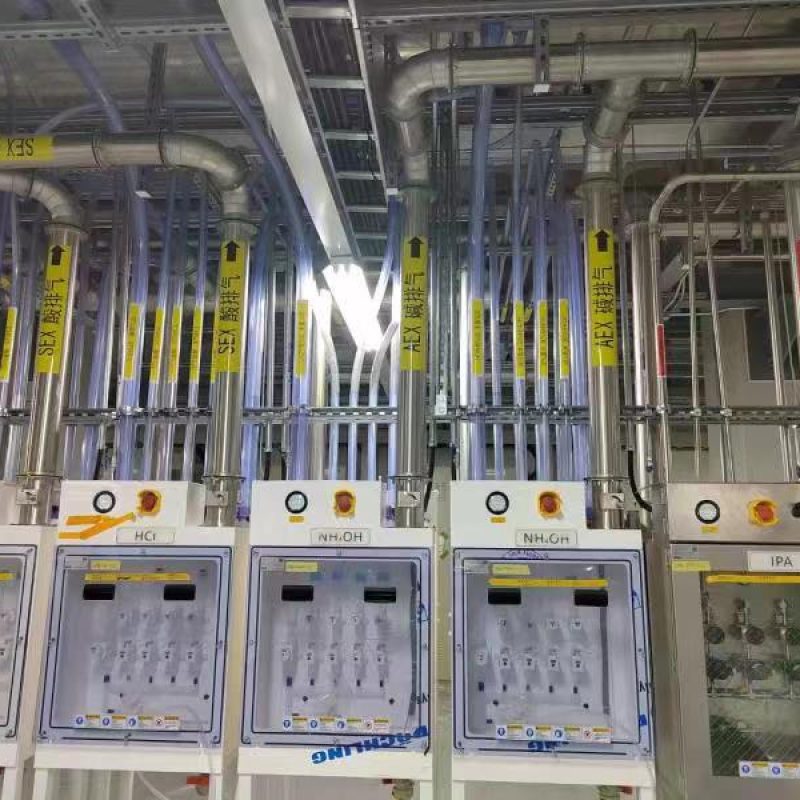
What Is a Chemical Delivery Module and How Does It Work?
In modern high-tech industries such as semiconductor manufacturing, pharmaceuticals, and advanced materials processing, the precise handling and delivery of chemicals are critical to ensuring product quality, process stability, and operational safety. One of the core systems enabling this precision is the Chemical Delivery Module (CDM). Although often operating behind the scenes, the CDM plays a central role in controlling how chemicals are stored, transported, measured, and supplied to production equipment.
This article provides a comprehensive overview of what a Chemical Delivery Module is, its key components, working principles, and its importance in industrial applications.
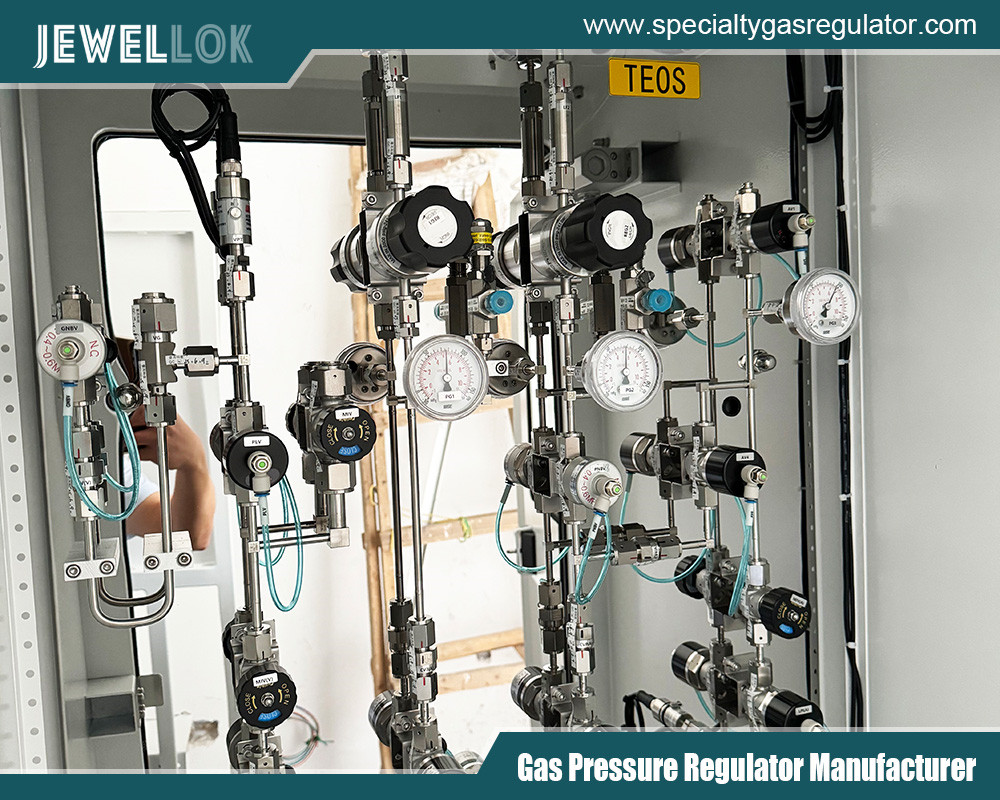
1. Definition of a Chemical Delivery Module
A Chemical Delivery Module (CDM) is an integrated system designed to safely store, control, and deliver liquid or gaseous chemicals from a supply source to a point of use in a controlled and repeatable manner. It is commonly used in environments where high purity, precision dosing, and contamination control are essential.
Depending on the application, a CDM may handle:
- Acids (e.g., sulfuric acid, hydrofluoric acid)
- Solvents (e.g., IPA, acetone)
- Bases (e.g., ammonium hydroxide)
- Specialty chemicals (e.g., photoresists, precursors)
The system ensures that chemicals are delivered at the correct flow rate, pressure, temperature, and purity level, while minimizing risks such as leaks, contamination, or operator exposure.
2. Key Components of a Chemical Delivery Module
A typical CDM consists of several subsystems working together. The main components include:
2.1 Chemical Storage Unit
This is where the chemical is initially stored. It can be:
- Bulk tanks
- Drums
- Intermediate Bulk Containers (IBCs)
The storage unit is often equipped with level sensors to monitor the remaining volume of chemicals.
2.2 Pumps
Pumps are responsible for moving chemicals through the system. Common types include:
- Diaphragm pumps (for high purity applications)
- Peristaltic pumps (for precise dosing)
- Centrifugal pumps (for high flow rates)
The choice of pump depends on the chemical properties and process requirements.
2.3 Valves
Valves control the flow and direction of chemicals. In high-purity systems, diaphragm valves are widely used due to their low contamination risk.
Types of valves include:
- Shut-off valves
- Check valves
- Pressure relief valves
2.4 Filters
Filters remove particles and impurities to maintain chemical purity. In semiconductor applications, filtration levels can reach sub-micron or even nanometer scales.
2.5 Flow and Pressure Sensors
These sensors monitor:
- Flow rate
- Pressure levels
They provide real-time data to ensure the system operates within specified parameters.
2.6 Control System
The control system is the “brain” of the CDM. It typically includes:
- Programmable Logic Controllers (PLCs)
- Human-Machine Interfaces (HMIs)
It automates operations such as:
- Flow regulation
- Alarm triggering
- System shutdown in case of faults
2.7 Piping and Tubing
High-purity materials such as:
- PFA (Perfluoroalkoxy)
- PTFE (Polytetrafluoroethylene)
- Stainless steel (electropolished)
are used to prevent chemical reactions and contamination.
3. Working Principle of a Chemical Delivery Module
The operation of a CDM can be understood as a sequence of controlled steps, from chemical storage to final delivery.
3.1 Chemical Loading
Chemicals are loaded into the storage unit either manually (e.g., drum replacement) or automatically (e.g., bulk supply systems). Level sensors continuously monitor the volume.
3.2 System Priming
Before operation, the system is primed to remove air bubbles and ensure smooth chemical flow. This step is critical in high-precision applications.
3.3 Chemical Transfer
The pump initiates the movement of the chemical through the piping system. The flow rate is carefully controlled based on process requirements.
3.4 Flow Regulation
Valves and flow controllers adjust the chemical delivery rate. The control system uses feedback from sensors to maintain stable conditions.
For example:
- If flow rate drops → pump speed increases
- If pressure exceeds limits → relief valve activates
3.5 Filtration
As the chemical moves through the system, it passes through filters to remove contaminants. This ensures that only high-purity chemicals reach the process tool.
3.6 Delivery to Point of Use (POU)
The chemical is delivered to the target equipment, such as:
- Wet benches
- Chemical mechanical planarization (CMP) tools
- Etching systems
At this stage, precise dosing is critical to process consistency.
3.7 Monitoring and Feedback
Sensors continuously monitor system parameters. The control system adjusts operations in real time to maintain optimal performance.
3.8 Safety and Shutdown
If abnormal conditions occur (e.g., leak detection, pressure spikes), the system automatically:
- Shuts down pumps
- Closes valves
- Triggers alarms
This ensures operator safety and prevents equipment damage.
4. Types of Chemical Delivery Modules
Different industries require different CDM configurations. Common types include:
4.1 Liquid Chemical Delivery Systems
Used for acids, solvents, and bases. These systems focus on:
- Corrosion resistance
- Leak prevention
- Accurate flow control
4.2 Gas Delivery Systems
Designed for specialty gases in semiconductor manufacturing. These systems require:
- Ultra-high purity (UHP) standards
- Leak-tight connections
- Precise pressure control
4.3 Chemical Dispense Units (CDUs)
A CDU is a specialized type of CDM that focuses on precise dosing and dispensing at the point of use.
4.4 Bulk Chemical Distribution Systems
These systems supply chemicals from a central storage area to multiple tools across a facility.
5. Applications of Chemical Delivery Modules
CDMs are widely used in industries where precision and purity are critical.
5.1 Semiconductor Manufacturing
In semiconductor fabs, CDMs deliver ultra-pure chemicals for processes such as:
- Wafer cleaning
- Etching
- Deposition
Even trace contamination can affect chip performance, making CDMs essential.
5.2 Pharmaceutical Industry
Used for:
- Drug formulation
- Cleaning processes
- Controlled chemical reactions
5.3 Chemical Processing Plants
CDMs ensure safe handling and transfer of hazardous chemicals.
5.4 Solar and Display Manufacturing
Used in the production of:
- Photovoltaic cells
- LCD and OLED panels
6. Advantages of Chemical Delivery Modules
6.1 High Precision
CDMs provide accurate control over flow rate and chemical volume, ensuring consistent process results.
6.2 Enhanced Safety
Automated controls and leak detection systems reduce risks to operators.
6.3 Contamination Control
Use of high-purity materials and filtration systems ensures chemical integrity.
6.4 Automation and Efficiency
Integration with factory automation systems reduces manual intervention and improves productivity.
6.5 Scalability
CDMs can be designed for small-scale labs or large industrial facilities.
7. Challenges and Considerations
Despite their advantages, CDMs also present certain challenges:
7.1 Material Compatibility
Selecting the right materials is crucial to prevent chemical reactions or degradation.
7.2 Maintenance
Regular maintenance is required to:
- Replace filters
- Calibrate sensors
- Inspect valves and pumps
7.3 Cost
High-purity systems, especially in semiconductor applications, can be expensive.
7.4 System Integration
Ensuring compatibility with existing equipment and control systems can be complex.
8. Future Trends in Chemical Delivery Systems
The evolution of CDMs is driven by increasing demands for precision, safety, and automation.
8.1 Smart Monitoring
Integration with IoT technologies enables:
- Real-time data analytics
- Predictive maintenance
8.2 Miniaturization
Compact systems are being developed for space-constrained environments.
8.3 Enhanced Purity Standards
As technology advances, the need for ultra-clean chemical delivery continues to grow.
8.4 Sustainability
Efforts are being made to:
- Reduce chemical waste
- Improve energy efficiency
9. Conclusion
A Chemical Delivery Module is a vital system in modern industrial processes, ensuring the safe, precise, and efficient transport of chemicals from storage to point of use. By integrating components such as pumps, valves, sensors, and control systems, CDMs provide reliable chemical management while maintaining high standards of purity and safety.
As industries continue to demand greater precision and automation, the role of chemical delivery modules will only become more significant. Understanding their working principles and design considerations is essential for engineers, operators, and decision-makers involved in advanced manufacturing and chemical processing.
For more about what is a chemical delivery module and how does it work, you can pay a visit to Jewellok at https://www.specialtygasregulator.com/product-category/uhp-liquid-delivery-system/ for more info.
-
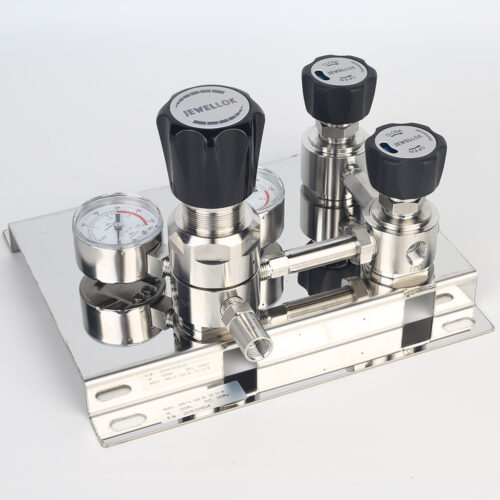
Stainless Steel 316L Single Stage Regulator Pressure Control Panels JSP-1E Series For Semiconductor Fluid Control
-
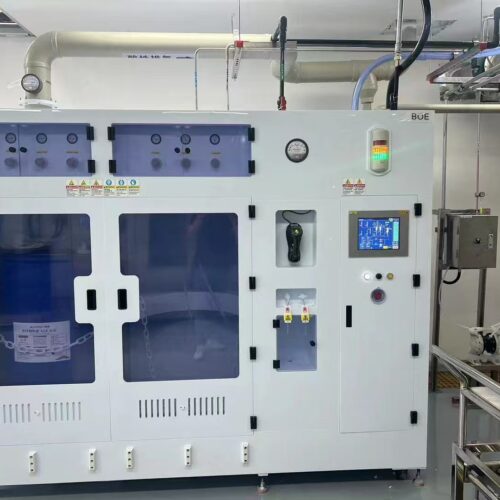
High Purity Bulk Chemical Delivery System and Automatic CDU for Advanced Semiconductor Manufacturing and Fabrication
-
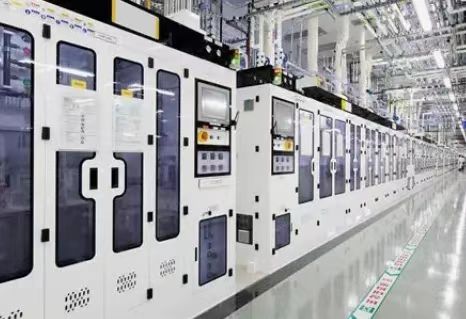
Automatic Chemical Delivery Module (CDM) and Chemical Delivery System (CDS) for Precise Point of Use Blending and Dilution
-
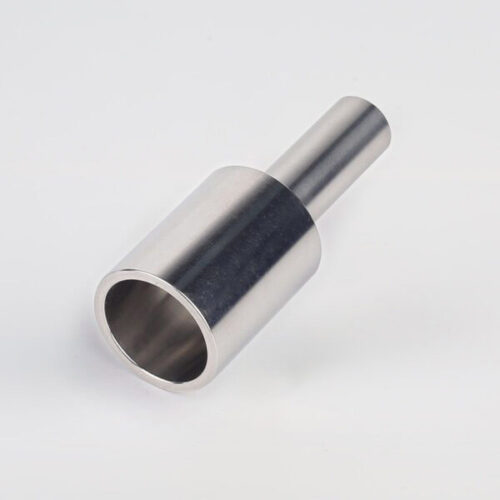
316L Stainless Steel Tube Butt Weld Reducing Fittings Union Reducer RW Series Ultrahigh Purity Process
-
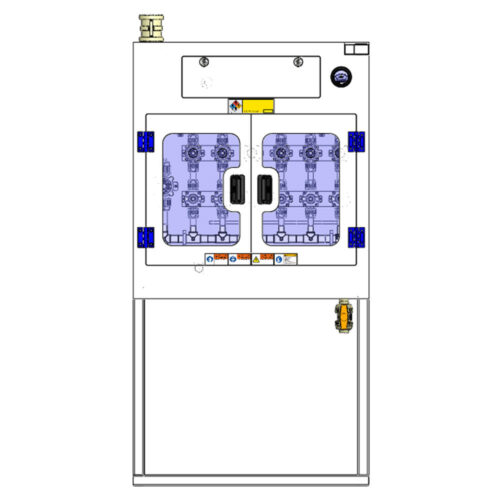
High Purity Configurable Systems VMB Valve Manifold Box JW-200-VMB-C & JW-100-VMB-C
-
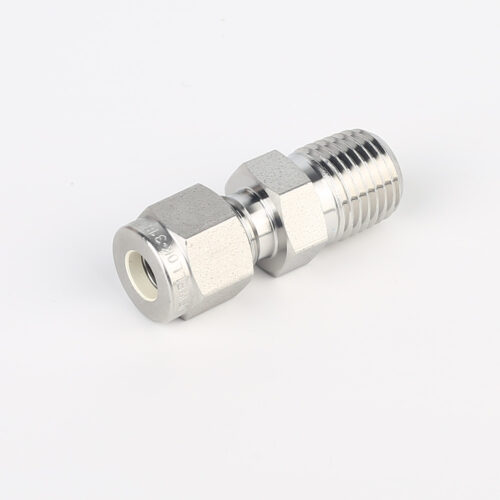
768L Stainless Steel Male Tube Butt Weld Connector | Clean Weld Fittings And Ultra-High Purity Fittings
-
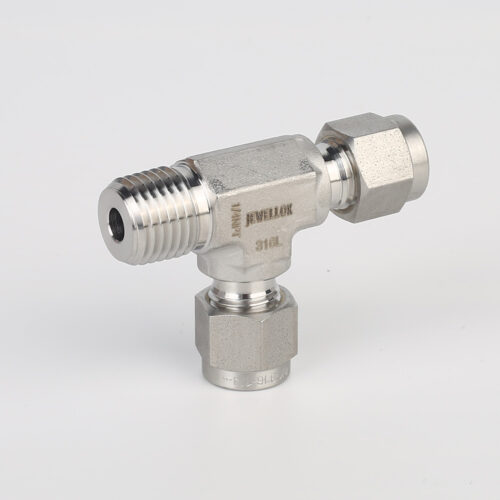
771L Male Run Tee | Stainless Steel High Quality High Purity Male Run Tee Branch Tee Pipe Fittings
-
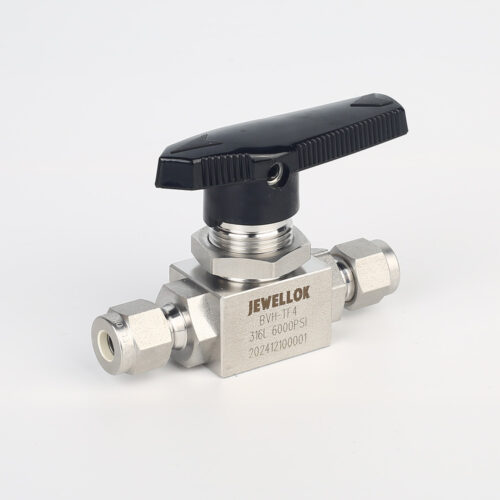
High Purity High Pressure 316 Stainless Steel Ball Valves JBV1 Series From High Pressure Ball Valve Manufacturer And Supplier In China