
Regulator Manufacturer Tel: +86 13380377051
Regulator Manufacturer Tel: +86 13380377051
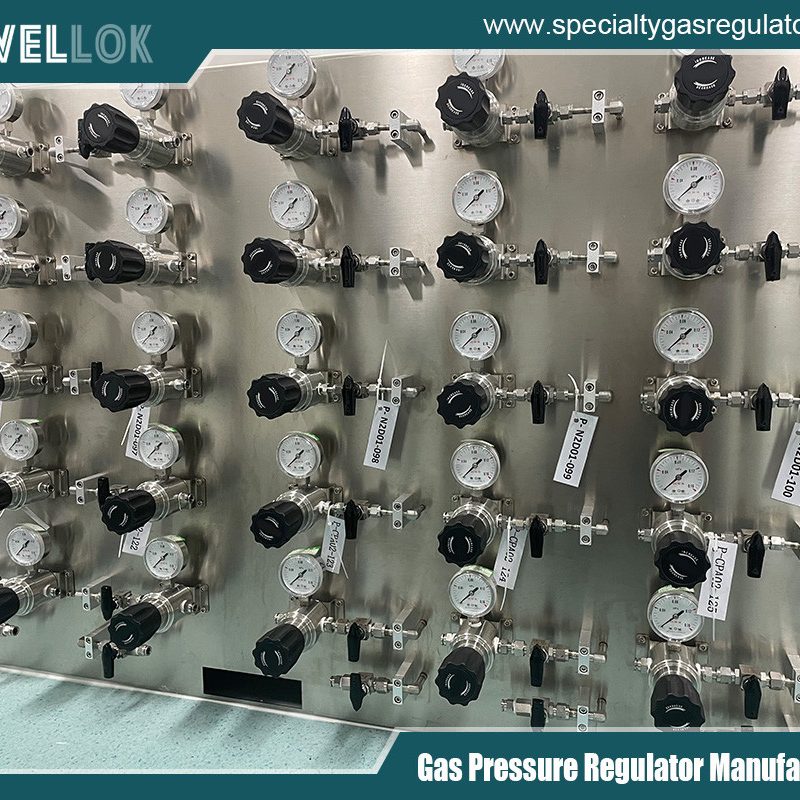
5 Ra Electropolished Diaphragm Valves for Ultra High Purity Gas Fluid Control
In the realm of ultra-high purity (UHP) gas fluid control systems, precision and cleanliness are paramount. Industries such as semiconductor manufacturing, pharmaceuticals, biotechnology, and specialty gas production demand components that minimize contamination risks while ensuring reliable performance. Among these critical components, 5 Ra electropolished diaphragm valves stand out as a gold standard for handling sensitive gases and fluids. The “5 Ra” designation refers to the surface roughness average (Ra) of 5 microinches or less, achieved through electropolishing—a process that enhances surface smoothness and purity. This article delves into the technical aspects of these valves, exploring their design, benefits, applications, and maintenance considerations, highlighting why they are indispensable in UHP environments.
Diaphragm valves operate by using a flexible diaphragm to isolate the fluid path from the valve’s actuating mechanism. This design prevents direct contact between the process media and potential contaminants from the valve body or stem, making them ideal for UHP systems. When combined with electropolishing to achieve a 5 Ra finish, these valves offer unparalleled cleanliness, reducing particle generation, outgassing, and microbial adhesion. As global industries push toward higher purity standards—driven by advancements in microelectronics and bioprocessing—the adoption of such valves has surged, ensuring compliance with stringent regulations like those from SEMI (Semiconductor Equipment and Materials International) and FDA guidelines.
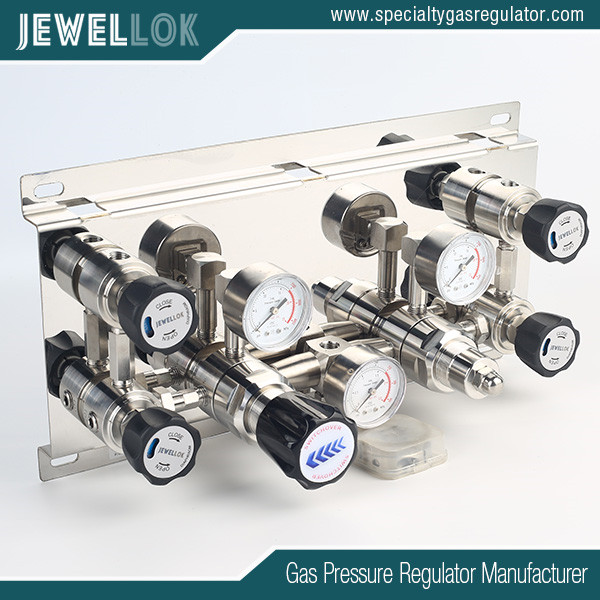
Understanding Electropolishing and Surface Roughness
Electropolishing is an electrochemical process that removes material from a metal surface to produce a smooth, mirror-like finish. Unlike mechanical polishing, which can introduce scratches or embedded particles, electropolishing dissolves surface peaks preferentially, resulting in a leveled topography. For diaphragm valves, typically constructed from 316L stainless steel or other corrosion-resistant alloys, this process not only smooths the surface but also passivates it, forming a chromium-rich oxide layer that enhances corrosion resistance.
The Ra value measures surface roughness as the arithmetic average of absolute profile deviations from the mean line. A 5 Ra finish indicates an exceptionally smooth surface, often specified for UHP applications where even microscopic irregularities can trap contaminants or promote bacterial growth. In comparison, standard machined surfaces might have an Ra of 32 or higher, which is inadequate for purity-critical systems. Achieving 5 Ra through electropolishing involves immersing the valve components in an electrolyte bath, applying a direct current, and controlling parameters like temperature, voltage, and immersion time. This results in a surface that is not only smoother but also free from burrs, pits, and inclusions, reducing the risk of particulate shedding during operation.
In UHP gas fluid control, surface roughness directly impacts system integrity. Rough surfaces can harbor moisture, organic residues, or metallic particles, leading to contamination in downstream processes. For instance, in semiconductor fabs, even parts-per-billion (ppb) levels of impurities can ruin wafer yields. Electropolished surfaces at 5 Ra minimize these risks by facilitating easier cleaning and faster purging, ensuring that gases like nitrogen, argon, or specialty mixtures remain uncontaminated.
Design and Functionality of Diaphragm Valves
Diaphragm valves consist of a body, bonnet, diaphragm, and actuator. The diaphragm, often made from elastomers like EPDM, PTFE, or metal alloys for UHP variants, acts as a barrier that flexes to open or close the flow path. In 5 Ra electropolished models, all wetted surfaces—those in contact with the fluid—are treated to meet the smoothness criteria. This includes the valve seat, weir (the raised area against which the diaphragm seals), and internal passages.
Actuation can be manual, pneumatic, or electric, with pneumatic options being prevalent in automated UHP systems for their reliability and clean operation. Pneumatic actuators use clean, dry air to move the diaphragm, avoiding electrical components that might introduce electromagnetic interference in sensitive environments. The valve’s design ensures zero dead volume, meaning no pockets where fluid can stagnate, which is crucial for preventing cross-contamination in multi-gas lines.
Key technical specifications for these valves include pressure ratings up to 150 psi or higher, temperature tolerances from -40°C to 150°C, and leak rates as low as 1×10^-9 scc/sec helium. Port configurations vary, such as face seal (VCJ), tube butt weld, or sanitary fittings, allowing seamless integration into existing piping. For UHP gas control, valves often feature multi-turn diaphragms for precise throttling, unlike on-off ball valves that might cause pressure spikes.
Benefits in Ultra High Purity Applications
The primary advantage of 5 Ra electropolished diaphragm valves lies in their contribution to system purity. Electropolishing removes subsurface damage from manufacturing, eliminating sites for corrosion initiation. This is vital for handling corrosive gases like hydrogen chloride or silane, where pitting could lead to leaks or failures. The smooth surface also reduces outgassing— the release of trapped gases or volatiles—which is critical in vacuum or low-pressure systems.
Reliability is another key benefit. Diaphragms in these valves can endure millions of cycles without failure, thanks to fatigue-resistant materials and optimized geometries. In contrast to globe or needle valves, diaphragm designs have no sliding or rotating parts in the fluid path, minimizing wear and particle generation. This translates to longer mean time between failures (MTBF) and reduced downtime in production environments.
From a cleanliness perspective, these valves support stringent cleaning protocols, such as those using deionized water or inert gas purging. The 5 Ra finish allows for effective passivation and sterilization, meeting ISO 14644 cleanroom standards. In pharmaceutical applications, they prevent bioburden accumulation, ensuring compliance with cGMP (current Good Manufacturing Practices).
Energy efficiency is an often-overlooked perk. Smooth internal surfaces reduce flow resistance, lowering pressure drops and pump requirements in fluid delivery systems. This can lead to significant cost savings in large-scale operations, such as gas distribution manifolds in fabs.
Applications Across Industries
Semiconductor manufacturing represents the largest market for 5 Ra electropolished diaphragm valves. In chemical vapor deposition (CVD) or etching processes, precise control of precursor gases is essential. These valves regulate flows in gas cabinets, valve manifold boxes (VMBs), and point-of-use purifiers, maintaining purity levels below 1 ppb for moisture and oxygen.
In the pharmaceutical and biotechnology sectors, these valves are used in bioprocessing equipment for handling sterile gases and fluids. For example, in fermenters or chromatography systems, they control aeration gases like oxygen or carbon dioxide, preventing contamination that could spoil batches. Their electropolished surfaces are compatible with clean-in-place (CIP) and sterilize-in-place (SIP) procedures, ensuring hygienic operation.
Specialty gas industries, including those producing calibration mixtures for analytical instruments, rely on these valves for blending and delivery. In aerospace and defense, they manage propellant gases in testing rigs, where purity affects performance and safety.
Emerging applications include hydrogen fuel cell systems and advanced materials research, where UHP hydrogen or noble gases demand impeccable control. As industries adopt Industry 4.0 principles, smart versions of these valves with integrated sensors for flow monitoring and predictive maintenance are gaining traction.
Comparison with Alternative Valve Technologies
While diaphragm valves excel in UHP scenarios, alternatives like bellows-sealed or ball valves have their niches. Bellows valves offer similar isolation but can be bulkier and more expensive, with potential fatigue in the bellows. Ball valves, though cost-effective for general use, introduce particulates from seat wear and are unsuitable for UHP due to higher leak rates.
Needle valves provide fine control but expose threads to the fluid, risking contamination. In terms of surface finish, mechanically polished valves might achieve 10-15 Ra, but they lack the passivation benefits of electropolishing, leading to higher corrosion susceptibility.
Overall, 5 Ra electropolished diaphragm valves balance cost, performance, and purity, making them preferable for most UHP gas fluid control needs.
Installation, Maintenance, and Best Practices
Proper installation is crucial for optimal performance. Valves should be mounted in orientations that prevent diaphragm sagging, typically with the actuator upward. Piping must be clean and free of debris, with orbital welding preferred for connections to maintain integrity.
Maintenance involves periodic diaphragm replacement, guided by cycle counts or visual inspections. Non-destructive testing, such as helium leak detection, verifies seal integrity. Cleaning protocols include flushing with high-purity nitrogen followed by vacuum baking to remove residuals.
Best practices include selecting valves with traceable certifications for materials and finishes, ensuring compatibility with system pressures and media. Training personnel on handling to avoid surface scratches is essential, as even minor damage can compromise purity.

Conclusion
5 Ra electropolished diaphragm valves represent a pinnacle of engineering for ultra-high purity gas fluid control. Their smooth, passivated surfaces, combined with robust diaphragm isolation, deliver unmatched purity, reliability, and efficiency. As industries evolve toward nanoscale precision and sterile processing, these valves will continue to play a vital role, safeguarding product quality and operational safety. By investing in such advanced components, organizations can achieve superior performance while meeting the rigorous demands of modern manufacturing.
For more about 5 ra electropolished diaphragm valves for ultra high purity gas fluid control, you can pay a visit to Jewellok at https://www.specialtygasregulator.com/product-category/ultra-high-purity-diaphragm-valves/ for more info.
-
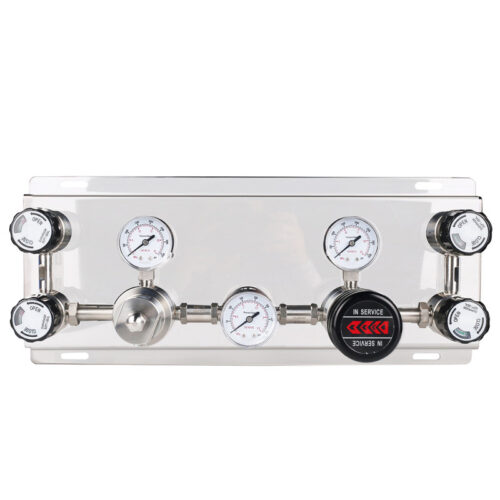
Semi Automatic And Automatic Switching Speicialty Gas Changeover Manifold Panel With Semiconductor Valve Manifold Box Gas Pressure Regulators
-
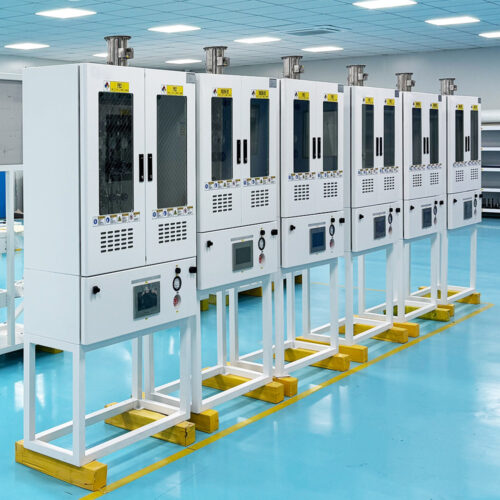
Precision Stainless Steel Valve Manifold Panel for Inert Gas Distribution in Cleanroom Manufacturing Environments
-
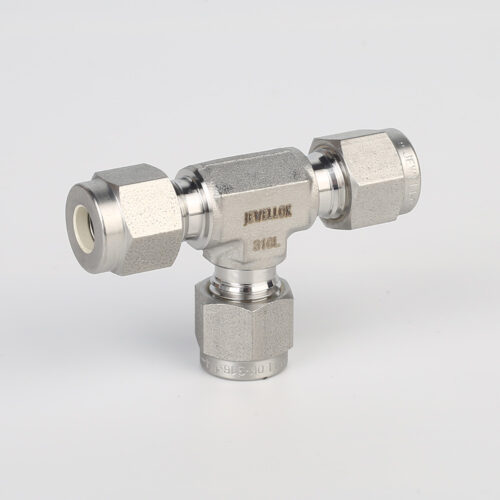
764L Stainless Steel Union Tee High Purity Fitting Union Tee Reducing Tubing Connection
-
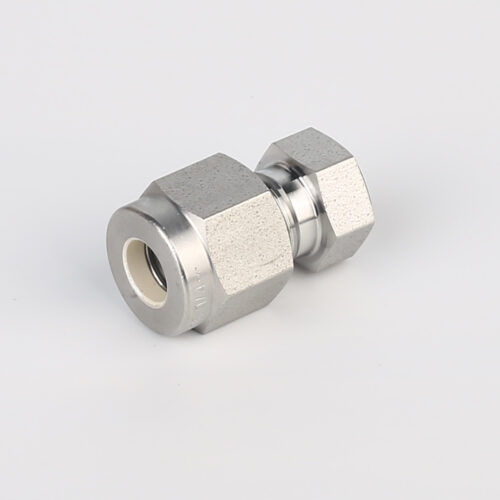
7108L Cylinder Cap Connectors For Ultra High Purity Gases
-
Custom Wet and Dry Exhaust Gas Scrubber System Technology for Effective Acid Gas Neutralization
-
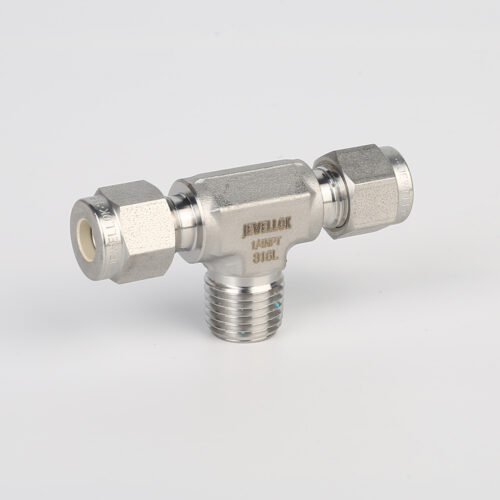
772L Male Branch Tee | Stainless Steel High-Purity Tube Fitting Male Branch Tee
-
Integrated Gas Delivery Solutions with VMB Valve Manifold Box and Automatic Gas Switchover Systems for Industrial
-
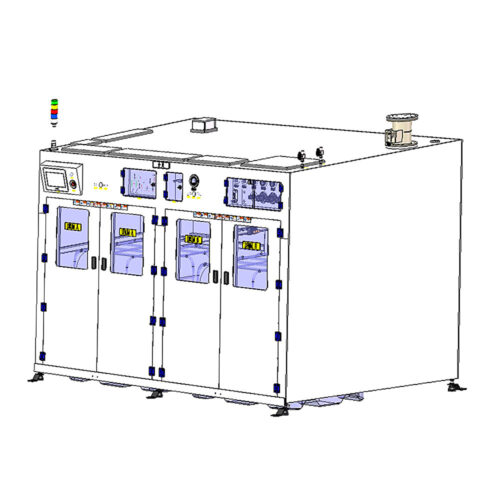
High Purity Chemical Dispense System & Packing System For Semiconductors JW-200L-CDM & JW-1000L-CDM