
Regulator Manufacturer Tel: +86 13380377051
Regulator Manufacturer Tel: +86 13380377051
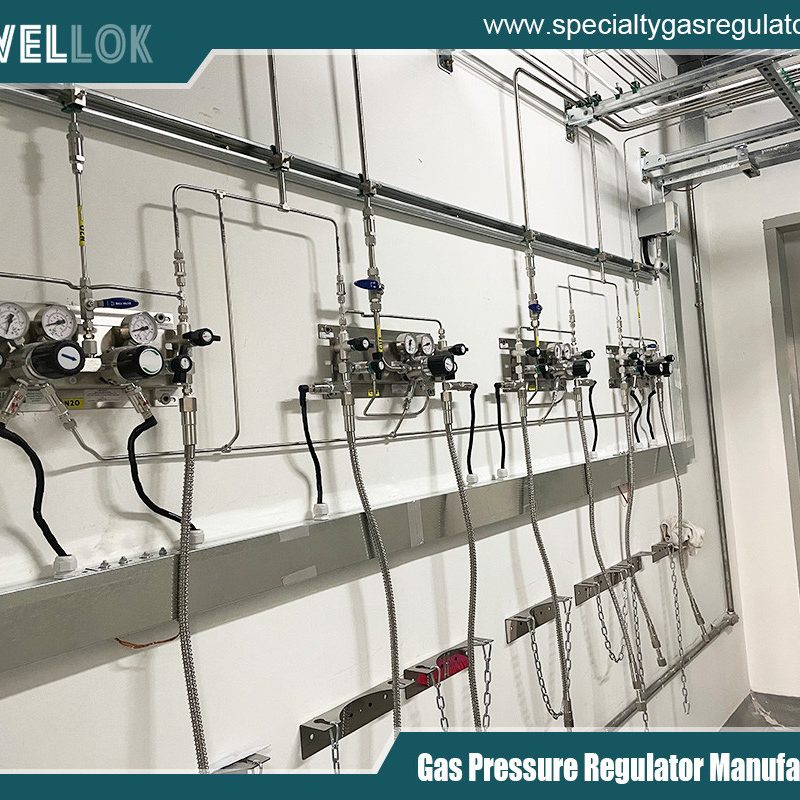
CGA Fittings for Specialty Gas Regulators: A Complete Guide
In the precise world of specialty gases—from ultra-high-purity semiconductor process gases to corrosive research compounds and life-saving medical mixtures—safety and integrity are paramount. At the heart of this safe handling lies a deceptively simple, yet critically important component: the Compressed Gas Association (CGA) fitting. These standardized connections form the vital interface between a gas cylinder and its regulator, ensuring a leak-proof, non-interchangeable, and safe seal for specific gas services. For engineers, laboratory technicians, welders, and safety officers, understanding CGA fittings is not merely technical trivia; it is a fundamental requirement for preventing dangerous accidents, maintaining gas purity, and ensuring operational efficiency. This comprehensive guide delves into the design, standards, selection, and best practices surrounding CGA fittings for specialty gas regulators.
- What Are CGA Fittings and Why Do They Matter?
CGA fittings are mechanical connections standardized by the Compressed Gas Association, a U.S.-based organization that develops safety standards for the industrial, medical, and specialty gas industries. The core principle behind the CGA system is non-interchangeability. A fitting designed for a non-flammable gas like nitrogen (CGA-580) cannot physically connect to a valve designed for a flammable gas like hydrogen (CGA-350). This mechanical incompatibility is an essential, fail-safe engineering control that prevents catastrophic errors, such as accidentally connecting an oxygen regulator to an acetylene tank, a mistake that could result in a violent explosion.
Beyond safety, CGA fittings ensure a reliable, leak-tight seal. Specialty gases can be incredibly expensive, highly toxic, pyrophoric (ignite upon contact with air), or asphyxiating. Even a minor leak can lead to significant financial loss, severe health hazards, or process contamination. The precise thread forms, sealing surfaces (either via metal-to-metal contact, PTFE seals, or integrated gaskets) and torquing specifications defined in CGA standards are engineered to prevent this.
The system covers the connection between the cylinder valve outlet and the regulator inlet. The regulator, which controls the high, variable cylinder pressure down to a safe, usable working pressure, is only as secure as its connection point.
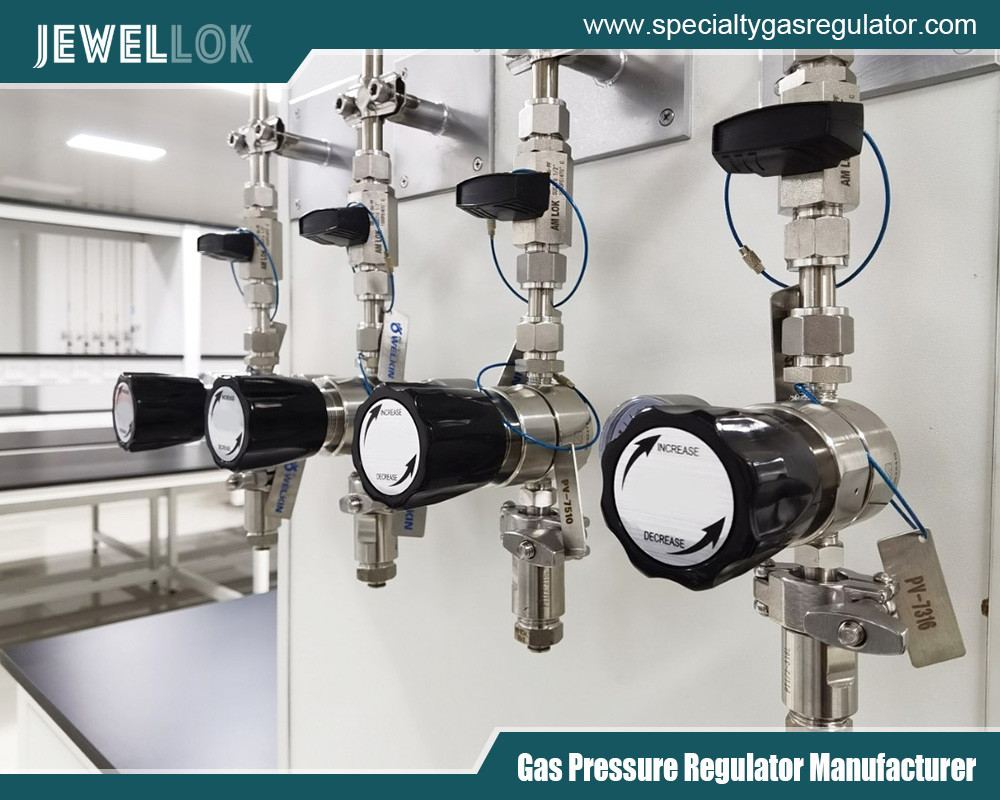
- Anatomy of a CGA Fitting: Understanding the Nomenclature
A CGA fitting designation, such as “CGA-330” or “CGA-677,” refers to a specific connection standard. This standard dictates every physical aspect of the mating connection. Key elements include:
- Thread Specifications: This includes the thread type (e.g., UN/ISO, NPT, proprietary), diameter, pitch (threads per inch), and gender (internal or external). For instance, CGA-580 (for standard Nitrogen, Argon, Helium) uses a 0.825″-14 NGO (National Gas Outlet) straight thread with a gasket seal.
- Sealing Mechanism: How the seal is achieved is a critical differentiator.
- Face Seal: A soft, disposable gasket (usually nylon, PTFE, or metal) is compressed between flat faces on the nut and the valve outlet (e.g., CGA-580, CGA-350).
- Tapered Thread (NPT) Seal: The seal is made on the threads themselves, often using pipe thread sealant (e.g., CGA-510 for CO₂). This is less common for high-purity or corrosive specialty gases due to contamination risk from sealants.
- Metal-to-Metal Cone Seat: A precision-machined conical surface on the nipple seals against a matching seat in the valve (e.g., CGA-677 for HCl, H₂S). Common for corrosive gases.
- Diaphragm Seal: Used for ultra-high-purity (UHP) and highly toxic gases. A regulator-mounted diaphragm seals directly against the cylinder valve face, isolating the gas from any threads or dead volume (e.g., CGA-DISS 634 for UHP gases).
- Handwheel Nut Design: Many CGA standards specify a handwheel nut with specific geometry (size, pin holes, notches) to facilitate proper wrenching and visual identification.
- Material: Fittings are typically brass for non-corrosive services, but stainless steel (304 or 316L) is mandatory for corrosive gases (HCl, HBr, Cl₂), semiconductor etch gases, or to maintain high purity.
- Decoding the System: Common CGA Connections for Specialty Gas Regulators
While there are hundreds of CGA standards, several are frequently encountered in specialty gas applications. The choice depends on the gas’s physical and chemical properties.
Table: Common CGA Fittings for Specialty Gas Services
| CGA Number | Typical Gas Service | Key Characteristics | Seal Type |
| CGA-580 | Inert & Non-Flammable Gases (N₂, Ar, He, Air) | The most common “inert gas” fitting. Uses a brass nut with pin holes and a nylon gasket. | Face Seal (Nylon Gasket) |
| CGA-350 | Hydrogen, Methane, Other Fuel Gases | Left-handed thread (Lefty-Tighty). Prevents connection to oxygen equipment. External notch on nut for identification. | Face Seal (Usually PTFE Gasket) |
| CGA-660 | Oxygen, Nitrous Oxide | “Right-handed thread.” Cleaned for oxygen service (O² Clean). Absolutely no oil or grease. Often has a distinct notch pattern. | Face Seal (Usually PTFE or Metal) |
| CGA-330 | Acetylene (for dissolved acetylene cylinders) | Used with a regulator that has a stem and seal assembly, not a standard nipple. Prevents use of a single-stage regulator not designed for acetylene. | Special Seat Seal |
| CGA-677 | Corrosive & Toxic Gases (HCl, H₂S, Cl₂, SiH₄) | Brass or Stainless Steel. Uses a metal-to-metal conical seat (Kellett or “C” seat). No gasket to degrade. Requires precise assembly. | Metal-to-Metal Cone Seat |
| CGA-705 | Ammonia | Uses a special acme thread. Common in refrigeration and chemical processing. | Special Thread Form |
| CGA-DISS 634 | Ultra-High-Purity (UHP) & Pyrophoric Gases | Part of the DISS (Diameter Index Safety System) series. A straight-thread with a face seal via a captured gasket or diaphragm. Minimizes dead volume. | Diaphragm / Face Seal |
| CGA-326 | Semiconductor Process Gases (NF₃, WF₆, C₂F₆) | Stainless steel, often with a VCJ® (Vacuum Coupling Radial) or similar metal gasket face seal for zero leakage. Used in gas panels. | Metal Gasket Face Seal |
- Selection Criteria: Choosing the Right CGA Fitting
Selecting the correct CGA fitting is a systematic process driven by safety data and application requirements:
- Gas Compatibility: This is the non-negotiable first step. Always consult the gas supplier’s Safety Data Sheet (SDS) and cylinder valve label. They will specify the required CGA connection. Never assume based on gas family.
- Gas Properties:
- Corrosivity: Corrosive gases (e.g., HCl, Cl₂) require stainless steel (usually 316L) CGA fittings to resist attack. Brass will corrode rapidly.
- Purity: For UHP gases (99.999% and above), electropolished stainless steel CGA-DISS or VCJ® fittings are necessary to prevent contamination from the connection itself. They are also cleaned to rigorous standards (e.g., ASTM G93).
- Toxicity/Pyrophoricity: For extremely hazardous gases, double-contained fittings or “pigtail” connections with integral excess flow valves may be required.
- Pressure Rating: Ensure the fitting is rated for the full cylinder service pressure (e.g., up to 3000 psi for high-pressure gases, 500 psi for low-pressure corrosives).
- Regulator Type: The CGA fitting is machined onto the regulator inlet. You must purchase a regulator designed for your specific gas service. A “hydrogen regulator” comes with a CGA-350 inlet.
- Safety, Installation, and Maintenance Protocols
Proper handling is as important as correct selection.
- Leak Checking: Always perform a leak check after connecting a regulator. Use a commercial leak detection solution approved for the gas type (e.g., non-ammonia based for oxygen). Never use soapy water, as it can contaminate fittings and cause corrosion, especially with reactive gases.
- Torquing: Overtightening is a common cause of failure. It can crack nuts, extrude gaskets, or gall stainless steel threads. Use a proper-sized CGA wrench and follow manufacturer torque specifications (if available). Develop a feel for “snug tight” plus a slight additional turn for gasket-sealed fittings.
- Gasket Management:
- Never reuse disposable gaskets (nylon, PTFE). Replace them every time you change cylinders.
- Inspect gaskets for nicks, cracks, or deformation.
- Ensure the gasket is the correct type and material for the gas (e.g., PTFE for oxidizers and many corrosives).
- Thread Inspection: Before connection, visually inspect both the regulator nipple and cylinder valve outlet for dirt, debris, thread damage, or signs of corrosion (“galling” on stainless steel). Do not connect if damaged.
- Cylinder Securing: Always secure the gas cylinder in a proper rack or chain before attempting to connect a regulator.
- Special Considerations and Advanced Systems
- International Variations: While CGA is dominant in North America, other standards exist globally (e.g., BS (British), DIN (German), JIS (Japanese)). For equipment used internationally, adapters may be necessary, but they introduce an additional leak point and must be managed carefully.
- Integrated Valve Regulators (IVRs): For the most hazardous gases, the CGA connection is eliminated entirely. The regulator is permanently attached to the cylinder valve at the factory, forming a single, sealed unit (“package”). The entire unit is returned to the supplier for refill.
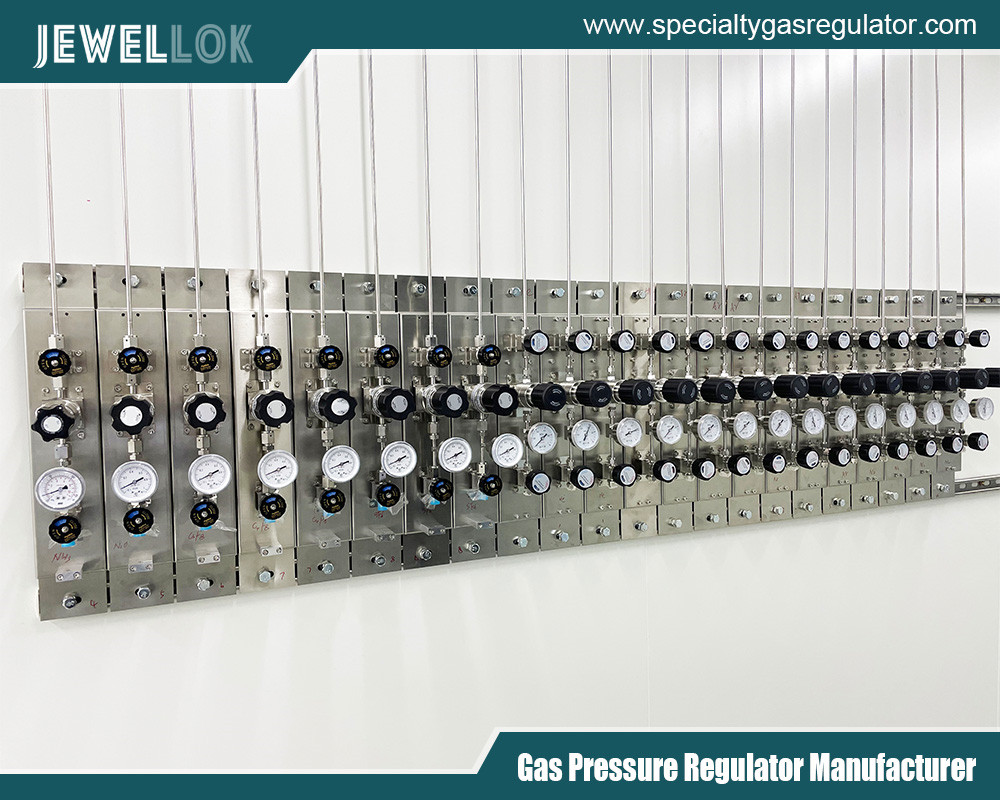
- Gas Cabinets and Line Valves: In semiconductor fab or chemical plant gas cabinets, the primary CGA connection is made to a line valve or pigtail, which is then hard-plumbed to the gas panel. This confines the initial connection point to a ventilated, safe enclosure.
Conclusion
CGA fittings are the unsung guardians of safety and quality in the specialty gas industry. Their standardized, non-interchangeable design is a brilliant example of preventative engineering, averting countless potential disasters. Mastering their selection—based on gas compatibility, material, and sealing mechanism—and adhering to rigorous installation practices are essential skills for anyone working with compressed gases. Whether you are flowing argon in a research lab, controlling silane in a cleanroom, or administering medical oxygen, understanding the “complete guide” to your CGA connection ensures that the vital link between cylinder and system remains secure, pure, and reliable. In the world of specialty gases, this knowledge is not just about connecting a regulator; it is about connecting with a culture of safety and precision.
For more about CGA fittings for specialty gas regulators: a complete guide, you can pay a visit to Jewellok at https://www.specialtygasregulator.com/about/ for more info.
-
766L High Purity Female Connector UHP Fitting Female Connector
-
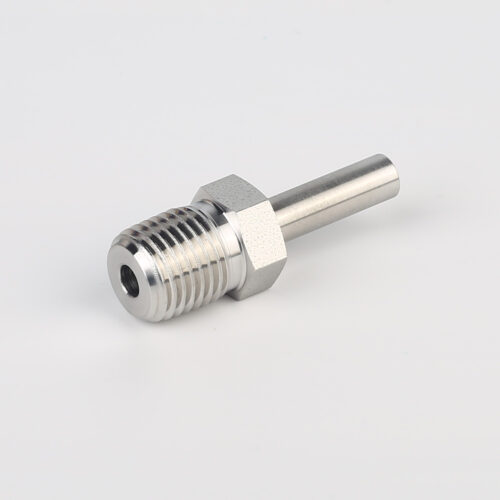
739 High Purity LMR Male Adapter Tube To Pipe Fittings And Adapters
-
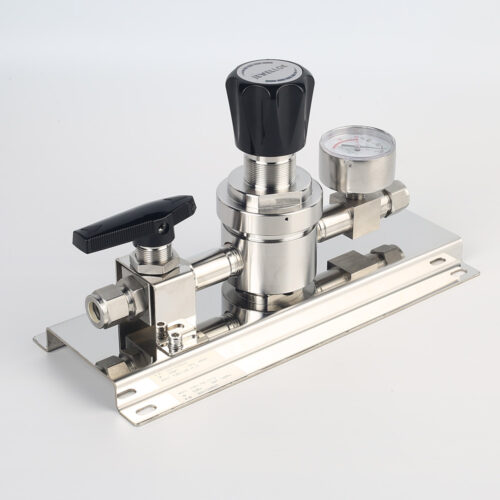
High Purity And Industria Gas Stick Assemblies Precise Pressure Control Gas Systems JSR-1ETG-BV Series
-
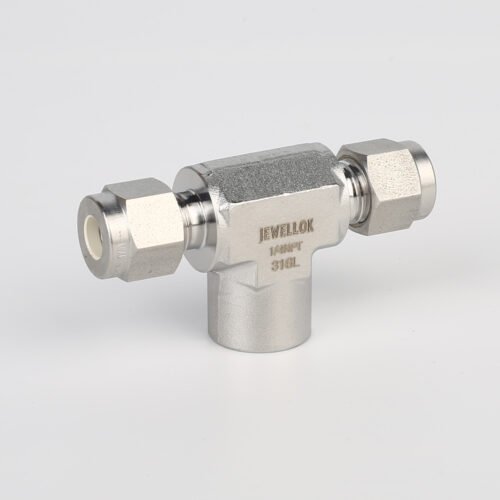
772 LF Female Branch Tee | Stainless Steel Tube Fitting Female Branch Tee 1/2 in. Tube OD x 1/2 in. Tube OD x 3/8 in. Female NPT
-
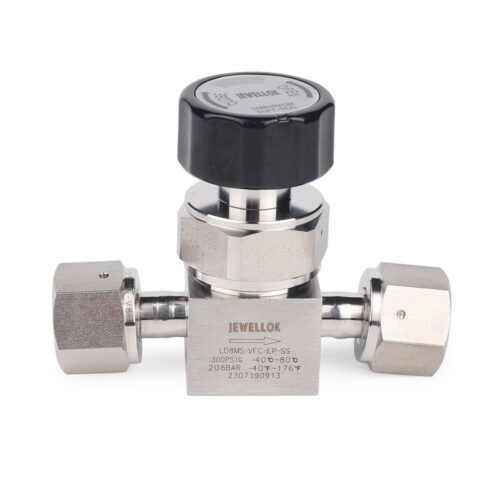
Flow Control Stainless Steel Low Pressure Manual Diaphragm Valve For High Purity And Ultra High Purity Gases
-
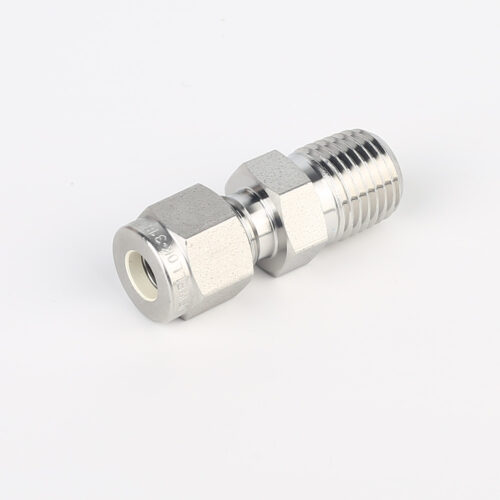
768L Stainless Steel Male Tube Butt Weld Connector | Clean Weld Fittings And Ultra-High Purity Fittings
-
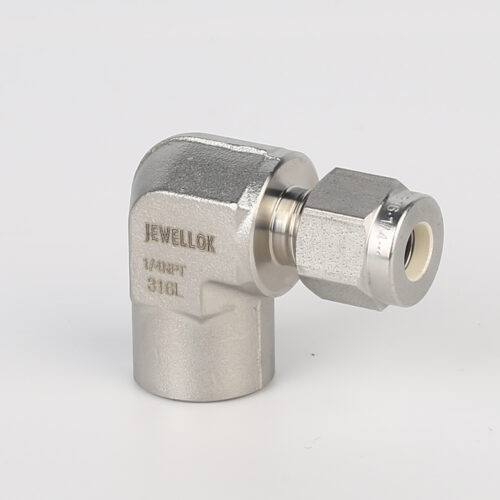
770L Female Elbow | Stainless Steel High Purity Weld Fittings Female Micro Elbow Fittings
-
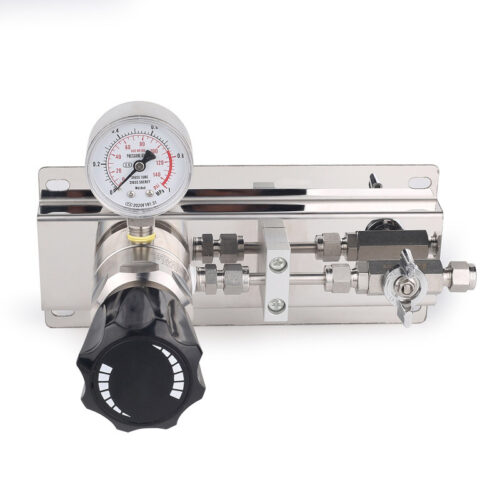
High Purity Gas Cylinder Semi Automatic Changeover Manifold Regulator Panel 3000psig Stainless Steel Gas Control Panel 1/8 Npt With Gauge