
Regulator Manufacturer Tel: +86 13380377051
Regulator Manufacturer Tel: +86 13380377051

How to Select the Right Gas Changeover Manifold System for Your Industrial Facility
In modern industrial manufacturing environments—especially in semiconductor fabrication, chemical processing, pharmaceuticals, metallurgy, and specialty gas applications—gas continuity, purity, and safety are critical. One of the key subsystems ensuring stable gas supply is the gas changeover manifold system (also known as automatic gas switchover system or gas manifold switching system).
Choosing the right gas changeover manifold system for your plant is not simply a matter of cost or size. It directly impacts production stability, gas utilization efficiency, operator safety, and overall process reliability. This article provides a comprehensive technical guide on how to select the most suitable gas changeover manifold system for your facility.
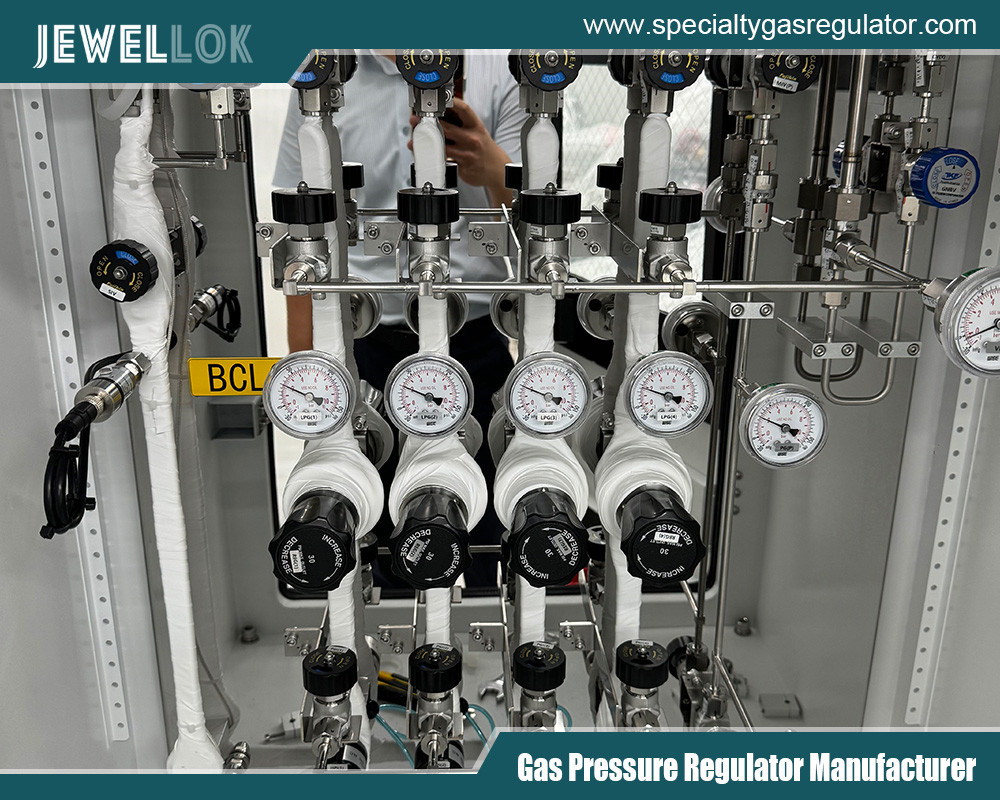
1. Understanding What a Gas Changeover Manifold System Does
A gas changeover manifold system is designed to automatically or manually switch gas supply from one source to another without interrupting downstream flow. It is commonly used in:
- High-purity gas delivery systems
- Semiconductor manufacturing lines
- Chemical vapor deposition (CVD) and etching processes
- Laboratory and analytical gas supply
- Pharmaceutical production
- Welding and cutting gas systems
- Specialty chemical processing industries
The system typically manages two or more gas sources, such as:
- Primary cylinder banks
- Backup cylinder banks
- Bulk gas tanks (e.g., ISO tanks or microbulk systems)
When the primary source is depleted or reaches a preset pressure threshold, the system switches to the backup source automatically, ensuring uninterrupted supply.
2. Why Proper Selection Is Critical
Selecting an unsuitable gas changeover manifold system can result in:
- Process downtime due to gas interruption
- Contamination of high-purity gas lines
- Pressure instability affecting production quality
- Safety hazards such as leaks or overpressure
- Increased operational costs due to inefficient gas usage
- Frequent maintenance and component failure
In high-tech industries such as semiconductor manufacturing, even a few seconds of gas interruption can cause wafer defects, batch loss, or equipment contamination. Therefore, system selection must be approached as a process engineering decision, not just a procurement task.
3. Key Types of Gas Changeover Manifold Systems
Before selecting a system, it is essential to understand the main types available.
3.1 Manual Gas Changeover Manifold System
A manual system requires operators to physically switch valves when one gas source is depleted.
Advantages:
- Low initial cost
- Simple structure
- Easy maintenance
Disadvantages:
- Requires human intervention
- Risk of operator error
- Not suitable for continuous processes
Best suited for:
- Laboratories
- Small-scale or non-critical processes
3.2 Semi-Automatic Gas Changeover Manifold System
This system uses mechanical or pressure-based indicators to assist switching, but still requires operator involvement.
Advantages:
- More reliable than manual systems
- Lower cost than full automation
- Reduces risk of sudden gas loss
Disadvantages:
- Still depends on human monitoring
- Not ideal for high-volume production
Best suited for:
- Medium-scale manufacturing
- Backup gas systems
3.3 Fully Automatic Gas Changeover Manifold System
A fully automated system uses pressure sensors, control logic, and automatic valves to switch gas sources without human intervention.
Advantages:
- Continuous uninterrupted gas supply
- High safety and reliability
- Suitable for critical applications
- Can integrate with plant control systems
Disadvantages:
- Higher initial investment
- Requires calibration and maintenance
- More complex setup
Best suited for:
- Semiconductor fabs
- Pharmaceutical production
- High-purity chemical processes
- 24/7 industrial operations
4. Key Selection Criteria
Choosing the correct gas changeover manifold system requires evaluating multiple technical and operational factors.
4.1 Gas Type and Compatibility
Different gases have different chemical properties:
- Corrosive gases (e.g., HCl, Cl₂, NH₃)
- Flammable gases (e.g., H₂, CH₄)
- Inert gases (e.g., N₂, Ar, He)
- High-purity specialty gases
The system materials must be compatible with the gas type. Common material choices include:
- Stainless steel (316L for high purity systems)
- Brass (for general industrial applications)
- PTFE or PCTFE seals for corrosion resistance
For semiconductor or ultra-high purity applications, electropolished stainless steel systems are often required to prevent contamination.
4.2 Flow Rate Requirements
Accurate flow sizing is critical. The system must support:
- Peak flow demand
- Continuous baseline flow
- Future capacity expansion
Undersized systems can cause pressure drops, while oversized systems increase cost and reduce efficiency.
Key parameters to define:
- Normal operating flow (Nm³/h or SLPM)
- Maximum peak flow
- Pressure drop tolerance
4.3 Inlet and Outlet Pressure Range
Gas changeover manifold systems are designed for specific pressure ranges. You must define:
- Cylinder pressure (e.g., 150 bar, 200 bar)
- Delivery pressure (e.g., 5 bar, 10 bar, 20 bar)
- Minimum switching threshold
Incorrect pressure matching may lead to:
- Premature switching
- Gas starvation
- Safety valve activation
4.4 Purity Level Requirements
Gas purity is a critical factor in advanced manufacturing.
Typical purity levels include:
- Industrial grade (99.9%)
- High purity (99.99%)
- Ultra-high purity (UHP, 99.999%+)
For semiconductor or pharmaceutical applications, the system must:
- Minimize dead volume
- Use electropolished surfaces
- Include high-integrity seals
- Prevent back diffusion and contamination
4.5 Switching Logic and Control System
Modern gas changeover manifold systems may include:
- Pressure differential switching
- Time-based switching
- PLC-based automation
- Remote monitoring and alarms
Advanced systems may integrate with:
- Factory automation systems (FAS)
- SCADA systems
- IoT monitoring platforms
Important features to evaluate:
- Alarm functions (low pressure, leak detection)
- Automatic purge functions
- Redundancy logic
- Fail-safe design
4.6 Safety Features
Safety is a non-negotiable factor in gas system design. Key safety components include:
- Pressure relief valves
- Non-return (check) valves
- Emergency shutoff valves
- Leak detection sensors
- Overpressure protection systems
For hazardous gases, compliance with industry standards such as SEMI, ISO, or local safety codes is essential.
4.7 Material Selection and Corrosion Resistance
Material selection directly impacts system lifespan and safety.
Common options:
- 316L stainless steel: standard for high purity systems
- Hastelloy: for highly corrosive gases
- Brass: general-purpose industrial applications
Surface finish is also important:
- Mechanical polishing (industrial systems)
- Electro-polishing (high-purity systems)
4.8 Redundancy and Reliability Design
In critical applications, redundancy ensures continuous operation:
- Dual-bank gas supply systems
- Parallel regulator configurations
- Backup pressure sensors
- Dual solenoid valve systems
Reliability metrics to consider:
- Mean Time Between Failures (MTBF)
- Maintenance intervals
- Component lifespan
4.9 Installation Space and Integration
Physical constraints often influence system selection:
- Wall-mounted vs skid-mounted systems
- Cabinet integration
- Cleanroom compatibility
- Ventilation and exhaust requirements
Integration with existing pipelines and manifolds must also be evaluated to avoid costly redesigns.
5. Common Mistakes in Selecting Gas Changeover Manifold Systems
Many facilities make avoidable mistakes such as:
- Choosing based only on price
- Ignoring future capacity expansion
- Underestimating gas purity requirements
- Failing to consider maintenance accessibility
- Overlooking safety certification requirements
- Not matching pressure specifications properly
These mistakes often lead to higher long-term costs than investing in a properly engineered system initially.
6. Application-Based Selection Guide
Semiconductor Industry
- Fully automatic systems
- UHP stainless steel construction
- PLC integration
- High redundancy design
Chemical Industry
- Corrosion-resistant materials
- High safety shutdown features
- Flexible flow handling
Laboratories
- Semi-automatic or manual systems
- Compact design
- Cost-effective solutions
Pharmaceutical Industry
- Sterile-compatible systems
- High purity gas delivery
- Strict regulatory compliance
7. Maintenance and Lifecycle Considerations
A gas changeover manifold system is not a one-time investment. Proper maintenance ensures long service life:
- Regular leak testing
- Valve cycle inspection
- Sensor calibration
- Filter replacement (if applicable)
- Periodic system validation
A well-maintained system can operate reliably for many years, even in 24/7 production environments.

8. Conclusion
Selecting the right gas changeover manifold system for your factory is a strategic engineering decision that directly affects production stability, safety, and efficiency. The ideal system depends on multiple factors, including gas type, purity level, flow requirements, automation needs, and safety standards.
For non-critical applications, simpler manual or semi-automatic systems may be sufficient. However, for high-tech industries such as semiconductors or pharmaceuticals, fully automated, high-purity, redundant systems are essential to ensure uninterrupted and contamination-free gas delivery.
By carefully evaluating technical requirements and planning for future scalability, manufacturers can significantly improve operational reliability while reducing long-term risks and costs.
For more about how to select the right gas changeover manifold system for your industrial facility, you can pay a visit to Jewellok at https://www.specialtygasregulator.com/product-category/specialty-gas-cabinet/ for more info.
-
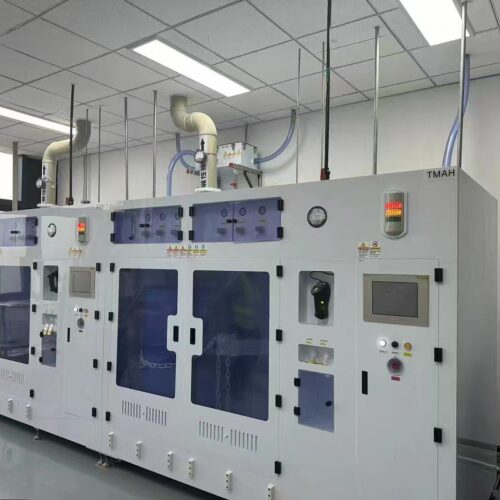
Vertical Laminar Flow Workstation (VLF) With Chemical Concentration Monitor
-
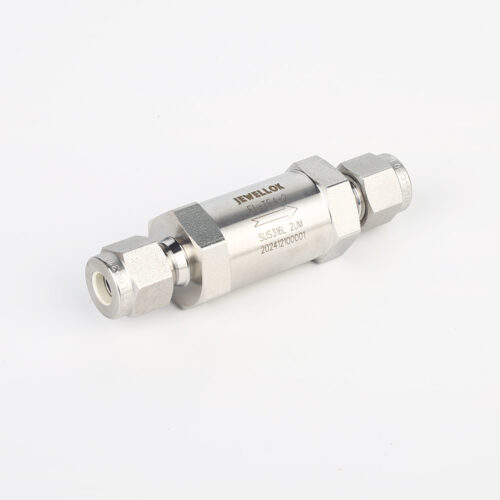
JF Series In-Line Gas Filters | High Purity High Precision High Flow Semiconductor Gas Filter Gas Filtration & Purification
-
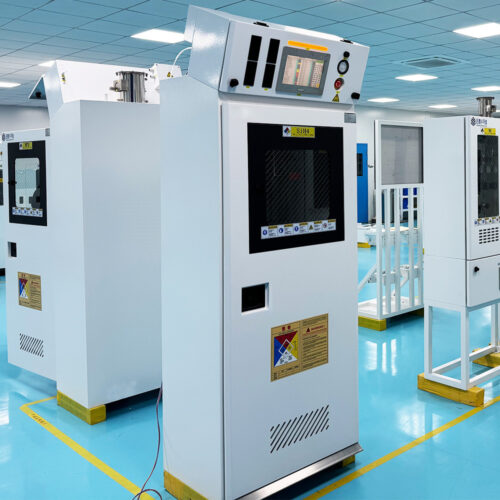
Fully Automated Gas Cabinet For Precise UHP Gas Delivery And High Purity Gas Delivery Systems JW-300-GC
-
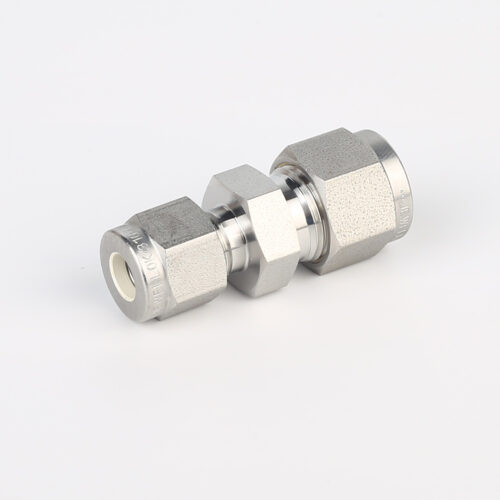
763L Stainless Steel High Purity Pressure Reducing Union Fittings And Tubing Pressure Reducing Valve Adjustment
-
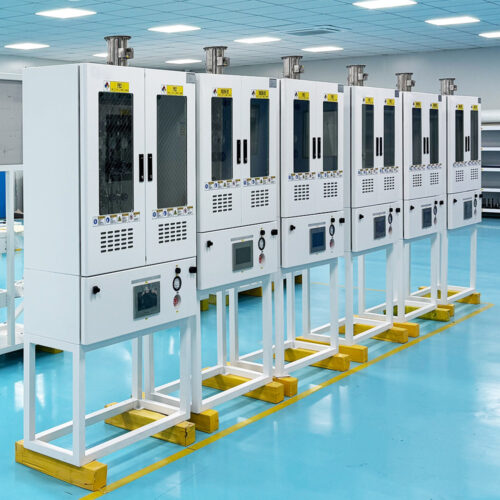
Ultra High Purity Gas Delivery Systems And Liquid Chemical Delivery Systems JW-300-LDS
-
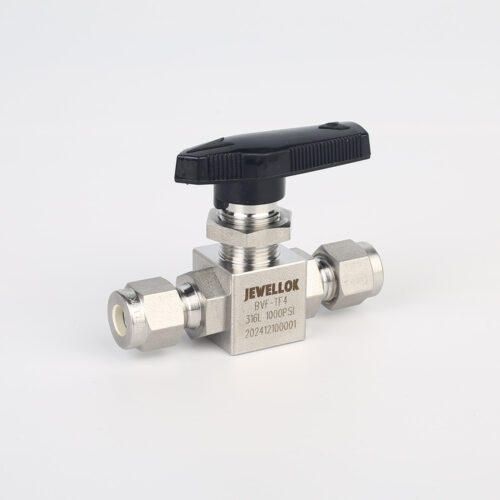
Stainless Steel High Purity High Temperature Pneumatic Actuated Ball Valves JBV2 Series
-
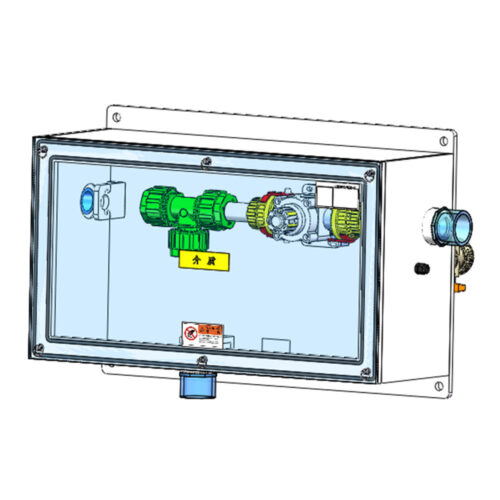
FT-BOX JW-FTB-C Valve Manifold Panels And Boxes With High Purity Configurable Systems
-
768LN Stainless Steel Male Pipe Tube Butt Weld Connector And Tube Fittings Supplier