
Regulator Manufacturer Tel: +86 13380377051
Regulator Manufacturer Tel: +86 13380377051

Gas Cylinder Manifold Systems: Safety Guidelines and Best Practices
In industrial, medical, and laboratory settings, the demand for a continuous and reliable supply of gases—from oxygen and nitrogen to argon, hydrogen, and specialty gas mixtures—is often met not by single cylinders, but by gas cylinder manifold systems. These systems, which combine the contents of multiple cylinders into a unified supply stream, are critical for operations requiring high flow rates, extended uptime, or enhanced supply security. However, the increased complexity and scale of these systems introduce significant safety risks. A failure in a manifold can lead to catastrophic consequences, including asphyxiation, fire, explosion, or toxic release.
This article provides a comprehensive guide to the safety guidelines and best practices for the design, installation, operation, and maintenance of gas cylinder manifold systems. Adherence to these principles is non-negotiable for ensuring personnel safety, protecting assets, and maintaining operational integrity.
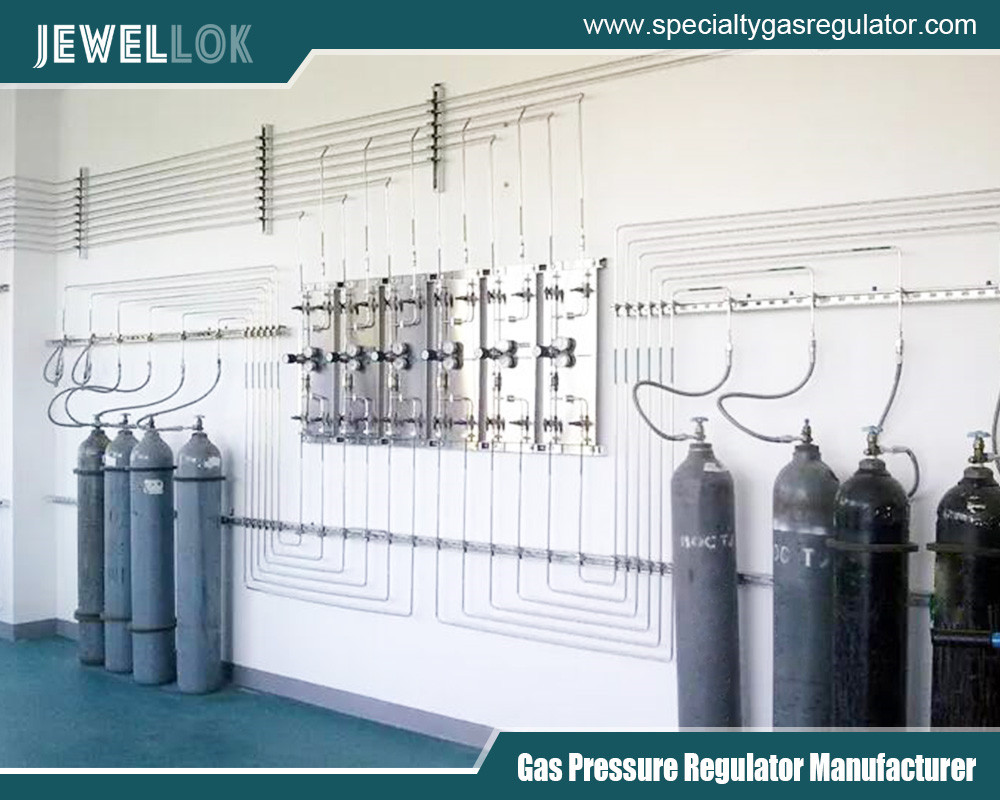
Understanding Manifold Systems: Components and Types
A basic understanding of the system is foundational to safety. A typical gas cylinder manifold system consists of:
- Cylinder Banks: Two or more groups of cylinders (often a “primary” and “secondary” or “reserve” bank).
- Cylinder Connections: High-pressure hose assemblies or pigtails with cylinder-specific connections (e.g., CGA fittings).
- Manifold Header: A common piping header that consolidates the gas from connected cylinders.
- Changeover Unit: The heart of the system. It automatically or manually switches the gas supply from the depleted bank to the full bank, ensuring uninterrupted flow. This includes pressure regulators, pressure gauges (for cylinder and delivery pressure), and a changeover mechanism (pressure-sensing or electrical).
- Isolation Valves: Valves at each cylinder connection and on the header to allow for isolation during maintenance or in an emergency.
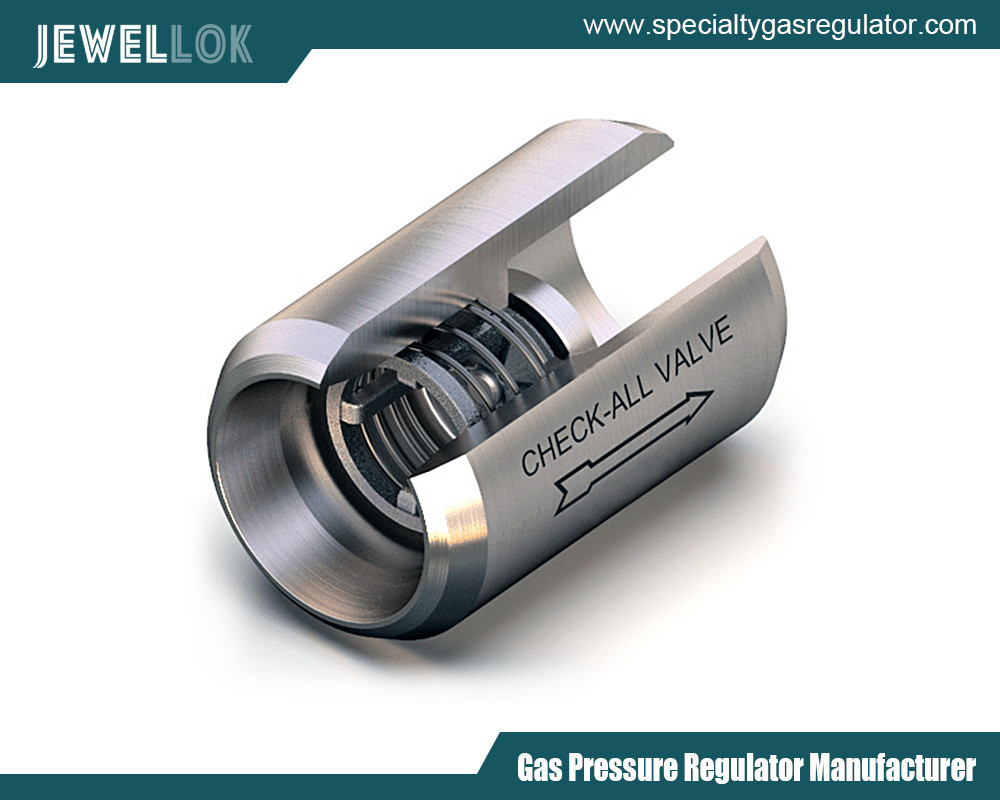
- Check Valves: Prevent backflow between cylinders or banks, critical for maintaining gas purity and safety.
- Pressure Relief Devices: Safety valves or rupture discs on the header to protect against over-pressurization.
- Delivery Regulator: Steps down the header pressure to a stable, usable working pressure for the downstream pipeline.
- Vent/ Purge Port: For safely venting gases during changeover or maintenance.
Types of Manifolds:
- Manual Manifolds: Require an operator to physically switch valves when the primary bank is depleted. Suitable for non-critical applications.
- Semi-Automatic Manifolds: Use pressure gauges to indicate depletion, but switching is manual.
- Fully Automatic Manifolds: Utilize a pressure-sensing changeover device to switch banks automatically without interruption. Essential for critical applications like medical gas supply.
Foundational Safety Guidelines
Safety begins with a systematic approach, governed by recognized standards and a culture of caution.
- Design and Procurement Phase
- Gas Compatibility is Paramount: Every component—the header piping, valves, regulators, seals (elastomers), and gauges—must be compatible with the specific gas service. Oxygen service demands specially cleaned (“oxygen service”) components free of hydrocarbons to prevent combustion. Corrosive gases like HCl require appropriate corrosion-resistant materials.
- Follow Codes and Standards: Design must comply with applicable local, national, and international standards. Key references include:
- CGA (Compressed Gas Association) Pamphlets: e.g., CGA G-4.1 for oxygen, CGA P-1 for safe handling.
- NFPA (National Fire Protection Association) Standards: e.g., NFPA 99 for Healthcare Facilities (medical gases), NFPA 55 for Bulk Gases.
- ASME B31.3: For Process Piping design.
- Local Pressure Equipment Directives: (e.g., PED in Europe, AS/NZ 3788 in Australasia).
- Right-Sizing and Pressure Ratings: The system must be designed for the maximum required flow rate and pressure. All components must have pressure ratings exceeding the maximum expected source pressure (e.g., full cylinder pressure at 70°F/21°C and considering potential sun exposure).
- Inherent Safety Features: Design must include:
- Dedicated Vent Lines: For exhaust gases, vented to a safe location outdoors, away from ignition sources and air intakes.
- Proper Labeling: Clear, permanent labels for gas name, direction of flow, and hazard warnings.
- Physical Protection: Guards to protect against cylinder or component impact.
- Separation and Segregation: Oxidizers (e.g., O2) must be stored and piped separately from flammables (e.g., H2, acetylene) as per separation distance requirements.
- Installation and Commissioning
- Qualified Personnel: Installation must only be performed by certified fitters or technicians trained in gas system installation and local pressure piping codes.
- Leak Testing: After installation, the entire system must be leak-tested using a approved method (e.g., pressure drop test, bubble test with leak detection solution compatible with the gas). Never use soap-based solutions on oxygen systems.
- Purging: Before placing into service, the system must be thoroughly purged with an inert gas (like nitrogen) or the process gas itself to remove contaminants, moisture, or air—especially critical for high-purity or reactive gas systems.
- Documentation: Create and maintain “as-built” drawings, a component list, and a commissioning report.
Operational Best Practices
Daily safe operation relies on disciplined procedures and trained users.
- Cylinder Handling and Connection:
- Always secure cylinders with chains or straps to a firm support.
- Before connection, perform the “crack and clear” procedure: slightly open and immediately close the cylinder valve to clear dirt or debris from the port.
- Use the correct CGA fitting. Never force connections.
- Ensure cylinder labels match the manifold gas service. Never rely on cylinder color alone for identification.
- Changeover Procedures (for Manual Systems):
- Monitor primary bank pressure gauges regularly.
- When the primary bank nears depletion, close the primary bank isolation valve.
- Open the reserve bank isolation valve fully.
- Follow a written Standard Operating Procedure (SOP) every time.
- Daily/Pre-Use Checks:
- Inspect for signs of damage, corrosion, or frost formation (indicative of a leak).
- Check that all valves are in their correct normal operating positions.
- Verify that pressure gauges are reading within expected ranges.
- Emergency Response:
- Know the location and operation of the main emergency shut-off valve (ESOV). This valve should be clearly marked and accessible within 10 seconds of the manifold location.
- All personnel in the area must be trained on the properties of the gas (e.g., oxidizer, inert, flammable, toxic) and the appropriate emergency response (evacuation, ventilation, fire response).
- Post clear emergency instructions nearby.
Maintenance and Inspection Regime
Proactive maintenance prevents failures.
- Preventative Maintenance Schedule: Establish a schedule based on manufacturer recommendations and risk assessment. This typically includes:
- Regulator Inspection/Overhaul: Annually or as per service hours. Diaphragms and seats degrade.
- Leak Testing: Full system re-test at least annually, or after any maintenance.
- Valve Operation Check: Ensure all isolation and changeover valves operate smoothly.
- Relief Device Verification: Check that pressure relief valves are not sealed or blocked and are within their calibration date.
- Component Replacement:
- Use only manufacturer-approved or specified replacement parts.
- Replace high-pressure flex hoses (pigtails) on a time-based schedule (e.g., every 3-5 years) regardless of visible condition, as internal degradation is not visible.
- Record Keeping: Maintain a detailed log of all inspections, tests, maintenance actions, and incidents. This is a legal requirement in many jurisdictions and is essential for tracking system history.
Special Considerations for Specific Gases
- Oxidizers (Oxygen, Nitrous Oxide): Enforce a strict “clean hands, clean tools” policy. No oils, greases, or hydrocarbons. Use only oxygen-compatible thread sealants (if any). Post “No Smoking / No Open Flames” signs.
- Flammables (Hydrogen, Acetylene, Methane): Ensure all electrical equipment in the area is appropriately rated for Class I, Division 1 or 2 hazardous locations. Install flame arrestors where required. Ground and bond all components to prevent static discharge.
- Inerts (Nitrogen, Argon, CO2): The primary hazard is asphyxiation. Install the manifold in a well-ventilated area. Consider oxygen deficiency monitors with audible/visual alarms if the risk is significant. Label areas clearly: “Nitrogen – Can Cause Suffocation.”
- Toxics and Corrosives: Install the manifold within a gas cabinet or ventilated enclosure exhausted to a scrubber or safe location. Provide readily accessible emergency eyewash and shower facilities. Use double containment tubing where required.
Conclusion
Gas cylinder manifold systems are engineering controls that, when designed and managed correctly, significantly enhance both operational efficiency and safety. However, their complexity demands respect and rigorous adherence to a holistic safety framework. This framework rests on four pillars: competent design according to standards, professional installation and commissioning, disciplined daily operation by trained personnel, and a robust, documented maintenance culture.
Investing in safety is not merely a regulatory compliance issue; it is a fundamental operational imperative. A failure in a gas manifold system can have swift and severe consequences. By implementing the guidelines and best practices outlined above, organizations can ensure that their gas supply is not only reliable but also safe, protecting their most valuable assets: their people and their facility.
For more about gas cylinder manifold systems: safety guidelines and best practices, you can pay a visit to Jewellok at https://www.specialtygasregulator.com/product-category/specialty-gas-cabinet/ for more info.
-
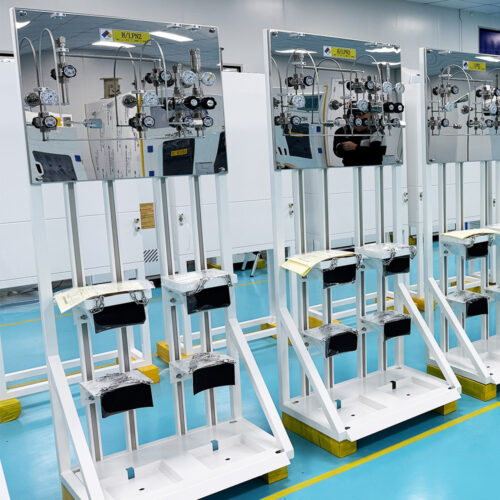
Manual Gas Rack High Purity Gas Delivery Systems JW-100-GR
-
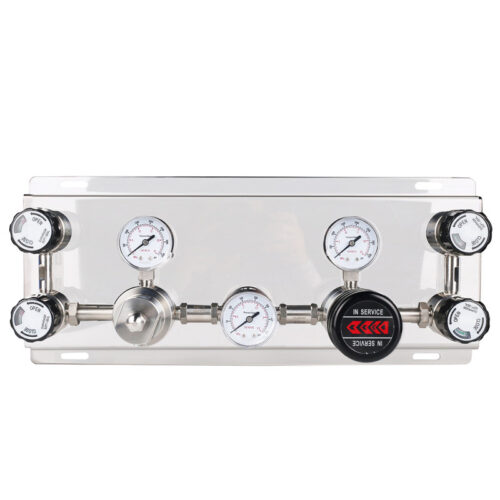
Semi Automatic And Automatic Switching Speicialty Gas Changeover Manifold Panel With Semiconductor Valve Manifold Box Gas Pressure Regulators
-
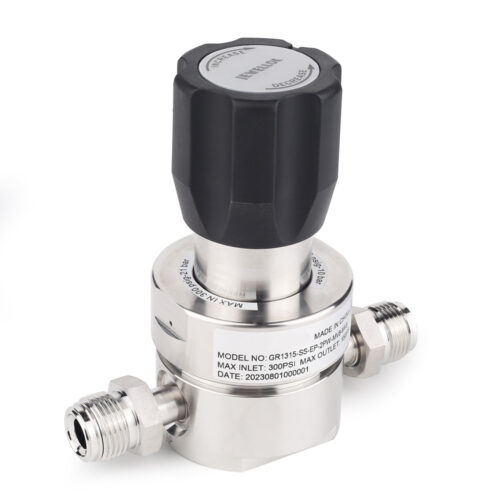
JR1300 Series Ultra High Purity Single Stage Regulator High Flow Line Regulator For Ultra High Purity Intermediate Flow
-
Semi Automatic Gas Cabinet Systems for Handling Toxic and Flammable Process Specialty Gases in High Tech
-
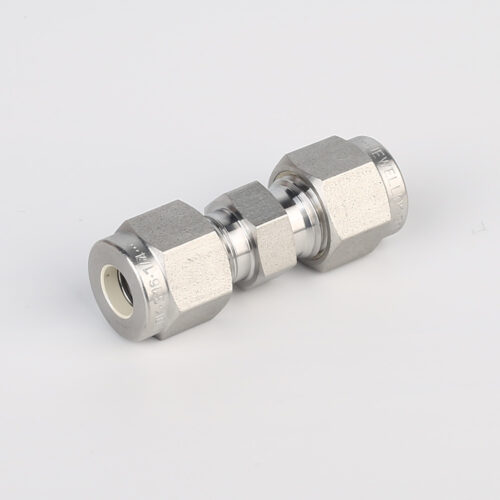
762L Stainless Steel High Purity Union High-Purity Gas System Fittings
-
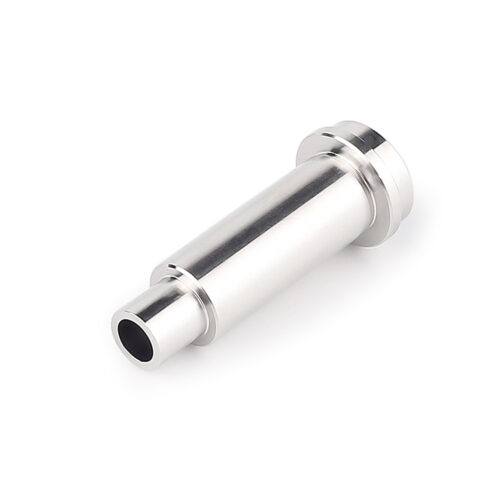
UHP Metal Gasket Face Seal Fittings Vacuum Coupling Metal Face Seal Join Long Gland And Short Gland
-
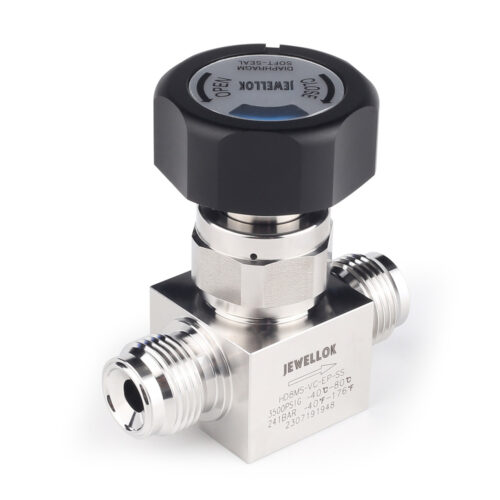
Stainless Steel Ultra High Purity (UHP) High Pressure Manual Diaphragm Valve
-
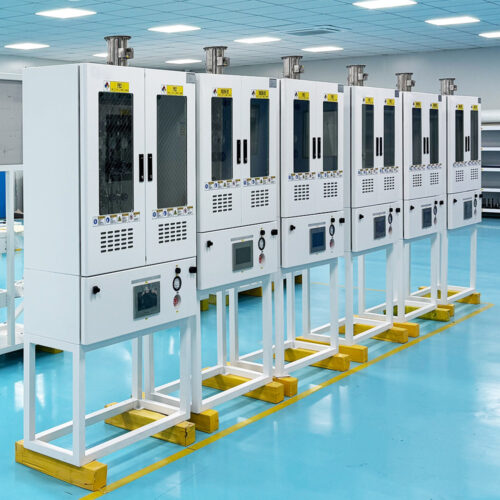
UHP Liquid Chemical Delivery Systems with Nitrogen Blanketing and Secondary Containment for Hazardous Industrial Chemical Processing