
Regulator Manufacturer Tel: +86 13380377051
Regulator Manufacturer Tel: +86 13380377051

How to Choose the Right SiH4 Ultra High Purity Gas Regulators
The safe and precise delivery of silane (SiH4), a pyrophoric and highly reactive gas, is critical in semiconductor fabrication, photovoltaic manufacturing, and thin-film coating processes. Selecting the appropriate SiH4 ultra-high purity (UHP) gas regulator is not merely a procurement decision but a fundamental safety and performance imperative. This article provides a comprehensive technical guide for engineers, safety officers, and procurement specialists tasked with specifying regulators for silane service. We will examine the unique hazards of SiH4, detail the essential design and material criteria for UHP regulators, and outline a systematic selection process encompassing materials of construction, leak integrity, flow performance, safety features, and validation protocols.
The Critical Role of Regulators in SiH4 Handling
Silane (SiH4) is the primary silicon source gas for chemical vapor deposition (CVD) processes, including low-pressure CVD (LPCVD) and plasma-enhanced CVD (PECVD), used to deposit silicon dioxide, silicon nitride, and amorphous/polycrystalline silicon layers. Its pyrophoric nature—spontaneously igniting upon contact with air—and its toxicity demand an engineered approach to gas handling. The regulator is the pivotal interface between the high-pressure source cylinder and the low-pressure delivery system. A failure here can lead to catastrophic outcomes: fires, explosions, toxic releases, and costly tool downtime or wafer contamination.
An Ultra High Purity regulator for SiH4 must therefore fulfill a dual mandate: absolute safety and uncompromising purity. It must maintain integrity, prevent internal and external leaks, and deliver a stable, precise outlet pressure without introducing contaminants that could degrade film properties or device yield. This selection process requires a deep understanding of both gas properties and regulator technology.

Understanding the Adversary: Key Properties and Hazards of SiH4
Selection begins with a clear recognition of what makes SiH4 ultra high purity gas regulator particularly challenging:
-
Pyrophoricity: SiH4 ignites spontaneously in air at concentrations as low as 1-3%. Any leak represents an immediate fire hazard.
-
Reactivity: It reacts vigorously with oxidizers, halogens, and even moisture, potentially forming silica deposits or explosive mixtures.
-
Decomposition: At elevated temperatures or pressures, it can decompose exothermically into silicon and hydrogen, generating heat and pressure spikes.
-
Purity Requirements: Semiconductor-grade SiH4 has purity levels often exceeding 99.9999% (6.0-grade). The regulator must not add particulate, metallic, or moisture contamination.
-
Cylinder Pressure: Silane is typically stored as a compressed gas at high pressures (up to 2000 psi / 138 bar). The regulator must safely reduce this to a usable process pressure, often in the 10-100 psi range.
These properties dictate every aspect of regulator design and selection.
Core Selection Criteria for SiH4 UHP Regulators
1. Materials of Construction: The Foundation of Purity and Compatibility
Body & Internal Components:
-
Stainless Steel 316L / 316L VIM-VAR: This is the non-negotiable standard. Type 316L stainless steel offers excellent corrosion resistance. The Vacuum Induction Melt – Vacuum Arc Remelt (VIM-VAR) process is crucial for UHP applications. It drastically reduces non-metallic inclusions, gaseous impurities, and enhances grain structure, minimizing the potential for particle generation and surface outgassing.
-
Electropolished Internal Surfaces: All wetted internal surfaces must be electropolished to a smooth finish (typically Ra < 10 µin). This reduces surface area, minimizes adsorption/desorption of moisture and gases, and makes the surface more passive and resistant to corrosion.
-
Alternative: Hastelloy C-276: For the most aggressive gas mixtures or where chloride-induced stress corrosion cracking is a concern, Hastelloy C-276 may be specified. It offers superior corrosion resistance but at a higher cost.
Seals and Diaphragms:
-
Metal Diaphragms (Diaphragm-Seal Design): The single most important feature for SiH4 service. Unlike elastomer-sealed regulators, a metal (typically 316L) diaphragm completely isolates the process gas from the spring chamber. This eliminates a major permeation and leak path, contains any pyrophoric gas within the all-metal wetted path, and prevents lubricant contamination. For SiH4, a welded metal diaphragm regulator is the industry-standard and safest choice.
-
Elastomer Seals (Secondary): Where elastomers are used (e.g., for body seals in some designs), Kalrez® (Perfluoroelastomer/FFKM) or Chemraz® are the only acceptable options. They offer exceptional chemical resistance and low outgassing. Viton® (FKM) is generally not recommended for pure SiH4 due to potential long-term degradation. Ethylene Propylene (EPDM) and Buna-N are completely unsuitable.
2. Leak Integrity: The Primary Safety Metric
-
External Leak Rate: Must meet or exceed the SEMI Standard for gas systems. The target is typically < 1 x 10^-9 atm cc/sec He for all external connections (outlet, pressure gauge ports, purge ports). This is verified by helium mass spectrometer leak testing (MSLD).
-
Internal Leak Rate (Seat Leak): Measures leakage from the high-pressure inlet to the low-pressure outlet when the regulator is in the “shut-off” position. A high internal leak can cause pressure creep downstream, a significant hazard. Specifications should be < 1 x 10^-9 atm cc/sec He.
-
Permeation: The metal diaphragm design inherently eliminates permeation through an elastomer diaphragm, a critical factor for safety and maintaining gas purity.
3. Performance and Functional Specifications
-
Inlet Pressure Rating: Must exceed the maximum supply cylinder pressure (e.g., 3000 psi / 207 bar).
-
Outlet Pressure Range & Control: Select a range appropriate for your process (e.g., 0-100 psi). Stability (< 0.5% of set point) is vital for consistent process results. Consider two-stage regulators for the most stable delivery, especially if inlet pressure decay (as the cylinder empties) is a concern for your process.
-
Flow Capacity (Cv): The regulator must supply adequate flow without “lock-up” or droop. Calculate your system’s required flow rate and ensure the regulator’s Cv value is sufficient. Oversizing can lead to control instability at low flows.
-
Outlet Pressure Gauge: Should be a UHP, dry (oil-free) design with a stainless steel Bourdon tube and a Kalrez® diaphragm isolator if a sealed gauge is used.
4. Safety and System Integration Features
-
Purge and Vent Ports: Integral purge ports (typically 1/4″ or 1/8″ VCJ®) on both the inlet and outlet sides are essential for safe cylinder changeouts and system maintenance. They allow for positive purging of the regulator body with an inert gas (N2) before opening to atmosphere.
-
Filter Integration: Some UHP regulators have an integral sintered metal particle filter (e.g., 0.003 μm / 3 nanometer) at the inlet. This is highly recommended to trap any particulates from the cylinder or upstream, protecting the regulator’s seat and the downstream process.
-
Pressure Relief Device: A non-fragmenting, metallic pressure relief valve (PRV) set safely below the regulator’s maximum working pressure (MWP) is a critical fail-safe against over-pressurization from upstream or thermal events.
-
Cleaned and Packaged for Service: The regulator must be cleaned, assembled, and bagged in a Class 100 (ISO 5) or better cleanroom. Packaging should be vacuum-baked and sealed under an inert gas (nitrogen) atmosphere to preserve cleanliness.
The Selection Process: A Step-by-Step Guide
-
Define Application Requirements: Document the process parameters: maximum inlet pressure, required outlet pressure and stability, maximum flow rate (Cv), gas composition (pure SiH4 or mixtures like SiH4/PH3), and required gas purity class (e.g., SEMI C3-Grade 6.0).
-
Establish Non-Negotiable Safety Features: For SiH4, this list is short but absolute:
-
Welded 316L VIM-VAR metal diaphragm design.
-
All-metal wetted path (or Kalrez® seals where unavoidable).
-
Electropolished internals.
-
Integral purge ports.
-
High-performance pressure relief device.
-
Certified leak rates < 1 x 10^-9 atm cc/sec.
-
-
Evaluate Manufacturer and Technical Support:
-
Choose established manufacturers with a proven track record in hazardous and UHP gas delivery.
-
Require full documentation: Material Certifications (CofC), Leak Test Reports, Cleanliness Reports per IEST-STD-CC1246, and detailed OEM manuals.
-
Assess local technical support and service capability for recertification and repair.
-
-
Consider System Compatibility: Ensure the regulator’s connections (e.g., CGA-350 inlet, 1/4″ or 1/2″ VCJ® outlet) match your gas cabinet and manifold panel. Plan for integration with downstream shut-off valves, additional filters, and mass flow controllers.
-
Plan for Lifecycle Management:
-
Initial Validation: Upon receipt, verify documentation and consider re-leak testing if protocol dictates.
-
Preventive Maintenance: Establish a strict recertification schedule (typically annually or per manufacturer recommendation). This includes disassembly, cleaning, replacement of consumable parts (seats), leak testing, and performance verification.
-
Training: Ensure all personnel handling SiH4 systems are trained on the specific regulator’s operation, purging procedures, and emergency response.
-

Conclusion
Selecting the right SiH4 ultra high purity gas regulator for silane is a risk-mitigation exercise of the highest order. There is no room for compromise. By prioritizing ametal-diaphragm, all-welded design constructed from VIM-VAR 316L with electropolished surfaces, you address the twin pillars of safety and purity. This must be combined with rigorous leak performance validation, integrated safety features like purge ports and PRVs, and a comprehensive lifecycle management plan.
The upfront investment in a correctly specified, high-quality UHP regulator is insignificant compared to the potential cost of an incident—be it human injury, destruction of capital equipment, or loss of a production wafer batch. In the precise world of semiconductor and advanced materials manufacturing, the gas regulator is more than a component; it is a guardian of both process integrity and personnel safety. Choose accordingly.
For more about how to choose the right SiH4 ultra high purity gas regulators, you can pay a visit to Jewellok at https://www.specialtygasregulator.com/product-category/specialty-gas-cabinet/ for more info.
-
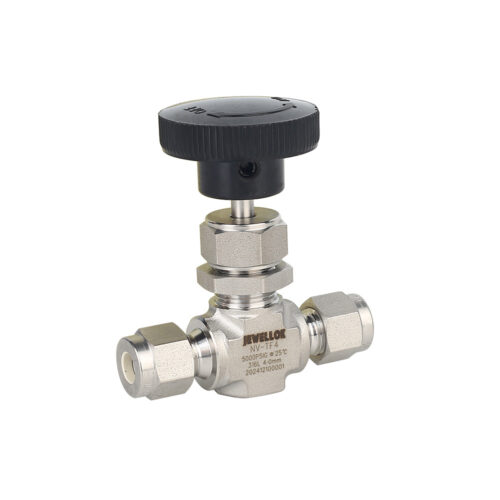
High Purity High Pressure Stainless Steel Needle Valve Natural Gas Flow Control Valve JNV Series
-
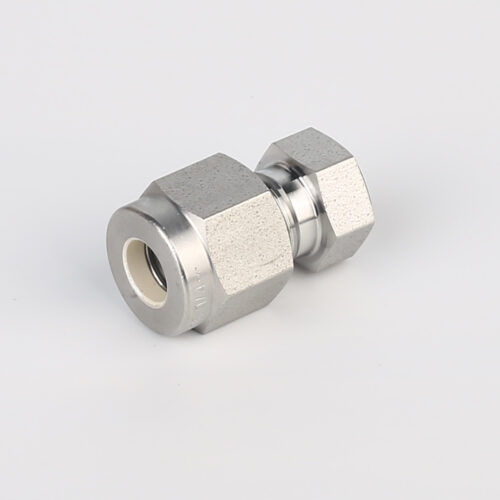
7108L Cylinder Cap Connectors For Ultra High Purity Gases
-
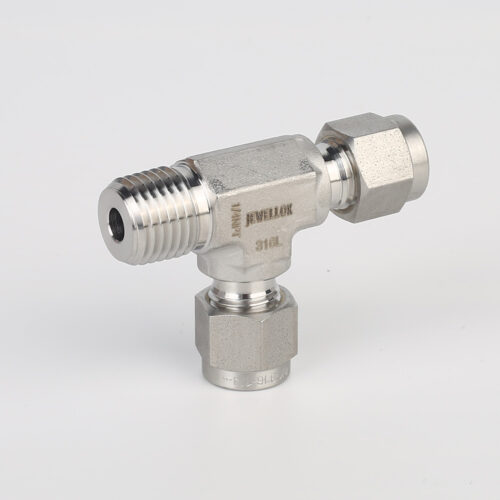
771L Male Run Tee | Stainless Steel High Quality High Purity Male Run Tee Branch Tee Pipe Fittings
-
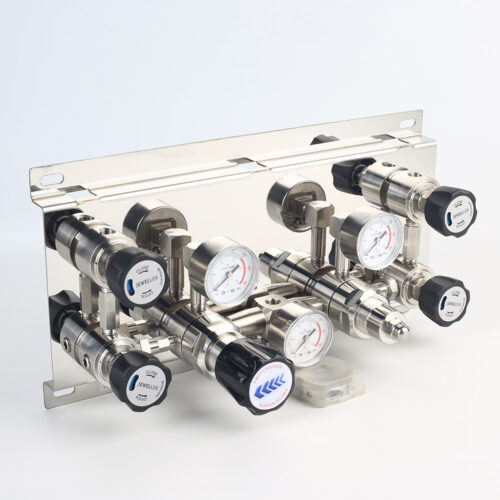
Pressure Control Panels For High Purity Gas Control System JSP-3AE Series From Pressure Control Panels Suppliers And Manufacturer
-
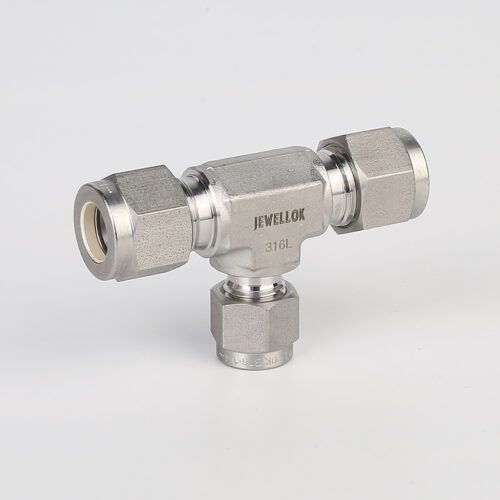
764LR Stainless Steel 316 Reducing Tee UHP Fitting Automatic Buttweld Reducing Tee
-
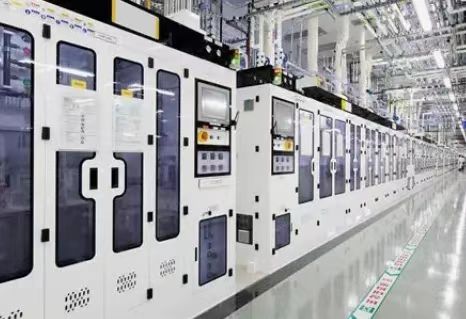
Automatic Chemical Delivery Module (CDM) and Chemical Delivery System (CDS) for Precise Point of Use Blending and Dilution
-
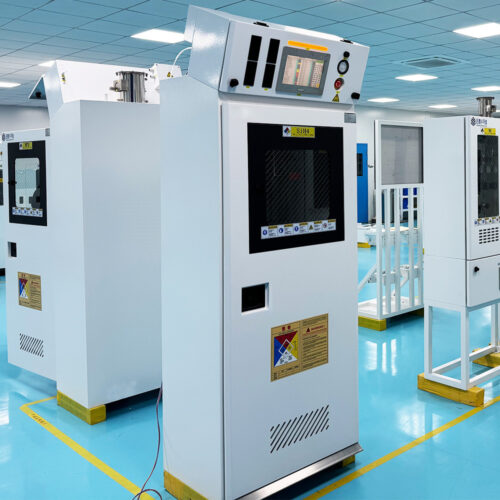
Advanced Exhaust Gas Scrubber System Design for 99% Removal Efficiency of Industrial Toxic Gases
-
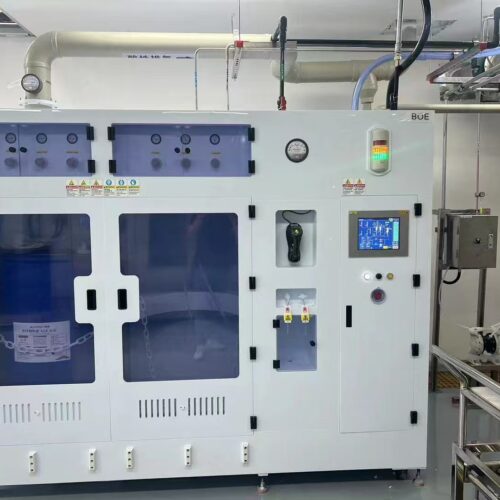
High Purity Bulk Chemical Delivery System and Automatic CDU for Advanced Semiconductor Manufacturing and Fabrication