
Regulator Manufacturer Tel: +86 13380377051
Regulator Manufacturer Tel: +86 13380377051

High-Purity Trimethylaluminum (TMA) Gas Manifolds for ALD and CVD Systems
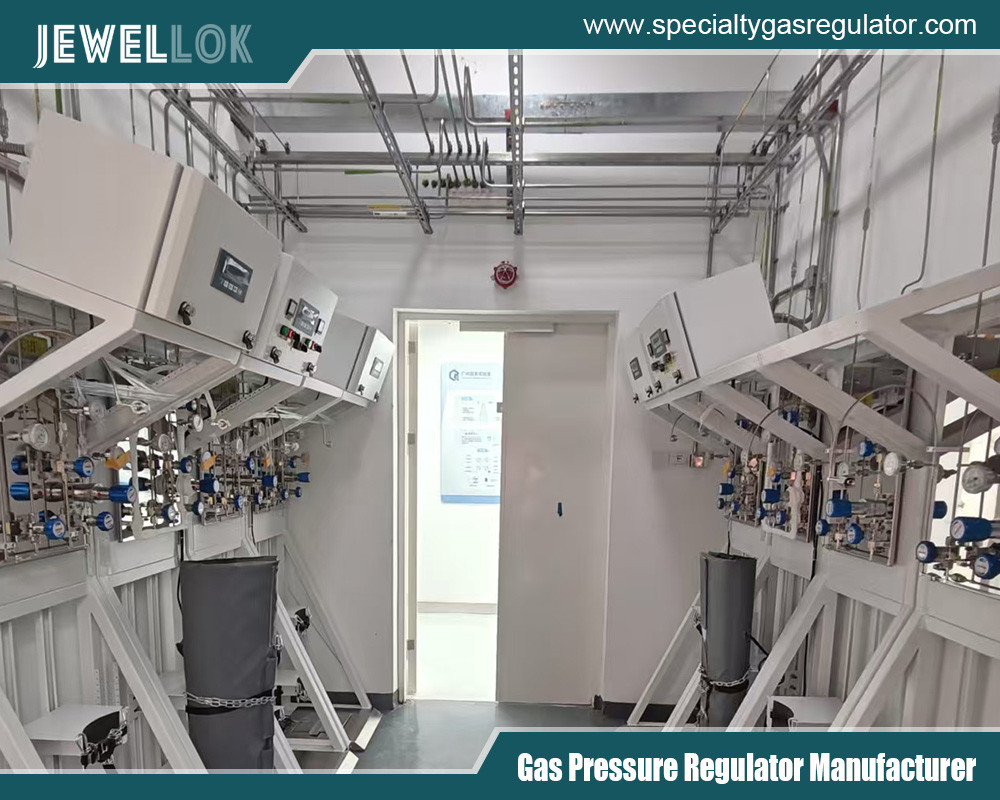
The relentless drive towards smaller, faster, and more efficient semiconductor devices and functional thin films has elevated Atomic Layer Deposition (ALD) and Chemical Vapor Deposition (CVD) to cornerstone manufacturing techniques. At the heart of many processes for depositing high-κ dielectrics (e.g., Al₂O₃), diffusion barriers, and III-nitride semiconductors lies the metalorganic precursor Trimethylaluminum (TMA). However, TMA’s highly reactive, pyrophoric, and moisture-sensitive nature presents formidable challenges for its safe and precise delivery. The gas manifold—the network of valves, pipes, regulators, and sensors that transports TMA from its source to the reaction chamber—is not merely plumbing; it is a critical subsystem whose design dictates film quality, process reproducibility, and operational safety. This article delves into the engineering principles, material considerations, and design philosophies essential for constructing high-purity TMA gas manifolds that meet the stringent demands of modern ALD and CVD systems.

1. The Centrality of Precursor Delivery
In ALD and CVD, the quality of the deposited film is intrinsically linked to the controlled introduction of precursor gases. ALD, reliant on self-limiting surface reactions, requires exceptionally precise and sequential dosing of precursors. CVD, while often operating in a continuous flow regime, demands stable, consistent, and contamination-free vapor delivery. TMA (Al(CH₃)₃), a liquid at room temperature with a high vapor pressure (~11 Torr at 20°C), is a workhorse precursor for aluminum-containing films. Its high reactivity makes it ideal for low-temperature processes but also necessitates a delivery system that can handle its propensity to react with oxygen, water, and even itself (forming oligomers) if improperly managed.
A poorly designed manifold introduces points of contamination, particle generation, pressure instability, or unsafe conditions. Impurities such as oxygen or water lead to oxidized inclusions in the film, degrading electrical properties. Residual contaminants or “memory effects” from previous pulses limit process flexibility and purity. Therefore, the TMA gas manifold must be engineered to achieve three paramount objectives: Ultra-High Purity, Precision Delivery, and Intrinsic Safety.
2. Core Challenges in TMA Handling
Designing for TMA begins with understanding its adversarial relationship with the environment:
-
Pyrophoricity: TMA ignites spontaneously upon contact with air. The entire manifold must be purged and maintained under an inert atmosphere (typically N₂ or Ar).
-
Moisture and Oxygen Sensitivity: It reacts violently with H₂O and O₂, producing alumina particles, methane, and heat. These particles can clog lines, valves, and filters, while the reactions compromise precursor stoichiometry.
-
Adduct Formation and Oligomerization: TMA can form Lewis acid-base adducts with ethers or amines and can dimerize/oligomerize, especially if heated excessively or if trace impurities catalyze reactions, altering its vapor pressure and delivery kinetics.
-
Sticky” Nature: TMA and its decomposition products have a tendency to adsorb on surfaces, leading to memory effects and long pump-down times.
3. Manifold Design Philosophy: A Systems Approach
A high-performance TMA gas manifold is built on a holistic philosophy integrating materials science, fluid dynamics, and control engineering.
3.1. Material Selection: The Foundation of Purity
-
Stainless Steel 316L/316L VIM-VAR: The standard material. 316L offers good corrosion resistance. Crucially, it must be Vacuum Induction Melted and Vacuum Arc Remelted (VIM-VAR) to reduce impurities and outgassing. Electropolished (EP) interior surfaces minimize surface area, reduce adsorption sites, and enhance particle wash-off.
-
High-Performance Alloys: For ultimate purity, nickel alloys like Hastelloy C-22 offer superior resistance to chlorides and acidic by-products, though at a higher cost.
-
Seals and Gaskets: Metal seals (ConFlat® fittings with copper or nickel gaskets) are mandatory for all permanent or semi-permanent connections. For demountable seals, perfluoroelastomers (e.g., Kalrez®, Chemraz®) are preferred over standard fluoropolymers due to their extremely low permeability and excellent chemical resistance to metalorganics. Their use should be minimized and confined to non-critical, heated zones where possible.
-
Passivation: All wetted components must undergo a rigorous passivation process (typically a nitric acid treatment) to form a stable, inert chromium oxide layer on the stainless steel, preventing catalytic reactions and corrosion.
3.2. Key Components and Their Functions
-
Precursor Container (Bubbler/Canister): Often a heated, stainless-steel vessel. Requires a dip tube for carrier gas bubbling and a separate vapor withdrawal line. Temperature control (±0.1°C) is vital for stable vapor pressure.
-
Isolation Valves: Diaphragm valves are the gold standard. Their design isolates the actuator from the process gas, offers a straight-through flow path when open, and provides a reliable, particle-free seal. Pneumatic actuation allows for integration with the system’s Programmable Logic Controller (PLC).
-
Flow Control: For CVD, Mass Flow Controllers (MFCs) with TMA-compatible metallurgy and surface treatments are used. For ALD, precise dosing is often achieved not by an MFC but by pressure-based dosing. This involves using a fast-switching valve to fill an “injection volume” or “dose line” to a set pressure, then injecting that discrete volume into the chamber. This requires extremely fast-response valves and accurate pressure transducers (capacitance manometers).
-
Pressure Regulation and Transducers: Upstream pressure for the bubbler is controlled by a high-purity, metal-sealed pressure regulator. Process pressure is monitored by heated Baratron®-type capacitance manometers to prevent TMA condensation.
-
Filters: In-line sintered metal filters (e.g., 0.1 µm) placed before critical components (MFCs, valves) and before the chamber inlet capture particles generated from reactions or upstream.
-
Purge and Vent Lines: A dedicated, multi-port purge network is essential. The vent line must go to a dedicated, scrubbed exhaust or a burn-box/abatement system to treat the pyrophoric gas. Purge valves must be fail-safe closed.
-
Heating: The entire manifold from the bubbler outlet to the chamber inlet must be trace-heated and insulated to a temperature above the TMA condensation point (typically 30-50°C, above the bubbler temperature). This is a non-negotiable requirement to prevent liquid droplet formation, pressure spikes, and inconsistent delivery.
3.3. Integration and Configuration
-
Dead Volume Minimization: The design must ruthlessly eliminate dead legs, unused T-ports, and large volumes where TMA can stagnate, decompose, or cause memory effects. Flow paths should be direct and streamlined.
-
Purging Strategy: A robust multi-stage purge is critical. This includes a main process line purge, a separate “cross-purge” for the dose volume in ALD configurations, and a canister purge. Purge cycles must be designed to efficiently displace TMA, not just dilute it.
-
Safety Interlocks: The PLC must be programmed with safety interlocks: pressure monitoring on the bubbler, temperature monitoring on all heated zones, leak detection (often via pressure rise tests), and toxic/combustible gas monitoring in the exhaust and cabinet. Any fault must trigger an automatic shutdown, isolation of the TMA source, and initiation of a safety purge.
4. Advanced Considerations for State-of-the-Art Systems
-
ALD-Specific Pulse Optimization: For high-speed ALD (spatial or temporal), manifold design focuses on ultra-fast switching. This employs high-speed piezoelectric or pneumatic valves located as close to the chamber as possible, with minimized volume between the valve and the substrate. The use of dual (or multiple) dose lines allows one to be filling while the other is injecting, increasing pulse frequency.
-
Vapor Draw vs. Bubbling: While bubbling with a carrier gas is common, direct vapor draw (where carrier gas bypasses the liquid and saturates with vapor in the headspace) can be advantageous for very high vapor pressure precursors like TMA, offering more stable and rapid vapor withdrawal without liquid sputtering.
-
In-situ Monitoring and Diagnostics: Integration of residual gas analyzers (RGAs) at the chamber inlet or exhaust can monitor TMA pulse shape, detect decomposition products, and verify purity. Laser-based gas analyzers can provide real-time, species-specific concentration data for feedback control.
-
Modular and Serviceable Design: Manifolds should be designed as modular “sticks” or panels that can be easily isolated, removed for servicing or replacement, and baked out independently. This minimizes system downtime.
5. Safety Protocol Integration
The manifold is the first line of defense in TMA safety. Its design must integrate with strict operational protocols:
-
Leak Checking: Mandatory helium leak checking after installation or any maintenance.
-
Proper Purge Cycles: Establishing and validating complete purge cycles before opening any section to atmosphere.
-
Exhaust Abatement: Ensuring the exhaust line is connected to a properly functioning wet scrubber or thermal abatement unit designed for metalorganics.
-
Personal Protective Equipment (PPE): Use of face shields, fire-resistant lab coats, and butyl rubber gloves when handling containers or connecting lines.
6. Conclusion
The high-purity TMA gas manifold is a masterpiece of precision chemical engineering. It transforms a hazardous, reactive liquid into a perfectly controlled reagent stream. As semiconductor nodes shrink below 3nm and novel applications emerge in areas like flexible electronics, photovoltaics (e.g., passivation layers), and quantum computing, the demands on film uniformity, conformality, and interface quality become ever more extreme. The evolution of manifold technology—towards even faster switching, greater integration with real-time diagnostics, and smarter predictive maintenance through machine learning algorithms—will continue to be a critical enabler. Investing in a meticulously designed, high-purity TMA delivery system is not an ancillary cost; it is a foundational investment in process capability, yield, and safety, directly underpinning the advancement of thin-film technology. The manifold, often hidden within the equipment cabinet, is truly where the chemistry of the future is first contained and precisely orchestrated.
For more about high-purity trimethylaluminum (TMA) gas manifolds for ALD and CVD systems, you can pay a visit to Jewellok at https://www.specialtygasregulator.com/product-category/ultra-high-purity-diaphragm-valves/ for more info.
-
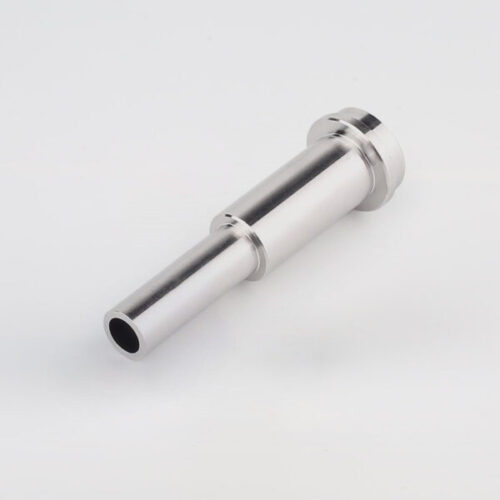
Long Gland LG Series For Ultra High Purity Gas And Chemical Delivery Systems
-
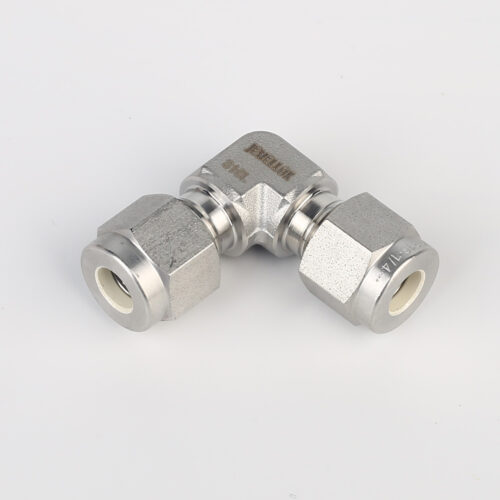
765L Stainless Steel Union Elbow Reducing High Purity Fitting Tubing Extension Tubing Connection
-
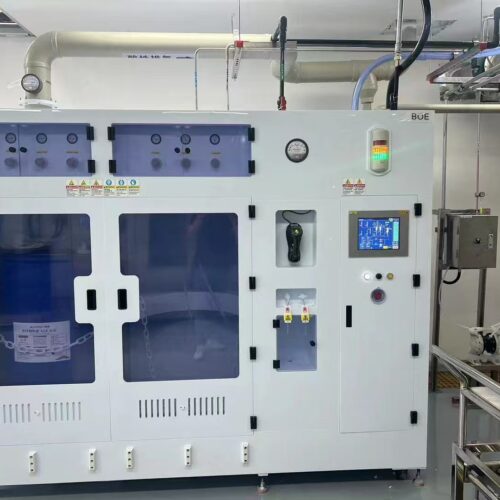
Chemical Delivery Modules for Automated Blending and Precise Dilution in Modern Wafer Cleaning Applications
-
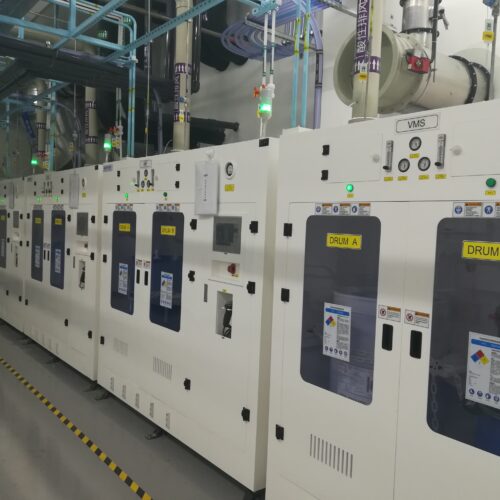
High Purity Liquid Chemical Delivery Systems Designed for Sub Micron Semiconductor Production
-
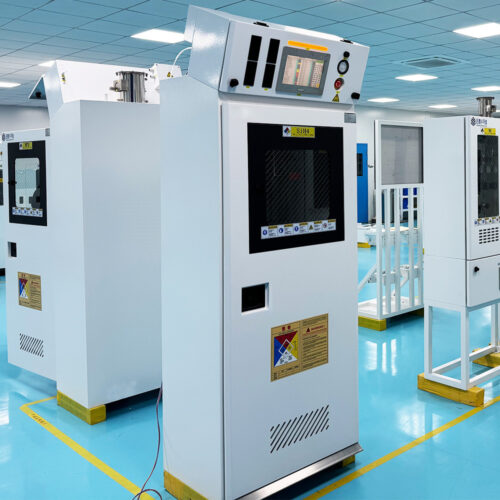
Integrated Scrubber Tail Gas Treatment Cabinet for Safe Bulk Specialty Gas System Exhaust Management
-
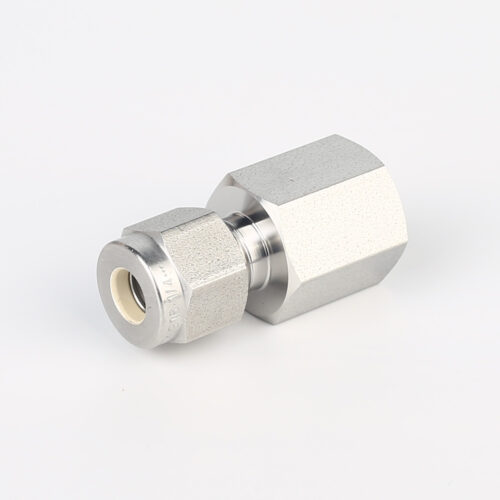
766L High Purity Female Connector UHP Fitting Female Connector
-
Advanced Exhaust Gas Scrubber System Design for 99% Removal Efficiency of Industrial Toxic Gases
-
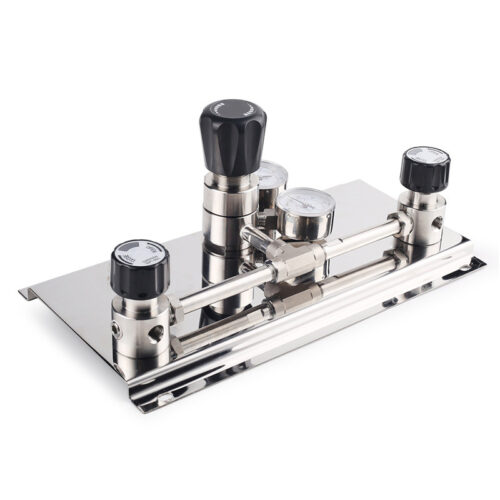
High Purity Semi-Auto Stainless Steel Changeover Manifold System, Nitrogen High Pressure Control Panel With Semiconductor Valve Manifold Box Diaphragm Valves