
Regulator Manufacturer Tel: +86 13380377051
Regulator Manufacturer Tel: +86 13380377051
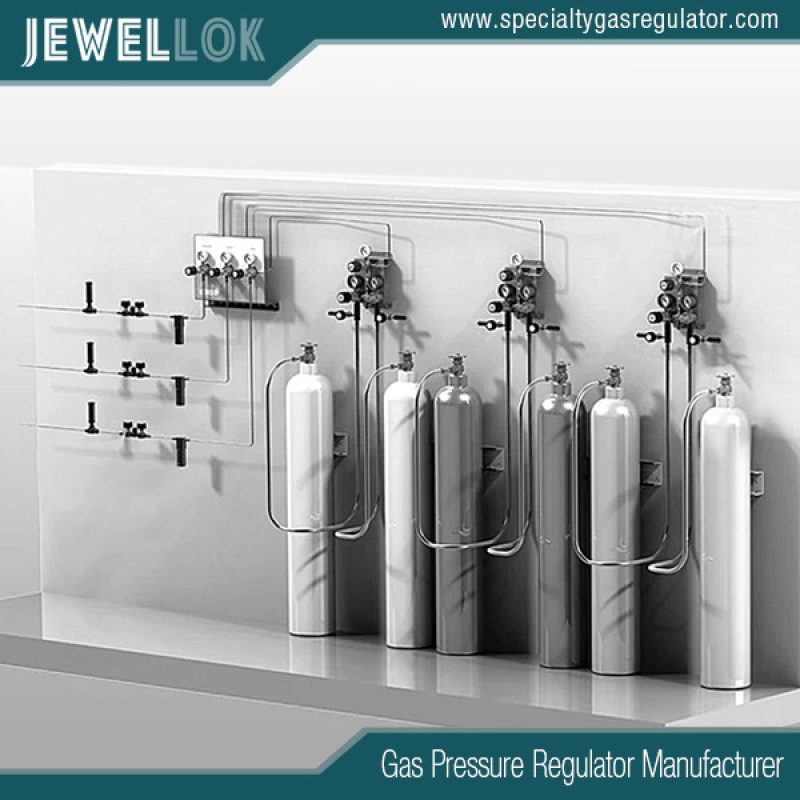
Double-Sided (A/B) TMA Gas Changeover Manifold for Uninterrupted Supply
In the precision-driven worlds of semiconductor fabrication, advanced materials science, and cutting-edge research, the continuity of process gas supply is not merely a convenience—it is an absolute imperative. Any interruption, however brief, can lead to catastrophic results: ruined wafer batches, compromised thin-film depositions, invalidated experiments, and significant financial loss. Among the myriad of specialty gases used, Trimethylaluminum (TMA) stands out as a critical, yet challenging, precursor for Atomic Layer Deposition (ALD) and Metal-Organic Chemical Vapor Deposition (MOCVD). Its pyrophoric and moisture-sensitive nature demands handling of the highest safety and reliability standards. To meet this dual demand of continuous supply and safe operation, the Double-Sided (A/B) TMA Gas Changeover Manifold has become the cornerstone of gas delivery system design. This technical article delves into the architecture, operational principles, advantages, and implementation best practices of this essential system.
The Critical Need: Uninterruptible TMA Supply
TMA is a liquid precursor, stored in a bubbler or ampoule, and delivered to a process tool by a carrier gas (typically nitrogen or argon). The deposition processes it enables, such as Al₂O₃ ALD, are often cyclic and time-sensitive. A break in precursor flow disrupts the self-limiting surface reactions, leading to non-uniform film thickness, altered stoichiometry, and poor device performance.
The primary challenge arises from the finite supply in a single source cylinder. Depletion is inevitable. In a single-source system, changing the cylinder necessitates a full shutdown: isolating the tool, venting lines, performing a hazardous cylinder swap, purging, and re-stabilizing. This downtime can span hours, crippling tool utilization and throughput.
The A/B changeover manifold elegantly solves this by introducing redundancy. It integrates two identical source sides (Side A and Side B) into a common delivery line, allowing one side to be in active service while the other is held in a ready standby or reserve mode. The switch from a depleted primary cylinder to a full secondary cylinder can be executed seamlessly, with zero flow interruption to the process.

System Architecture and Key Components
A well-engineered double-sided TMA gas changeover manifold is a masterpiece of precision valves, sensors, and safety interlocks. Its design prioritizes safety, purity, and reliability.
Core Components:
-
Primary Containment: Two TMA source cylinders (bubblers), each housed within a dedicated, ventilated gas cabinet or enclosure for hazardous gas segregation.
-
Isolation Valves: High-integrity, diaphragm-sealed or bellows-sealed valves isolate each major section. This includes cylinder outlet valves, manifold inlet/outlet valves, and purge valves.
-
Changeover Valve Assembly: The heart of the system. This is typically a sophisticated, pneumatically actuated valve block or a set of interlocked valves configured to ensure only one gas path is active at any time. Common configurations use a “Y” or “T” pattern where the outlet of Sides A and B converge.
-
Pressure Regulation & Control:
-
Regulators: Each side employs a dedicated, high-purity, diaphragm-type regulator to control the carrier gas pressure to the bubbler. Consistent pressure is vital for stable bubbler operation and mass flow controller (MFC) performance downstream.
-
Mass Flow Controllers (MFCs): Located downstream of the changeover assembly, the MFC precisely meters the carrier gas flowing to the process tool. In some designs, each side may have its own MFC for enhanced control.
-
-
Pressure Transducers & Sensors: Critical for automation and control.
-
Cylinder Pressure: Monitors source pressure to indicate depletion. A sharp drop signals the need for changeover.
-
Delivery Pressure: Ensures pressure remains within the set bounds for the MFC and process.
-
Purge Pressure: Verifies proper purge cycle execution.
-
-
Purge System: A dedicated, high-purity nitrogen purge manifold is integral. It allows for safe evacuation and purging of the standby side during cylinder change-out and for purging the common line if needed. Purge vents are routed to an appropriate exhaust scrubber or abatement system for TMA.
-
Leak Detection: Point-of-use toxic gas monitors (for TMA) are installed within the cabinet and exhaust duct to detect any leaks, triggering alarms and automatic safety shutdowns.
-
Control System & User Interface: A programmable logic controller (PLC) or dedicated gas panel controller automates sequencing, monitors sensors, and manages safety interlocks. A local touchscreen or remote interface provides status (e.g., “Side A IN SERVICE,” “Side B STANDBY EMPTY”) and allows manual override functions.
Operational Modes and the Changeover Sequence
The system operates in distinct modes, with the changeover sequence being the critical procedure.
Standard Operating Mode:
-
Side A (Service): The cylinder outlet valve is open, its regulator is set to process pressure, and the changeover valve assembly is positioned to allow flow from Side A to the common MFC and outlet.
-
Side B (Standby): The cylinder is full, pressurized, and connected. Its outlet valve is closed, but the manifold side is under pressure and ready. The system is actively monitoring Side A’s pressure.
Automated Changeover Sequence (Triggered by Low Pressure on Side A):
-
Initiation: The PLC detects Side A source pressure falling below a pre-set threshold.
-
Pre-Switch Verification: The system checks that Side B is in a valid “Standby” state (adequate pressure, no active alarms).
-
Valve Sequencing:
-
The changeover valve assembly begins to actuate. Advanced designs use a “make-before-break” sequencing where the path to Side B is established before closing the path from Side A. This is the key to zero pressure transient and uninterrupted flow.
-
The switch occurs in milliseconds, with the downstream MFC compensating for any negligible fluctuation.
-
-
Status Update: The system state changes: Side B IN SERVICE, Side A STANDBY EMPTY.
-
Alarm & Notification: The system triggers a “Cylinder Low” alarm, notifying facilities personnel that Side A requires replacement. Crucially, the process continues unabated using Side B.
Cylinder Replacement on the Empty Standby Side (Side A):
-
Isolation: An operator, following safe work procedures, initiates a “Prepare for Cylinder Change” routine. The PLC ensures the common outlet is isolated from Side A.
-
Purging: The PLC automatically executes a multi-cycle evacuation and nitrogen purge of the isolated Side A piping to remove all residual TMA vapor.
-
Safe Swap: After purge verification and with leak detectors confirming a safe environment, the empty cylinder is disconnected, and a new one is installed.
-
Leak Check & Preparation: The new cylinder connection undergoes a pressurized leak check. Once validated, Side A is brought to standby pressure and its status is updated to STANDBY FULL, ready for the next changeover.
Technical Advantages and Benefits
-
True Uninterrupted Supply: Eliminates process downtime associated with source depletion, maximizing tool uptime and productivity.
-
Enhanced Safety: Automated changeovers reduce manual valve manipulations near hazardous gas sources. The integrated purge system and continuous leak monitoring provide robust hazard containment.
-
Process Stability & Yield: Maintains consistent precursor delivery pressure and flow, eliminating the disturbances that cause film defects. This directly improves process yield and repeatability.
-
Operational Flexibility: Allows for scheduled maintenance (e.g., regulator servicing) on the standby side without affecting production. Also enables the testing of new cylinder formulations without process risk.
-
Data Logging & Traceability: The control system logs all changeover events, pressure data, and alarm states, providing valuable data for preventive maintenance and process audits.
Application Considerations and Best Practices
Implementing a double-sided TMA manifold requires careful planning:
-
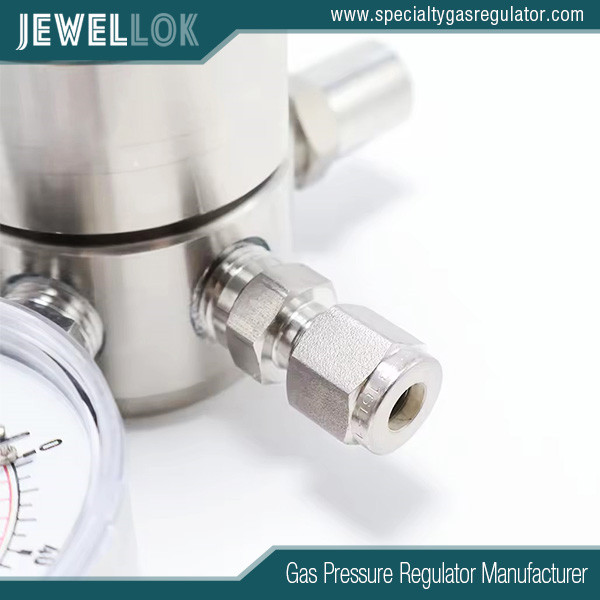
Material Compatibility: All wetted parts must be compatible with TMA. This typically specifies high-quality stainless steel (316L EP), with ultra-high purity (UHP) electropolished finishes and metal-sealed (VCJ®/CF) connections to prevent reactions and particle generation.
-
Purity and Outgassing: The system must be meticulously cleaned (per SEMI or similar standards) and baked-out under vacuum to achieve the necessary levels of purity and minimize moisture and oxygen, which degrade TMA.
-
Carrier Gas Purity: The nitrogen or argon carrier gas must be of equivalent high purity (e.g., 99.999% or better) with dedicated purifiers to remove final traces of H₂O and O₂.
-
Integration with Facility Systems: The manifold must interface with the central toxic gas monitoring system, facility exhaust/scrubber, and often the plant-wide Gas Cabinet Control System (GCCS) or Manufacturing Execution System (MES) for inventory management.
-
Preventive Maintenance: Regular maintenance schedules for leak testing, regulator performance checks, and valve actuation verification are essential to maintain system integrity.
Conclusion
The Double-Sided (A/B) TMA Gas Changeover Manifold is far more than a simple plumbing arrangement; it is a fully integrated, automated safety and productivity system. It directly addresses the core challenges of handling high-value, hazardous precursors in continuous manufacturing environments. By ensuring an uninterruptible supply, it safeguards multi-million dollar production runs, enables the consistent fabrication of nano-scale devices, and provides the operational reliability that advanced technology industries depend on. As process tolerances tighten and the cost of interruption grows, the role of such robust, intelligent gas delivery systems will only become more central to successful and safe manufacturing and research operations. Investing in a properly designed, installed, and maintained A/B manifold is not an expense—it is a critical insurance policy for quality, throughput, and safety.
-
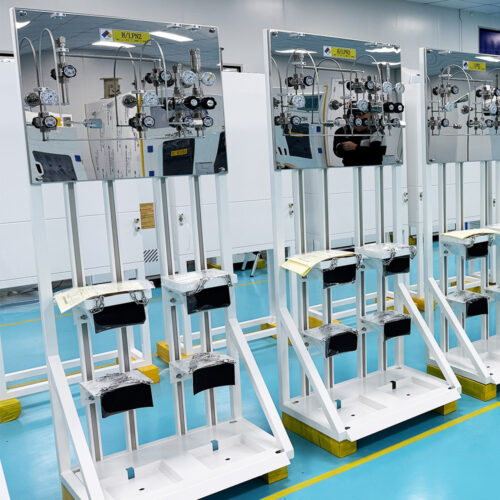
Fully Automated Gas Cabinet for Safe Ultra High Purity Specialty Gas Delivery in Semiconductor Manufacturing
-
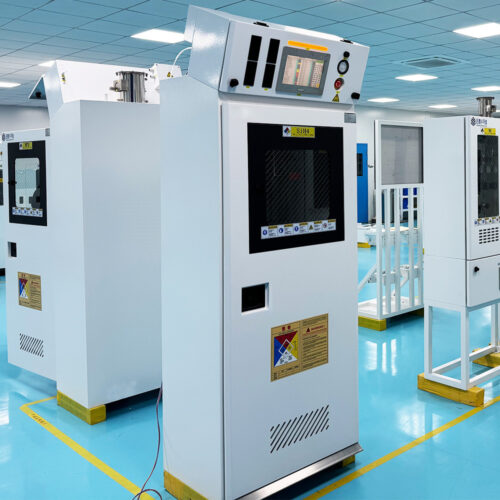
Integrated Scrubber Tail Gas Treatment Cabinet for Safe Bulk Specialty Gas System Exhaust Management
-
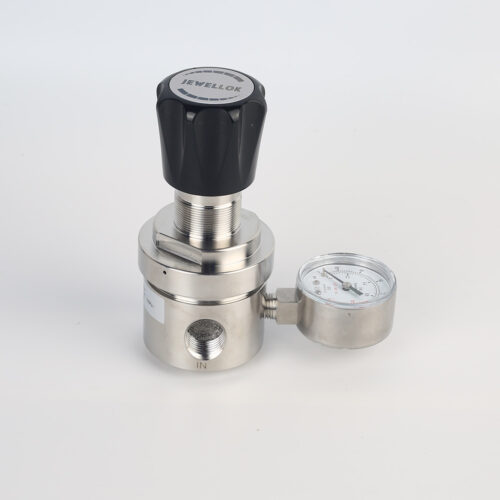
Line And Panel Mounting Adjustable Low Pressure Propane And Nitrogen Pressure Regulator JSR-3L & JSR-3LP Series
-
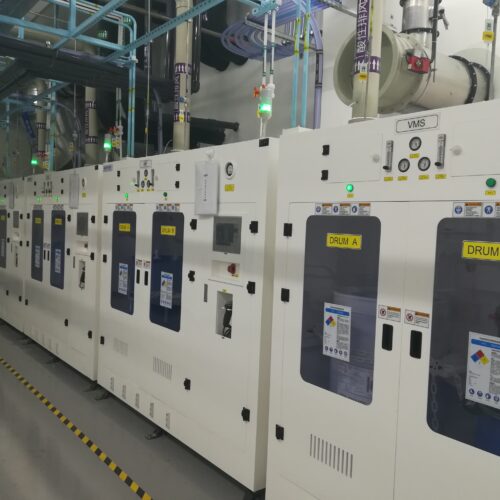
High Purity Liquid Chemical Delivery Systems Designed for Sub Micron Semiconductor Production
-
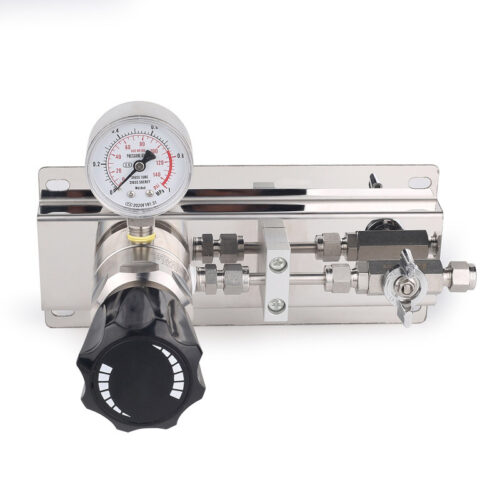
High Purity Gas Cylinder Semi Automatic Changeover Manifold Regulator Panel 3000psig Stainless Steel Gas Control Panel 1/8 Npt With Gauge
-
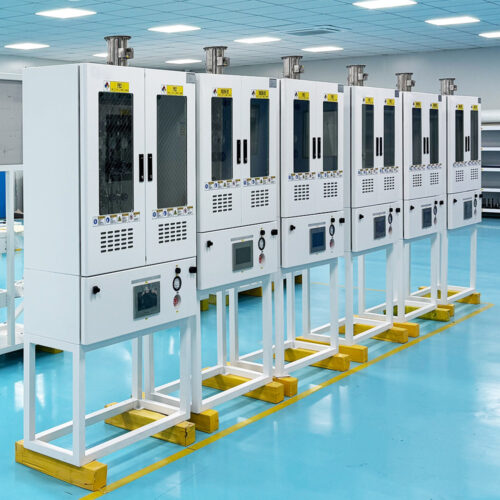
Ultra High Purity Diaphragm Valves and Pressure Regulators for Reliable Ultra High Purity Liquid Chemical Handling Systems
-
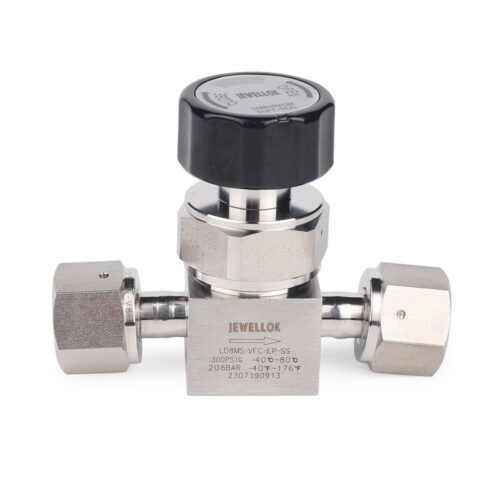
Flow Control Stainless Steel Low Pressure Manual Diaphragm Valve For High Purity And Ultra High Purity Gases
-
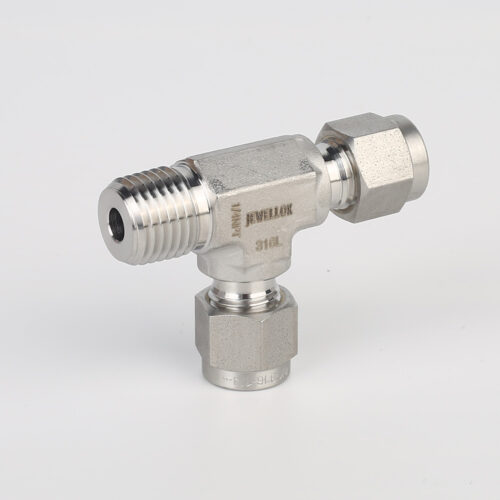
771L Male Run Tee | Stainless Steel High Quality High Purity Male Run Tee Branch Tee Pipe Fittings